
Sauerkraut is the closest kimchi substitute, used at a 1:1 ratio for tangy, fermented crunch. From there, spicy pickled cucumbers, pickled radishes, gochujang, and miso paste can each mimic parts of kimchi's heat, funk, and salt.
For cooking, Spicy Pickled Cucumbers also works well - adjust the amount to taste.
Oh, kimchi! That spicy, tangy goodness has stolen our hearts.
But sometimes, finding that perfect jar of kimchi feels like a wild goose chase, doesn't it?
Or maybe you're just looking to shake things up in the kitchen. That's cool, too.
Lucky for us, the world of fermented veggies is vast and full of surprises.
We've dived deep and surfaced with some top-notch alternatives that'll keep your dishes exciting and your palate happy.

The 5 Best Substitutes for Kimchi
For those of you who don't like kimchi or can't find it where you live, here are five substitutes that will give your dishes that same delicious, slightly spicy flavor - or consider eggs in meatballs substitute ideas for other swap inspiration.
1 - Sauerkraut
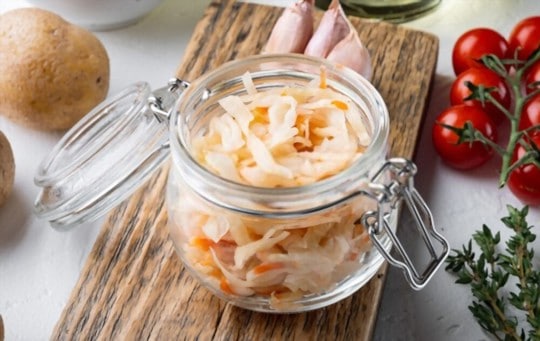
There's a lot to love.
This tart and tangy dish are beloved by many for its unique flavor and versatile texture.
But where does sauerkraut come from?
Sauerkraut is believed to have originated in China over 2,000 years ago.
The word "sauerkraut" itself comes from the German words "sour" and "cabbage.
" It wasn't until the 17th century that sauerkraut made its way to Europe, where it quickly became a popular dish.
During this time, sauerkraut was often eaten as a side dish or used as a condiment.
It wasn't until the 19th century that sauerkraut began to be commonly eaten as a main course.
There are many different ways to enjoy sauerkraut - see what to serve with pork and sauerkraut side dishes for classic pairings.
It can be enjoyed on its own or used as a topping on sandwiches or salads.
It can also be cooked with meats or added to stews and soups.
No matter how you enjoy it, there's no doubt that sauerkraut is a delicious and nutritious dish.
2 - Spicy Pickled Cucumbers
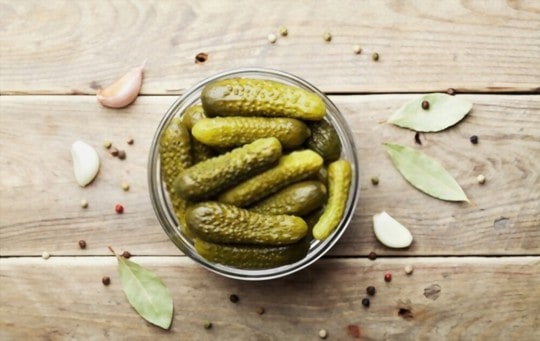
Spicy pickled cucumbers are a delicious and versatile condiment.
They have a sharp, tangy flavor that is complemented by a hint of sweetness.
The texture is crisp and crunchy, making them perfect for adding a little zing to your favorite dishes.
Pickled cucumbers can be used in a variety of ways.
They are great on their own as a healthy snack or served alongside main dishes - pair them with spicy shrimps side ideas for bold combos when serving seafood.
They can also be chopped up and added to salads or sandwiches.
In addition, they make a great topping for burgers or tacos.
So next time you're looking for something to spice up your meal, reach for a jar of spicy pickled cucumbers.
3 - Pickled Radishes
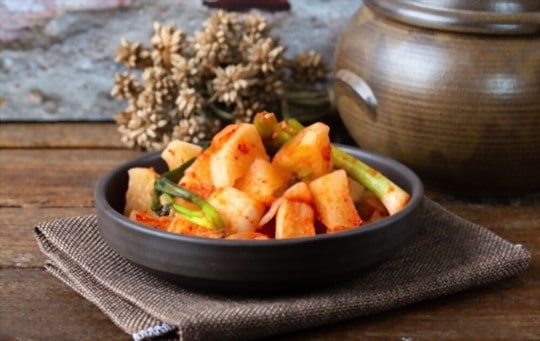
Radishes are crisp, crunchy vegetables that add a zesty bite to any dish.
Pickled radishes are a delicious way to add a tangy, salty flavor to salads, sandwiches, and snacks - try them with pickled herring side pairings for Nordic flair.
They are also a beautiful garnish for cocktails and canapes.
To make pickled radishes, simply slice the radishes thinly and soak them in a mixture of vinegar, water, salt, and sugar.
The longer they soak, the more flavorful they will be.
When you're ready to use them, simply drain the radishes and enjoy.
4 - Gochujang
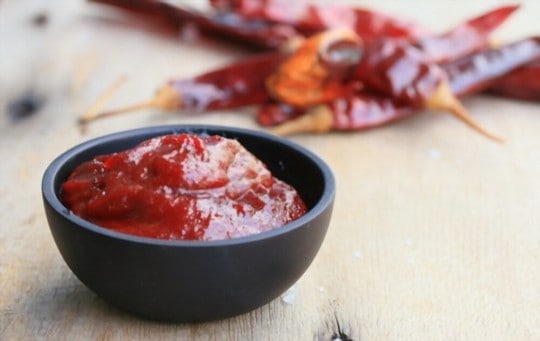
Have you ever had gochujang? If not, you're in for a treat.
Gochujang is a Korean condiment that is both spicy and sweet, with a rich, savory flavor.
It's made from chili peppers, rice, and fermented soybeans, and it has a thick, paste-like consistency.
You can use gochujang as a dip for vegetables or meat or as a sauce for rice or noodles - or swap it with gochujang substitute options for similar heat when it's not available.
It's also deliciously stirred into soup or used as a marinade.
5 - Miso Paste
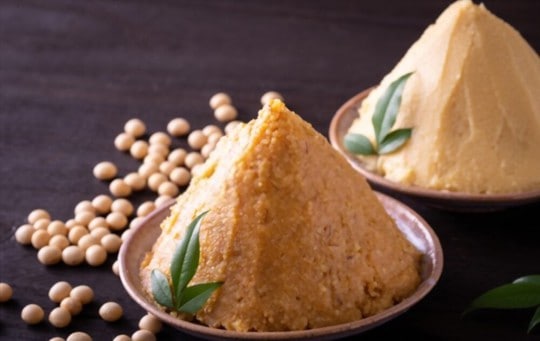
Miso paste is a fermented soybean paste that is used in a variety of Japanese dishes.
It has a salty, savory flavor and a slightly sticky texture.
Miso paste can be used to make soups, stews, and marinades.
It is also often used as a condiment for grilled meats or vegetables.
To use miso paste, simply whisk it into hot water until dissolved.
You can also add miso paste to sauces or marinades to add depth of flavor.
Experiment with different proportions of miso pastes to water to find the perfect balance for your palate.
You might also want to know what kimchi tastes like.
Fermented Korean flavors pair with familiar sides. Fermented Korean Sensations: what kimchi tastes like explains taste nuances. Gochujang substitute options for similar heat works when a spicy paste is needed.
Frequently Asked Questions
Sauerkraut, Spicy Pickled Cucumbers, Pickled Radishes, Gochujang, and Miso Paste. Use it at a 1:1 ratio in any recipe that calls for Best Kimchi.
Yes, and the results are often hard to tell apart. Sauerkraut is the go-to replacement.
For variety, Spicy Pickled Cucumbers adds its own twist to the dish.
Sometimes. Blending two partial substitutes - one for flavor and one for texture - gets closer to the original.
This works best when neither alone fully replicates what you need.
Not always. Some substitutes are processed or have a strong raw flavor that disappears with heat.
Check whether the original is typically used raw before assuming the substitute will work the same way.