
Ever faced the dilemma of picking between metal and plastic? We've been there.
Metal's durable. Plastic's lighter. What matters more?
We once hosted a barbecue that almost turned into a disaster. Why?
The grinder choice.
Metal won that day; it powered through beef like a dream. The plastic one?
Not so much.
It's not just about burgers. It's about making choices that fit our kitchen life.
Durability versus convenience. What's your pick?
What is a KitchenAid Meat Grinder?
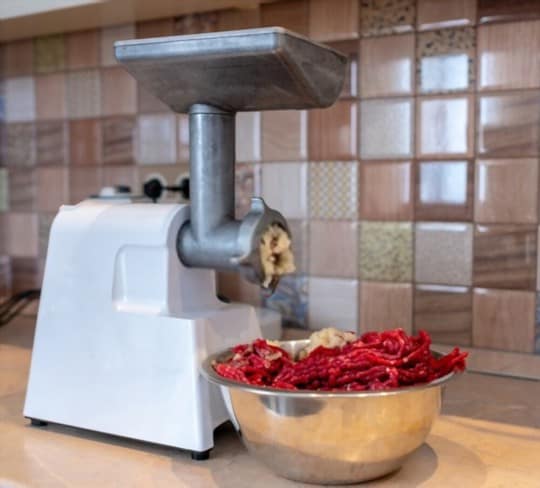
A KitchenAid Meat Grinder is an attachment for a KitchenAid stand mixer that converts the appliance into a meat grinder - see Wolf vs KitchenAid mixer comparison guide for how mixers differ.
It can be used to grind meat for burgers, sausages, and other recipes.
The grinder comes in both metal and plastic variations and has different features depending on the model.
The metal KitchenAid Meat Grinder is usually more durable and long-lasting than its plastic counterpart, making it suitable for grinding tougher cuts of meat.
However, plastic grinders are lightweight and easier to handle since they are less bulky than the metal version.
Both types of grinders have removable parts that make cleaning them easy.
Note that using a meat grinder provides control over what goes into your food, making it a healthier option compared to store-bought ground meat.
It also allows for more creative options in the kitchen as various meat types can be combined with spices and herbs to create unique flavors.
Metal Meat Grinder Attachments
Meat Grinder Attachments made of sturdy Metal have undeniable superiority over their plastic counterparts - similar metal vs silicone trade-offs appear in silicone vs metal egg rings comparison.
Here are some main reasons:
- Durability: Metal attachments are tougher and last longer than plastic ones.
- Precision: The metal parts provide more accurate and consistent grinds, without overheating or getting clogged.
- Versatility: Metal attachments can handle more challenging cuts of meat, such as bone-in beef or game, whereas plastic attachments may break under the pressure.
- Easy to Clean: Stainless steel and other metals, resist rust and stains better than plastic materials and are easier to clean thoroughly.
Also, metal grinder attachments also offer various add-ons that allow you to make sausages, grind fruits and vegetables with ease.
These different functionalities massively increase the versatility offered by these products, making them even more desirable for cooking enthusiasts.
Features and Benefits
KitchenAid Meat Grinder: Advantages and Benefits.
The KitchenAid meat grinder is an excellent choice for those who desire ground meat at home.
With the ability to grind meat in different textures, this appliance can be a solid option for home chefs.
Whether you are looking for coarse or fine grind, this machine has impressive features that guarantee a quality output.
Easy to Use and Clean.
One of the benefits of using a KitchenAid meat grinder is its convenience in use and cleaning.
Unlike other meat grinders, it is relatively easy to set up and operate without prior knowledge of usage.
Its detachable design makes cleaning it up after use a breeze.
Durable Build Materials.
When purchasing a KitchenAid meat grinder, you must choose between metal or plastic construction.
Aside from functionality, consider secondary uses and benefits - boiling grapefruit and lemon peels benefits highlights unexpected uses for kitchen byproducts that may inspire more appliance utility.
- Metal grinders offer unparalleled durability as they withstand high levels of heat and scratches over long periods compared to plastic grinders. They are also less prone to breaking or getting damaged when stuck with bones while grinding.
- Plastic grinders are more affordable and lightweight, but they are less durable and may need to be replaced more frequently.
Durability and Longevity
When considering a KitchenAid meat grinder, it is important to consider the material of the grinder.
Both metal and plastic options are available, each with their own advantages and disadvantages in terms of durability and longevity.
Metal grinders tend to be more durable and long-lasting than plastic ones, as they are less prone to cracking or breaking over time.
Also, metal grinders often have sharper blades that can handle tougher cuts of meat with ease.
However, plastic grinders may be more affordable and lightweight, making them a good choice for occasional use or for those who don't need a heavy-duty grinder.
Overall, it is important to consider your needs and usage when choosing between metal and plastic KitchenAid meat grinders.
Grinding Performance and Versatility
The KitchenAid Meat Grinder exhibits a high level of grinding performance and versatility.
It can efficiently grind various types of meat to produce different textures and consistencies for use in recipes.
The metal grinder head provides durability, strength, and longevity, while the plastic one is lightweight and easy to handle.
Both show remarkable grinding abilities, but choosing between them depends on personal preference and needs.
Also, the meat grinder's compatibility with various KitchenAid stand mixers enhances its versatility, making it an excellent choice for anyone who loves cooking with fresh ground meats.
Plastic Meat Grinder Attachments
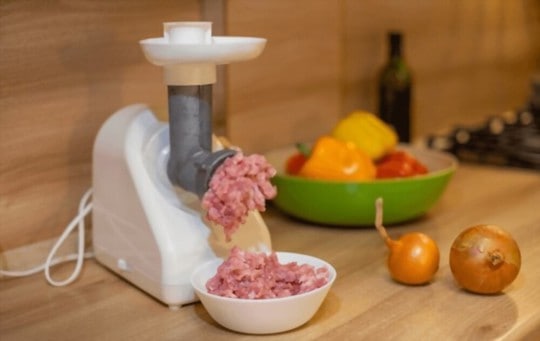
The material can have a significant impact on the performance and durability of the product.
Here are three points you should consider before choosing plastic attachments for your meat grinder:
- Quality: Plastic attachments may be more affordable, but they are often prone to cracking or breaking during use. Opting for high-quality plastic will reduce these risks.
- Cleaning: Unlike metal attachments, plastic ones can be washed in a dishwasher. This saves time while making sure proper hygiene.
- Compatibility: Not all plastic meat grinder attachments are compatible with all types of grinders. Always double-check the size and compatibility requirements before purchasing any attachments.
Despite some flaws, plastic meat grinder attachments offer numerous benefits that may appeal to different users.
They are lightweight, easy to handle and can process small quantities without straining your hands or wrists.
As an added advantage, some models come with interchangeable blades that allow you to make different types of meats and sausages effortlessly.
Overall, when deciding between metal and plastic meat grinder attachments, there's no "right" choice.
It depends mostly on personal preference and what suits your specific needs best.
Understanding which criteria matter most to you is key before making a decision on whether plastic or metal is better suited for your next cooking adventure.
Cleaning: Unlike metal attachments, plastic ones can be washed in a dishwasher - similar cleaning trade-offs appear in plastic vs glass blender cleaning guide.
Features and Benefits
Understanding its features and benefits is essential for making a decision based on your specific needs.
This powerful appliance can handle almost any meat reduction task with ease, and it is available in both metal and plastic variations.
Each variation has its own unique set of features and benefits to consider before making your final purchase.
One key benefit of the metal grinder is its durability, which allows it to handle tough meats without any issues.
The metal grinder also tends to last longer than their plastic counterparts, so that you get the most value for your money over time.
Metal grinders are also generally easier to clean, making them a more convenient option for those who cook frequently.
On the other hand, plastic grinders are often a more affordable option and provide excellent value for money if you do not require heavy-duty grinding tasks.
Plastic grinders tend to be lighter in weight than metal ones, making them easier to maneuver around your kitchen while preparing meals.
They are also less prone to rusting or staining with extended use.
Ultimately, choosing between a plastic or metal KitchenAid Meat Grinder depends on individual preferences and needs.
While metal grinders offer superior durability and strength for tougher grinding tasks, plastic grinders are typically cheaper and more lightweight-which may be perfect for those just starting with meat grinding at home.
Whatever variant you choose will increase efficiency in your cooking process by providing excellent quality grounded meat but taking care of your appliance will ensure longevity no matter which one you pick.
Affordability and Accessibility
For those considering purchasing a KitchenAid meat grinder, the factors of affordability and accessibility are important.
A buyer would want to know how easy it is to obtain the product and whether it is budget-friendly.
- KitchenAid meat grinders are widely available both online and in local stores throughout various regions. Purchasing is easily accessible through reputable retailers such as Amazon, Bed Bath & Beyond, Sears, and others. This flexibility shows the brand's focus on so that their grinders are easily accessible to a vast audience.
- When compared with other brands' meat grinders or attachments in the market, KitchenAid's products are reasonably priced for the quality they offer. The brand includes high-end features like durable metal components in most models but maintains an affordable price point that ensures that buyers get value for their money.
Lastly, while affordability and accessibility are essential considerations when buying a KitchenAid meat grinder, potential buyers should check if their mixer model is compatible with the grinder attachment.
Fortunately, KitchenAid offers compatibility information on their website, making it easier for customers not to blindly select an attachment that may not work efficiently with their mixer.
Grinding Performance and Limitations
When comparing metal and plastic KitchenAid meat grinders, it's essential to consider their respective grinding performance and limitations.
The plastic grinder, while affordable and lightweight, may not handle dense or tough meats as effectively as the metal variant due to its lower durability.
However, the metal grinder can churn out ground meat with ease but may come with a heftier price tag.
Therefore, when choosing between the two, it is important to consider one's grinding needs and budgetary constraints.
Comparison: Metal vs Plastic Meat Grinder Attachments

There has been a continuous debate on whether metal or plastic is the better option.
Both materials have their pros and cons, so it ultimately depends on your specific needs - similar wood-versus-metal trade-offs are outlined in pizza peel wood vs metal comparison.
Metal meat grinder attachments are more durable and can handle tougher meats, but they are heavier and can be harder to clean.
One significant advantage of metal attachments is their longevity.
They are built to last long term and can withstand heavy usage over time.
With proper care and maintenance, they do not need frequent replacements.
However, cleaning becomes a bit challenging because of their heavy structure.
Plastic meat grinder attachments, on the other hand, are lighter in weight and easier to clean but may not be as durable and can only handle softer meats.
In contrast, plastic meat grinder attachments are lightweight; hence cleaning them becomes an effortless task.
Their affordability makes them easy to replace when needed without breaking the bank.
Ultimately, the choice between metal or plastic meat grinder attachments boils down to individual preferences.
If you frequently process large quantities of hard meat cuts regularly, investing in Metal attachment will give you better results in both safety measures and quality outcomes.
But if you're grinding soft boneless meats like chicken or turkey now and then, plastic models make sense due to affordability and mobility factors it offers over metallic counterparts with decent proficiency levels at your disposal.
Material Quality and Strength
The sturdiness and durability of the components in KitchenAid meat grinders are important for efficient grinding.
The resistance to wear and tear is dependent on the materials used.
When comparing metal versus plastic, material quality and strength is affected by factors such as weight, heat durability, stain-resistant capacity, toughness and chemical stability of both materials.
Metal grinders provide superior durability that can withstand immense pressure while grinding dense meats.
Its added weight ensures better stability and reduced vibrations during the grinding process; minimizing the chance of tipping over.
Metal components possess increased resistance to scratches and stains as compared to plastic substitutes.
Their strong make-up permits high-temperature cooking, thus facilitating an extended lifespan for the grinder.
While plastic grinders provide ease of handling due to their lighter nature, it comes at the cost of sacrificing a considerable amount of resilience.
They are susceptible to abrasions that can cause long-term damage to the machine leading to expensive repairs or replacements.
Also, plastic has poor heat tolerance preventing them from withstanding extreme temperatures during long grinding sessions; hence frequent power stops should be taken to avoid overheating.
When choosing between both alternatives, it's essential to consider carefully based on how regularly you intend using it and what kind of meat you'd be processing.
Ultimately this choice relies on individual preferences regarding grinding efficiency, hygiene standards, budget constraints affecting longevity requirements & maintenance costs, food safety standards: metal grinders understandably rank higher than plastic ones as they provide unmatched sturdiness; increasing productivity with prolonged effectiveness making them durable companions in any kitchen setting.
Grinding Efficiency and Consistency
The metal and plastic KitchenAid meat grinders offer varying levels of grinding efficiency and consistency.
Metal grinders tend to provide a more consistent grind while processing larger quantities, reducing the likelihood of overheating.
However, plastic grinders are generally lighter and easier to handle, making them ideal for home kitchens or occasional use.
The type and quality of the blade used also matters.
Stainless steel blades tend to be sharper and more durable than plastic ones, providing better cutting power and allowing for faster and more efficient grinding.
Also, it's essential to ensure that you're using fresh, high-quality meat when grinding for optimal results.
A finer grind requires a firmer texture meat, while coarser grinds work well with fattier cuts.
Ease of Cleaning and Maintenance
The process of keeping your KitchenAid Meat Grinder in good condition is a critical aspect of maximizing its lifespan and making sure optimal performance.
Here are some important insights regarding the maintenance and cleaning of your meat grinder.
- Ensure that you disassemble all the parts before cleaning: To avoid rust and buildup of grime, it's important to completely disassemble the metal or plastic meat grinder after every use.
- Use appropriate cleaning agents: When washing your grinder components, ensure that you use warm soapy water or special food-grade cleaning solutions in combination with a soft-bristled brush for easy scrubbing.
- Dry the parts immediately: After washing the meat grinder parts, it is essential to dry them immediately using a towel or heat dryer. This prevents stains and rust from accumulating on metal surfaces.
- Lubricate regularly: Another important element in maintaining the performance of your KitchenAid meat grinder is to lubricate it regularly, especially if you use it frequently. Use a recommended food-grade lubricant to enhance its working efficiency.
To protect yourself and ensure maximum safety while handling the machine components, always refer to the user manual provided during purchase.
By following these tips, you can keep your KitchenAid Meat Grinder in excellent shape and enjoy countless years of efficient service.
Durability of Metal vs Plastic KitchenAid Meat Grinders
The study examines whether a KitchenAid meat grinder made of metal or plastic is better.
The findings show that metal meat grinders perform better than their plastic counterparts, especially when it comes to durability and grinding capacity.
Metal meat grinders are also easier to clean, making them less prone to bacteria and contamination.
However, plastic meat grinders are more affordable and can be a good option for those on a budget.
It is important to consider various factors before purchasing a kitchen gadget like a meat grinder.
Apart from the material used, buyers need to look at features like the size of the grinding plates, motor power and compatibility with different types of meats.
With this in mind, investing in a high-quality KitchenAid metal meat grinder can be a wise choice.
While plastic models may be more affordable initially, they may not last as long or grind as efficiently over time.
It's important to weigh the pros and cons based on your specific needs before making a purchase decision.
Mixer comparisons help pick the right tool: KitchenAid Mixer vs Bosch Mixer comparison. Crab meat types affect recipes: Special vs Lump crab meat guide explains key differences.
Frequently Asked Questions
The grinder comes in both metal and plastic variations and has different features depending on the model. They share some similarities but each has qualities that make it better suited for certain recipes.
It depends on the dish. KitchenAid Meat Grinder - Metal and Plastic share some overlap, but each shines in different preparations.
Swapping works best in forgiving recipes like soups or stews.
Pricing varies by brand and region, but one is typically more accessible at everyday price points. The other may cost more due to specialization or limited supply.
Is there a best time to use each one?
One shines in applications requiring subtlety and background support.
The other is better when it is meant to be a center.
Matching the right one to its role makes a noticeable difference.