
Summary of key points
Kobe beef is a type of high-quality, luxury beef that comes from the Tajima breed of cattle in Japan. It is known for its marbling and tenderness, making it highly sought after and expensive.
Regular beef, on the other hand, includes all other types of beef that do not meet the specific criteria to be considered Kobe beef.
The main difference between the two is the strict regulations and standards that must be met for beef to qualify as Kobe. These include specific breeding, feeding, and processing methods.
Regular beef may vary in quality and can come from different breeds of cattle.
In terms of taste, Kobe beef is often described as buttery and melt-in-your-mouth tender, while regular beef can have a wider range of flavors and textures depending on the cut and cooking method. Both are delicious options, but Kobe beef is definitely a luxurious treat for special occasions.
Kobe beef stands out. It's like the Rolls Royce of meat.
Regular beef just doesn't hold a candle to it. We all love a good steak.
Yet, not all steaks are created equal.
Here's the scoop. Kobe beef hails from Japan.
It's all about the pampered life for these cows. They get massages.
They even sip on beer. Yes, beer.
Now, we've tried both. And, oh boy, can we tell the difference!
Kobe is soft, melts in your mouth. Regular beef, though tasty, just can't compete on that level.
It is a luxury. It hits your wallet hard.
Is it worth it? We think so.
At least once, to see what the fuss is all about.
What is Kobe Beef?
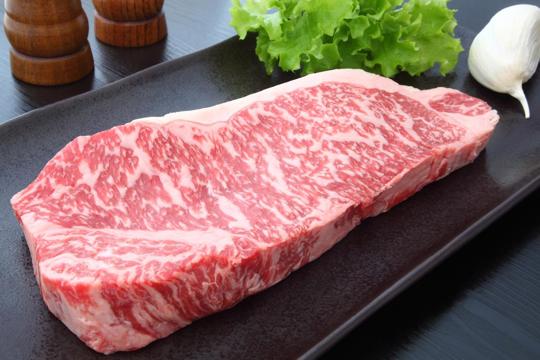
Kobe beef is a famed Japanese delicacy, from the Kobe region.
It's famous for its quality and marbling. People all over the world desire it.
To be classified as Kobe beef, strict criteria must be met.
This ensures its incredible taste and tenderness.
Cattle for Kobe beef are cared for in a special way.
They eat a specific diet of top-grade grains and grasses.
This helps the marbling develop. They even get massages and beer.
Living conditions of the cattle are monitored carefully.
They live in pristine barns with clean beds.
They have regular exercise and access to fresh water.
Kobe beef's marbling stands out.
The fat in the meat creates a buttery texture that melts in your mouth.
This experience is only possible through careful breeding and regulations.
What is Regular Beef?
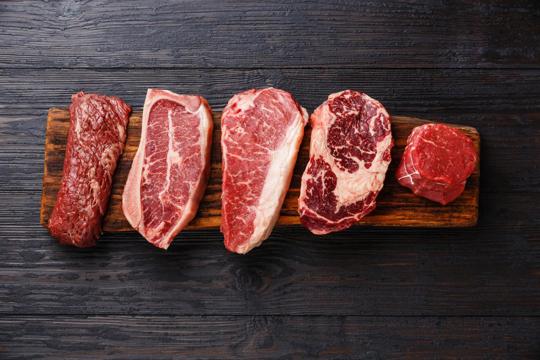
Regular beef is the meat from cattle that isn't exclusive like Kobe beef.
It's widely eaten and there are many cuts to choose from.
It may not be as marbled or tender as the high-end Kobe beef, but it still has a great flavor.
Regular beef is very affordable and easy to find - or compare Marcona vs regular almonds comparison to see how specialty and everyday options differ in availability and price.
However, for the best taste and texture, it's important to look at the quality, source, and cooking methods.
Differences Between Kobe Beef and Regular Beef
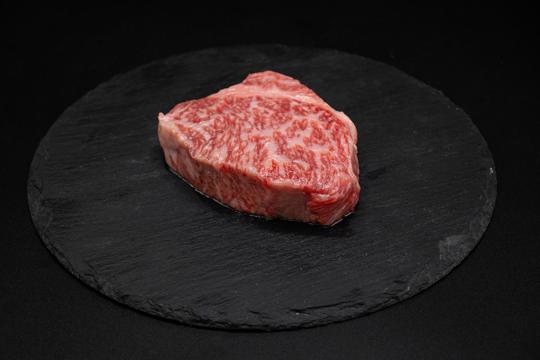
Kobe beef and regular beef differ in key ways - similar to how recipes vary, see a clear Hunan vs Kung Pao beef comparison for examples of distinct regional approaches.
Origin and Background
Kobe beef is a well-known delicacy, from Japan's serene Kobe region.
It dates back to the 2nd century, introduced for agricultural use.
In the 19th century, farmers began refining techniques to improve its flavor and tenderness.
It comes from Tajima cattle, native to the Hyogo Prefecture.
They are pampered with a special diet of grain, mineral water, and massages.
This ensures abundant marbling, giving it an excellent texture and flavor.
Kobe beef is highly sought-after worldwide.
However, Wagyu beef also has unique breeding and raising methods.
These are far stricter than those of regular or conventional beef.
Breeding and Raising
Kobe beef stands for premium quality and excellent taste.
The secret lies in the way the cattle are bred and raised.
These cows come from Hyogo Prefecture, Japan.
There, traditional methods of raising them are passed down from generation to generation.
Farmers pay a lot of attention to every aspect of the cow's life.
Everything is regulated - from diet to living conditions. The cows graze on green pastures.
Also, they are given a special diet - beer and sake mash.
This unique diet increases the marbling of the meat, giving it a tender and buttery texture.
What's more, the cows are massaged regularly - to improve circulation and prevent muscle stiffness.
All this results in beef that is both flavourful and tender.
Kobe beef is different from regular beef not only because it is of higher quality, but also due to the strict regulations governing its production.
Farmers must stick to certain breeding practices set by the Kobe Beef Marketing & Distribution Promotion Association.
This organization monitors each stage of production, so that only genuine Kobe beef reaches consumers.
Marbling and Texture
Marbling & Texture make Kobe beef stand out from regular beef.
Marbling is the visible fat within the muscle tissue, giving it a melt-in-your-mouth tenderness.
The intense marbling is due to the corn diet they consume.
Kobe beef's texture is incredibly tender & juicy.
This is thanks to the fat throughout the muscles, only achievable with native Japanese black-haired cattle.
Kobe beef has distinct differences from regular beef.
Its detailed webbing of fat makes its flavor and richness unlike any other.
The controlled environment for rearing ensures consistent taste & tenderness.
flavor and Taste
Kobe beef and regular beef have huge differences in terms of flavor and taste.
Kobe beef is famed for its marbling, and gives a unique melting-in-your-mouth experience.
Its flavor is buttery, due to the top-notch feed and the exclusive rearing techniques of Japan.
Regular beef may possess less marbling and a milder, gamey taste, based on the cut and grade.
Knowing these variations can help you pick the ideal meat for your dishs - and learn more about how taste profiles differ in an extract vs flavor comparison for taste.
Nutritional Variances Between Kobe Beef and Regular Beef
Kobe beef is well-known for its marbling, which gives it a rich flavor and tenderness.
It has more monounsaturated fats, including omega-3 and omega-6 fatty acids, than regular beef.
These healthy fats reduce the risk of heart disease.
Also, Kobe beef has more protein, iron, and vitamins B12 and B6 than regular beef.
It also has less cholesterol.
These nutritional differences make Kobe beef a great choice for people looking for a healthier and tastier beef dish - compare cuts in a corned beef round vs brisket comparison to see how nutrition and use can vary by cut.
Similarities Between Kobe Beef and Regular Beef
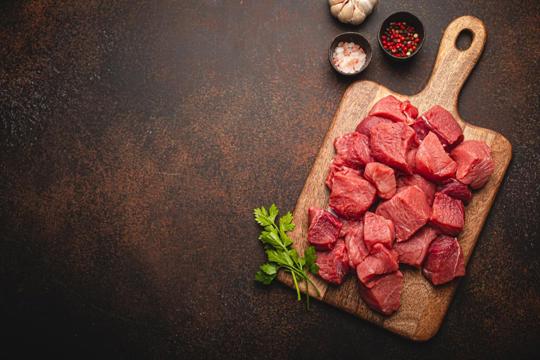
Kobe beef and regular beef have some similarities.
They come from cattle, provide protein, vitamins, and minerals - for a closer look at how breed and grade affect similarity, see Angus vs Choice beef comparison.
Both can be cooked in different ways - grilling, roasting.
They have distinctive flavors, improving dishes.
But there are unique details for each type of beef - worth exploring further to comprehend the differences.
Cooking Recommendations for Kobe Beef and Regular Beef
Kobe beef and regular beef require different approaches when cooking.
Kobe beef has high marbling and tenderness, so it should be cooked for a short time, at a low temp.
This allows the fat to slowly render, creating a juicy and flavorful steak.
Regular beef can take higher temps and longer cooking times.
It's important to cook it to your desired doneness while preserving its natural taste and texture.
For Kobe beef, grilling or searing are recommended.
This seals in the juices and emphasizes the beef's flavor.
To get the perfect medium-rare or medium doneness, quickly sear both sides then use gentle indirect heat.
Use a meat thermometer to make sure you don't overcook it.
Regular beef is more versatile - and when choosing cooking liquids, a white cooking wine vs white wine vinegar comparison helps pick the best flavor direction.
To get medium-rare or medium doneness, sear it in a hot pan, then transfer to an oven.
Braising and slow roasting are great for well-done results while still keeping the meat tender and flavorful.
Kobe beef has stricter rules for production compared to regular beef.
The cattle used for Kobe must be from certain breeds, raised in Japan's Hyogo prefecture.
This leads to its exceptional taste and quality.
Kobe Beef vs Regular Beef: Which Stands Out?
Kobe Beef and Regular Beef differ in many ways.
Kobe Beef is well-known for its tenderness and flavor, as it comes from a special breed of wagyu cattle raised in Japan's Hyogo Prefecture.
Regular Beef, on the other hand, is sourced from various breeds of cattle from around the world.
Kobe Beef stands out for its careful rearing process - similar attention to technique separates classic dishes in a Coq Au Vin vs Beef Bourguignon comparison.
The cattle get personalized care, with a special diet that includes high-quality feed and occasional beer.
This helps develop the marbling and delicate texture that make Kobe Beef so unique.
Plus, strict regulations govern Kobe Beef production.
Only beef from Tajima cows raised in Hyogo Prefecture can be officially classified as Kobe Beef.
These cows must meet specific criteria, which adds an extra layer of quality control.
The most remarkable trait of Kobe Beef is its luxurious marbling.
This detailed webbing of intra-muscular fat provides a buttery tenderness when cooked properly.
Regular beef, however, has less marbling, and a slightly firmer texture. Flavor is also a major difference.
Kobe Beef offers an intense umami experience with rich, melt-in-your-mouth flavors.
Meanwhile, regular beef has a more traditional flavor, which can vary based on factors such as breed, age, and diet.
Where to Find Kobe Beef and Regular Beef?
Kobe beef and regular beef can both be found in various places, offering up distinct flavors and dining experiences.
To aid you in your search, here are some noteworthy spots to try:
- Upscale Restaurants: Look out for restaurants that specialize in Kobe beef. These usually have talented chefs who know how to get the most out of its rich taste.
- Gourmet Butcher Shops: Certain specialty butchers offer Kobe beef for sale. Here, you can buy the meat and cook it yourself at home.
- Online Retailers: In today's digital age, you can conveniently purchase Kobe beef online from certified suppliers. This allows the luxurious meat to be delivered straight to your door.
- Local Farms or Ranches: Visit local farms or ranches that raise their own cattle. These may provide an opportunity to learn more about the cattle rearing process and enjoy a farm-to-table dining experience with regular beef.
It is tricky finding genuine Kobe beef outside of Japan due to strict regulations surrounding its production and exportation.
However, many places provide excellent alternatives that offer similar flavors and indulgent experiences.
Discovering where to find Kobe beef and regular beef opens up a world of possibilities.
Whether it's a high-end restaurant, a gourmet butcher shop, an online retailer, or even a local farm, each option promises a unique cooking experience.
Let your palate guide you to savor these juicy delights.
Online Retailers: In today's digital age, you can conveniently purchase Kobe beef online from certified suppliers - compare sourcing options with a ground chicken vs ground beef comparison that outlines buying differences for common proteins.
Quality and Taste Differences: Kobe vs Regular Beef
Summing up, when comparing Kobe beef to regular beef it's clear that Kobe beef is truly in a class of its own.
With its unique production methods, distinguished marbling and can't be missed flavor, it's not hard to understand why Kobe beef has become one of the most sought after meats in the world.
For those with deep pockets who have yet to try its deliciousness, it's more than likely worth the investment - a cooking experience like no other.
Still there are alternatives for those with lower budgets or a taste for something more familiar that can be nearly just as satisfying.
At any rate, hopefully this perspective on what sets Kobe beef apart from traditional beef gave you an insight into why the luxurious product stands out above the rest.
Frequently Asked Questions
The main difference between the two is the strict regulations and standards that must be met for beef to qualify as Kobe. They share some similarities but each has qualities that make it better suited for certain recipes.
Sometimes. Kobe Beef works where Regular Beef is called for in certain dishes, but not all.
Check whether the recipe relies on a specific quality before substituting.
Cold preparations like salads and dressings often favor the option with a sharper, more defined flavor. Heat can mellow both, so the distinction matters more in uncooked dishes.
Do professional cooks prefer one over the other?
Professional preference depends heavily on the dish and cuisine style.
Each has its context where it outperforms the other, so most experienced cooks keep both on hand.
Beef suet and tallow serve different culinary roles. Beef suet vs tallow: which is better explains those uses. For cut-level comparisons, beef shoulder vs chuck: cut differences outlines which works best for braising or roasting.