
Laffa and Pita bread share the spotlight in any Middle Eastern meal. Both have roots deep in history, flavor, and versatility.
Our first encounter with Laffa had us mistaking it for a blanket rather than food. It's that big!
Pitas, on the other hand, are the perfect pocket for a treasure trove of fillings.
Split between choosing? No stress. We've got the details on these breads.
Laffa is fluffy, soft, and can wrap up your favorite ingredients like no one's business. Pita is more than just a bread; it's a utensil in disguise.
Ready for a deep-get into their doughy world? Gear up!
We're spilling all the floury details.
Laffa Bread vs Pita Bread: At a Glance
| Feature | Laffa Bread | Pita Bread |
|---|---|---|
| Origin | Iraqi and Middle Eastern cuisine | Greek and Eastern Mediterranean |
| Size | Large, flatbread-sized | Smaller, round (6-8 inches) |
| Texture | Soft, pillowy, and chewy | Lighter, forms a hollow pocket |
| Thickness | Thicker and denser | Thinner with air pocket inside |
| Cooking Method | Clay oven or hot griddle | High-heat conventional oven |
| Best For | Wrapping shawarma, scooping dips | Stuffing with fillings, sandwiches |
| Ingredients | Flour, water, yeast, salt, oil | Flour, water, yeast, salt |
What is Laffa Bread?

Laffa bread is a Middle Eastern delight.
Simple ingredients like flour, water, yeast, salt, and oil make it special.
It's cooked on a hot griddle or in a clay oven, giving it a charred flavor.
It's larger and thicker than pita bread. It's perfect for wrapping or scooping up dips.
The dough is rolled out and quickly cooked, creating a pillowy soft bread with the right amount of chewiness.
It's very versatile. It can be a wrap, sandwich bread, or torn into pieces to scoop up dips.
Its pliability and softness make it great for dishs.
After a laffa-centered meal, what goes well with lemon desserts suggests dessert flavors that pair nicely with Mediterranean menus.
What is Pita Bread?

Pita is an unforgettable bread - its versatility and uniqueness set it apart.
Flour, water, salt, and yeast are the simple ingredients used to make this unleavened flatbread.
An air-filled pocket forms during the baking process, giving it the defining characteristic of pita.
Fillings like falafel, hummus, or shawarma are easily held within its pocket.
It's rolled out thin and then baked at high temperatures - compare with lavash vs pita comparison to see how rolling and baking differ between these breads.
This causes the dough to puff up and form the pocket.
The exterior is slightly crispy, while the interior remains soft and chewy - a contrasting combination that makes it enjoyable.
Its neutral flavor allows it to be used in savory or sweet preparations.
Pita is also convenient - it has a long shelf life and can be stored for several days.
It's perfect for picnics, packed lunches, or any other setting.
Differences Between Laffa Bread and Pita
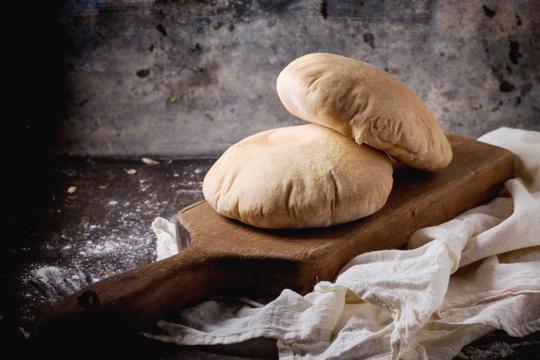
Laffa bread and pita are two popular Middle Eastern flatbreads.
They have differences.
For home bakers deciding on tools, bread machine vs stand mixer comparison explains which appliance is better suited for dough handling and consistency.
Origin and Cultural Significance
These yummy types of bread have a long history linked to multiple regions around the world.
The Middle East is the birthplace of Laffa bread.
It has been a key food for many years and is regularly eaten with traditional meals like shawarma or falafel.
It's made from wheat flour, water, yeast, salt, and sometimes olive oil.
The mix of these ingredients gives it a special taste and texture.
Pita bread, on the other hand, began in Mediterranean cuisine.
It has been a significant part of ancient Greek and Roman cultures.
Pita bread is well-known for its pocket-like shape that can be filled with various fillings such as meat, vegetables, or spreads.
It's made from wheat flour, water, yeast, salt, and olive oil.
It's softer than Laffa bread.
What makes these two breads different is their size and thickness.
Generally, Laffa bread is larger and thinner than Pita bread.
This difference affects how they're used in cooking.
Both Laffa and Pita breads have deep-rooted cultural backgrounds that greatly influence their cuisines.
Knowing their origin and importance adds an extra layer of enjoyment when savouring these pleasant pieces of culinary history.
Ingredients Used
Laffa bread and pita may look alike, but they differ in ingredients.
Laffa bread is made with flour, water, salt, and yeast.
Pita has the same ingredients plus olive oil, giving it a richer flavor and softer texture.
These breads vary in preparation, too.
Laffa is cooked on a hot griddle or stone, creating a bubbly, charred outside.
Pita is baked at high heat, which causes steam to form inside the dough and a pocket when it cools.
Regional variations can also affect taste.
Spices like za'atar or sesame may be added to laffa, while parsley or thyme may be included in pita.
Preparation and Cooking Method
The preparation and cooking of Laffa and Pita breads are distinct.
To get the best out of them, we must understand their creation techniques.
- Dough. Laffa dough has flour, water, salt, sugar and yeast. Pita dough has olive oil as well, giving it a richer taste.
- Kneading and Rising. Both Laffa and Pita go through kneading. This helps form gluten strands for texture. The dough rises until double in size. Laffa is often thinner than Pita.
- Baking or Grilling. Laffa is cooked on walls or griddles. It has a chewy texture with crispy edges. Pita is baked in an oven or grilled over an open flame.
Laffa is pocket-less, making it great for wrapping or filling.
Pita has a hollow inside, making it ideal for stuffing.
These details make them stand out and add to the dining experience.
When finishing breads or accompanying dips, white cooking wine vs white wine vinegar guide helps decide which adds the best flavor balance.
Texture and Appearance
Texture and appearance are two characteristics that make Laffa Bread and Pita distinct.
Laffa bread is soft and chewy, with a smooth look.
On the other hand, pita bread is known for its pocket-like shape.
It's light and fluffy, making it a great choice for sandwiches and dips.
Both breads have similar ingredients - flour, water, yeast and salt - they're cooked differently.
Laffa is usually baked on a hot steel dome or in a clay oven called a taboon.
This high heat gives the bread its marks and keeps it soft.
Whereas, pita bread is baked in an oven without fire or hot surfaces.
These breads also differ in versatility.
Laffa's thicker texture and smoother appearance make it perfect for wraps and loaded dishes like shawarma or kebab platters.
It can hold several ingredients without tearing apart.
Meanwhile, the pocket-like structure of pita bread is ideal for falafel, grilled meat, or vegetables.
Laffa and pita have similarities but their texture and appearance set them apart.
You'll need to decide which one you prefer based on your culinary preferences and the dish you plan to make.
Similarities Between Laffa Bread and Pita Bread

Laffa and pita bread are quite similar.
Both are flatbreads from the Middle East and often eaten as a staple.
They are alike in terms of shape, texture, and flexibility in cooking - see flatbread vs bread comparison for a closer look at how flatbreads relate to loaves.
The round shape and soft texture of these breads comes from basic ingredients like flour, water, yeast, and salt.
The dough is rolled out thinly and then baked at high heat which results in a pocket-like shape.
Both laffa and pita can be used to wrap up fillings such as falafel, kebabs, and Mediterranean dips like hummus and baba ganoush.
They can also be torn into smaller pieces to be served as sides or for dipping into sauces or gravies.
Although there are some minor distinctions between laffa and pita, such as size and thickness, they are usually interchangeable in recipes.
Laffa and pita have more similarities than differences.
Their Middle Eastern background and ability to be used as wraps or dippers make them great partners in dishs.
Culinary Uses and Pairings
Laffa bread and pita look similar, yet have different roles in the kitchen.
Laffa bread has a soft and chewy texture.
It's often used to wrap shawarmas or kebabs.
It can also go with hummus or as a base for pizzas.
Pita is lighter and fluffier. It's great for dipping into baba ganoush or tzatziki.
Or, fill it with falafels or create sandwiches.
Pita's pocket-forming ability provides many stuffing options.
Where to Find Laffa Bread and Pita?
Crave the flavors of the Mediterranean? You can find both laffa and pita breads at many Middle Eastern restaurants, bakeries, markets and online stores.
But what's the difference? Laffa is larger and thicker, with a chewy texture and smoky aroma.
It's cooked on a hot griddle or flame. Pita is thinner and more versatile.
It's baked in an oven or on a hot stone, making it light and fluffy.
Fill them with falafel, meats, or veg and enjoy.
If serving these breads with grilled or fried cheeses, bread cheese vs halloumi cheese comparison compares textures that pair well with laffa and pita.
Comparing Laffa and Pita Breads
Laffa bread is much bigger, chewier and thicker than traditional Pita.
It has a circular shape with an outer edge of pleated pockets that allows it to be filled with a variety of fillings.
This makes it perfect for sharing with friends during any meal, including breakfast or brunch.
However, Pita is smaller and thinner, usually no more than six inches in diameter, making it perfect for individual portions.
It often has no pockets like laffa bread does.
No matter which type of flatbread you prefer, they are both versatile enough to be used for lots food combinations that will significantly improve the flavor of your meal.
Frequently Asked Questions
Laffa bread is larger, thicker, and softer with a chewy texture, cooked in a clay oven or on a griddle. Pita bread is smaller, thinner, and forms a hollow pocket when baked in a high-heat oven.
Laffa is best for wrapping and scooping, while pita is ideal for stuffing with fillings.
Yes, laffa bread works as a pita substitute for wraps, dipping, and serving alongside Middle Eastern dishes. However, laffa does not form a pocket like pita, so it is better suited for open wraps rather than stuffed sandwiches.
Which is healthier, laffa or pita bread?
Both are similar in nutrition since they use basic bread ingredients.
Laffa typically contains a small amount of oil, making it slightly higher in calories.
Pita bread, especially whole wheat varieties, is usually the lighter option.
Shelf life differs based on processing and packaging. One often keeps longer unopened, while the other may need refrigeration or faster use after opening.
Which one is more forgiving in recipes?
One tends to perform more consistently across a range of cooking methods, making it the safer choice when experimenting.
The other delivers stronger results in specific applications.
For regional loaf comparisons, Italian vs French bread comparison outlines texture and crust differences. For technique-focused choices, no-knead vs traditional methods explains pros and cons of each approach.