Ever faced the dilemma in the kitchen, lemon extract or lemon zest?
Two giants in the battle for citrus supremacy. Lemon extract, potent and packed in tiny bottles.
Zest, with its bright color and tangy bite, whispers of summers and lemonade stands.
I remember my first lemon cake debacle. Thought extract and zest were interchangeable.
Spoiler: they're not. Our cake tasted like lemon-scented floor cleaner.
Learn from our mishaps. We're here to peel back layers on this zesty issue.

What is Lemon Extract?

Lemon Extract is a concentrated flavoring agent, made by extracting essential oils from the lemon.
It is commonly used in baking and cooking to impart a citrusy flavor without adding any additional liquid.
The extraction process involves soaking lemon peels in alcohol, which eventually draws out the oils from the zest - see yuzu vs lemon comparison guide for how other citrus aromas compare.
The resulting solution is then filtered and bottled for use.
Unlike lemon zest, which only offers a subtle citrus aroma and flavor to dishes, a small amount of Lemon Extract goes a long way in improving the palate.
However, not all Lemon Extracts are created equal; some commercially available products have additives or synthetic flavors that may alter the taste of one's recipe.
What is Lemon Zest?

Lemon zest is the outer layer of the lemon peel that contains fragrant essential oils and adds a tangy flavor when used in cooking or baking.
It is grated from the peel of fresh lemons, usually using a fine grater or zester.
The zest can be used in a variety of recipes such as cakes, cookies, sauces, and marinades to add a pop of citrus flavor.
Its unique taste and aroma make it a popular ingredient in many dishes around the world.
When using lemon zest, it's important to avoid grating too deeply and including the bitter white pith underneath.
To prevent this, use only the bright yellow outer layer of the peel and stop grating before reaching the white pith.
As an alternative, you can also buy pre-made lemon zest from most grocery stores if you need a lemon zest vs juice comparison for convenience.
In addition to its culinary uses, lemon zest also has health benefits due to its high concentration of antioxidants and anti-inflammatory properties.
It has been shown to aid digestion, reduce inflammation in the body, improve skin health, and boost immunity.
So next time you need a pop of citrus flavor or want to add some healthy benefits to your meal, consider using lemon zest as an alternative to other flavorings like lemon extract.
Differences Between Lemon Extract and Lemon Zest

Using Lemon Extract or Lemon Zest in cooking is a common way to add citric flavor to dishes - compare lime vs lemon comparison for choosing citrus when recipes call for alternate fruits.
However, there are some significant differences between the two that make them unique in their own ways.
Lemon Extract is made by adding the essential oils of lemons to alcohol, whereas Lemon Zest is produced by grating only the outermost layer of a lemon's peel.
Lemon Extract is more concentrated than Lemon Zest and has a stronger taste.
It can be used in small quantities to give food an intense citrus flavor without adding bulk.
On the other hand, Lemon Zest adds both flavor and texture to foods due to its fibrous nature.
It gives food a natural lemony taste with little added sweetness.
Another important aspect is how each ingredient shall be used while cooking.
For example, when baking cakes and cookies, one should use Lemon Extract rather than Lemon Zest as it would impart better flavor without affecting texture.
Conversely, for savory dishes like pasta, salad dressings or marinades, using fresh Lemon Zest could work wonders.
Overall, both ingredients have their own desirable properties and health benefits but need to be carefully incorporated into recipes based on what works best for individual needs.
Extraction Process
The process of obtaining lemon extract involves soaking lemon zest in a solvent, usually alcohol or glycerin, to pull out the essential oils and flavor compounds.
The resulting liquid is then filtered and concentrated through evaporation.
This method provides a highly concentrated lemon flavor that can be used for baking, cooking, or making cocktails.
Lemon zest, on the other hand, is obtained by using a grater or zester to remove the outer layer of the lemon peel.
This provides small flavorful pieces of zest that can add aroma and taste to dishes.
While both lemon extract and zest provide a pop of citrus flavor, their uses differ in various recipes.
Lemon extract works well in baked goods where a concentrated flavor is needed without adding extra moisture.
Lemon zest adds depth of flavor and texture to recipes such as salads, dressings, marinades, and desserts.
Overall, the choice between lemon extract and zest depends on personal preference or recipe requirements.
However, while extract contains higher concentrations of essential oils, it lacks the natural complexity that fresh zest offers.
Flavor Intensity and Usage
For those seeking to add a tangy burst of citrus flavor to their meals, both lemon extract and lemon zest offer distinctive options.
Flavor intensity and usage are important factors in deciding which one to use for culinary purposes.
Lemon zest, the thin outer layer of the fruit's peel, provides a more subtle flavor than lemon extract - read extract vs flavor breakdown for how concentration changes perception.
It contains natural oils and is useful in recipes like baked goods and salads.
On the other hand, lemon extract is highly concentrated with a potent aroma ideal for recipes that require an intense lemon flavor such as marinades or dressings.
Texture and Application
The texture and usage of lemon extract versus lemon zest can vary greatly in cooking and baking.
While the extract provides a concentrated flavor with added liquid, the zest adds a more subtle but fresh taste with added texture.
Extract is ideal for recipes that require a strong lemon flavor without adding too much liquid.
On the other hand, zest works well in recipes that need a lighter touch of lemon or where the texture will not be affected by extra particles.
Also, when using zest, it is important to only use the outer layer of the fruit's skin to avoid bitterness from the white pith underneath.
In contrast, extracts typically have alcohol as their base, which may not be suitable for certain dishes like those for children or non-drinkers.
It is also important to note that some recipes call for both extract and zest for an optimal balance of flavor and texture.
In summary, understanding how each ingredient affects your recipe's outcome is important to achieving your desired result when using lemon extract versus lemon zest.
Consider the recipe's requirements and adjust accordingly based on personal preference.
Similarities Between Lemon Extract and Lemon Zest
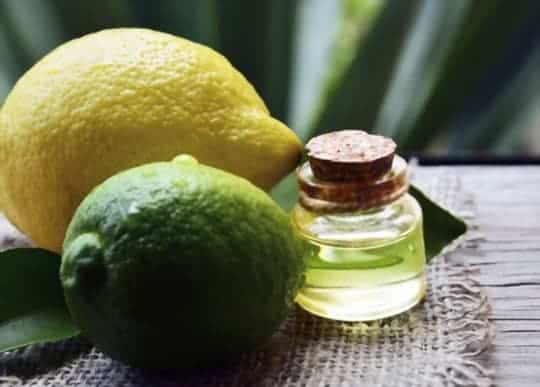
Lemon extract and lemon zest share some common traits that make them ideal for a wide range of culinary applications.
Their acidic, citrusy flavors are perfect for improving the taste of baked goods, dressings, marinades, and sauces.
Both of these options offer convenience to home cooks who want to introduce a lemony punch into their dishes without having to deal with fresh lemons' tedious preparation process - similar anise seed vs extract comparison shows how seed and extract forms compare.
In addition to infusing a nice tanginess into food preparations, using either lemon zest or extract contributes some nutritional value.
They contain vitamins, minerals and antioxidants which provide many health benefits like aiding digestion, improving heart health and boosting the immune system.
Also, they both have an intense aroma that adds a zesty freshness to any recipe they are added in.
While there are several similarities between Lemon Extract and Lemon Zest that make them viable alternatives to fresh lemons, each product has unique characteristics that determine its suitability for specific recipes.
Understanding these differences can help in selecting the right ingredient for the dish at hand without compromising on quality or taste.
Benefits and Uses of Lemon Extract
Lemon essence is a versatile and widely used ingredient in various culinary preparations, especially cakes and confectioneries.
It not only adds a delicate citrusy flavor to dishes but also imparts an aroma that tantalizes your senses.
Here are a few significant benefits and uses of lemon extract:
- Baking: Lemon extract is commonly used as a substitute for fresh lemons or lemon zest in baking recipes such as cakes, cookies, and pies. It provides an intense lemon flavor that can improve the taste of your baked goods.
- Beverages: You can use lemon extract to make refreshing and zesty drinks like lemonade, cocktails, and iced tea. It adds a tangy kick to your beverages without the hassle of juicing lemons.
- Sauces and Dressings: Lemon extract can be added to sauces, marinades, salad dressings or vinaigrettes to provide a bright citrusy note that complements other ingredients.
Also, unlike fresh lemons or zest that tend to spoil quickly if not used immediately, lemon extracts have a long shelf life when stored properly in a cool and dry place.
Hence, it's excellent for stocking up as part of your pantry essentials.
Baking: Lemon extract is commonly used as a substitute for fresh lemons or lemon zest in baking recipes such as cakes, cookies, and pies - see vanilla extract vs powder comparison for another extract-versus-dry-ingredient example.
Benefits and Uses of Lemon Zest
Lemon zest is a flexible ingredient that can be used in a variety of dishes for its intense lemony flavor and aroma.
It contains essential oils and nutrients that provide several benefits to our body.
Here are some advantages of using Lemon Zest.
- Boosts Immunity: Lemon zest contains vitamin C, which is essential for the immune system. It helps fight against colds, flu, and other infections.
- Enhances Flavor: Adding lemon zest to salad dressings, marinades, sauces, and baked goods enhances their flavor and makes them more refreshing.
- Reduces Waste: You can use every part of the lemon by zesting it. This reduces waste and makes good use of the fruit's valuable nutrients.
Zesting a lemon can be done easily with a grater or zester - for storage and intensity differences, see dried vs fresh zest comparison.
It's important to wash your lemons thoroughly before zesting them as they can contain pesticides or wax.
Using Lemon Extract as a substitute for lemon zest may seem like an easier option; however, it doesn't provide the same intense flavor as the actual citrus peel.
Also, store-bought extract contains artificial flavors and additives that can compromise the dish's quality.
Flavor Impact: Lemon Extract vs Lemon Zest
After comparing Lemon Extract and Lemon Zest, it is clear that both have unique benefits depending on your needs.
Lemon zest is ideal for fresh citrus flavor in baking or cooking, while lemon extract is perfect for adding a concentrated lemon taste without altering the texture of your dish.
Choose wisely by considering texture and concentration requirements.
Frequently Asked Questions
Differences Between Lemon Extract and Lemon Zest Using Lemon Extract or Lemon Zest in cooking is a common way to add citric flavor to dishes. They share some similarities but each has qualities that make it better suited for certain recipes.
They can stand in for each other in a pinch. Lemon Extract and Lemon Zest overlap in some uses, but the flavor or texture will shift.
Adjust quantities to taste.
Shelf life differs based on processing and packaging. One often keeps longer unopened, while the other may need refrigeration or faster use after opening.
Which one is more forgiving in recipes?
One tends to perform more consistently across a range of cooking methods, making it the safer choice when experimenting.
The other delivers stronger results in specific applications.
Savory Alternatives: 5 BEST substitutes for preserved lemon provides options for briny citrus. 5 BEST substitutes for lemon peel lists peel swaps that match texture and flavor needs.