
You can replace instant tapioca with tapioca flour or cornstarch, and the amount depends on the thickener and the dish.
- Tapioca flour swaps by weight, and you use about 2½ tablespoons for every 2 tablespoons (calculated).
- Cornstarch needs a different amount for each fruit, and the pie chart further down gives each one.
- Ground pearl tapioca works too, though you will see tiny gelatinous spheres in the filling.
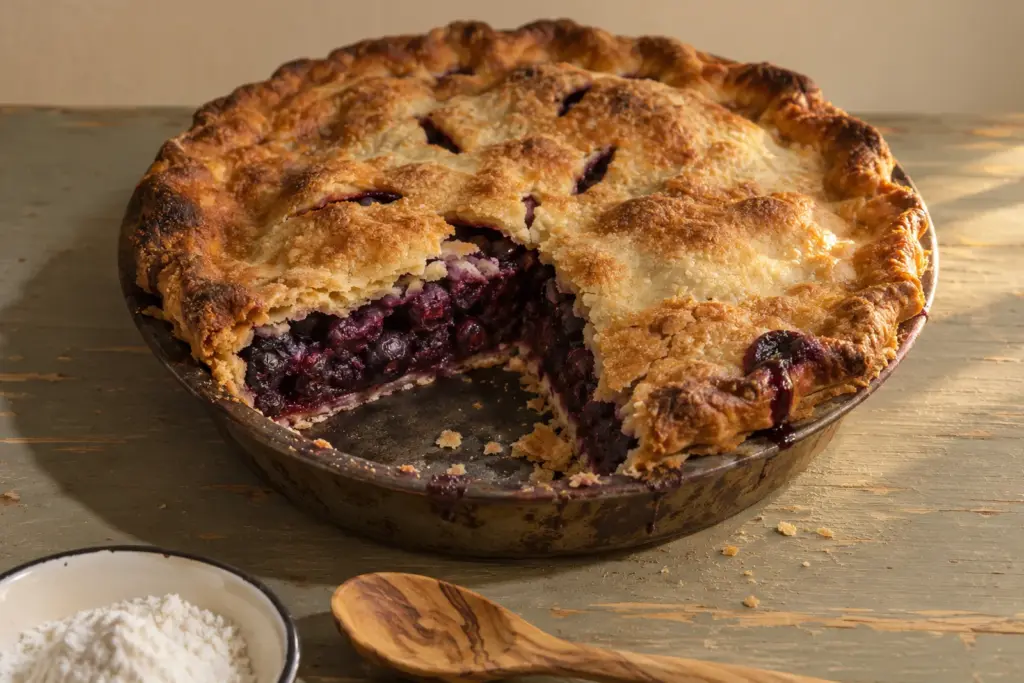
Instant tapioca, sold as Minute Tapioca or quick-cooking tapioca, is one of the baking and pantry staples with several workable swaps. Which one you reach for depends on whether you are thickening a fruit pie, a stew or a pudding.
What Does Instant Tapioca Do in a Recipe?
Instant tapioca is a coarsely ground, precooked starch from the cassava root that thickens the juice, broth or milk around the food. King Arthur describes a filling made with it as bright and clear, with a stippled and somewhat sticky texture, and says you let the filling rest 15 to 30 minutes before baking so the granules soften.
If you swap in cornstarch or flour, King Arthur says the filling turns cloudy and semi-transparent, while tapioca keeps it clear.
Kraft lists soy lecithin in Minute Tapioca and marks it as containing soy, so a plain starch swap also removes that soy ingredient. If you avoid another allergen, you still need to read the label of the starch you buy.
7 Best Substitutes for Instant Tapioca
The amounts below come from King Arthur, Bob's Red Mill, America's Test Kitchen and Iowa State Extension, and no source gives one conversion that fits every fruit. Wherever you see the word calculated, the number is worked out from those sources instead of quoted.
| Swap | Amount | Best for |
|---|---|---|
| 1. Tapioca flour | 2½ tablespoon per 2 tablespoon (calculated) | Pie, stew |
| 2. Cornstarch | Pie chart; start 1:1 in stew (assumption) | Pie, stew |
| 3. Instant ClearJel | Pie chart | Frozen pies |
| 4. Ground pearl tapioca | Same weight as instant | Pie |
| 5. Arrowroot | Same as cornstarch | Tart fruit |
| 6. Potato starch | 1¾ tablespoon per 1 tablespoon cornstarch | Late stew |
| 7. All-purpose flour | Pie chart | Last resort |
1. Tapioca Flour
Tapioca flour is the closest swap because it is the same cassava starch, only raw and finely ground where instant tapioca is precooked and granular, and many bags label it tapioca starch. In a cherry pie, America's Test Kitchen weighed tapioca flour to match 2 tablespoons (19 grams) of Minute tapioca and got great results.
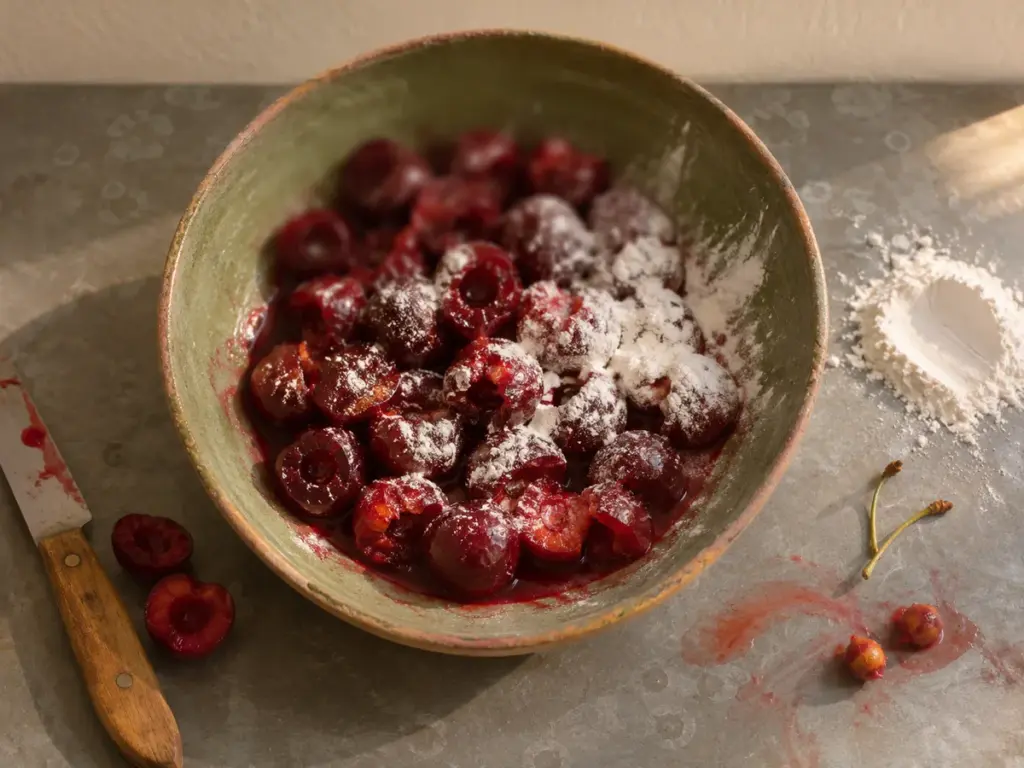
The Bob's Red Mill tapioca flour label prints 4 teaspoons as 10 grams, so you need about 2½ tablespoons of tapioca flour for every 2 tablespoons of instant tapioca (calculated: 19 g ÷ 10 g × 4 teaspoon = 7.6 tsp). A scale gives you a closer match than a spoon here, since America's Test Kitchen matched the two by grams.
Tapioca starch gives sauces a shiny gloss, according to Bob's Red Mill, and it goes into anything hot as a slurry.
2. Cornstarch
Iowa State Extension says instant tapioca can replace cornstarch 1:1 in most recipes, and it does not give the reverse swap.
In a fruit pie the match shifts with the fruit. King Arthur's chart lists ½ teaspoon of cornstarch per cup of apples against ¾ teaspoon of quick-cooking tapioca, but 2½ teaspoons against 1¼ teaspoons for cherries.
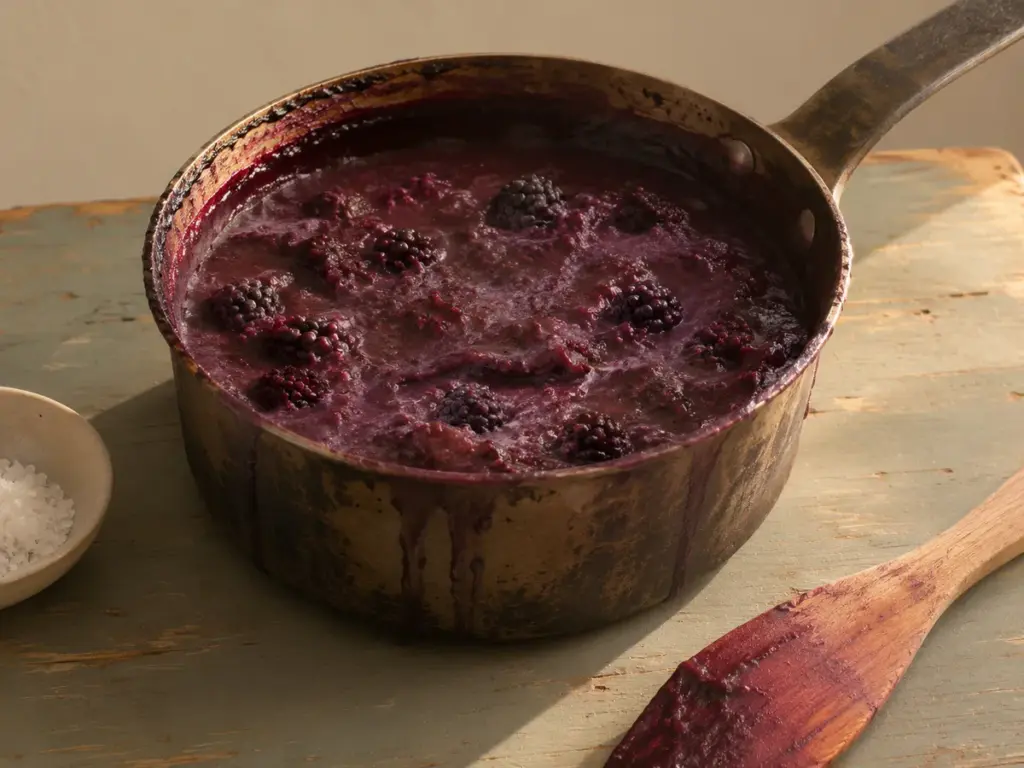
On top of the cloudy look, King Arthur notes that cornstarch can leave a starchy taste in the filling.
Bob's Red Mill says it breaks down with long cooking and does not work well with acidic ingredients. King Arthur still lists it for cherry and blueberry pies, and you know a cornstarch pie is done when the filling bubbles up through the crust.
3. Instant ClearJel
King Arthur's ClearJel page calls for the same amount of Instant ClearJel as cornstarch or tapioca, yet its pie chart lists about double the tapioca amount for cherries (2½ teaspoons per cup against 1¼), so the fruit you bake decides the amount.
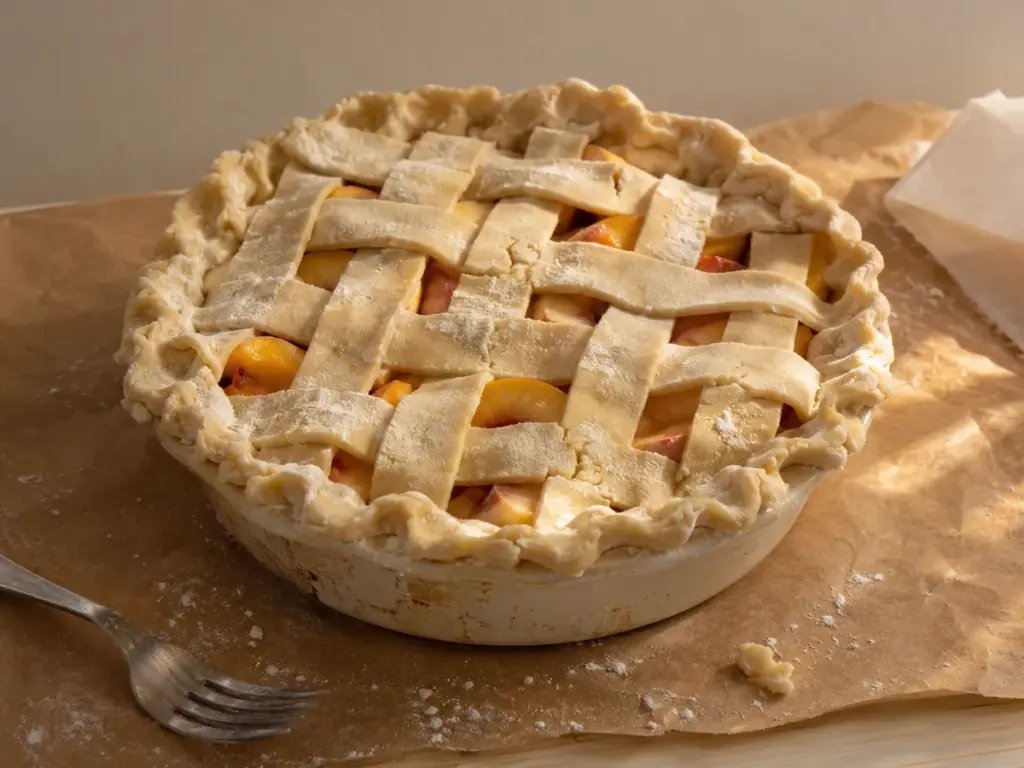
ClearJel is a modified cornstarch, and King Arthur's pie comparison called it a top choice for a clear, stable filling.
King Arthur's guide lists it for pies frozen before or after baking, while Bob's Red Mill says plain cornstarch breaks down with freezing. That makes ClearJel the pick when your pie is headed to the freezer.
4. Ground Pearl Tapioca
Pearl tapioca, the round kind sold for old-fashioned pudding, thickens a filling once you grind it. In a cherry pie, America's Test Kitchen matched 2 tablespoons of Minute tapioca with 19 grams of ground pearl tapioca and got great results, with one difference: the filling had minuscule gelatinous spheres.
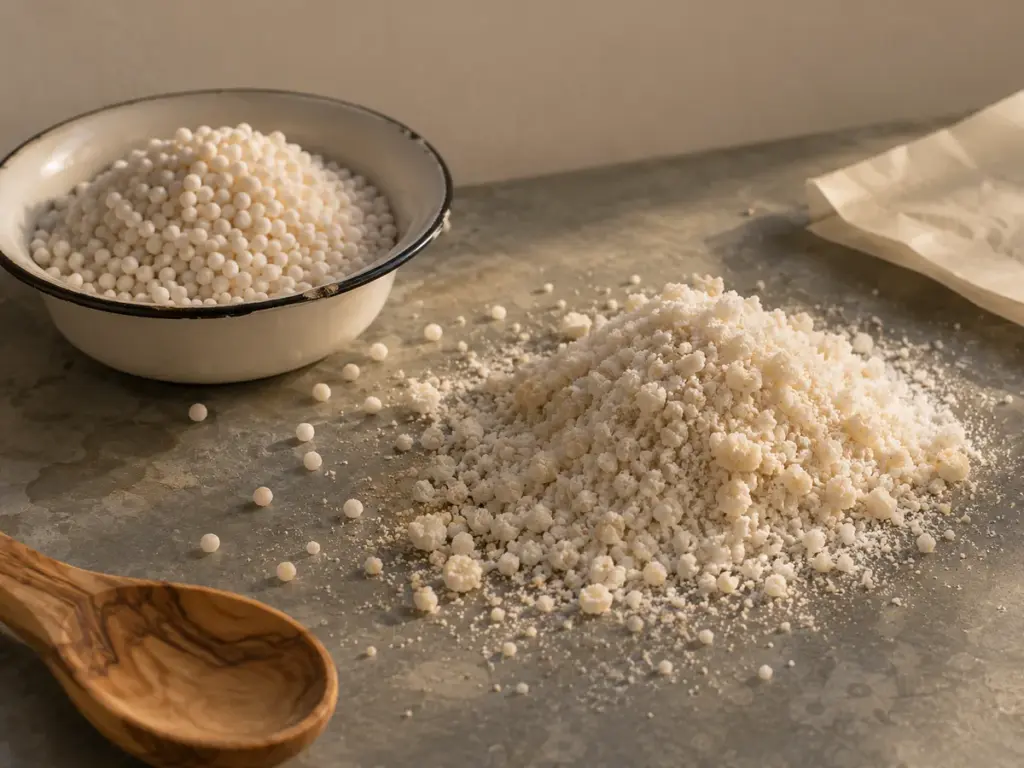
America's Test Kitchen also says pulverizing Minute tapioca in a spice grinder helps it dissolve. We'd grind the pearls as fine as the grinder allows, then weigh out 19 grams for every 2 tablespoons of instant tapioca.
5. Arrowroot
Arrowroot starch is a 1:1 swap for cornstarch in Bob's Red Mill's guide. Bob's gives no pie amount, so for a pie you'd use the cornstarch amount King Arthur's chart lists for your fruit.
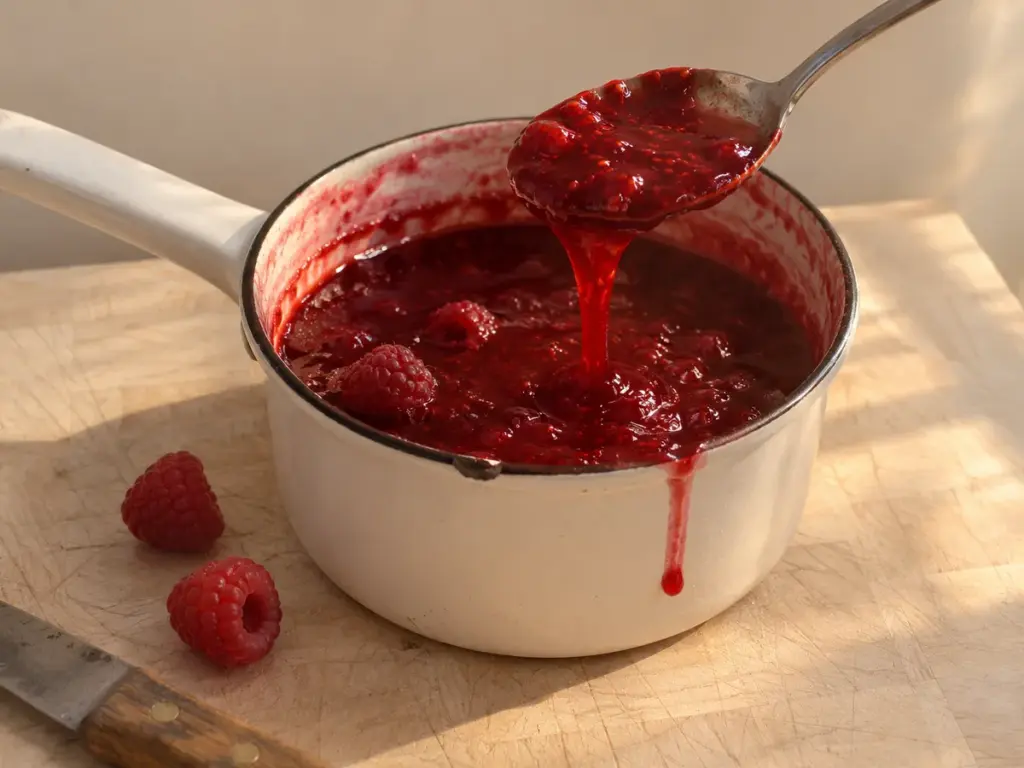
Arrowroot works well with acidic ingredients such as lemon curd and gives a shiny gloss, according to Bob's, which suits tart fruit sauces. It loses its binding power with long, high-temperature cooking and may curdle milk-based cream sauces, so you add it to a stew at the end and leave it out of a milk pudding.
6. Potato Starch
In the Bob's Red Mill conversion, 1¾ tablespoons of potato starch replace 1 tablespoon of cornstarch. For the cherry row in the chart (2½ teaspoons of cornstarch per cup), you land at about 4⅜ teaspoons (calculated: 2½ × 1¾).
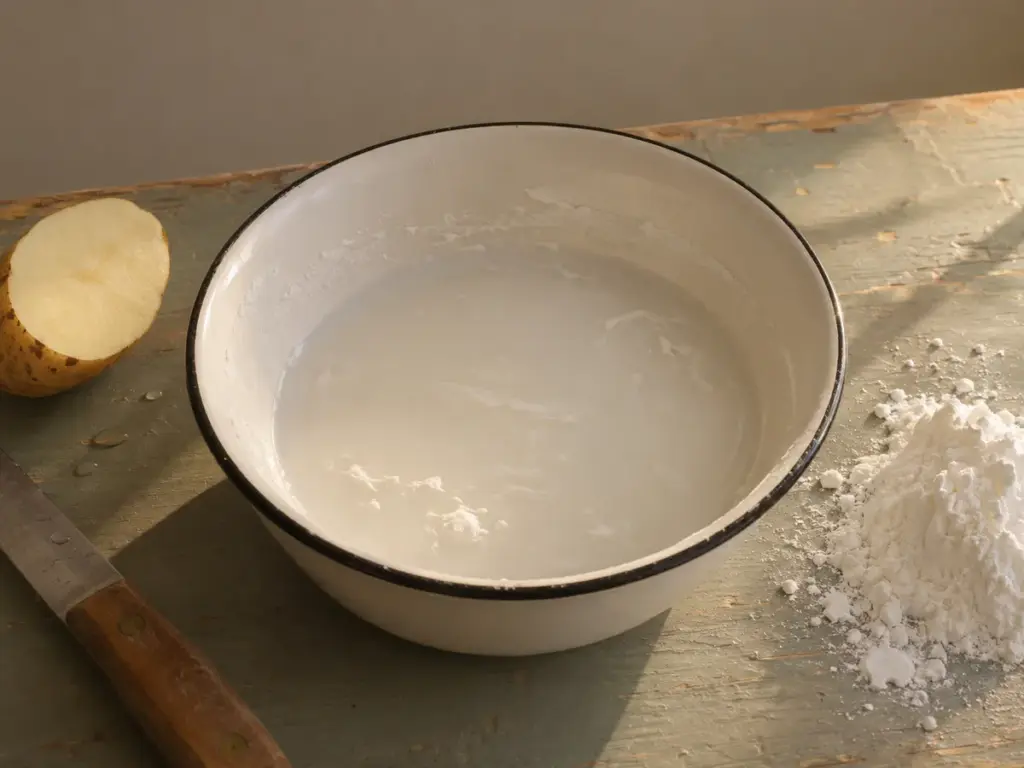
Potato starch has a neutral flavor and handles low-to-moderate heat, but it eventually breaks down in boiling liquid, so you stir it into a stew at the end and keep the pot at a gentle simmer.
The word starch on the bag matters when you shop, because Bob's says potato flour has a strong potato flavor and cannot replace potato starch.
7. All-Purpose Flour
Flour is lower in starch, King Arthur says, so you need more of it, and its chart lists about two to two and a half times the tapioca amount for cherries, blueberries and apples (calculated from the chart: 1 tablespoon against 1¼ teaspoons for cherries).
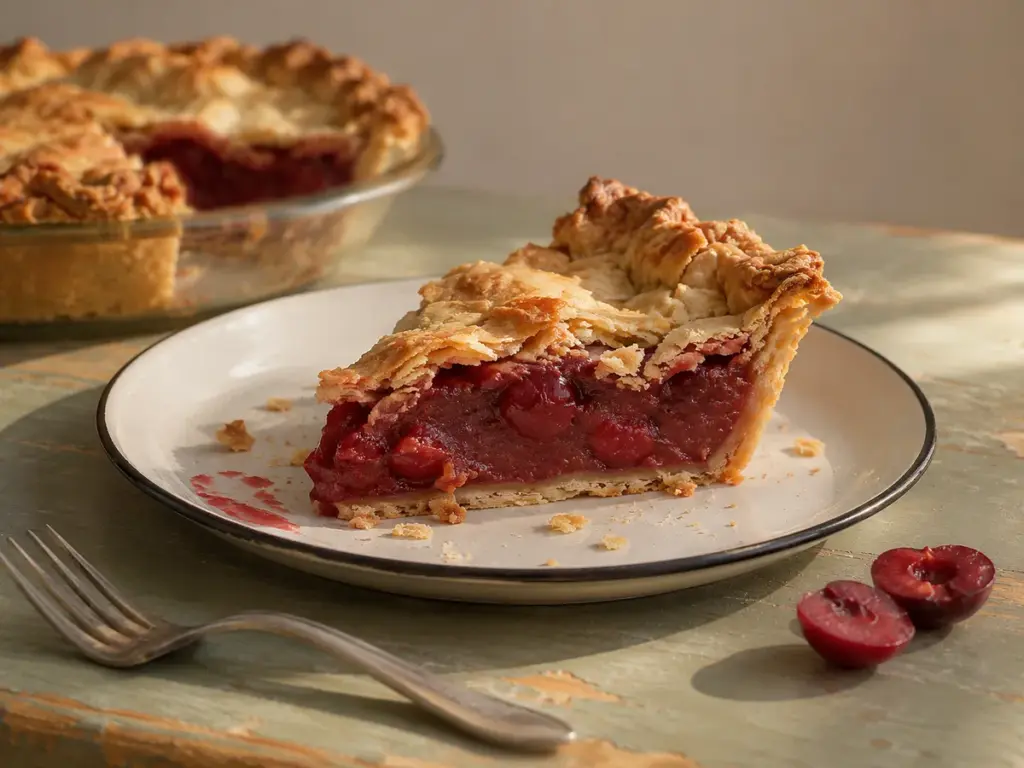
In King Arthur's comparison the flour filling was the cloudiest and had a faintly starchy mouthfeel that was not noticeably unpleasant. Flour also contains wheat, so if you avoid it, one of the thickeners that are not flour is the better route.
How Much Thickener Does a Fruit Pie Need?
King Arthur's chart gives amounts per cup of fruit, and a 9-inch pie holds 8 cups. You find your fruit's row, then read across to the thickener you have.
| Fruit (1 cup) | Quick tapioca | Cornstarch | Flour | ClearJel |
|---|---|---|---|---|
| Apples | ¾ tsp | ½ tsp | 1¾ tsp | ½ tsp |
| Cherries | 1¼ tsp | 2½ tsp | 1 tbsp | 2½ tsp |
| Blueberries | 1½ tsp | 2½ tsp | 1 tbsp | 2 tsp |
| Peaches | 1½ tsp | 2½ tsp | 2½ tsp | 2½ tsp |
For blackberries and raspberries you use 1 tablespoon per cup of both quick-cooking tapioca and cornstarch, and strawberry-rhubarb needs the most quick-cooking tapioca of any fruit in the chart (2½ teaspoons per cup).
- Juicy fruit: King Arthur raises the thickener by about 25% when your fruit is particularly juicy, and frozen berries release even more liquid.
- Top crust: a lattice, streusel or cutout top lets steam escape, so you need a bit less thickener than under a solid crust.
- Before you cut it: the pie has to cool first, which can take many hours in warm weather.
Which Swap Works for Stew and Pudding?
Stew
Kraft's Easy Beef Stew has you mix 2 tablespoons of Minute Tapioca into the casserole at the start with 2 pounds of beef, 2 cups of broth and the vegetables, then bake it at 300°F for 2½ to 3 hours. The recipe adds ¼ cup for a thicker gravy.
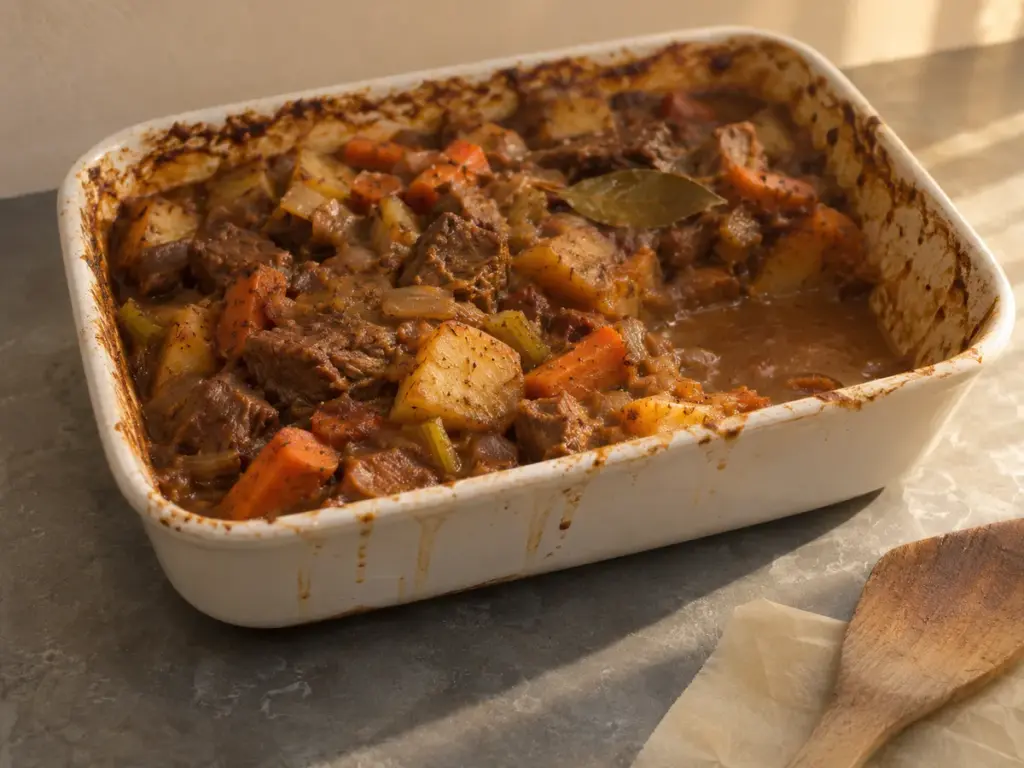
A long bake is hard on a pure starch, which matters when you make stews that simmer for hours. According to Bob's Red Mill, cornstarch breaks down with long or high-temperature cooking, arrowroot loses its binding in the same conditions, and potato starch eventually breaks down in boiling liquid.
None of these sources gives a stew method for the swaps, so this is our judgment: we'd stir the starch in as a slurry near the end, with the same amount of cornstarch as tapioca or the 5:4 tapioca flour amount, and simmer until the gravy coats a spoon.
Pudding
In Kraft's Minute Tapioca pudding you stir 3 tablespoons into 2¾ cups of milk with ⅓ cup sugar and 1 beaten egg, let it stand 5 minutes, and cook it on medium heat to a full boil, then add 1 teaspoon of vanilla off the heat. No source converts that recipe to another starch.
Pearl tapioca has its own recipe, in which Bob's Red Mill soaks ⅓ cup of small pearl tapioca in ¾ cup of water for 30 minutes and then simmers it in 2¼ cups of milk for 10 to 15 minutes, so you would follow that recipe from the start.
Which Swaps Should You Skip?
- Cassava flour: Tasting Table says it is ground from the whole root with its fiber while tapioca is only the extracted starch, and no source gives a swap amount.
- Whole pearls by the spoonful: Iowa State says the tapioca types are not interchangeable, so you grind pearls and weigh them.
Sources
- King Arthur Baking: Pie Thickener Guide and chart
- King Arthur Baking: Pie Filling Thickener comparison
- King Arthur Baking: Instant ClearJel
- America's Test Kitchen: Thickening Pies with Types of Tapioca
- Iowa State University Extension Answer Line: Tapioca
- Bob's Red Mill: All About Starches
- Bob's Red Mill: Tapioca Flour
- Bob's Red Mill: Old Fashioned Tapioca Pudding
- Kraft Heinz: Minute Tapioca Pudding
- Kraft Heinz: Easy Beef Stew
- Kraft Heinz: Minute Tapioca product page
- Tasting Table: Tapioca vs. Cassava Flour

Food writer at GustoMeadow. Writes ingredient substitutes, food comparisons, taste guides and storage guides for home cooks.
Storage and food-safety numbers follow USDA, FDA and university extension guidance.



