
Summary of key points
The main difference between Makgeolli and Soju is that Makgeolli is a traditional Korean rice wine, while Soju is a clear distilled spirit.
Makgeolli has a milky white appearance and a slightly sweet taste, making it easy to drink and popular among younger generations in Korea. On the other hand, Soju has a higher alcohol content and a more intense flavor, often likened to vodka.
Both Makgeolli and Soju are commonly consumed in social settings in Korea, but their tastes and serving styles may vary.
Makgeolli and Soju are staples in Korea. Makgeolli is that milky, slightly sweet traditional rice wine.
We love it.
And then, there's Soju. T4Crystal clear, it sneaks up on you, smooth but potent.T5
Our nights out often start with choosing between the two. It's not just about picking a drink.
It's a vibe. Go traditional or party hard?
It's our call.
Our first encounter? A quiet evening, Makgeolli seemed friendly.
We were wrong. It's a silent party starter.
And Soju? A party where we underestimated the guest of honor.
Every time.
Both have history, deep-rooted in Korean culture. We learned not just how to drink, but to appreciate.
What is Makgeolli?
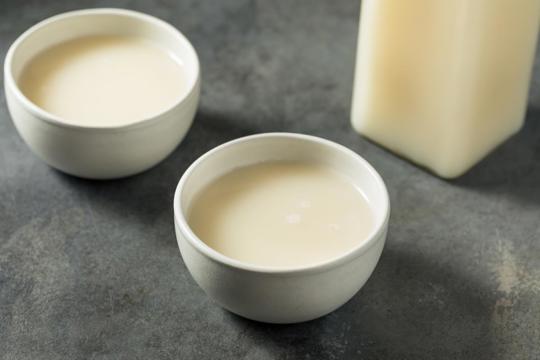
Makgeolli is a traditional Korean rice wine made from fermented rice or wheat.
It's milky-white in color with a slightly sweet and tangy flavor.
It's often referred to as "farmer's wine" due to its history with rural communities in Korea.
To make Makgeolli, nuruk (a fermentation starter) is mixed with cooked rice or wheat.
This is left to ferment for a few days.
The enzymes in the nuruk break down starches into sugars.
Then, the liquid is strained and bottled.
One thing that sets Makgeolli apart from other drinks, like soju, is its unique taste and texture.
Unlike soju, which is clear and distilled, Makgeolli is cloudy and has an effervescence.
Its alcohol content is usually 6-8%, making it ideal for social gatherings or casual drinking.
Plus, Makgeolli has health benefits.
It contains probiotics which aid digestion and promote gut health.
Some studies suggest that moderate consumption may even have protective effects against certain diseases.
Makgeolli is increasing in popularity due to its unique characteristics and cultural significance.
Enjoy it straight or mix it with juices or soda.
This traditional Korean rice wine is a nice way to experience Korean culture.
Makgeolli's tangy, slightly sweet profile can pair nicely with citrus-based desserts - lemon dessert pairings and options suggests complementary flavors.
What is Soju?

Soju is a well-known Korean distilled beverage with a long heritage.
It is made from rice, but can also be made with sweet potato or barley.
Soju is clear and its alcohol content ranges from 16-53%.
It has a smooth flavor and is relatively low-priced compared to other spirits.
One remarkable thing about Soju is its versatility.
It can be enjoyed chilled or at room temperature, or mixed with fruit juices or other flavored drinks.
Its neutral taste makes it popular for cocktails.
Soju is also important culturally in Korea.
It is often drunk at social events and celebrations, regarded as a symbol of friendship and hospitality.
There are even certain etiquette rules for drinking Soju - like pouring drinks for others before yourself.
To sum it up, Soju is more than just a beverage.
It is a representation of Korea's plentiful history and culture.
Whether you sip it on its own or use it in a cocktail, it provides a unique experience that shouldn't be overlooked.
Soju's neutral, mild flavor makes it a versatile match for rich snacks; for similar avocado-friendly pairings see guacamole pairing ideas and combos.
Differences Between Makgeolli and Soju

Makgeolli and Soju are popular Korean alcoholic drinks with distinct properties - learn how they compare to other spirits in a soju vs sake comparison guide.
Ingredients and Production
Ingredients and production are two factors that set makgeolli and soju apart.
Makgeolli is a traditional Korean rice wine.
It's made using a mix of rice, water, and nuruk.
This blend ferments for days, creating a cloudy, milky-colored beverage with a slight fizz.
Soju, on the other hand, is a clear distilled liquor.
It can be made from rice, barley, sweet potatoes, or tapioca.
Production involves fermenting the chosen ingredient, then filtering it through charcoal multiple times.
This creates a smooth and colorless spirit.
By studying their production and ingredients, one can appreciate the unique flavors of makgeolli and soju.
Alcohol Content and Strength
Makgeolli and Soju have different alcohol contents.
Makgeolli's alcohol content is generally between 6% to 8%.
Yet Soju's alcohol content ranges from 16% to 45%.
This difference in strength makes each drink unique - for more on how spirit strength varies, see a grain alcohol vs vodka comparison.
Knowing this, people can pick the beverage that suits their preference and capacity.
Remember to drink responsibly. Have a safe and enjoyable time.
flavor and Taste
Makgeolli and soju are popular Korean alcoholic beverages with distinct tastes - for more on how flavor is defined, read extract vs flavor explained.
Makgeolli has a creamy texture with a tangy, slightly sweet flavor. It also has hints of rice.
Soju, on the other hand, has a cleaner flavor and higher alcohol content.
It's often described as smooth, with a subtle sweetness similar to vodka.
Makgeolli's unique flavor comes from its natural fermentation process.
It's made from rice, water, and nuruk - a traditional Korean fermentation starter.
This results in its tangy taste with fruity or floral notes.
Soju is usually made from rice, grains like barley or wheat.
It undergoes a distillation process, which removes impurities and produces a cleaner taste.
Even with a higher alcohol content (20% - 45%), soju's character remains smooth.
Makgeolli and soju offer different experiences when it comes to flavor and taste.
It all comes down to personal preference when selecting between these iconic drinks.
Cultural Significance and History
Makgeolli and Soju have long been integral parts of Korean culture.
For over 2,000 years, Makgeolli - a milky rice wine, has been a favorite among farmers and peasants during harvest festivals.
Nowadays it is popular among the youth.
Soju, Korea's national spirit, has a clear appearance and smooth flavor.
It was initially used as a medicinal beverage during Mongolian invasions in the 13th century.
Now, it is often shared at celebrations and social gatherings.
Both Makgeolli and Soju symbolize camaraderie and unity.
They represent the nation's collective spirit and are catalysts for building relationships and strengthening bonds.
Also, both drinks have undergone changes in production techniques.
Traditional brewing methods have been preserved over generations alongside modern technology.
Thus, Makgeolli and Soju are not only beverages but important symbols of Korean culture.
Through understanding their origins, traditions, flavors, and social importance, we gain insight into the essence of Korea's heritage.
Similarities Between Makgeolli and Soju
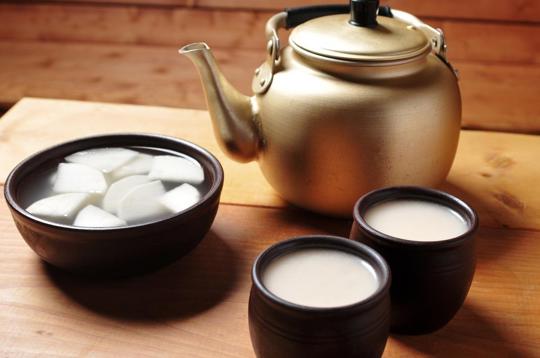
Makgeolli and soju are two traditional Korean alcoholic drinks that share some common features - compare sensory notes in a soju taste guide for similarities.
These include their fermentation process, which gives them a unique flavor, and the "sot" cups or bowls they are served in.
They're also popular social drinks, often enjoyed during celebrations and gatherings.
However, they differ in many ways.
Makgeolli is a milky, slightly sweet rice wine made from fermented rice and nuruk.
Soju is a clear distilled liquor usually made from grains like rice or barley, with a higher alcohol content.
Culturally, makgeolli has a special place in Korea's history and culture as it has been enjoyed for centuries.
Soju became more popular during the 20th century due to its low cost and versatility.
Makgeolli vs Soju: Which to Choose?
Makgeolli and Soju are two alcoholic beverages Korean people enjoy.
There are differences between them, so it can be hard to decide.
Here's what to know about each.
Makgeolli, or rice wine, is a traditional fermented rice drink.
It has a milky look and a sweet flavor.
It's made with rice, water, and nuruk (a fermentation starter).
Makgeolli's alcohol content is mild, only 6%-8%.
So, it's a good choice for those who want something light.
Soju is a distilled spirit that's popular worldwide.
It's usually made with grains like barley, wheat, or potato starches.
Soju looks like vodka but has a sweeter taste.
It has a higher alcohol content, around 16-25%, so it's stronger and can create a greater buzz.
Both Makgeolli and Soju are often enjoyed at social events or with friends and family.
The difference in their characteristics helps everyone find something that fits their preference.
Makgeolli tends to have more nutritional value because of the fermentation process.
It also affects the body less than Soju.
Popular Cocktails and Mixes with Makgeolli and Soju
Makgeolli and Soju have become popular drinks.
Makgeolli is a traditional Korean rice wine that is creamy and sweet.
It makes a great base for cocktails like the Makgeolli Mojito or Peach Melba Makgeolli Spritz.
Soju is a clear distilled liquor that has become popular worldwide.
It can be added to various ingredients to create exciting cocktails.
Try the classic Soju Martini or the sweeter Soju Strawberry Lemonade.
Unique combos can be made with both makgeolli and soju.
The Maekgoli-Soju Bomb is a favorite among Koreans.
It's a shot of soju dropped into a glass of makgeolli.
Or try the SoMaek - a blend of soju and makgeolli served over ice with fresh fruit.
If a cocktail recipe calls for rum, several substitutes can work well with makgeolli or soju - see rum substitutes for cocktails to match flavors and strengths.
Choosing Between Makgeolli and Soju
Makgeolli and soju are very similar yet still quite different drinks that offer unique qualities and flavors.
Despite both being alcoholic beverages of Korean origin, they still have enough differences in taste, brewing techniques, and function to distinguish the two.
Generally speaking, makgeolli has a more strong "homebrewed" flavor while soju has a smoother texture with less complexity.
Whether you're looking for a fruity concoction or one that can stand up to stronger flavors such as kimchi or cheesesteak, either option can be an enjoyable experience for your palate.
Also, each beverage has its own distinct role within the festivities of Korean culture.
While both may provide a delicious and satisfying drink for any occasion - the choice ultimately comes down to personal preference and what would pair best with your food and drinking partners.
Soju's place among spirits is explored further in soju vs sake comparison guide. For a broader look at spirit strengths, see grain alcohol vs vodka comparison.
Frequently Asked Questions
Unlike soju, which is clear and distilled, Makgeolli is cloudy and has an effervescence. They share some similarities but each has qualities that make it better suited for certain recipes.
It depends on the dish. Makgeolli and Soju share some overlap, but each shines in different preparations.
Swapping works best in forgiving recipes like soups or stews.
Pricing varies by brand and region, but one is typically more accessible at everyday price points. The other may cost more due to specialization or limited supply.
Is there a best time to use each one?
One shines in applications requiring subtlety and background support.
The other is better when it is meant to be a center.
Matching the right one to its role makes a noticeable difference.