
The best substitutes for Citric Acid are Lemon Juice, Lime Juice, Tartaric Acid, White Vinegar, and Apple Cider Vinegar.
Lemon juice or white vinegar, for instance, can be solid options.
For cooking, Lime Juice also works well - adjust the amount to taste.
Ever hit a roadblock in your cooking marathon because citric acid was missing?
Us too. Finding an alternative can seem like a culinary quest.
? There are some pretty epic stand-ins that have got your back.
Lemon juice or white vinegar, for instance, can be solid options. They're not just sour; they bring their own zest to the party.
Ever thought about tangy buttermilk? It can add the kick you're missing, especially in baked goods.
Then there's the unsung heroes like lime juice or even orange juice, perfect for those sweet-and-sour vibes.
We're here to guide you through this mix-and-match of kitchen hackery.
Ready to up your cooking game with these alternatives?
5 Common Replacements for Citric Acid
For those who are looking for a substitute for citric acid, it can be quite a challenge.
We have done the research and found the five best alternatives that will do the trick.
1 - Lemon Juice
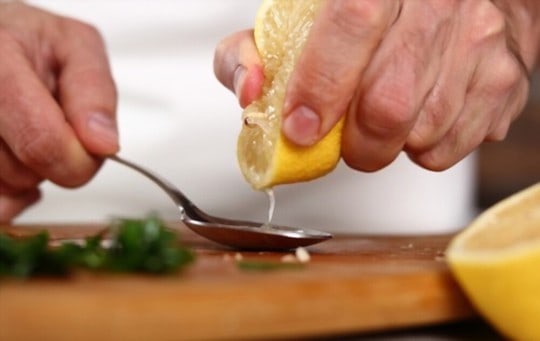
The tart and sour taste of lemon juice is unmistakable.
This liquid sunshine can be sweetened by adding it to drinks and other recipes, making it as versatile as it is delicious.
A single lemon can yield around two tablespoons of juice, which naturally contains vitamins and minerals that help promote overall health.
Used fresh or bottled, this zesty flavor enhancer adds a pop of complexity to food without overwhelming the dish's setup ingredients.
Lemon juice can also be used in place of citric acid, a common culinary ingredient added to dishes and drinks to bring out flavors that are usually too subtle when left untreated.
Whether it's jazzing up a salad, taking away fishy odor from seafood dishes, or creating a creamy topping for cloudy dessert, lemon juice makes an excellent substitute for citric acid.
2 - Lime Juice
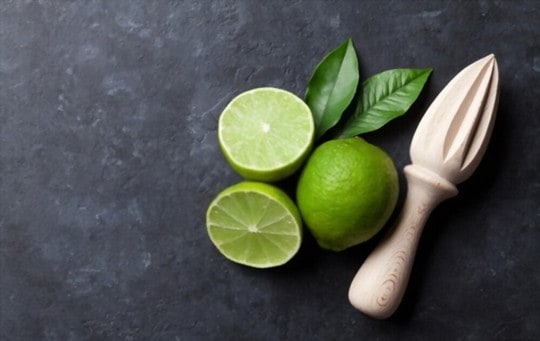
Bursting with tart and tangy flavors, lime juice is an incredibly versatile citrus solution for any recipe.
Acting as a great substitute for citric acid, you can add a punch to any kind of dish, from seafood to dessert.
Made from freshly squeezed limes, the flavor of lime juice has sweet and sour notes that can liven up your favorite meal.
It also works excellently as an ingredient for marinades, dressings, cocktails, and more dishes.
When substituting citric acid with lime juice, be sure to use half a tablespoon of lime juice for every teaspoon of citric acid needed in the recipe.
Try adding it to your next meal and discover the amazing flavor that only lime juice brings.
3 - Tartaric Acid
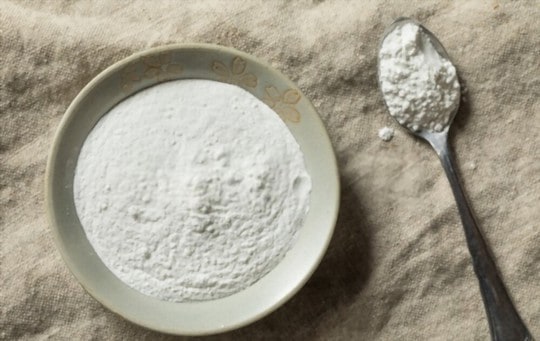
Tartaric acid, a versatile organic acid found in many natural substances such as grapes, bananas, tamarinds, and other fruits, is well-known for its unique flavor and tangy taste.
It is a colorless crystalline acid with a sour flavor and plays an important role in baking, winemaking, and food production.
Despite having an unmistakable flavor of its own, it is often used to balance or substitute the sharpness of citric acids.
It can be found in the form of purified crystals or powder, which can easily be added to dishes as it dissolves quickly when combined with water at room temperature.
As tartaric acid has less acidic properties than citric acid, it needs to be used in larger amounts when substituting citric acid - however, this may offer more depth and complexity to the overall dish.
Therefore tartaric acid is extremely versatile, improving both sweet and savory snacks to give them the perfect balance of sweet-tart flavors.
4 - White Vinegar

White vinegar, though a common staple in the pantry, often has more uses than many people might realize.
White vinegar's acetic acid content is what makes it so versatile, as this acid can be used for cleaning and can act as a powerful preservative and flavor enhancer.
White vinegar also has a distinctly tart flavor that is excellent for adding a sharp tang to both savory and sweet dishes.
For instance, it's a great replacement for citric acid when you want to add acidity from something other than citrus fruit.
The substitution ratio is simple - one teaspoon of white vinegar for every ½ teaspoon of citric acid.
With this knowledge in hand, you'll never have to worry about running out of citric acid when cooking.
5 - Apple Cider Vinegar

Apple cider vinegar is an all-natural, zesty addition to any ingredient list, offering an unusual punch flavor.
It is usually made from apple juice.
However, it can be made from a variety of other fruits as well.
The fermentation process begins with the breakdown of sugar into alcohol and then into acetic acid, which gives the vinegar its tartness and pungency.
Along with its versatility as a flavoring agent, apple cider vinegar can also be used in place of citric acid when making pickling brine or deglazing dishes such as pan-fried meats and veggies.
A little goes a long way when substituting it for citric acid - just ½ tablespoon is equivalent to 1 teaspoon of citric acid - so use sparingly.
When used correctly, apple cider vinegar can dramatically improve the taste of your favorite recipes.
You might also want to know how citric acid compares.
Frequently Asked Questions
Lemon Juice, Lime Juice, Tartaric Acid, White Vinegar, and Apple Cider Vinegar. Use it at a 1:1 ratio in any recipe that calls for Citric Acid.
Yes. Lemon Juice and Lime Juice work as direct replacements in most recipes.
Use the same quantity and adjust seasoning after tasting.
Usually not, but check moisture content. Wetter substitutes may need a slightly higher temperature or longer cook time to evaporate excess liquid and achieve the right texture.
Is the substitute appropriate for all dietary restrictions?
Check labels carefully.
Many substitutes introduce allergens or ingredients that conflict with specific diets - dairy, gluten, soy, or nuts may appear in processed alternatives.