
Summary of key points
The main difference between a milk frother and a steamer is in the end result. A milk frother uses air to create foamy, creamy milk for use in drinks like cappuccinos or lattes, while a steamer heats and scalds the milk, creating a smooth, velvety texture for drinks like hot chocolate or chai tea.
Another key difference is the type of milk used - frothers typically work best with whole or 2% milk, while steamers can handle a variety of milks including almond, soy, or oat milk. Ultimately, the choice between a milk frother and steamer will depend on personal preference and the types of drinks one enjoys making at home.
Ever stood in front of a fancy coffee machine, scratching your head? Milk frother. steamer.
T4Aren't they the same beast? Or maybe, wildly different creatures?
Well, they do share a love for milk.
Yet, how they treat it? T6Worlds apart.T7
We once thought whipping milk with a fork was peak innovation. Oh, how we've evolved.
A frother gives us that airy, cloud-like foam.
Perfect for a cappuccino. A steamer?
It's all about silky, smooth warmth, hugging your latte like a cozy sweater.
One zaps air into milk; the other heats with steamy finesse. Both aim to improve your coffee experience.
And yes, we've all burnt milk trying to master them.
That's our shared badge of honor. Now, ready to dive deep?
What is a Milk Frother?
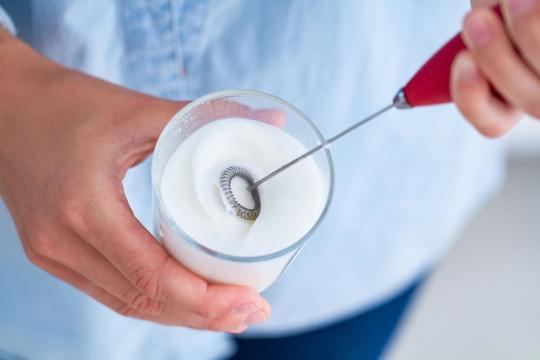
A milk frother? Yes.
It agitates milk to give a creamy, frothy texture.
Often used in coffee shops and homes to make beverages more tasty and pleasing to the eye.
The main goal? To incorporate air into the milk, forming a velvety foam that adds richness and depth.
Different types exist.
Handheld frothers - perfect for travelling or small kitchens.
They spin a whisk-like attachment when inserted into the milk, creating bubbles and foam.
Electric frothers are larger machines and often have temp control and auto shut-off.
Pour in the milk, and an internal mechanism whisks it until it's airy and fluffy.
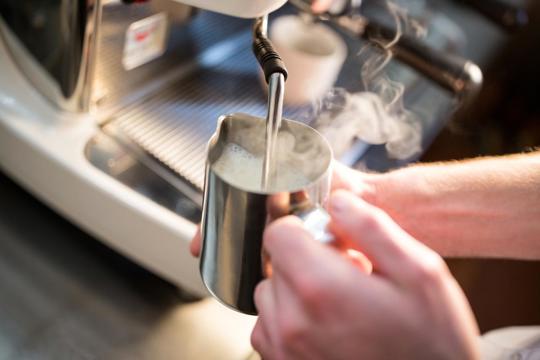
Steam wand attachments for espresso machines also form foam.
This method produces steam at high pressure, creating a dense foam with a smooth texture.
It's often used in coffee shops to make latte art or add layers of flavor.
Some milk frothers even heat the milk too.
You don't need a separate heater or stove.
Your beverage stays at an optimal temperature.
So whether you're a coffee lover or just enjoy creamy beverages, a milk frother can make your drink experience even better.
Experiment with different frothers and explore the world of frothed milky creations.
What is a Steamer?
Steamers are popular kitchen appliances for heating and cooking food.
They work by releasing hot steam, which then cooks the ingredients.
They are versatile and can be used to steam vegetables, seafood, or even leftovers.
A big advantage is that steamers retain nutrients and flavor.
The gentle heat of steam preserves delicate nutrients, while keeping flavors intact.
This makes them great for health-conscious people.
Plus, steamers are convenient and easy to use.
Many have multiple tiers or compartments, so you can cook different foods at once.
This saves time and effort in the kitchen.
Steamers are also very versatile.
You can make rice, dumplings, and even puddings.
With the right equipment and recipes, you can explore lots of culinary possibilities.
Finally, steamers are easy to clean and maintain.
Most models are dishwasher-safe or have removable parts that can be washed.
This makes cleanup after cooking quick and easy.
Differences Between Milk Frother and Steamer
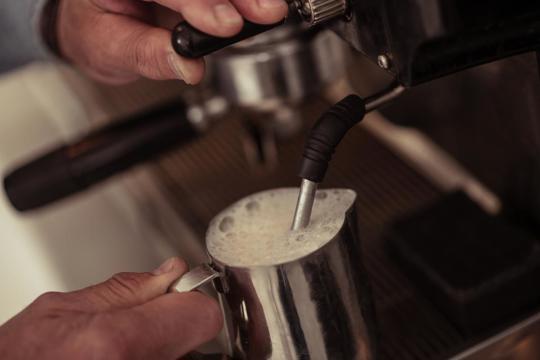
Milk frothers and steamers have become popular for making hot drinks.
But it's essential to know the difference before buying one.
Function and Purpose
Milk frothers and steamers are two different tools used in the world of coffee and drinks.
The purpose of each is to make creamy, frothy drinks.
A frother agitates milk to make it light and airy.
It's usually used for lattes, cappuccinos, and other frothy drinks.
A steamer heats and texturizes milk without introducing as much air.
That type of milk is great for flat whites or macchiatos.
Frothers and steamers differ in operation and versatility.
Frothers are handheld devices with a whisk-like attachment.
They're easy to use, affordable, and portable.
Steamers are in manual and automatic espresso machines.
They have a steam wand that shoots hot steam into the milk.
The process requires skill and practice, but it offers more control over temperature and texture.
Some espresso machines have dual-function steam wands that can act as frothers and steamers.
That's great for home baristas who want to experiment or replicate café-quality drinks.
Mechanism of Operation
Milk frothers and steamers have different methods.
Both are used to heat or froth milk, but their techniques differ.
Frothers use a whisk-like attachment that spins quickly.
This introduces air into the milk, making it creamy and frothy.
It's often preferred for lattes and cappuccinos, as it makes thick foam.
Steamers work with steam.
Hot water is heated in a chamber and pressurized steam is released through a nozzle.
This heats and froths the milk.
It offers better control over temperature.
Both are similar, there are differences.
Frothers create denser foam, while steamers are bigger and can handle more milk at once.
They're also easier to clean.
Types of Milk Used
When brewing the perfect cup of coffee, or sipping a creamy latte, the type of milk used matters.
Whole, skim, almond, and soy milk all have unique qualities that affect the taste and texture.
Whole milk is creamy, making it great for cappuccinos and hot chocolates.
Skim milk is lower in fat and calories, and still smooth.
Lactose-intolerant drinkers, or those wanting a dairy-free alternative, can choose almond or soy milk.
Almond milk adds a subtle nutty flavor and a thinner consistency.
Soy milk is creamy and works well in lattes and frothy drinks.
Frothing or steaming each type of milk requires different techniques.
Whole and skim milk froth easily - their proteins and fats create stable foam.
Almond milk takes practice but satisfactory results are possible.
Soy milk is denser and needs some practice.
Texture and Consistency of Milk
Milk's texture and consistency are key for the perfect froth or steam.
Both methods need different techniques.
With frothing, you want a light and creamy foam for drinks like cappuccinos and lattes.
It should be velvety, glossy and improve the drink's sensory experience.
For steaming, the goal is to heat and texture the milk without as much air.
This produces a dense, silky texture great for flat whites and macchiatos.
Coffee machines come with built-in frothers and steamers, some with adjustable temperature settings.
This lets you customize outcomes.
Ultimately, it's up to personal taste preferences and the beverage you're making.
Frothed milk is best for cappuccinos and lattes, while steamed milk is ideal for flat whites and macchiatos.
Experiment to find your perfect cup.
Similarities Between Milk Frother and Steamer
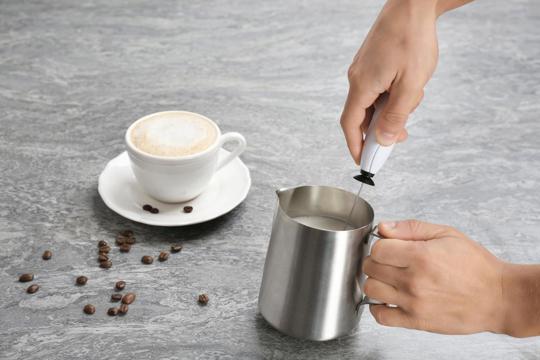
Milk frothers and steamers can look similar, but they have unique roles in coffee-making and milk-based drinks.
Both appliances heat and texture milk, but differently.
Milk frothers and steamers are often used to make frothy milk for cappuccinos, lattes, and more.
But the main difference lies in how they do it.
A milk frother uses a spinning whisk or paddle to agitate the milk - creating small bubbles to give it a creamy texture.
A steamer, though, uses steam pressure to heat the milk and add air with a wand-like nozzle - creating larger bubbles and a thicker consistency.
Both appliances are versatile.
They work with dairy milk and plant-based alternatives like almond or soy.
Plus, you can add syrups or powders to experiment with flavors.
They are also user-friendly.
Milk frothers and steamers are compact and lightweight - available in different sizes and styles to suit your needs.
The choice between a milk frother and steamer is up to you.
If you want a thick layer of micro-bubbles on top of your cappuccino or latte, go with a milk frother.
If you're into bigger bubbles with a richer drink, then opt for a steamer.
Factors to Consider When Choosing Between a Milk Frother and Steamer
When picking between a milk frother and steamer, there are several facets to consider.
First, the aim of the appliance should be taken into account.
A frother is great for making creamy foam for cappuccinos and lattes, while a steamer is better suited for heating and frothing hot drinks like chai or hot chocolate.
Another factor is the simplicity of use.
Generally, frothers are easier to use, as they require minimal effort.
Steamers may need practice and expertise to craft the right foam.
The capacity of the appliance is also relevant.
Frothers normally have a smaller capacity than steamers, which can handle more milk.
This is important if you often host or have a big family that enjoys coffee or other hot drinks.
Also, maintenance and cleaning should be thought of.
Frothers usually have detachable parts that can be quickly cleaned, whereas steamers may need more thorough cleaning due to their internal mechanisms.
Finally, cost is essential.
Frothers are usually more affordable compared to steamers, making them a great choice for those on a budget.
It's key to consider factors like purpose, ease of use, capacity, maintenance, and cost when picking between a milk frother and steamer.
Thinking of these factors will help make a knowledgeable decision that fits your tastes and needs in making perfectly frothed milk for your beloved beverages.
When to Use a Milk Frother or Steamer
After reading through this article, I hope you've gained a better understanding of the differences between a milk frother and steamer.
Although both are excellent tools that can improve the presentation of your beverage, each is best used in different occasions.
Frothing is helpful for achieving those silky microbubbles found in specialty drinks like cappuccinos while steaming increases the temperature and fluffs up cold milks for latte art.
With these two handy-dandy kitchen gadgets combined, you'll be able to craft homemade beverages better than ever before.
So whatever your milky coffee needs might be, make sure to take into consideration all information discussed above when shopping for a technology-rich drink maker.
Frequently Asked Questions
The main difference between a milk frother and a steamer is in the end result. They share some similarities but each has qualities that make it better suited for certain recipes.
In many recipes, yes. Milk Frother and Steamer fill similar roles, though each brings its own character.
Try a small test batch before committing to a full swap.
Availability varies by region. One is usually a standard grocery store item while the other may require a specialty or international market depending on where you live.
Can a beginner tell the difference by taste?
In a side-by-side tasting, yes.
The difference becomes less obvious when mixed into a recipe with other ingredients.
Most people notice the distinction more clearly on its own.