
In the great debate of breads, pita and flatbread take center stage. T4Both are staples in kitchens worldwide.
Yet, we often mix them up.
What sets them apart? We'll break it down, simple and straight.
No fancy chef talk here.
We've all been at that dinner party. You know, the one where someone claims they can "totally tell the difference" between pita and flatbread.
We roll our eyes. Yet secretly, we wonder, can they?
It's time we understood once and for all. No more pretending at parties.
After this, we'll be the experts.
What is Pita?

Pita is a Middle Eastern flatbread that has gained global fame.
It's light and fluffy, made with flour, water, yeast and salt.
After rising once, the dough is rolled out and baked until it puffs and browns.
Pita can be eaten alone or paired with dips like hummus and tzatziki.
This bread stands out from others because of its pocket.
While baking, steam creates an interior pocket.
This space can be filled with tasty ingredients like falafel and vegetables.
Tearing off small pieces and dipping them in your favorite spreads is the best way to enjoy Pita.
You can find many flavors of Pita, such as whole wheat, garlic, and cumin.
It can also be cut into wedges and baked until crispy to make pita chips.
Pita is a delicious, versatile food with a great history.
Its growing popularity is due to its versatility and flavor.
Whether you like it soft and pocketed or thin and crispy, Pita is a great way to explore cuisine without forgetting its roots.
Pita works well with both savory and sweet fillings; for dessert pairing ideas that include lemon and other citrus, see what goes well with lemon ideas.
What is Flatbread?

Flatbread's been around for thousands of years.
It's made from simple ingredients like flour, water, and salt.
It's also baked or cooked on a griddle.
Different types of flatbread vary in size, thickness, texture, and flavor.
There's Indian naan, Middle Eastern pita bread, Mexican tortillas, and Italian focaccia.
Flatbreads can be used for sandwiches, wraps, pizzas, or side dishes.
Plus, they're usually healthier than other types of bread.
They have less sugar and preservatives.
Flatbread is known for its ability to pair with sweet and savory flavors.
Naan can be eaten with curry or topped with honey and goat cheese.
Pita bread can be filled with falafel or hummus, or stuffed with Nutella and bananas for dessert.
Plain or sesame-topped - enjoyed with various toppings like hummus or guacamole pairing ideas for flatbreads; carrots or cucumber.
Differences Between Pita and Flatbread

Pita and flatbread both have been around for centuries - they look similar, yet have key differences; compare lavash vs pita comparison for regional traits to see a close example.
Origin and Cultural Significance
Pita and flatbread are two kinds of bread that are consumed around the world.
They come from different cultures and have a lot of cultural importance.
Pita, also known as Arabic bread, is from the Middle East.
Flatbread is popular in various parts of the world, like Europe and Asia.
Pita is a staple food in the Eastern Mediterranean region.
It has cultural meaning in how it's made and served.
It has two pockets that can hold a sandwich or dips.
Flatbread has a lot of cultural meaning around the world.
Every place has its own version, like naan from India or pide from Turkey.
Even though they look different, they are all cooked on an open flame or tandoor to get flavor and texture.
Flatbreads have changed over time to fit local tastes.
Mexican quesadillas or Armenian Lavash use 'flatbreads' as tortillas made with corn kernels.
They are softer than pita and don't have pockets.
Ingredients Used
Pita and flatbread look similar, but have different ingredients.
Pita is made with flour, yeast, salt, and water.
Extras like sugar or oil may be added.
Flatbread has more ingredients: flour, water, milk, yogurt, and eggs.
These ingredients give it a unique flavor and texture.
Texture and Appearance
Pitas and flatbreads might look similar.
But, upon closer inspection, they are quite different.
Pita has a pocket that sets it apart.
This is created by steam during baking.
Flatbreads don't have pockets.
Their texture and thickness can vary.
They are usually made of flour, salt, water, and olive oil.
Pita can be mild or heavily textured.
These differences in texture and appearance show that pitas and flatbreads are quite distinct.
They have distinct visual and tactile qualities.
Whether you prefer a fluffy pita pocket or a thin, crunchy flatbread is up to you.
Different cultures offer unique varieties.
For example, there's naan-like Indian bread, Aish Baladi from Egypt, and Greek pita bread.
All have their own flavors and textural experiences.
Pairing breads with dips enhances texture and flavor; explore vegan hummus recipes for pairing to find creamy options that match different breads.
Cooking Method
Flatbread and pita both have their origins in the Middle East and Mediterranean.
But, their cooking methods differ.
Flatbreads are cooked on hot surfaces like a griddle or pan, while pitas are baked in the oven.
Flatbreads come in many sizes, shapes, and textures.
They can be round or oblong, usually thinner than pitas.
Naan, for example, is cooked in a tandoor oven and may have spices or herbs on top.
Pitas, on the other hand, are known for the pocket in the center, which you can fill with different ingredients.
Nutrition-wise, there isn't much difference between the two.
Usually low in fat, high in protein - but this will depend on the ingredients used.
Really, it's up to personal preference: a softer texture (pita) or a chewier one (flatbread).
When assembling bread-based dishes, choosing between white cooking wine and white wine vinegar can subtly change the flavor profile; see white cooking wine vs vinegar comparison for flavor guidance.
Similarities Between Pita and Flatbread
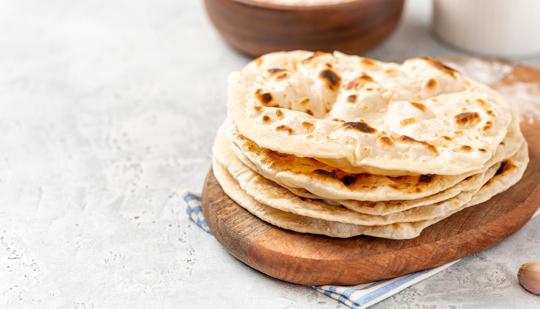
Pita and flatbread - two ancient breads enjoyed by millions globally.
Both unleavened, needing no yeast to rise.
Ingredients like flour, salt, and water, cooked at high temps.
Similar shapes - disk-like with variations in thickness, pita having an interior pocket.
Still, it's worth noting the unique characteristics each one brings.
Baking these breads - age-old method of placing on hot surface until air pockets inflate.
Making them soft, chewy, or brittle and crusty with extended baking without moisture.
Plain or sesame-topped - enjoyed with various toppings like hummus or guacamole; carrots or cucumber.
But, questions about their differences must be asked.
Originated from different regions - falafel with pita, naan with Indian curries.
Pitas have an interior pocket, flatbreads even thickness throughout - great for wraps and pizzas.
For a closer look at a similar Middle Eastern loaf and how it compares to pita, read laffa bread vs pita comparison for texture and use differences.
Regional Variations and Popular Uses
Pita and flatbread have similarities. But, they are different too.
Pita bread is popular in the Middle East and Mediterranean.
Flatbread is used in India, Mexico, and Greece. Pita is thicker than flatbread.
It has a pocket, filled with vegetables or meats. Flatbread can be thin or thick.
It is the base for dishes, like quesadillas or pizzas.
In Greece, flatbread is served with hummus or tzatziki.
In India, it is stuffed with paneer or tikka chicken.
Syrian pita bread is rolled thin. It makes many layers.
It is called lachmajo pide in Turkey, and mana'eesh in Lebanon.
It is covered in za'atar seasoning. Corn tortilla is a popular version of flatbread.
It originated from Mexico's Aztec civilization.
Indian naan bread is made with refined flour. It is served with curry.
Greek pita is usually made without oil. It is used for gyros.
Pita and flatbread have unique characteristics.
They are used for wraps, sandwiches, pizza bases, and snacks.
It depends on personal taste to enjoy crispy-thin pita, or crispy-soft flatbread.
Differences in Texture and Use: Pita vs Flatbread
Pita and flatbread? Though they look similar, they are different.
Pita bread is leavened and forms a pocket when baked.
Flatbread can be leavened or unleavened and usually doesn't form a pocket.
But, you can use either for various dishes.
Pita has more air pockets due to the way it's baked, and both are yummy and work for different cooking styles.
Frequently Asked Questions
You know, the one where someone claims they can "totally tell the difference" between pita and flatbread. They share some similarities but each has qualities that make it better suited for certain recipes.
They can stand in for each other in a pinch. Pita and Flatbread overlap in some uses, but the flavor or texture will shift.
Adjust quantities to taste.
Shelf life differs based on processing and packaging. One often keeps longer unopened, while the other may need refrigeration or faster use after opening.
Which one is more forgiving in recipes?
One tends to perform more consistently across a range of cooking methods, making it the safer choice when experimenting.
The other delivers stronger results in specific applications.
pita chips side dish ideas work well alongside many flatbreads. pita bread side dish pairings lists complementary options for meals featuring pita.