
Ever tried to tell apart Po Tak Soup from Tom Yum? We've got the scoop.
Both hail from Thailand. Po Tak brings seafood to the table; Tom Yum, often with shrimp, packs a sour punch.
We were baffled, mistaking one for the other at a tiny street food stall in Bangkok. Lesson learned - details matter.
Tom Yum's fame is global, thanks to its strong, tangy flavor. Po Tak, though less known, deserves its spotlight.
Its unique touch?
Aromatic herbs and a heap of seafood goodies.
Trust us, knowing the difference enriches your dining experience. Let's dive in.
What is Po Tak Soup?

Po Tak Soup is a famed Thai dish.
It's well-known for its aromatic flavors and spicy kick.
The soup includes seafood like prawns, fish, mussels, and squid, cooked in a delicious broth with herbs and spices.
The soup offers a mix of sour, spicy, and sweet flavors.
Lemongrass adds a citrusy aroma.
Galangal offers a subtle, earthy flavor.
Kaffir lime leaves add zesty notes.
Thai chilies provide the heat, and palm sugar brings sweetness.
Tom Yum Soup is hot and sour, with lemongrass and lime juice.
Po Tak Soup is different.
It's an explosion of diverse tastes.
Perfectly cooked seafood adds a briny element.
The mix of flavors creates a symphony on the palate.
It's invigorating and satisfying.
What is Tom Yum?
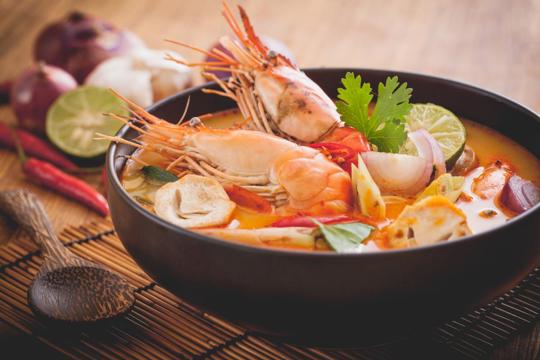
Tom Yum - a well-known Thai soup - delivers an unbeatable flavor.
It's a balanced mix of spicy, sour, and citrusy notes.
Every spoonful packs a punch.
This hot and sour dish is made with lemongrass, galangal, kaffir lime leaves, chilies, lime juice, and fish sauce.
Tom Yum's complexity stands out.
The fiery kick of chilies is balanced by the tanginess of lime juice.
Lemongrass adds a refreshing citrus aroma, while galangal provides an earthy undertone.
Kaffir lime leaves improve the fragrance and a hint of bitterness.
Together, these flavors create a unique explosion.
Western cuisine usually treats soup as a starter or appetizer.
But in Thai cuisine, Tom Yum can be enjoyed as a main course.
It's often prepared with prawns or chicken - see Tom turkey vs hen comparison for poultry options.
The rich broth satisfies.
Tom Yum also has health benefits.
The herbs and spices used in its preparation are known for their medicinal properties.
Lemongrass aids digestion and reduces inflammation, while galangal contains antibacterial properties.
Chilies provide pain relief, due to capsaicin.
Tom Yum is an iconic Thai dish that captivates food lovers everywhere.
Its spicy, sour, and fragrant flavors create an extraordinary experience in one bowl.
With each sip warming your senses and leaving you wanting more, it's no surprise Tom Yum has become synonymous with Thai cuisine's bold and bright flavors.
Differences Between Po Tak Soup and Tom Yum
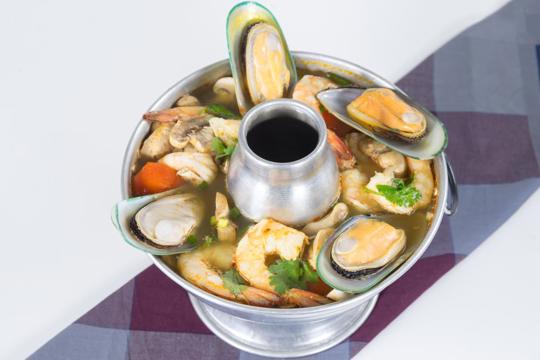
Po Tak Soup and Tom Yum are both Thai soups with unique flavors - read stew vs soup vs chowder overview to see broader distinctions.
Origin and Cultural Significance
Po Tak Soup and Tom Yum are iconic Thai dishes with fascinating origins and cultural significance.
Po Tak, or Spicy Seafood Soup, originates from Thailand and is known for its fiery flavors and mix of seafood, lemongrass, lime leaves, galangal, and chili paste.
It's usually shared at special occasions.
Tom Yum, however, comes from both Central Thailand and Laos.
It's a hot and sour soup made with shrimp or chicken stock, lemongrass, kaffir lime leaves, galangal root, lime juice, fish sauce, and chili peppers.
It's normally served with jasmine rice and is a staple in Thai households.
Po Tak Soup and Tom Yum have similar spicy profiles, but the ingredients used differ and make for different flavors.
Po Tak Soup stands out for its umami taste due to its seafood ingredients, while Tom Yum is made of hot and sour flavors in perfect balance.
Culturally, Po Tak Soup is associated with abundance and prosperity and is served on festive occasions.
Its seafood ingredients represent Thailand's coastal culinary traditions.
Tom Yum is culturally important too, and it has medicinal benefits.
It's known to clear sinuses and boost the immune system, plus it brings people together, promoting warmth and togetherness.
Base Ingredients and Broth
Po Tak Soup and Tom Yum are two popular Thai soups that may seem alike but differ in their key elements.
Po Tak Soup consists of seafood such as prawns, squid, and fish cooked in a spicy and tangy broth.
Tom Yum, on the other hand, has shrimp as its main ingredient with the flavors of lemongrass, lime leaves, and chili peppers.
Both soups are seasoned with spices and herbs, and Po Tak Soup has a mix of seafood while Tom Yum has a bold shrimp flavor.
The broths of these soups also set them apart - learn veggie stock vs broth differences to understand how base liquids change flavor.
Po Tak Soup is made with seafood stock, galangal roots, kaffir lime leaves, bird's eye chili peppers, lemongrass, and garlic which gives it a fiery yet refreshing flavor.
Tom Yum has a clear broth with a combination of chicken or vegetable stock, lemongrass, lime leaves, fish sauce, lime juice, and chili paste.
This creates a perfect balance of sourness and spiciness.
Lemongrass and chili peppers give both soups a unique Thai flair.
The difference lies in their base ingredients (mixed seafood vs shrimp) and broth preparation (rich vs clear).
Choose Po Tak Soup for its tasty seafood mix, or Tom Yum for its bold shrimp flavor.
Both soups will take your senses straight to Thailand.
flavor and Spice Level
Po Tak Soup and Tom Yum.
Different flavors, different spice levels - compare extract vs flavor distinctions to see how concentrated ingredients alter taste perception.
Both zesty and spicy.
Po Tak Soup has lemongrass, kaffir lime leaves, galangal, and seafood.
Tom Yum has lime juice, fish sauce, chili peppers, and aromatic herbs.
Palate travel to Thailand.
Strong flavors and a hint of heat.
Difference between tartness and spiciness.
Po Tak Soup or Tom Yum? An adventure in every bite.
Key Herbs and Aromatics
Herbs and aromatics are important in setting Po Tak Soup and Tom Yum apart.
These flavorful components bring complexity and deliciousness to the soups.
For Po Tak Soup, lemongrass, kaffir lime leaves, galangal, and Thai chili peppers are key ingredients.
Lemongrass gives a citrusy taste, while kaffir lime leaves give a refreshing flavor.
Galangal has a spiciness like ginger, yet distinct.
Finally, Thai chili peppers heat up the soup to create a balanced flavor.
Tom Yum includes its own unique ingredients.
Lemongrass remains in the soup, providing its zesty essence.
Kaffir lime leaves give an aromatic scent, and galangal brings its signature spiciness.
Also, garlic and shallots are added for extra flavor.
Both soups share some herbs, herbs de Provence vs Italian differences highlights how herb blends change overall character.
So, when you're craving some Thai flavors, don't forget the value of herbs and aromatics in Po Tak Soup and Tom Yum - they are what make them special.
Similarities Between Po Tak Soup and Tom Yum
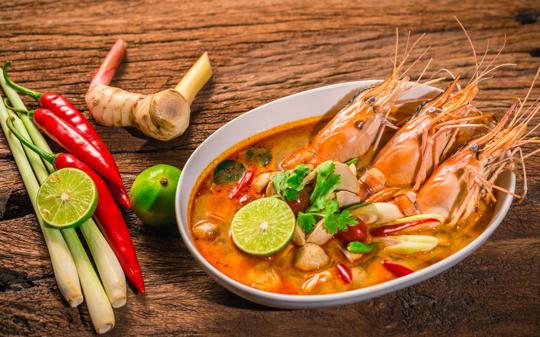
Po Tak Soup and Tom Yum are two sensational Thai soups that share some similarities.
Both have spicy and tangy flavors, making them popular picks for food lovers.
They also use lemongrass, galangal, lime leaves, and chili for a unique aroma.
These shared features make Po Tak Soup and Tom Yum distinct and appealing.
Also, the preparation methods are similar too.
Traditionally, both soups simmer ingredients in a flavorful broth until the flavors come together - see hen soup vs chicken soup comparison for another take on simmered soups.
Adding seafood such as shrimp or fish makes the broth umami-rich.
It balances spiciness, sourness, and freshness lightly.
However, each soup has its own unique characteristics.
Po Tak Soup often includes a mix of seafood like squid, mussels, clams, and crab meat.
This gives a nice range of textures.
Tom Yum usually has more sourness due to its large amounts of lime juice.
Variations and Regional Differences
Po Tak Soup and Tom Yum have unique flavors and characteristics, due to variations and regional differences.
Different regions have diverse culinary traditions, resulting in a variety of tastes.
Po Tak Soup, a Thai dish, has variations depending on the region.
Central Thailand has a tangy taste with a hint of sweetness.
Northeastern Thailand is known for its spiciness and bold flavors, making each version of Po Tak Soup distinct.
Tom Yum, also from Thailand, has its own variations.
In southern Thailand, it's sour and spicy.
Coastal areas usually include seafood, like prawns or fish.
In northern Thailand, coconut milk creates a creamier version.
In countries where these soups are enjoyed, local adjustments diversify the taste profiles.
For instance, Tom Yum in Malaysia and Singapore may include lemongrass or galangal.
Vietnamese Po Tak Soup might include local herbs and spices.
These variations add excitement to dining experiences and provide cultural insights.
Exploring these soups allows us to appreciate the creativity in each region's cuisine.
Po Tak Soup and Tom Yum offer endless possibilities to cater to different palates.
How to Serve and Enjoy Po Tak Soup and Tom Yum?
- Savor Po Tak Soup and Tom Yum with these steps.
- Find the perfect spot - whether it's at home, a restaurant, or a street food stall. This setting can add a lot to your dining experience.
- Gather the necessary utensils - soup bowl, spoon, and chopsticks. This traditional setup allows you to savor every flavorful bite in a culturally authentic way.
- Dig in. Take a whiff of the aromatic steam first. Then take small portions of seafood, vegetables, and noodles infused with the tempting broth.
- Savor each mouthful with gusto. Appreciate the blend of spicy, sour, and tangy flavors. Enjoy the balance between ingredients like lime juice, lemongrass, Thai chili peppers, herbs, mushrooms, and seafood.
- Also, each soup has its own regional variations and garnishes. Most of all, they embody Thailand's rich culinary heritage while giving a satisfying feast for the senses.
Flavor Comparison: Po Tak Soup vs Tom Yum
After reading this post, you now understand the great differences between Po Tak soup and Tom Yum.
Whether you are looking for something more sour or spicy, Po Tak and Tom Yum can both provide a fulfilling Thai experience.
When considering which is better, it really comes down to individual taste preferences.
For some, the complexity of Po Tak is the true delight; while for others, it's just not quite as enjoyable as the flavors of Tom Yum.
In any case, to truly appreciate how each one provides a unique flavor and offers different dining experiences, they should both be tried at least once.
No matter which one you end up choosing, rest assured that you are in for a delicious treat.
Frequently Asked Questions
Trust us, knowing the difference enriches your dining experience. They share some similarities but each has qualities that make it better suited for certain recipes.
They can stand in for each other in a pinch. Po Tak Soup and Tom Yum overlap in some uses, but the flavor or texture will shift.
Adjust quantities to taste.
Shelf life differs based on processing and packaging. One often keeps longer unopened, while the other may need refrigeration or faster use after opening.
Which one is more forgiving in recipes?
One tends to perform more consistently across a range of cooking methods, making it the safer choice when experimenting.
The other delivers stronger results in specific applications.
Tomato and tomato sauce play very different roles. Tomato soup vs tomato sauce: role differences clarifies those uses. Tom Collins vs Gin Fizz cocktail comparison shows how small changes make distinct drinks.