
Summary of key points
The main difference between Angel's Envy Bourbon and Angel's Envy Rye lies in the type of grain used - Bourbon is made from at least 51% corn, while rye is made from at least 51% rye. This difference in grain results in a distinct flavor for each whiskey.
Ultimately, the choice between these two whiskeys will depend on personal preference and how each fits into a specific cocktail or drinking experience - understanding extract vs flavor differences explained can help clarify tasting nuances.
Both are highly regarded in the whiskey world and are worth trying for their unique qualities.
Angel's Envy Bourbon and Rye are titans in the whiskey scene.
Each has its own charm. Bourbon's sweet. Rye's spicy. What's not to love?
We've tried both. More than once. For science, obviously.
Deciding between them? It's like choosing a favorite child.
What is Angel's Envy Bourbon?
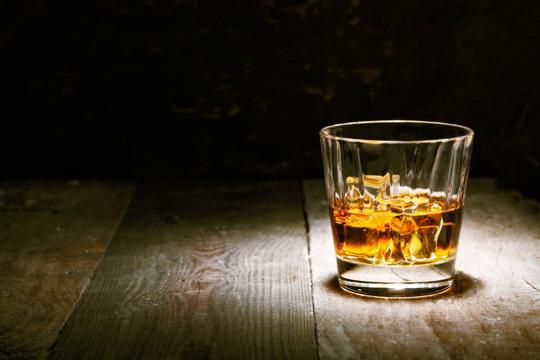
Angel's Envy Bourbon is a treasure.
Crafted with expertise, it offers an unforgettable taste.
Sweet caramel, vanilla, and oak blend for a smooth flavor.
Then, a port wine barrel finishing step adds extra layers of complexity.
This bourbon reflects the artistry of its makers, who strive to honor tradition while pushing boundaries.
Both that, but the bottle looks sleek and sophisticated.
Neat or in cocktails, Angel's Envy Bourbon provides an elevated experience.
It's the perfect choice for those seeking a remarkable spirit.
Enjoy this award-winning whiskey and experience why it stands out from the crowd.
Sweet caramel and vanilla notes can pair nicely with citrus in desserts - what goes with lemon in desserts: nine options highlights complementary matches.
What is Angel's Envy Rye?
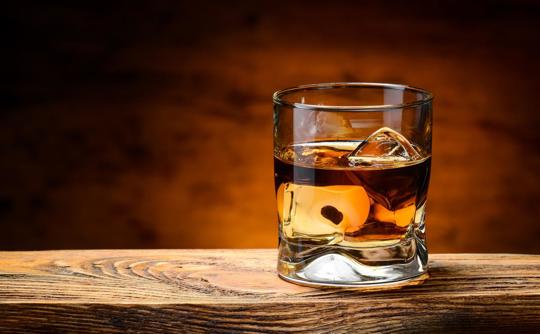
Angel's Envy Rye is a well-known spirit for its one-of-a-kind flavor.
Crafted with precision and skill, it offers a mesmerizing experience.
Its mix of special ingredients creates a harmony of rich flavors.
This rye whiskey stands out from its bourbon counterpart.
It has a higher proof and a unique aging process, which makes the flavor bolder.
95% rye grain in the mash bill adds spicy notes, plus hints of vanilla, caramel, and oak.
Plus, the Caribbean rum casks add an extra depth to the whiskey.
This infuses it with nuances of sweetness and complexity.
It's a nice balance between spice and sweetness, unmatched by any other.
The bottle design honors the craftsmanship behind the spirit.
Its elegant silhouette and detailing show the passion and hard work that go into each batch.
The spicy character of rye works well with bold, savory snacks - what to eat with guacamole: great combos suggests hearty pairings.
Differences Between Angel's Envy Bourbon and Angel's Envy Rye
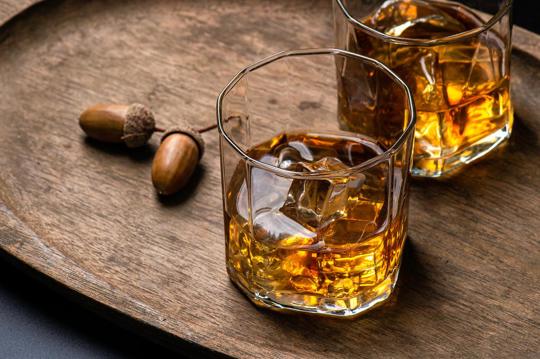
Angel's Envy Bourbon and Angel's Envy Rye are two distinct variations of the well-known whiskey brand.
Although they both uphold the brand's promise of excellence, there are certain differences between them - including regional styles like Tennessee vs Kentucky whiskey comparison.
Base Grain
Angel's Envy Bourbon and Angel's Envy Rye are both top-notch spirits.
However, their main grain is different - a distinction worth comparing like in grain alcohol vs vodka: clear differences.
Angel's Envy Bourbon is corn-based and Angel's Envy Rye uses rye.
Which one you choose depends on your taste.
Corn-based bourbon has a sweeter, smoother flavor with notes of caramel, vanilla, and oak.
Rye-based whiskey offers a spicier, richer taste with hints of pepper, cinnamon, and herbs.
The base grain also affects the mouthfeel and texture.
Corn-based bourbon is full-bodied and velvety.
Rye whiskey is lighter-bodied with a drier finish.
Plus, these whiskeys undergo a unique finishing process in port wine barrels.
This adds complexity to their respective base grains.
Mash Bill
The mash bill - the combination of grains used in distillation - is a important factor that gives Angel's Envy Bourbon and Angel's Envy Rye their special flavors and characteristics.
Both spirits have different mash bills that create different taste profiles.
Angel's Envy Bourbon has a regular mash bill made up of corn, rye, and malted barley.
This leads to a smooth and rich flavor with hints of caramel and vanilla.
The corn adds sweetness, the rye spicy complexity, and the barley the depth and balance.
Angel's Envy Rye, on the other hand, has a mash bill mainly composed of rye grain.
This provides a bold, strong flavor with strong spicy notes.
Rye brings its own character to the spirit, making it peppery and savory.
These different mash bills are further enhanced by aging processes.
While bourbon must be aged in new charred oak barrels, rye can also be aged in used barrels, allowing it to show different nuances.
When deciding between Angel's Envy Bourbon and Angel's Envy Rye, it comes down to individual preference.
If you like smoother, sweeter flavors with caramel and vanilla, the bourbon is better.
But if you enjoy bolder, spicier profiles with a peppery kick, then rye is the choice for you.
Understanding the mash bill is key to selecting the right whiskey.
Whether you go for Angel's Envy Bourbon or Angel's Envy Rye, both present unique flavor experiences that show the grains' artistry.
Aging Process
Spirits fanatics, it's important to get a grasp of the aging process for Angel's Envy Bourbon and Rye.
They both go through a precise maturation period in charred oak barrels that adds flavor and boosts quality.
Angel's Envy Bourbon's aging has stages.
First, it stays in American white oak barrels that are charred on the inside.
This allows the whiskey to pull out tastes like vanilla, caramel, and toasted oak.
As time passes, the bourbon deepens and becomes more complex.
Angel's Envy Rye's aging is similar but different.
It too lives in charred oak barrels for that same richness.
Plus, a Caribbean rum cask is added during finishing that adds fruity and spicy notes to the whiskey.
It has its own flavor.
Angel's Envy Bourbon and Rye have a traditional aging process, yet give whiskey lovers different experiences.
The bourbon mixes sweetness with richness from the oak.
The rye has strong spice and fruitiness from its unique finishing.
flavor
The Bourbon has smooth, velvety sweetness with notes of vanilla, caramel, and oak.
The Rye, on the other hand, packs a punch of flavor with hints of pepper, cinnamon and nutmeg.
These unique flavors come from aging in charred oak barrels, crafted with care.
Whether you love the warmth of bourbon or the boldness of rye, there's something for every discerning palate.
Choose your favorite and explore the world of Angel's Envy whiskies.
Similarities Between Angel's Envy Bourbon and Angel's Envy Rye

Angel's Envy Bourbon and Rye both share many exciting traits.
Both spirits are carefully made by the well-known Angel's Envy distillery, making sure quality consistency.
Plus, both undergo a unique port wine barrel finishing process, adding complexity and richness to the whiskey.
Craftsmanship and detail are also given top priority in each batch - a focus that echoes broader spirit contrasts like brandy vs bourbon flavor differences.
The aging process is also noteworthy.
Both are aged to optimal maturity in charred oak barrels, allowing the flavors to develop and the smoothness to be enhanced.
High-quality ingredients are also used to create a final product that's strong in taste and aroma.
Despite the same name, each variant still has its own distinctive characteristics.
Angel's Envy Bourbon has a velvety texture and notes of vanilla, caramel, and oak.
Angel's Envy Rye, on the other hand, has a bolder flavor with spicy rye notes, hints of fruit, and herbs.
This difference offers whiskey enthusiasts a chance to explore different flavors within the trusted Angel's Envy brand.
Tasting Notes: Angel's Envy Bourbon
Angel's Envy Bourbon is a nice spirit that charms the senses with its rich, complex flavors.
On first sip, there are notes of caramel and vanilla.
A hint of spice adds to the smoothness.
This bourbon can be savored alone or in a cocktail - and its caramel-vanilla profile is similar to what appears in bourbon sauce taste guides.
Explore deeper and you'll find a balance between sweet and savory flavors.
Caramel and vanilla are balanced by oak and charred wood.
The body is medium and the finish is long and satisfying.
Angel's Envy Rye is spicier. It has black pepper, cinnamon and clove.
It's bold and strong with a dry finish. It's aged in American oak barrels and shows the boldness of the rye grain.
Angel's Envy Bourbon and Angel's Envy Rye are both unique.
Choose the smooth sweetness of the bourbon or the fiery kick of the rye.
Indulge in heavenly spirits and find your favorite.
Tasting Notes: Angel's Envy Rye
Angel's Envy Rye - a whiskey to captivate all enthusiasts.
Its complex and strong flavor stands out.
On the first sip, a pleasant sweet and spicy mix presents itself, delightfully balanced.
Aromas of oak, vanilla and caramel fill the air, inviting you to savor.
The unique flavors of Angel's Envy Rye then come alive.
Spicy rye combines with black pepper and cinnamon, creating an detailed dance of flavors.
What sets this whisky apart is its velvety smoothness - a result of aging in charred oak barrels.
Plus, its finish is impressive - a gentle warmth that lingers before slowly fading away.
Enjoy it neat or on the rocks to appreciate the remarkable flavors and aromas.
Whether a seasoned connoisseur or just starting out, Angel's Envy Rye will leave a lasting impression.
Baking with rye calls for swaps sometimes - rye flour substitutes list for baking offers practical alternatives.
Final Verdict
When it comes to choosing which one to enjoy there really aren't any wrong choices.
You can take the advice of many beverage aficionados who discuss their tastes and preferences based on the nuances of their palate or look to the brands own descriptions for guidance.
Either way you will be sure to find a nice sipping experience that keeps your palate and nostrils singing with pleasure.
There are even those who maintain an ongoing back and forth between the two, relishing always in some bit new yet familiar that these two unique superlatives provide.
With Angel's Envy Bourbon and Angel's Envy Rye, just don't limit yourself from either side - embrace them both.
Vermicelli and angel hair are easy to confuse. vermicelli vs angel hair pasta: key differences clarifies shape and use. capellini vs angel hair pasta: cooking and texture tips explains subtle cooking variations.
Frequently Asked Questions
This difference in grain results in a distinct flavor for each whiskey. They share some similarities but each has qualities that make it better suited for certain recipes.
It depends on the dish. Angel's Envy Bourbon and Angel's Envy Rye share some overlap, but each shines in different preparations.
Swapping works best in forgiving recipes like soups or stews.
Pricing varies by brand and region, but one is typically more accessible at everyday price points. The other may cost more due to specialization or limited supply.
Is there a best time to use each one?
One shines in applications requiring subtlety and background support.
The other is better when it is meant to be a center.
Matching the right one to its role makes a noticeable difference.