
Summary of key points
The main difference between brandy and bourbon is the type of alcohol used in their production. Brandy is made from fermented fruit juice, typically grapes, while bourbon is a type of whiskey made from corn mash.
In terms of flavor, brandy has a more fruity and complex taste compared to the smoky and oaky flavor of bourbon. Also, brandy is often aged longer than bourbon, which can impact its taste and quality.
Brandy is often enjoyed as an after-dinner drink or used in cocktails, while bourbon is commonly sipped on its own or used in mixed drinks. Ultimately, the choice between brandy and bourbon will depend on personal preference and the desired use.
Ever stared at a liquor shelf, scratching your head? Brandy and bourbon sit there, gleaming.
One's from grapes. The other?
Corn's magic.
We're unraveling this mystery together. First off, location matters.
Bourbon hails from the USA, thinks it's pretty cool.
T4Brandy, though, prides itself on its global passport.
Our experiences? Mixed.
Tried bourbon on a dare once. Warmth spread like a hug from inside.
Brandy was a quieter affair, sneaky with its strength.
It's not just about where they're from or what they're made of. It's the stories they tell in every sip.
Get ready to find out more with us.
What is Brandy?

Brandy is well-known for its smooth flavor and rich history.
It's crafted from fermented fruit juice or wine and distilled to extract impurities and intensify its taste.
With its amber hue coming from aging in wooden barrels, it's a unique experience.
Each type of brandy has its own character based on the fruit.
For example, grape brandy has a sophisticated essence and is often aged in oak casks.
Apple brandy has a combination of tartness and sweetness, with a hint of orchard freshness.
Other popular variants include cherry, apricot, and pear brandy.
The aging process is important for the final product's attributes.
Fine brandies mature in oak barrels or casks for several years, giving them depth and richness.
During this time, subtle flavors are imparted from the wood.
Brandy can be enjoyed neat or on the rocks.
It's also an essential ingredient in classic cocktails.
Its versatility allows mixologists to explore new combinations and reinvent traditional recipes.
Brandy captivates with its unique character and timeless allure.
If you're looking for a sophisticated spirit, try the distinctive world of brandy.
Brandy's fruit-forward notes often complement citrus in sweets - see lemon dessert pairings list for ideas.
What is Bourbon?

Bourbon: an iconic American whiskey.
Crafted mainly from corn, it matures in charred oak barrels, giving it a unique flavor of caramel and vanilla, with a lingering finish.
For a spirit to be classed as bourbon, it must meet certain criteria:
- made in the USA;.
- 51% corn in the mash bill;.
- aged in new charred oak barrels;.
- distilled to no more than 160 proof and entered into barrel at no more than 125 proof.
This guarantees bourbon its signature flavor.
Brandy and bourbon have many similarities in terms of production.
They both gain flavor from aging in wooden casks.
However, the main ingredient is different - brandy uses fermented fruit juices, while bourbon is corn-based.
Bourbon is an American whiskey, with stringent rules and regulations.
Its flavor comes from the corn-based mash bill and the aging process in charred oak barrels.
Enjoy neat or in cocktails such as the Old Fashioned or Mint Julep - it's an unbeatable experience.
Bourbon's sweet, spicy profile can pair nicely with bold snacks; explore guacamole pairing ideas for spicy dishes that match its character.
Differences Between Brandy and Bourbon
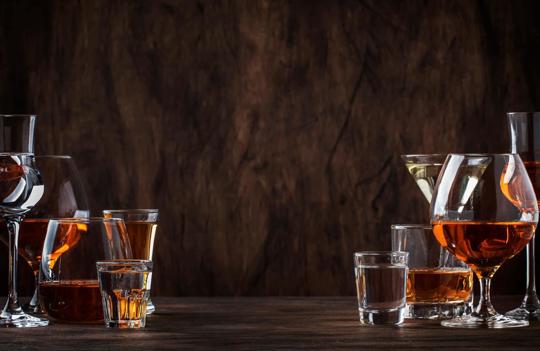
But they have many differences - for a fruitier contrast, see Cherry Heering vs cherry brandy comparison.
Origin and Production
The beginnings of brandy and bourbon are different.
Brandy is made from wine or fruit juices, that are distilled.
Bourbon is whiskey made mostly in the U.S.A.
Both drinks need aging, but in different ways.
Brandy usually ages in wooden barrels, giving it a complex flavor.
Bourbon must age in new oak barrels, making it smooth and tasty.
These production methods give each spirit its unique qualities.
It's amazing to see how brandy and bourbon are made with care, creating two types of drink that have thrilled drinkers for centuries.
Ingredients Used
Brandy and bourbon have distinctive characteristics.
Brandy is made from grapes or other fruits, which are fermented and distilled.
Bourbon is crafted mainly from corn, with rye and wheat adding to its special flavor.
Oak barrels are used to age bourbon, giving it a smoothness and caramel notes.
Fruits determine brandy's flavors. Both brandy and bourbon have great appeal.
Ingredients are important in creating these spirits.
Distillation Process
Distilling is key for creating brandy and bourbon.
It separates alcohol from other components via heating and cooling, allowing for the extraction of flavors and aromas.
Brandy's distillation process usually starts with fermenting fruits like grapes or apples.
A pot still is used to slowly extract the alcohol, resulting in a smooth, fruity spirit with complex flavors.
Bourbon involves fermenting grain mash, usually 51% corn, before distilling in a continuous column still.
This gives bourbon a bold, strong flavor.
Their distilling processes are similar, brandy and bourbon have distinct tastes due to their ingredients and production methods.
Brandy has a delicate, fruit-forward flavor, while bourbon is intense and rich.
Aging and Maturation
Aging and maturation are important for Brandy and Bourbon.
These spirits get their flavors, aromas and characteristics from the aging process.
Compounds from the wood mix with the alcohol, creating a rich and complex profile for both.
Brandy needs to mature in wooden casks for years.
During this time, it absorbs flavors like vanilla, caramel and spice.
The aging process makes Brandy smooth and gives it its unique taste.
Bourbon needs to age in new charred oak barrels for two years to be Straight Bourbon Whiskey.
As it matures, it develops flavors like oak, vanilla, and sometimes smoke or charred caramel.
Brandy and Bourbon both benefit from aging and maturation in oak barrels.
However, they differ in the base ingredients used - Brandy is made from fruit juice/wine and Bourbon is made from grain mash.
Also, different types of barrels may be used for aging - Brandy often uses neutral oak casks while Bourbon needs new charred oak barrels.
flavors and Tasting Notes
Tasting Notes & flavors are must-knows when it comes to discerning between Brandy & Bourbon.
These characteristics aid us in recognizing the distinctive qualities & nuances of each spirit.
Brandy has a range of flavors, giving an extensive range of tasting notes.
From juicy & fruity to gentle & mellow, Brandies reveal a complexity stemming from their base ingredients & aging processes.
Flavors may vary from sweet tastes like caramel & vanilla to more intense ones like dried fruit & spice.
Also, aging in oak barrels adds depth & complexity, resulting in a velvety smoothness often associated with top-notch Brandies.
On the contrary, Bourbon presents its own unique flavor that sets it apart from other spirits.
The primary flavor in Bourbon is from the corn used in its production, giving it a distinctive sweetness.
Alongside this sweetness, one can also find notes of caramel, vanilla, oak, sometimes even cinnamon or nutmeg.
This blend of flavors creates a warm & comforting taste experience that has made Bourbon highly sought-after.
Brandy & Bourbon both have their own distinct tasting notes based on their respective creation methods & ingredients.
It's important to explore these flavors individually to appreciate the features that make each spirit so special.
Brandy displays a complex selection of flavors, from sweet & fruity to spicy & rich.
On the other hand, Bourbon shows its corn-driven sweetness with hints of caramel, vanilla, & oak.
Knowing these unique tasting profiles allows one to relish the subtle complexities of Brandy & Bourbon.
Whether you fancy the delicate intricacy of Brandy or the bold sweetness of Bourbon, exploring their distinctive tastes is a journey worth taking.
Tasting notes from brandy and bourbon can inspire savory-sweet combos - try ideas in Mediterranean vegan bowl recipes for flavor inspiration.
Similarities Between Brandy and Bourbon
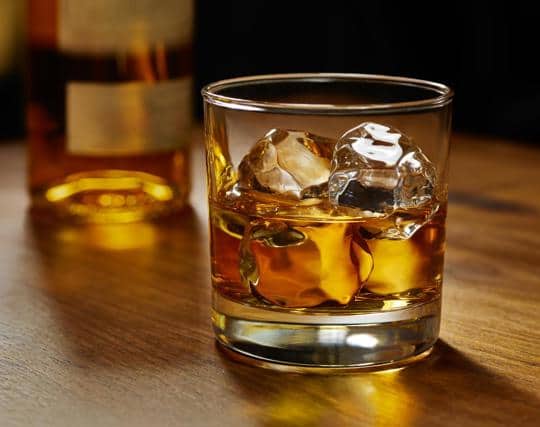
Brandy and bourbon may look the same, but they are different.
Brandy is made from wine and bourbon is made from grains - for a closer look at how brandy differs from wine, read Brandy vs Wine differences explained.
Both are aged in wooden barrels, giving them different flavors and aromas.
Brandy is usually higher in alcohol and sweeter.
Bourbon has a richer flavor, with hints of vanilla and caramel.
So, brandy and bourbon can be used for different occasions and tastes.
Enjoy the elegance of brandy or the boldness of bourbon - both make for a great drinking experience.
Culinary Uses and Pairings
Brandy & bourbon both have unique flavors which can enhance a variety of dishes.
Brandy is popular in desserts; its fruitiness improves cakes and poached fruits.
Bourbon's bold and smoky flavor is great for savory dishes like BBQ sauce or roasted meats.
Both spirits can be enjoyed as a digestif after a meal.
They go with the flavors of cheese boards or chocolate.
These versatile spirits let chefs & mixologists experiment with flavors & create interesting dishs.
Both spirits work well in fruit-forward drinks and can be matched with chilled blends; see watermelon smoothie pairings with spirits for refreshing combo ideas.
Choosing Between Brandy and Bourbon
Brandy vs Bourbon and the never-ending debate - if you're a fan of either one, it's essential to know the differences.
These two liquors may have their similarities but each has its unique set of characteristics.
Brandy is made from fruits and other distilled spirits whereas bourbon is crafted from grains.
The aging process for both differ in maturity and location, whilst their presentation changes in color, flavors, aromas and characteristic tones.
Knowing the differences between brandy vs bourbon can help you further understand what type of taste experience you are looking for when you make your selection.
This will also give you the opportunity to appreciate all the complexities that separate these two classic libations and determine which one can best satisfy your particular thirst for spirits.
Angel's Envy comparison clarifies style differences in similar releases. Angel's Envy bourbon vs rye comparison. If a recipe calls for brandy alternatives, consult brandy substitutes list and tips for workable swaps.
Frequently Asked Questions
The main difference between brandy and bourbon is the type of alcohol used in their production. They share some similarities but each has qualities that make it better suited for certain recipes.
Consider what result you are after. Brandy and Bourbon each have strengths that suit different situations.
Neither is universally better - context decides.
Pricing varies by brand and region, but one is typically more accessible at everyday price points. The other may cost more due to specialization or limited supply.
Is there a best time to use each one?
One shines in applications requiring subtlety and background support.
The other is better when it is meant to be a center.
Matching the right one to its role makes a noticeable difference.