
Ever stood in the pasta aisle, scratching your head over capellini and angel hair? Us too.
These two are like the long-lost twins in the pasta family, finding one can feel like a mini-celebration. After all, they're both oh-so-delicate and scream sophistication on a plate.
We've been there, trying to pick between them for our famous Sunday pasta nights.
Truth told, the difference is subtle, yet it somehow manages to start a kitchen debate every time. It's all about the thickness, or should we say thinness?
What is Capellini Pasta?
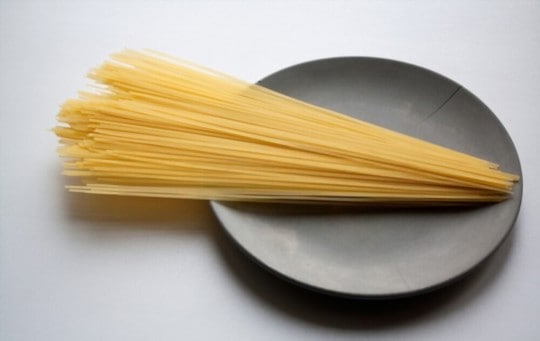
Capellini pasta is a delicate, thin, and long spaghetti-like noodle that originates from Italy.
Its name comes from the Italian word "capelli d'angelo" which translates to "angel's hair.
" What makes capellini unique compared to other pasta types is its thinness, which allows it to cook quickly and be paired with lighter sauces.
Capellini is particularly popular in Mediterranean cuisine and is often served with seafood dishes or light oil-based sauces.
Don't be fooled by its delicate appearance; capellini has a slight bite and mildly sweet flavor that is sure to tempt your palate.
With a cook time of only a few minutes, it's no wonder why capellini has become a fan favorite in kitchens all around the world.
What is Angel Hair Pasta?

Angel Hair pasta is thin and long, and came from Italy.
People often call it "capelli d'angelo" or "hair of the angel" because of its light texture - see vermicelli vs angel hair comparison for how similar thin pastas differ.
It looks like spaghetti, but is much thinner.
So, it's perfect for light dishes.
You can cook Angel Hair pasta in only 3-5 minutes, making it great for quick meals.
Even though it's delicate, it has lots of elasticity.
You can pair it with any kind of sauce.
And its ultra-thin strands make a dish look extra special.
Differences Between Capellini Pasta and Angel Hair Pasta
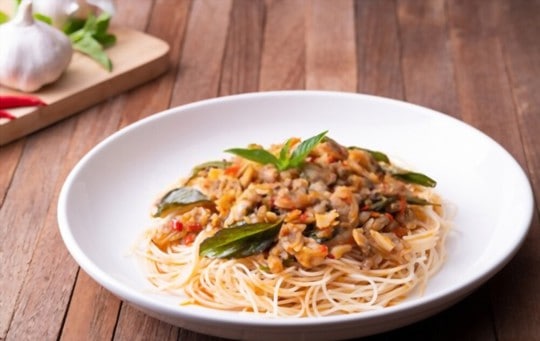
Capellini and Angel Hair are often mistaken for the same type of pasta.
But they're different.
For other small-shape comparisons that hinge on subtle twists, fusilli vs rotini shape comparison explains how tiny differences change texture and sauce cling.
Thickness and Texture
Capellini and angel hair pasta are two thin, delicate types of noodles used in Italian cooking.
The names may be used interchangeably, there are slight differences between the two.
Capellini is slightly thicker than angel hair, and has a texture that stands out more when cooked.
This makes it great for dishes with heavier sauces or ingredients.
Angel hair pasta, however, is ultra-thin and delicate.
Its texture almost melts away in your mouth, making it perfect for showing delicate ingredients like seafood or veggies.
Be aware that both types of pasta cook quickly.
To prevent them from becoming mushy, it's best to cook them al dente.
Also, brands and cooking methods can affect the final result.
Cooking Time
Capellini and angel hair pastas may seem the same, but they cook differently.
Follow these steps for the best Capellini pasta:
- Boil six quarts in a large pot.
- Add salt to the boiling water.
- Place the Capellini in the boiling water; stir occasionally.
- Cook for only two minutes, then drain.
This will get the perfect Capellini.
What distinguishes Capellini from angel hair is its thinness.
The thinnest shapes take the least time to cook.
Also, bear in mind that Capellini is sometimes called 'angel hair'.
But not all angel hairs are Capellini.
Also, the former has more thickness options.
Lastly, watch out not to overcook the Capellini - even a few extra minutes can ruin it.
When finishing quick pasta sauces, acidity choices matter - white cooking wine vs white wine vinegar comparison breaks down when to use each.
Sauce Pairings
Capellini and angel hair pasta have endless possibilities for sauce pairings.
Capellini's delicate texture is ideal for lighter sauces like olive oil and garlic or tomato basil.
Angel hair's thin strands go great with creamier sauces like alfredo or carbonara, and seafood-based sauces like clam sauce or shrimp scampi.
Don't just stick to the traditional.
Capellini can be paired with spicy arrabbiata sauce or a fruity summer pesto with fresh herbs and lemon zest.
Angel hair can be used in Asian-inspired dishes with soy sauce and ginger, or in a summer salad with veggies and citrus dressing.
When picking a sauce, consider its weight and flavor.
A heavier meat sauce would overpower capellini, while a light tomato sauce may get lost with the thicker angel hair strands.
Remember to keep an eye on them when cooking.
Both capellini and angel hair have a short cooking time of 2-3 minutes.
Get creative and find your favorite combination today.
For a look at how sauce style and spice profile shift a dish, red vs green enchilada sauce flavor comparison highlights how color and heat change pairing choices.
Regional Variations
Pasta, a worldwide staple, comes in many sizes, shapes, and thicknesses.
Varieties of pasta are regional specialties that show the culture and cuisine of a place.
Let's see how two types, angel hair and Capellini, differ.
Angel hair is thinner than Capellini and originated in Southern Italy.
It has a delicate texture and requires careful cooking.
On the other hand, Capellini, from Northern Italy, is like spaghetti.
The difference is clear when cooking.
Capellini is cooked al dente, while angel hair can quickly become overcooked.
Also, angel hair fits better with light sauces or broths, while Capellini goes with cream or tomato-based sauces.
These two may look the same, but understanding their differences can make your next Italian meal even better.
Similarities Between Capellini Pasta and Angel Hair Pasta

Capellini and Angel Hair pasta share some commonalities.
Both are lengthy, thin strands of pasta that cook fast.
They are made from durum wheat semolina flour and water - compare this to small-grain alternatives in couscous vs pasta texture comparison.
And, they have a similar texture once cooked - delicate and silky.
These pastas work well with light sauces, like tomato or oil.
And, they can be used in cold salads or soups.
However, there are some differences too.
Capellini is thicker than Angel Hair.
This makes it sturdier and great for dishes with thick sauces.
On the other hand, Angel Hair's light strands are ideal for sauces that easily cling to each strand.
In the end, it comes down to personal preference or recipe needs.
Whichever one you pick, you'll have a tasty meal.
How to Cook and Serve Capellini Pasta and Angel Hair Pasta?
Capellini and Angel Hair pasta may look the same, but they each have subtle differences that can impact your cooking.
To help you make these pasta types like a pro, here's a six-step guide.
- Boil water in a large pot and add 1 tablespoon of salt per 4 quarts of water.
- Add capellini or angel hair pasta to the boiling water. Stir occasionally to prevent sticking.
- Cook for 2-3 minutes, or until al dente. Capellini cooks faster than angel hair, so watch it closely.
- Drain the cooked pasta, but save 1 cup of cooking liquid. This will be used for the sauce.
- Toss the cooked pasta in desired sauce or topping with tongs. Gradually add reserved cooking liquid until well-coated.
- Serve hot, with Parmesan cheese and herbs if desired.
Capellini is thinner than Angel Hair, so it cooks faster and absorbs more sauce.
Its shape holds volume better too, despite being fragile.
That means it needs less cooking time to avoid soggy texture when served with creamy or tomato-based flavors.
For Angel Hair, too much boiling time can lead to clumping and sourness from heavy carbonic content, causing possible acidity and heartburn.
So keep these distinct qualities in mind for the perfect meal.
If considering grain swaps for texture or nutrition, quinoa vs pasta cooking comparison outlines key differences in cooking and serving.
Popular Recipes Featuring Capellini and Angel Hair Pasta
Capellini and Angel Hair pasta are very alike.
However, capellini is thicker and has a more subtle feel.
A popular capellini recipe is Spaghetti Aglio e Olio.
The sauce includes garlic, red pepper flakes, olive oil and parsley.
A classic angel hair pasta recipe is Lemon Garlic Shrimp.
It uses fresh lemon juice, parsley, garlic and shrimp sautéed in butter.
Both types of pasta cook fast.
They should be served with light sauces to show off their soft texture.
In the end, it comes down to personal taste and what you plan to make.
For pairing with cocktails or dessert drinks that echo the 'angel' name, Angel's Envy bourbon vs rye tasting notes compares profiles that suit different menus.
Comparing Capellini and Angel Hair Pasta
Capellini and angel hair are both super thin pastas.
But capellini is a bit thicker, great for sauces with bold flavors.
Angel hair is better for light sauces or cold salads.
And they both take only minutes to cook.
So try both and see which works better for you. Have fun experimenting.
Frequently Asked Questions
Truth told, the difference is subtle, yet it somehow manages to start a kitchen debate every time. They share some similarities but each has qualities that make it better suited for certain recipes.
Sometimes. Capellini Pasta works where Angel Hair Pasta is called for in certain dishes, but not all.
Check whether the recipe relies on a specific quality before substituting.
Cold preparations like salads and dressings often favor the option with a sharper, more defined flavor. Heat can mellow both, so the distinction matters more in uncooked dishes.
Do professional cooks prefer one over the other?
Professional preference depends heavily on the dish and cuisine style.
Each has its context where it outperforms the other, so most experienced cooks keep both on hand.
Light desserts pair well with delicate sides. angel food cake side dishes list suggests compatible accompaniments. angel food cake serving suggestions includes options for different menus.