
The best substitutes for Rock Salt are Kosher Salt, Pink Himalayan Salt, Sea Salt Flakes, Coarse Salt, and Table Salt.
And for those sweet treats, a dash of sea salt can add an interesting twist.
For cooking, Pink Himalayan Salt also works well - adjust the amount to taste since it may be slightly stronger or milder.
Rock salt's missing from the pantry again, right?
We've all hit that speed bump while prepping for a big meal.
Luckily, we're here to throw you a lifeline with some killer swaps that'll keep your cooking game strong.
Ever tried Kosher salt? It's a clutch move-trust us.
And for those sweet treats, a dash of sea salt can add an interesting twist. Bet you never thought of that!
How about table salt? Classic and always on hand.
Or get adventurous; pickling salt and Himalayan pink salt can offer unique flavors.
Our guide is packed with these genius substitutes to ensure you never miss a beat in the kitchen.
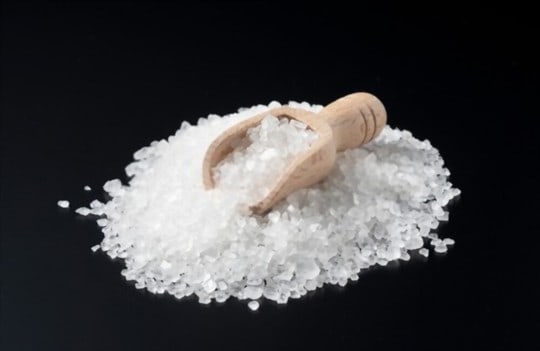
5 Rock Salt Replacements for Recipes
While rock salt is a great ingredient on hand, it's not always easy to find.
In fact, many grocery stores don't carry it.
| Substitute | Key Characteristics | Substitute Ratio |
|---|---|---|
| Kosher Salt | Coarse salt with large, irregular crystals | Use an equal amount of kosher salt as a substitute for rock salt |
| Pink Himalayan Salt | Natural rock salt with pink hue | Use an equal amount of pink Himalayan salt as a substitute for rock salt |
| Sea Salt Flakes | Flake-shaped salt crystals with a mild flavor | Use an equal amount of sea salt flakes as a substitute for rock salt |
| Coarse Salt | Larger-sized salt crystals ideal for seasoning and roasting | Use an equal amount of coarse salt as a substitute for rock salt |
| Table Salt | Fine-grained salt commonly used in cooking and baking | Use an equal amount of table salt as a substitute for rock salt |
If you're looking to make cooking easier and need substitutes for rock salt, consider these five alternatives:
If a recipe calls for a sweet crystalline texture instead of savory rock salt, rock sugar substitute ideas for sweetening shows suitable swaps.
1 - Kosher Salt
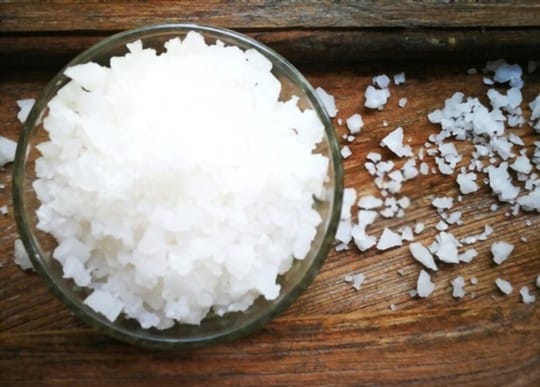
Kosher salt is a type of salt that is popular in many countries, especially in the U.S. - try kosher salt substitute options when a recipe calls for a different crystal size.
Kosher salt is usually made from sea salt or rock salt and has a coarse, flaky texture.
The large crystals make it easy to control the amount of salt you add to food, which is why many cooks prefer it.
In addition, kosher salt has a high mineral content, which gives it a distinct flavor that many people enjoy.
Whether you're cooking for yourself or entertaining guests, kosher salt is a great choice for flavoring your food.
To substitute rock salt with kosher salt, use an equal amount. For example, if a recipe calls for 1 teaspoon of rock salt, you would use 1 teaspoon of kosher salt instead.
2 - Pink Himalayan Salt
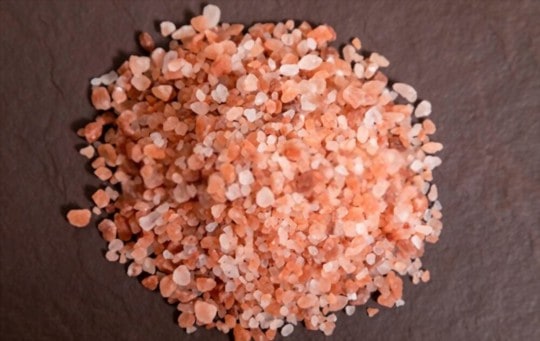
Pink Himalayan salt is a type of rock salt mined in the Himalayan mountains.
It is often used as a decorative salt because of its pink color.
However, pink Himalayan salt also has several health benefits.
For one, it is rich in minerals and trace elements.
This makes it a great way to replenish electrolytes and improve mineral absorption.
Also, pink Himalayan salt can help to improve respiratory function and reduce inflammation.
It can also detoxify the body and promote better skin health.
So, if you're looking for a healthy way to add some flavor to your food, consider using pink Himalayan salt instead of regular table salt.
You can use pink Himalayan salt as a 1:1 substitute for rock salt. Replace the rock salt in your recipe with an equal amount of pink Himalayan salt.
For dishes that benefit from a floral, mildly spicy finish, consider alternatives listed in pink peppercorn substitute suggestions to achieve a similar accent.
3 - Sea Salt Flakes
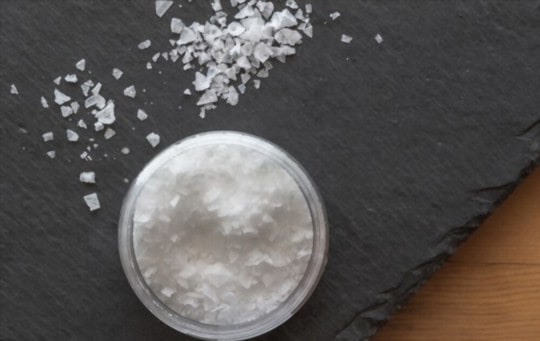
Sea salt flakes are a type of salt produced by evaporating seawater.
The seawater is heated to remove the water, leaving behind the salt.
Sea salt flakes are usually larger and flakier than other types of salt, such as table salt.
They can be used in cooking or as a finishing salt.
Some people believe that sea salt flakes have a more intense flavor than other types of salt.
While sea salt flakes are generally safe to consume, checking the ingredients list on the package before purchasing it is important.
Some brands of sea salt may contain additives, such as anti-caking agents, which can cause side effects in some people.
It is also important to note that sea salt flakes are not nutritionally equivalent to table salt.
They generally have a higher sodium content than table salt, so they should be used in moderation.
As a substitute for rock salt, use an equal amount of sea salt flakes. If your recipe requires 1 tablespoon of rock salt, use 1 tablespoon of sea salt flakes instead.
If a recipe pairs sea salt flakes with a specific protein, check sea bass replacement ideas for protein swaps that work with flaky finishing salts.
4 - Coarse Salt
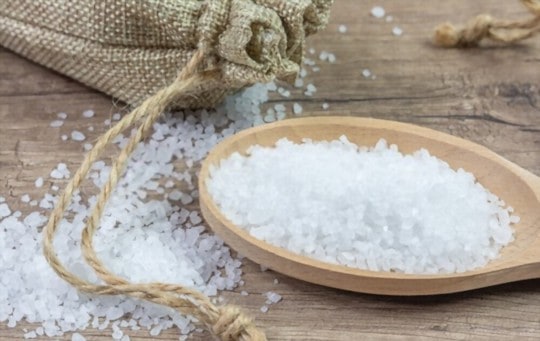
Both does salt add flavor to food, but it also helps to regulate hydration and prevent spoilage.
However, not all salt is created equal.
Coarse salt, also known as kosher or deli salt, is a type of salt coarser than table salt.
As a result, it dissolves more slowly and has a more distinct flavor.
For these reasons, course salt is often used in cooking to add flavor and texture to dishes.
In addition, course salt can also be used for pickling and canning foods.
Whether you're using it to add flavor to your favorite recipe or to preserve seasonal produce, coarse salt is a flexible ingredient that belongs in every home cook's pantry.
Replace rock salt with an equal amount of coarse salt. If your recipe calls for ¼ cup of rock salt, use ¼ cup of coarse salt.
When a recipe calls for a garlicky boost but only coarse salt is on hand, look at garlic salt swap options to recreate that savory profile.
5 - Table Salt
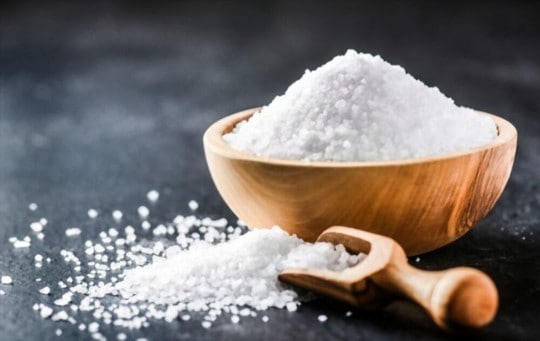
Just about everyone is familiar with table salt.
It's a common ingredient in cooking and can also be used to flavor food.
But what exactly is table salt? Table salt is a type of salt that is finer than kosher or pickling salt.
It's made from evaporated sea water or from rock salt deposits.
The main difference between table salt and other salt types is the crystals' size.
Table salt has very small crystals, making it easy to sprinkle on food.
In contrast, kosher or pickling salt has larger crystals, which can make it more difficult to distribute on food evenly.
Because of its small size, table salt dissolves quickly in water.
This makes it ideal for use in recipes where a quick brine is necessary, such as in pickling cucumbers.
It can be used as a substitute for rock salt in a 1:1 ratio. For instance, if your recipe calls for 1 teaspoon of rock salt, replace it with 1 teaspoon of table salt.
You might also want to know how rock salt compares.
Frequently Asked Questions
And for those sweet treats, a dash of sea salt can add an interesting twist. Use it at a 1:1 ratio in any recipe that calls for Rock Salt.
Yes. Kosher Salt and Pink Himalayan Salt work as direct replacements in most recipes.
Use the same quantity and adjust seasoning after tasting.
Usually not, but check moisture content. Wetter substitutes may need a slightly higher temperature or longer cook time to evaporate excess liquid and achieve the right texture.
Is the substitute appropriate for all dietary restrictions?
Check labels carefully.
Many substitutes introduce allergens or ingredients that conflict with specific diets - dairy, gluten, soy, or nuts may appear in processed alternatives.
For crunchy, salty snacks that need a finishing touch, pretzel salt substitute suggestions lists crystal alternatives. For recipes that call for cured pork with a salty profile, salt pork alternative ideas identifies suitable swaps.