
Have you ever stopped to really consider the differences between rum and tequila?
While they may seem like, aromatic, taste-friendly twins of sorts, these two iconic spirits actually have quite a few distinctions from each other.
From the way their respective liquors are made to their flavor - there's more than meets the eye when it comes to understanding how rum and tequila differ from one another.
So put on your sleuthing caps on as we explore every aspect of what differentiates Pina coladas from margaritas - it's sure to be an illuminating ride.
flavor - there's more than meets the eye when it comes to understanding how rum and tequila differ from one another, so consider extract vs flavor differences explained to parse subtle taste sources.

What is Rum?
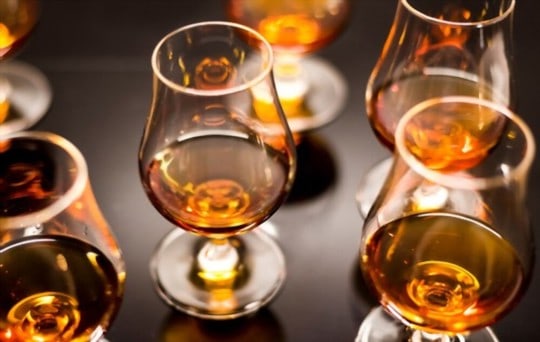
Rum is a spirit that is considered a by-product of sugarcane production.
It is a drink that has a rich history, dating back to the 17th century, and has been enjoyed by many for its distinct and diverse flavors.
Rum is not only known for its traditional sweet taste but also the wide range of types and grades that are available for consumption.
This spirit can be light or dark, spiced or unspiced, and produced in a variety of locations, each having its distinct taste and characteristics.
The process of making rum involves the fermentation of molasses or sugarcane juice, followed by distillation and aging.
The aging process occurs in oak barrels, which often affect the final flavor of the drink.
With such a vast array of possibilities, rum continues to be a captivating and intriguing spirit that still holds many mysteries and secrets within its history and production.
Rum's sweet and citrus-friendly profile pairs well with desserts; lemon dessert pairing ideas and options shows complementary ingredients and flavors.
What is Tequila?

Tequila is a type of liquor that originates from Mexico.
It is distilled from the agave plant and has become increasingly popular in recent years.
What sets tequila apart from other liquors is the unique process involved in its production.
The agave plant must be harvested by hand, and the core is then cooked and crushed to extract the juice which is then fermented and distilled.
This results in a distinct flavor and aroma that cannot be replicated by any other spirit.
Tequila is classified into several categories based on its aging process, including Blanco, Reposado, Añejo, and Extra Añejo.
Each category offers a different flavor and color, making tequila a versatile liquor that can be enjoyed on its own or in a variety of cocktails.
With its rich history and complex production process, tequila is a fascinating and beloved spirit that has captured the hearts and palates of people all over the world.
Differences Between Rum and Tequila

Rum and Tequila have their distinct characteristics that set them apart - and within rum, spiced rum vs white rum comparison highlights key taste differences.
Each liquor is different in taste, production process, and unique features.
These distinctions impact the end product's quality, making it a desirable drink for appreciators of each drink.
Origin and Production
The production and origin of rum and tequila are equally intriguing.
Rum is made from sugarcane or molasses, while tequila is produced from the blue agave plant.
The fermentation, distillation, and aging processes are critical factors that influence the taste and quality of either drink.
Rum is typically distilled in column stills or pot stills before being aged in barrels.
However, some brands use unique techniques such as cherry wood smoking to enhance their flavor.
In contrast, Tequila undergoes a double-distillation process and can only be called Tequila if it's distilled at Jalisco state in Mexico.
Interestingly, some producers opt to age their tequila in oak casks while others choose stainless steel containers for more authentic flavors.
In terms of aging duration, tequilas range from blanco (unaged) up to three years for an extra añejo variety.
On the other hand, rum can be aged anywhere between one to twenty-five years depending on the desired flavor.
Importantly, both beverages have various styles originating from different regions worldwide with distinct nuances making them better suited for specific cocktails or straight sipping options.
Nevertheless, personal preferences will dictate which drink you choose.
Ingredients Used
The primary ingredients used in rum and tequila are sugar cane byproducts and agave, respectively.
However, the production process differs significantly, resulting in unique flavors.
Rum is made from molasses or sugarcane juice while tequila is exclusively produced from blue agave plants grown in specific regions of Mexico.
Both drinks can be enjoyed neat or in cocktails, but ultimately it comes down to personal taste preference.
flavor
Rum and Tequila have different flavors that appeal to different tastes.
The former has a sweet, fruity taste with hints of caramel, vanilla, and spices.
While the latter has a more earthy and smoky flavor with notes of citrus and pepper.
Rum is often used in tropical drinks such as piña coladas or daiquiris.
Tequila, on the other hand, is a staple in margaritas or Palomas.
However, the flavor differences go beyond just cocktails.
Rum pairs well with sweet flavors like coconut or pineapple while tequila goes well with spicy dishes like tacos or salsa.
Both spirits can be enjoyed neat or on the rocks for those who prefer to savor their unique flavors without any mixers involved.
Overall, choosing between rum and tequila ultimately comes down to personal preference and what kind of flavors you enjoy most in your drinks.
Alcohol Content
The alcohol levels in rum and tequila have long been contested.
While both spirits pack a punch, their alcohol content varies significantly.
The amount of alcohol in each type of spirit is determined by several factors such as fermentation and distillation methods, aging processes, and the quality of ingredients used.
The alcohol content usually ranges between 40% and 60%.
However, some premium varieties can go up to 75%, which puts them in the same high-proof conversation as grain alcohol vs vodka comparison of proofs.
Tequila, on the other hand, has an alcohol content of between 35% and 55%, with most commercial brands falling around the middle range at around 40%.
What's interesting to note is that despite the difference in alcohol content between these two spirits, it ultimately comes down to personal preference when choosing which one to indulge in.
Depending on what you're looking for in a drink - smoothness, burn or overall taste - you may prefer one over the other.
Cultural Significance and Traditions
Cultural importance and customs play a important role in the consumption and production of distilled beverages like Rum and Tequila.
The cultural significance includes not only the historical background and origin but also religious ceremonies, rituals, and societal norms associated with each drink.
In Latin America, both Rum and Tequila have deep-rooted cultural significance that reflects traditions dating back centuries.
Rum is closely associated with the Caribbean and its colonial history.
It was used as a currency in trading activities for slaves, sugar, spices, etc.
The consumption of rum was witnessed during practices such as liming or recreational gatherings among the locals.
On the other hand, tequila is known to be Mexico's national drink.
Its cultural importance revolves around celebrations such as dia de los muertos (Day of the Dead) where it is consumed in copious amounts.
Apart from these customs, there are notable differences between rum and tequila that can directly or indirectly impact their cultural significance - such as their geographical origins, ingredients used in preparation, distillation processes accomplished by experienced professionals, aging periods, maturations in different types of casks.
To conclude in a few words: Cultural Significance greatly influences distilled beverages like rum or tequila due to its historical background & origin alongside combined ritualistic norms associated with them.
Each country has its own customary affair for these drinks that they acknowledge through various events, parties actions etc while having unique preparation methods along with a storage system thus making them distinguished from one another hence creating a peculiar beholding effect on drinkers worldwide.
Similarities Between Rum and Tequila

Both Rum and Tequila share a number of similarities in terms of their basic processes and compositions.
Both spirits are distilled from fermented liquids, rum from sugarcane byproducts and tequila from blue agave plants.
They both boast a distinctive flavor that can sometimes be described as sweet, spicy, smoky or fruity depending on the type and aging process.
Also, both Rum and Tequila have become quite popular across the world and are now enjoyed in various forms such as cocktails, shots or neat sipping - for a look at how rum cocktails diverge, see Rum Runner vs Hurricane cocktail comparison.
However, there are notable differences between them.
For instance, rum typically ranges from clear to dark brown in color while tequila is always transparent due to its refining processes.
Also, tequila has a slightly less alcohol content than rum which makes it easier for beginners who prefer milder drinking options.
Also, the aging process also differs greatly among these two; rum can be aged for up to several years in oak barrels whereas tequila is often aged for no more than three years before consumption.
Overall, both Rum and Tequila come with their own unique set of characteristics that cater to different palates and drinking preferences.
While some may enjoy the boldness of spiced rum or the sweetness of aged tequila, others might prefer lighter alternatives such as white rum or blanco tequila respectively.
Ultimately it boils down to personal choice whether Rum or Tequila is a better option.
Popular Cocktails Made with Rum
There are plenty of delicious cocktails that you can enjoy.
These include some popular drinks made with rum that are sure to keep your palate happy.
- The classic Mojito is a refreshing cocktail that's made with white rum, sugar, lime juice, sparkling water and mint. It's a perfect choice for hot summer days.
- Pina Colada is another sweet drink made with rum, coconut cream and pineapple juice. This tropical cocktail is perfect for sipping by the pool.
- Daiquiri is a simple but tasty drink made with rum, lime juice and sugar syrup. You can try adding different fruit flavors such as strawberry or mango for variation.
Apart from these popular choices, some crafty bartenders have also come up with unique recipes like the Hurricane which is made w - choosing the right base matters, so consult light rum vs dark rum guidance when swapping rums.
So, if you're looking for some delicious cocktails to enjoy this summer season then give rum-based drinks a try.
Popular Cocktails Made with Tequila
Tequila-based drinks make perfect refreshments for happy hours or weekend outings.
For enthusiasts seeking some inspiration, here are some of the most well-known cocktails made with the popular spirit:
- Classic Margarita.
- Paloma.
- Tequila Sunrise.
- Bloody Maria/Mary.
- Mexican Mule.
- Tijuana Sling.
Apart from these, many bartenders and mixologists have reinvented classics by experimenting with unconventional ingredients, resulting in unique flavors and textures that improve the cocktail experience - consider dark vs light tequila differences when selecting a spirit for a twist.
Flavor Profiles of Rum and Tequila
Although there are still questions about the origin of both rum and tequila and where their differences truly lie, one thing is for sure: these two spirits spark a different level of energy.
Rum evokes feelings of celebration, nostalgia, and joy whereas tequila creates a buzzy ambiance as if getting ready for an evening out with friends.
While both can be enjoyed in a variety of cocktails, they each bring their own unique flavor that adds to the overall experience.
Ultimately rum and tequila are similar yet diverse enough to create special experiences after each sip.
They are enjoyed today all around the globe, and blending their distinctiveness in drinks makes them exciting no matter what the occasion may be.
Frequently Asked Questions
Have you ever stopped to really consider the differences between rum and tequila? They share some similarities but each has qualities that make it better suited for certain recipes.
Often, yes. The two share enough common ground that most palates won't notice a swap.
Rum is usually milder while Tequila brings more intensity.
Nutritional differences exist but are often minor in typical serving sizes. Neither is universally healthier - it depends on what specific nutrients or dietary goals you are focused on.
Which stores better after opening?
Once opened, one keeps better in the refrigerator with proper sealing.
The other may oxidize or separate more quickly, so using it promptly or in smaller quantities works better.
Sweet Delights: 5 BEST Rum Extract Substitutes explores extract swaps for baking. Spiced Rum Secrets: What Does Spiced Rum Taste Like? explains flavor notes to expect.