
The best substitutes for Safflower Oil are Canola Oil, Corn Oil, Sunflower Oil, Soybean Oil, and Hazelnut Oil.
Canola Oil
Canola oil is a type of vegetable oil that is derived from the rapeseed plant.
For cooking, Corn Oil also works well - adjust the amount to taste.
It's not the end of the world, though. Finding a swap isn't just easy; it's a chance to get creative in our cooking.
We've got five killer substitutes that'll keep your dishes on point. Olive oil?
Yes, it brings its A-game with a heart-healthy twist.
Canola, with its mild flavor, steps in like a culinary ninja. Coconut oil brings a tropical vibe, while avocado oil punches up the richness.
And for the butter lovers? It's a solid option in baking.
Each of these alternatives isn't just a backup plan; they're an upgrade.

The 5 Best Substitutes for Safflower Oil
In case you're out of safflower oil or just don't like the taste, there are plenty of substitutes you can use.
Here are the five best substitutes for safflower oil:
1 - Canola Oil

Canola oil is a type of vegetable oil that is derived from the rapeseed plant.
Unlike other oils, canola oil is low in saturated fat and high in monounsaturated fat.
This makes it a healthier option for cooking and baking.
Canola oil is also relatively tasteless and odorless, allowing it to be used in various recipes without affecting the flavor.
In addition, canola oil has a high smoke point, making it ideal for frying or sautéing.
Whether you are looking for healthy cooking oil or simply want an oil that will not alter the taste of your food, canola oil is a good option to consider.
2 - Corn Oil
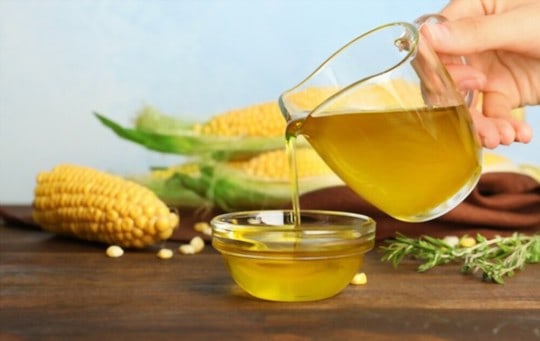
Corn oil is a type of vegetable oil that is made from the kernels of corn.
It is a relatively inexpensive oil with a high smoke point, making it a good choice for cooking.
Corn oil is also fairly neutral in flavor, so it won't significantly alter the taste of your food.
You can use corn oil for various cooking tasks, including frying, sautéing, and baking.
Just keep in mind that because corn oil is refined oil, it doesn't have the same nutrient content as unrefined oils like olive oil or coconut oil.
3 - Sunflower Oil
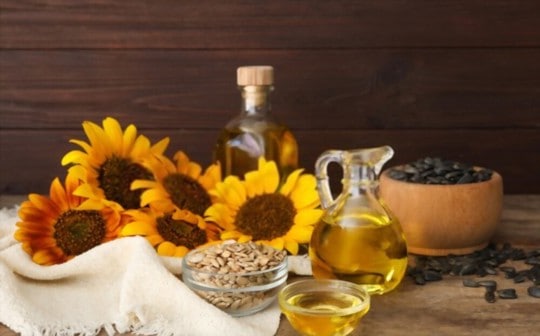
Sunflower oil is one of the most popular oils used in cooking.
It has a neutral flavor, which makes it ideal for use in a variety of recipes.
The oil is also relatively inexpensive, making it a good choice for budget-conscious cooks.
In addition, sunflower oil has a high smoke point, making it suitable for frying or sautéing.
However, sunflower oil is not appropriate for all cooking methods.
For example, oil should not be used for baking because it will impart a greasy flavor to the finished product.
Sunflower oil is also susceptible to rancidity, so it should be stored in a cool, dark place and used within a few months of opening.
When used properly, sunflower oil can be a versatile and flavorful ingredient in your kitchen.
4 - Soybean Oil
Cooking is an essential part of everyday life, and a variety of oils can be used for different purposes.
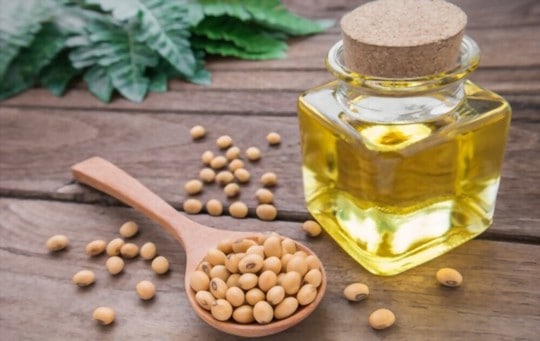
Soybean oil is a type of vegetable oil that is extracted from soybeans.
It is a popular choice for cooking because it is relatively inexpensive and has a high smoke point.
This means that it can be used for frying without generating harmful chemicals.
Soybean oil is also rich in polyunsaturated fats, which can help to lower cholesterol levels.
In addition, soybean oil contains lecithin, an emulsifier that helps to keep ingredients from separating.
As a result, soybean oil can be used in various ways, making it a versatile and convenient option for home cooks.
5 - Hazelnut Oil
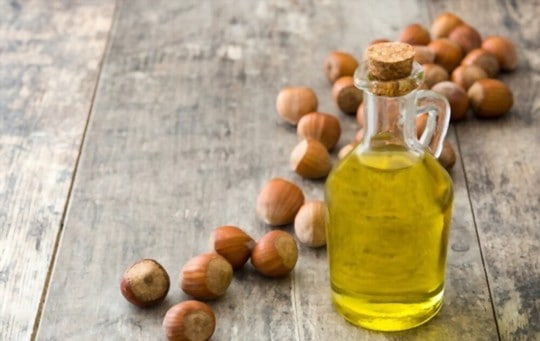
Hazelnut oil is a type of cooking oil that is made from pressing hazelnuts.
It has a nutty flavor and aroma, making it a popular choice for adding flavor to dishes.
Hazelnut oil is also rich in nutrients, including Vitamin E, which can help to protect the skin from damage.
When cooking with hazelnut oil, it is important to remember that it has a low smoke point.
This means that it should not be heated to a high temperature, as this can cause the oil to smoke and give the food a burnt taste.
Hazelnut oil is best used in dressings or to add flavor to cooked dishes.
It can also be drizzled over finished dishes as a garnish.
Frequently Asked Questions
Canola Oil, Corn Oil, Sunflower Oil, Soybean Oil, and Hazelnut Oil. Use it at a 1:1 ratio in any recipe that calls for Safflower Oil.
Yes. Canola Oil and Corn Oil work as direct replacements in most recipes.
Use the same quantity and adjust seasoning after tasting.
Usually not, but check moisture content. Wetter substitutes may need a slightly higher temperature or longer cook time to evaporate excess liquid and achieve the right texture.
Is the substitute appropriate for all dietary restrictions?
Check labels carefully.
Many substitutes introduce allergens or ingredients that conflict with specific diets - dairy, gluten, soy, or nuts may appear in processed alternatives.