
Good replacements for Spirulina include Chlorella, Moringa, Barley Grass Powder, Wheatgrass, and Hemp Seeds.
Chlorella is the closest match - it has a similar flavor and works at a 1:1 ratio in most recipes.
For cooking, Moringa also works well - adjust the amount to taste.
Spirulina's the buzzword in health circles, making waves with its rich nutrient profile.
But hey, it's not for everyone - the taste can be a deal-breaker. Hunting for alternatives?
Our kitchens have turned into mini-labs, experimenting to find the perfect swaps.
Ready to give your meals a nutritional boost without spirulina?
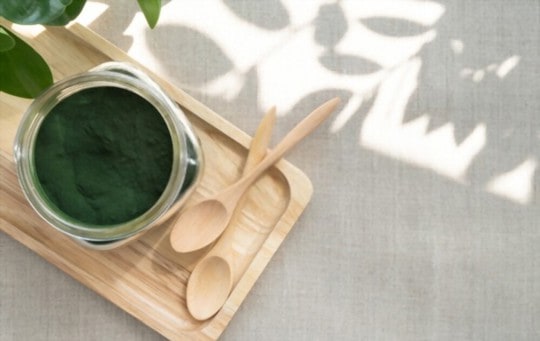
Nutrient-Rich Spirulina Alternatives
If you've been looking for a substitute for spirulina, your search ends here.
We have carefully curated the five best alternatives to this exclusive superfood.
Here is a closer look at each option:
For low-carb meal options that pair with these nutrient-rich swaps, see the low-carb pasta alternatives list for quick meals.
1 - Chlorella
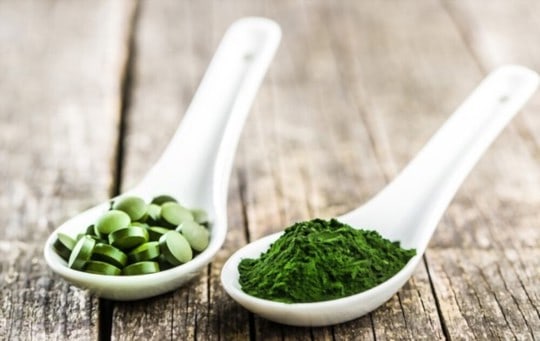
Chlorella is a captivating alga that is well-known for its tremendous nutritional benefits.
This mitochondria-rich microalga has an abundance of minerals, vitamins, and phytochemicals which makes it an attractive supplement option.
It has a soft yet crunchy texture with a mild taste that makes it easy to incorporate into drinks and smoothies.
If you are looking to substitute Spirulina powder, Chlorella provides comparable health benefits with additional protein and healthy fats without disturbing the flavor too much.
2 - Moringa
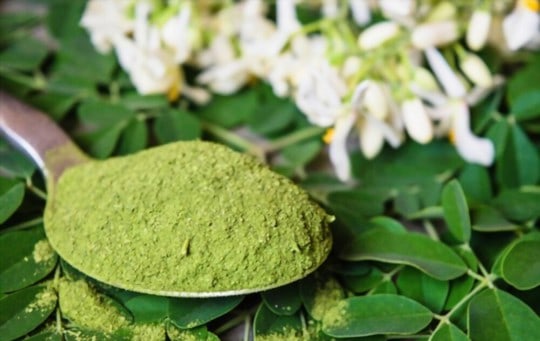
Moringa is a superfood that has drawn a lot of attention from people all around the world.
It is highly nutritious, eaten both fresh and as a dried powder, and is often referred to as 'the miracle tree' because of its many benefits.
The leaves have an earthy taste, quite similar to spinach but milder in flavor and texture.
Moringa powder can be used in smoothies or added to soups and stews to give them a nutritional boost.
It's also great for substituting spirulina in dishes as it imparts the same green color without an overly fishy flavor.
With its long list of health benefits and versatility in recipes, it's no wonder why Moringa is commonly referred to as the 'miracle tree'.
3 - Barley Grass Powder

For those looking to nourish their bodies with the strong nutrition provided by green superfoods, barley grass powder is an interesting and unique option - explore gluten-free barley flour substitute options that work well in baking.
This powder derived from the young leaf of the barley plant contains high quantities of vitamins A, C, E, and the entire B complex family, but also various other minerals, including magnesium, zinc, and calcium.
On top of all this nutritional content, barley grass powder has a notable burstiness and subtle fruity taste that helps set it apart as a truly special ingredient.
Also, when used in recipes as a substitute for spirulina, it offers similar light-green coloring capabilities while still giving its own uniquely delicious flavor.
It has never been easier to integrate the power of nutrient-dense food into any favorite recipe.
4 - Wheatgrass
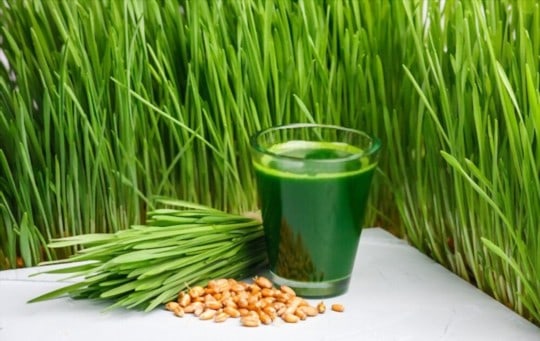
Wheatgrass is an incredibly versatile and nutritious superfood, packed full of fiber, chlorophyll, and tons of vitamins and minerals.
Because wheatgrass is grown from the wheat berry, it has a slightly grassy taste that can be a bit sour, although some people find it surprisingly mild.
The texture is something like eating fresh grass off your backyard lawn - chewy but not crunchy.
If you're looking for something similar to Spirulina, Wheatgrass is definitely a good substitute due to its detoxifying effects - discover wheatgrass flavor reveal to see how it compares.
It's also much easier to get hold of and more cost-effective too.
All in all, wheatgrass is considered one of nature's greatest healers, offering numerous health benefits while still tasting pretty good.
5 - Hemp Seeds
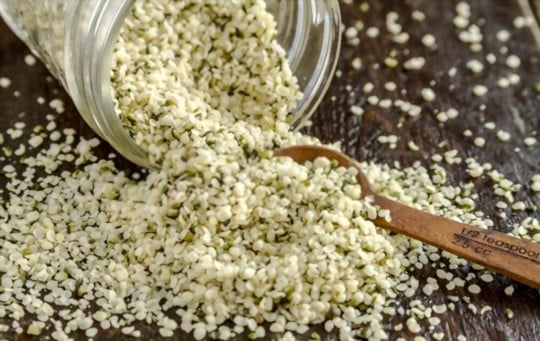
Hemp seeds are a great resource for many dietary needs.
Both are they packed with protein, essential fatty acids, minerals, and antioxidants, but also they've been cultivated for thousands of years by civilizations all across the world.
These tiny, nutty-flavored seeds have a crunchy texture, similar to sesame seeds, and make a good addition to yogurt bowls or salads.
Even better, hemp seeds can easily be substituted for spirulina in meals due to their nutritional composition, containing ten different amino acids and high doses of vitamins and minerals such as calcium, iron, and potassium.
As hemp progress continues to be made around the globe, it shows itself to be an invaluable addition where perplexity once filled our minds.
You might also want to know what spirulina tastes like.
Green Goodness Quest: what spirulina tastes like is covered in detail at spirulina taste guide and notes. For a related flavor comparison, read wheatgrass flavor reveal.
Frequently Asked Questions
Chlorella, Moringa, Barley Grass Powder, Wheatgrass, and Hemp Seeds. Use it at a 1:1 ratio in any recipe that calls for Spirulina.
In most cases, yes. Try Chlorella first since the flavor is closest.
Moringa handles heat and texture differently, so test in small batches.
It can, especially with ingredients that have distinct colors or pigments. The difference is usually minor in mixed dishes but may be more visible in lighter sauces or batters.
How do you adjust seasoning when using a substitute?
Taste as you go.
Substitutes can be saltier, milder, or sweeter than the original.
Add seasoning gradually and adjust at the end rather than matching the original recipe amounts exactly.