
Suet and lard sit in our kitchens, often mistaken for one another. T4What's the big deal, right
? Both fats, both from animals.
T6Yet, here we are, scratching our heads over them.
First off, suet. It's beef fat, folks.
Straight from around the kidneys. Pure, hard, and ready for your pastry dreams.
Then there's lard. Pig fat's the game here.
Soft, spreadable. Your pie crusts adore it.
.off. My grandma used to swear by suet for her mince pies.
Claimed it was the secret to flaky heaven. Me?
I once baked a pie with lard by mistake. Disaster?
Kinda. Delicious?
Absolutely.
Each brings its own flair to the table. Knowing which to use can improve your cooking from meh to wow.
What is Suet?
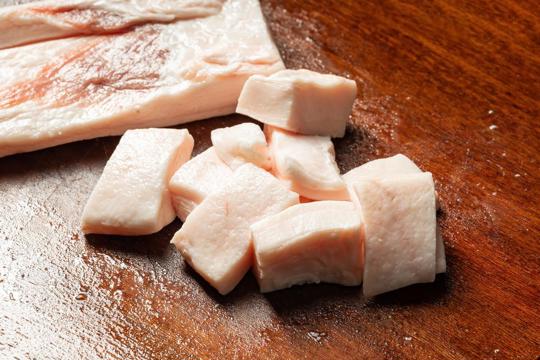
Suet is a key ingredient in traditional British cuisine.
It's the hard fat that surrounds the kidneys of cows and sheep.
Its high melting point makes it perfect for cooking.
It gives a rich flavor to dishes.
Using suet has a long history.
It's used for baking, frying and making Christmas puddings and mincemeat pies.
Its high fat content adds moisture and tenderness to baked goods.
Suet is unique.
It has a higher melting point than lard.
It remains solid at room temperature, great for certain cooking methods.
Suet adds a subtle richness to savory dishes, like stews and casseroles.
It also creates flaky and light pastries or dumplings.
Suet needs preparing before use.
Finely grate or mince it.
Chill it before baking, so it blends well with flour.
Suet is essential in British cooking.
It brings a unique character to sweet and savory dishes.
It's an important ingredient in many classic recipes.
When using suet in sweet or pastry preparations, think about bright citrus pairings - lemon dessert pairings that brighten pastries work well with rich, fat-forward doughs.
What is Lard?
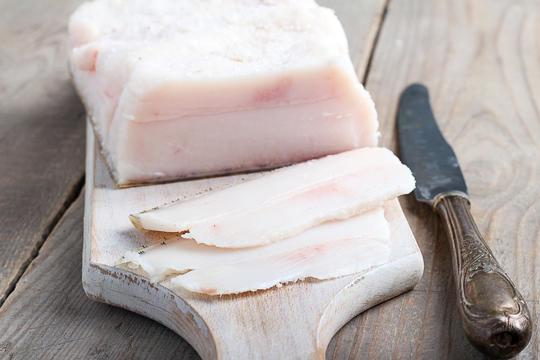
Lard is a multipurpose substance rendered from pig fat.
It adds a yummy flavor and richness to dishes.
It is perfect for frying and sautéing, due to its high smoke point.
Its creamy texture makes baked goods even more tender.
Lard is compared to butter or oil, and is loved for its ability to make flaky pie crusts.
Unlike butter, lard has little water content, giving a crumbly texture that melts in your mouth.
Both professional chefs and home cooks use lard in many culinary traditions.
It is also worth noting that lard has monounsaturated fats.
These are good for heart health, as they help reduce bad cholesterol levels.
Plus, lard has a lengthy shelf life due to its low oxidative potential.
This is great for food preservation and keeping food fresh.
With its one-of-a-kind qualities and usefulness, lard is a must-have ingredient for savory meats and scrumptious pastries.
Differences Between Suet and Lard
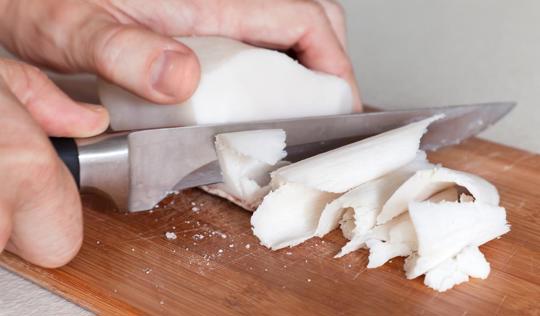
Suet and lard look alike, but they're not the same.
Suet is solid fat from around the kidneys of animals, while lard is pork fat that's been processed - see beef suet vs tallow comparison for a close relative of suet.
The two fats have different textures and tastes, which make them perfect for different cooking.
Source and Composition
Suet and lard are two ingredients regularly used for cooking.
But, what exactly are they? Suet is fat from around the internal organs of animals like cows or sheep.
Lard, though, is fat from pigs.
Both are solid at room temperature and have a high melting point, making them great for baking and frying.
Suet has more saturated fats than lard.
It also has a stronger flavor, which can add flavor to dishes.
Lard has a milder taste and a softer texture.
This makes it versatile for recipes.
Suet and lard also have different culinary uses.
Suet is often used for traditional British puddings and pastries since it has a strong flavor and creates a crumbly texture.
Lard is often used in Mexican cuisine for making tortillas or tamales as it adds tenderness and enhances flavors.
Suet and lard can be used interchangeably in some recipes.
However, due to their distinct flavors and textures, it's best to consider the requirements of your dish before using one for the other.
Suet and lard are both solid at room temperature but differ in terms of composition, taste, and culinary uses.
Knowing these differences can help you choose between suet or lard for your next cooking adventure.
Preparation and Processing
There are differences to note.
Suet is made from the hard fat around the kidneys of cows and sheep.
Lard is from the fatty tissues of pigs.
Suet and lard need to be rendered to extract their fat.
Suet is chopped or grated before being heated at a low temperature.
This melts away impurities and connective tissue.
The liquid fat is strained and cooled until it forms small blocks.
Lard has a different rendering method.
Pieces of fatty tissues are cut and heated at a higher temperature.
This separates the liquid fat from protein and water.
It's filtered and cooled, forming a creamy white substance.
Suet and lard have different characteristics.
Suet has a high melting point and is used in British recipes.
Lard has a lower melting point and is used in biscuits, pie crusts, and Mexican cuisine.
Both suet and lard are rendered to extract their fat content.
Knowing their differences lets chefs and cooks use the right ingredient for their creations.
Flavor and Texture
The flavour and texture of suet and lard are different.
Suet has a rich, buttery taste with a slight gamey note.
Lard's flavour is milder and more neutral.
Suet is usually firmer and waxy, whereas lard is softer and smoother.
Both fats can add taste and texture to dishes - for a quick primer on naming those differences see extract vs flavor explainer.
Suet is derived from the fat around cow or sheep kidneys.
It improves British puddings and pastries.
Plus, its waxy texture helps it retain moisture during cooking.
This makes dishes tender and juicy.
Lard comes from a pig's abdomen or loin.
Its mild taste means it can be used in sweet and savoury recipes.
For centuries, it has been used to bake flaky pie crusts and create crispy fried food.
Thanks to its soft texture, it mixes easily into doughs and batters.
Suet and lard are both great for cooking and baking, as they have high smoke points and add moisture.
Their flavours are key to deciding which one to use in a recipe.
Try out these two fats and see how they can make your food better.
Cooking Applications
Suet and lard are two popular cooking fats - for a similar look at how two close pantry items differ, see white cooking wine vs white wine vinegar comparison.
Suet, from beef or mutton fat, is usually used for making traditional British dishes like suet puddings and dumplings.
Its high melting point is good for pastry and savory dishes like roasts and stews.
Lard is rendered pork fat.
It has a lower melting point than suet, so it's great for frying and sautéing.
It adds flavor and moisture to baked goods such as pie crusts and biscuits.
Each fat has its own special culinary capabilities.
Suet gives British fare richness and flakiness.
Lard adds flavor and moisture to both baking and frying.
Knowing the particular advantages of each fat allows chefs to make delicious dishes with accuracy and skill.
Similarities Between Suet and Lard
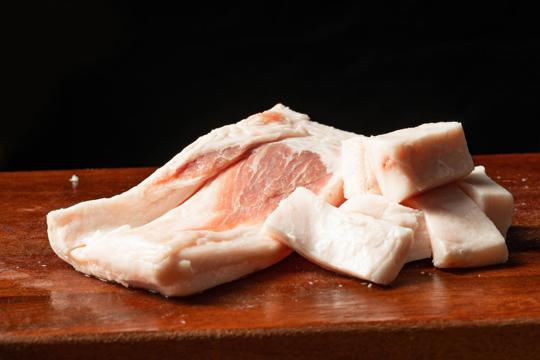
Suet and lard may look alike, but they have different traits.
Both are animal fats used in cooking and baking - compare to butter vs lard breakdown for texture contrasts when choosing a fat.
They both give moisture and richness to meals.
But they originate from different sources and have different melting points.
Suet comes from beef or mutton and has a higher melting point than lard.
It works well for pastry doughs and British puddings like Christmas pudding.
Its firmness produces light, flaky layers in baked goods.
On the other hand, lard is made from pork fat.
It has a lower melting point, perfect for frying and sautéing.
Its flavor makes dishes like fried chicken and roasted potatoes yummier.
You can use either suet or lard in some recipes, knowing the differences between them helps you get the desired results.
So if you want to make hearty pastries or add flavor to savory dishes, understanding the properties of these fats is essential.
Nutritional Comparison: Suet vs Lard
Suet and lard are both animal fats often used for cooking.
But what sets them apart?
Suet is extracted from beef or mutton fat.
It's known for its high melting point and flavor.
It contains a lot of saturated fat, which may cause heart health issues.
On the plus side, it provides vitamins and minerals like B12 and iron.
Lard is taken from pig fat. Its texture is softer than suet - for a plant-based alternative comparison see shortening vs lard comparison.
It includes saturated fat, but also monounsaturated fats which are healthier.
Plus, lard has vitamin D and small amounts of vitamin E.
The uses of suet and lard are different.
Suet is used in British recipes like puddings and pastry doughs.
Its firm texture creates flaky results.
Lard, with its softer consistency, is often used for frying or baking.
Both suet and lard have their unique characteristics and culinary applications.
But, because of their high saturated fat content, they should only be consumed in moderation.
A healthcare professional can help determine which one is better for you.
To summarize, suet and lard both contain saturated fats, but have different fatty acid profiles.
Knowing these differences can help you make informed decisions about using them for cooking without sacrificing taste or health.
Culinary Uses and Recipes with Suet and Lard
Suet and lard are two popular ingredients in cooking. Each has its own unique properties.
Suet is beef or mutton fat, and is great for adding moisture and richness to dishes like puddings and pastries.
Meanwhile, lard is pig fat - perfect for frying, baking and making light, flaky pie crusts.
Both can be used interchangeably, depending on your needs - see duck fat vs lard flavor uses to weigh another rich-fat swap.
For example, when making a British dish like steak and kidney pudding, suet is the ideal choice.
If you want crispy fried chicken or a flaky pastry crust, lard is the way to go.
It's important to pick high-quality sources of suet or lard.
This will make all the difference in taste and success.
Get your fats from reliable suppliers that focus on animal welfare and offer premium products.
To sum up, suet and lard both offer something special to your recipes.
Together, they can make a big difference in taste and texture.
Be sure to get quality fats to get the best results.
Cooking Uses: Suet vs Lard
Suet and lard are two distinct ingredients, each with unique qualities.
Suet is a hard fat found around the kidneys of animals and used in baking.
It melts at a high temperature, giving pastries and puddings a flaky texture and rich flavor.
Plus, it adds moisture. Lard is rendered pig fat.
It melts at a lower temperature, making it great for frying.
It also has a savory taste, making it perfect for savory dishes like fried chicken and pie crusts.
Its texture gives baked goods a tender and moist finish.
They can be used interchangeably in some recipes, it's important to choose the one that fits your flavor and texture needs best.
Frequently Asked Questions
Lard is compared to butter or oil, and is loved for its ability to make flaky pie crusts. They share some similarities but each has qualities that make it better suited for certain recipes.
Sometimes. Suet works where Lard is called for in certain dishes, but not all.
Check whether the recipe relies on a specific quality before substituting.
Cold preparations like salads and dressings often favor the option with a sharper, more defined flavor. Heat can mellow both, so the distinction matters more in uncooked dishes.
Do professional cooks prefer one over the other?
Professional preference depends heavily on the dish and cuisine style.
Each has its context where it outperforms the other, so most experienced cooks keep both on hand.
5 BEST Substitutes for Suet can help when recipes call for a high-melting animal fat. 5 BEST Substitutes for Suet provides practical swaps. 5 BEST Substitutes for Lard lists alternatives when lard isn't available.