
The differences between Teflon and stainless steel can seem subtle but are, in fact, anything but.
With materials that carry a wide variety of properties - each carrying its own advantages and disadvantages - knowing more about them can aid cookers in making informed decisions about what best fits their needs.
Here, we'll provide an informative look into how these two popular materials stack up against one another so you can decide which is best for your kitchen.

What is Teflon?
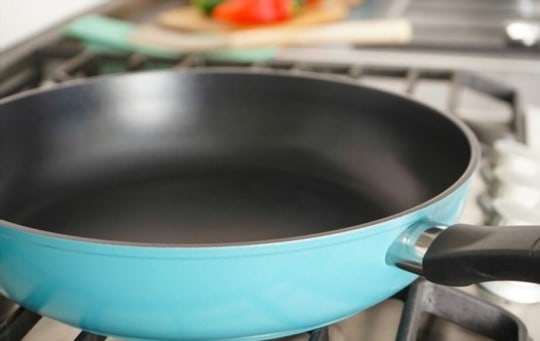
Teflon is a type of non-stick material that is widely used in the kitchen.
It was invented in the 1930s by chemist Roy Plunkett and is made polymers that contain tetrafluoroethylene (TFE).
Teflon has many advantages, including its ability to resist heat, chemicals and corrosion.
While Teflon has many great features, it also has some drawbacks.
One major concern with Teflon is that it can release toxic fumes if it becomes overheated.
These fumes have been linked to respiratory problems and other health issues.
For dessert pairing inspiration that balances acidity, lemon dessert pairing ideas suggests complementary flavors and textures.
What is Stainless Steel?

Stainless steel is a type of metal that contains at least 10.
5% chromium, which creates a protective layer of chromium oxide on the surface of the metal.
This protective layer makes stainless steel highly resistant to corrosion and rust, making it ideal for use in various industries such as construction, pharmaceuticals, and food preparation.
When discussing stainless steel, there are different grades of stainless steel available, each with different properties and uses - see porcelain steel vs stainless comparison for how surface finishes change performance.
The most common grades include 304 and 316 stainless steel.
Grade 304 is an all-purpose stainless steel that is commonly used in household appliances and kitchenware.
Grade 316 is a higher grade of stainless steel that is often used in marine environments due to its superior resistance to saltwater corrosion.
In addition to its corrosion resistance properties, stainless steel also has a high strength-to-weight ratio and is easily cleaned and sanitized.
It is also non-reactive to acidic substances, making it suitable for use in food processing equipment.
If you're considering using stainless steel in your home or business, it's important to choose the appropriate grade based on your specific needs.
Also, if you're looking for a material with non-stick properties or easy clean-up capabilities, stainless steel may not be the best choice.
Differences Between Teflon and Stainless Steel

The choice between Teflon and stainless steel can be daunting.
To help you make a decision,
Heat distribution matters in cooking.
With Teflon cookware, heat distribution is usually unstable, resulting in hot spots that can burn your food.
On the other hand, stainless steel distributes heat evenly throughout the surface of the pan or pot.
This even heat distribution ensures that food is cooked uniformly without burning or undercooking.
The cooking surface is another critical factor.
Teflon has a non-stick surface that makes cooking and cleaning easy as nothing sticks to it.
However, prolonged use or high temperatures may cause the non-stick coating to flake off or chip away.
Meanwhile, stainless steel is stick-resistant but requires proper seasoning or oiling of the cooking surface to prevent sticking.
Durability is an essential feature that determines how long your cookware will last.
Teflon coating is prone to scratches and chips, which can lead to health hazards if ingested with food.
In contrast, stainless steel cookware is highly durable and resistant to wear and tear.
Compatibility with different types of food is also important when choosing cookware.
Teflon is reactive to acidic foods like tomatoes and citrus fruits, which may cause health problems due to the ingestion of harmful chemicals.
Stainless steel does not react with any food types, making it a safe option for cooking.
Maintenance is another important aspect that needs to be considered before purchasing cookware.
Teflon cookware is easy to clean as food does not stick onto the surface.
In contrast, stainless steel requires some effort to clean, as food particles tend to get stuck on its surface.
For cooks deciding between different steel pans, stainless steel vs carbon steel pan differences explains which steel suits specific cooking methods and maintenance needs.
Cooking Performance and Durability
One of the most important factors to consider is cooking performance and durability.
Each material has its own strengths and weaknesses in terms of cooking performance and durability.
Teflon cookware has excellent non-stick properties which makes it easier to cook delicate foods like eggs or fish without sticking to the surface.
However, Teflon is not very scratch-resistant which means it can easily get damaged by metal utensils or abrasive sponges.
On the other hand, Stainless Steel cookware has good cooking performance with excellent heat conductivity.
This material spreads heat evenly throughout the surface which allows for precise temperature control while cooking.
Also, stainless steel is highly scratch-resistant which makes it much more durable compared to Teflon cookware.
Despite having a reputation for being less durable than stainless steel, Teflon still holds up well over time if used and cared for properly.
To avoid scratching or damaging your Teflon cookware, use wooden or silicone utensils when stirring food and avoid using abrasive cleaning agents.
When recipes call for deglazing or bright acidity, white cooking wine vs white wine vinegar comparison for cooking outlines how each ingredient affects flavor and technique.
Ease of Use and Maintenance
Both Teflon and stainless steel cookware have their pros and cons.
Teflon is known for being extremely easy to clean, as food rarely sticks to its non-stick surface.
On the other hand, stainless steel requires more effort to clean as food tends to stick to the surface.
However, scratching Teflon can cause serious damage to the non-stick coating, which does not happen with stainless steel.
Note that using metal utensils on Teflon cookware should be avoided.
In terms of versatility, stainless steel can be used with any type of heat source (including induction), while Teflon coatings cannot be used with high heat settings due to their low melting point.
Stainless steel is also oven-safe; however, depending on the handle material, Teflon cookware may not be able tolerate high oven temperatures.
Both Teflon and stainless steel have different expected lifespans.
While Teflon may need replacement after a few years due to wear and tear on the coating from daily use or cleaning with abrasive materials, properly maintained stainless steel can last for decades because it is highly durable.
When planning meals that match cookware convenience with nutrition, high-protein side dish ideas without meat offers protein-forward sides that pair well with simple cookware routines.
Safety Concerns and Health Effects

Teflon and stainless steel are both durable materials for cooking utensils, but they can have different safety concerns and health effects.
Teflon has been controversial due to its potential toxicity.
The coating contains perfluorooctanoic acid (PFOA) and polytetrafluoroethylene (PTFE), which may release toxic fumes if heated above 500°F (260°C).
These fumes can cause flu-like symptoms known as polymer fume fever, which is temporary but not pleasant.
However, if you use Teflon pans at a lower temperature and avoid overheating them, they are generally safe.
On the other hand, stainless steel is generally regarded as safe for cooking.
It doesn't contain any harmful chemicals that could leach into your food.
However, you should still be careful not to scratch or damage the surface of your stainless steel cookware.
Scratches can provide a breeding ground for bacteria and make it harder to clean.
There have also been reports of some people experiencing allergies from using Teflon cookware.
While this isn't common, it's something to be aware of if you have sensitive skin or respiratory issues.
Stainless steel is non-reactive and hypoallergenic, making it a good option for people with allergies or sensitivities.
In summary, while both Teflon and stainless steel are safe to use for cooking, Teflon has potentially harmful components that must be handled with care.
If you're concerned about safety, consider opting for stainless steel cookware.
Cost Comparison
When choosing between Teflon and stainless steel cookware, another aspect that many people consider besides health effects and safety concerns is the cost.
Both types of cookware are available at different price points, and the choice ultimately depends on the budget and personal preferences.
Teflon cookware sets generally tend to be less expensive than their stainless steel counterparts with similar features.
However, Teflon coatings have a limited lifespan and may need to be replaced frequently if repeatedly exposed to high heat or abrasive utensils.
On the other hand, high-quality stainless steel cookware can last a lifetime with proper care but may require higher upfront investment.
When considering cost comparison between Teflon and stainless steel cookware sets, it's also worth considering long-term benefits versus short-term savings.
While Teflon sets may be budget-friendly initially, they represent a recurring expense over time.
In contrast, investing in high-quality stainless steel cookware can save money and improve the overall cooking experience in the long run.
Teflon vs Stainless Steel: Which One to Choose?

There are various factors that need to be taken into consideration.
While Teflon is non-stick and easy to clean, Stainless Steel is durable and safe for high-temperature cooking.
Both have their own pros and cons, making the decision a bit challenging.
On the basis of the above comparison, you can see that while Teflon is cheaper and easier to clean, it lacks durability and heat tolerance when compared to Stainless Steel.
On the other hand, Stainless Steel is expensive but highly durable and can withstand high temperatures without any damage - see glass vs stainless kettle comparison for heat handling to see how stainless performs in appliance use.
Apart from these parameters, there are a few more things that you should keep in mind while choosing between Teflon and Stainless Steel cookware.
- If you are someone who cooks at high temperatures frequently or uses metal utensils, then Stainless Steel would be a better option for you.
- If you prefer using less oil while cooking or want easy cleaning options, then Teflon would be a good choice.
Best Uses for Teflon and Stainless Steel Cookware
While Teflon offers a non-stick surface, it is not as durable as stainless steel and can be easily scratched.
On the other hand, stainless steel may not provide a non-stick surface but is highly durable and resistant to scratches.
After comparing the two materials, it can be concluded that the choice between Teflon and stainless steel ultimately depends on your individual needs and preferences.
If you prioritize a non-stick surface, are willing to replace your cookware often, and do not use metal utensils while cooking, then Teflon could be a good option for you.
However, if you prefer durability, longevity, versatility and do not mind adjusting to cooking with a bit of oil or butter to prevent sticking without damaging your cookware then stainless steel is likely the better choice.
Frequently Asked Questions
When it comes to cookingware, the differences between Teflon and stainless steel can seem subtle but are, in fact, anything but. They share some similarities but each has qualities that make it better suited for certain recipes.
Sometimes. Teflon works where Stainless Steel is called for in certain dishes, but not all.
Check whether the recipe relies on a specific quality before substituting.
Cold preparations like salads and dressings often favor the option with a sharper, more defined flavor. Heat can mellow both, so the distinction matters more in uncooked dishes.
Do professional cooks prefer one over the other?
Professional preference depends heavily on the dish and cuisine style.
Each has its context where it outperforms the other, so most experienced cooks keep both on hand.
Blue carbon steel cookware compares across use cases. Blue Carbon Steel vs Carbon Steel: what's different looks at performance contrasts. ceramic vs steel honing rod comparison for edge care explains how rod choice affects blade maintenance.