Tiramisu is cold, creamy and coffee-soaked, so the best partners add bitterness, acid or crunch.
- Espresso, sweet Marsala, tart berries and crisp cantucci give you that contrast.
- Dinner before it works best light and tomato-, bean- or vegetable-based.
- Classic tiramisu has raw egg yolks: use pasteurized eggs, and never serve a raw-egg version to children, older adults, pregnant guests or people with weakened immune systems.
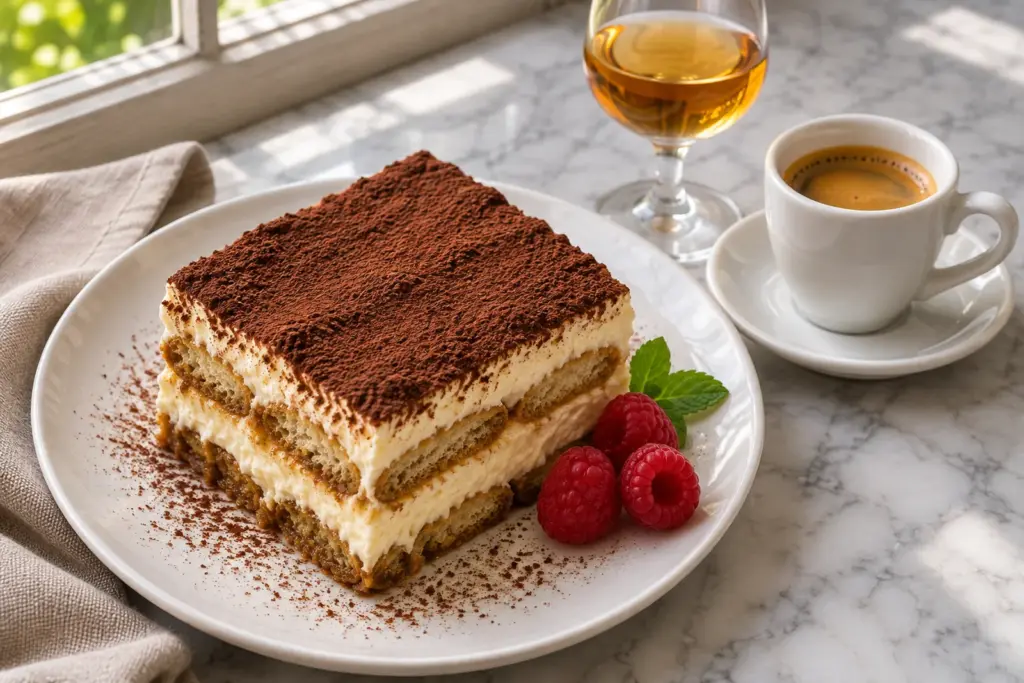
Tiramisu is the dessert, so the best pairings are the drinks, fruit and cookies you set beside it, plus the light Italian course you serve before it. The name means "pick me up" in Italian, and the dessert is made of ladyfingers (savoiardi) dipped in coffee and layered with a mascarpone cream that contains egg yolks, then dusted with cocoa.
What Goes Well With Tiramisu?
Every layer of tiramisu turns out soft, sweet and rich, with only a slightly bitter edge from the cocoa and coffee. We'd look for a sharp, bitter or crisp contrast on the side, since a second soft, sweet thing gives you nothing new between spoonfuls.
Four jobs cover the dessert plate, and one item from three of them gives you a full course to serve.
| Job on the plate | Items below |
|---|---|
| Hot bitterness | 1: espresso |
| A sweet drink | 2 to 5: Marsala, Vin Santo, Moscato d'Asti, amaretto |
| Tart fruit | 6, 7 and 9: berries, skewers, orange and figs |
| Something crisp | 8 and 10: cantucci, toasted nuts |
Most of these pairings set acid or bitterness against the fat in the mascarpone. The same contrast lets an orange, a square of dark chocolate or a cup of strong tea stand in when you run short of the items below.
10 Best Things to Serve With Tiramisu
1. Espresso
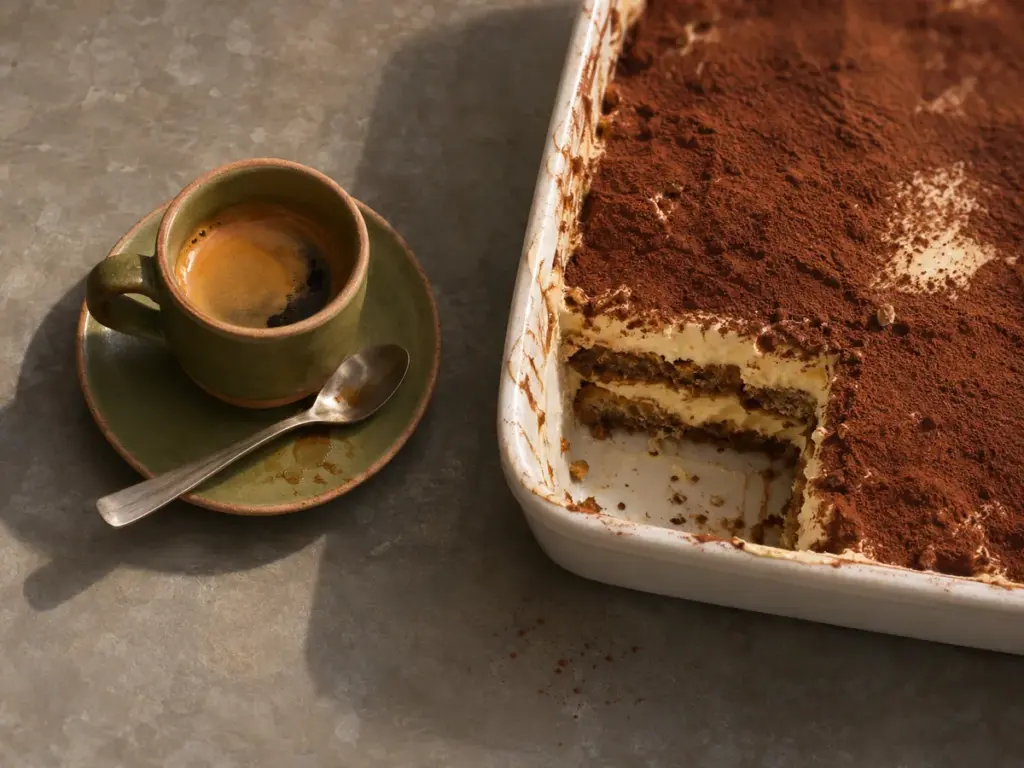
A single shot (about 1 ounce) of plain espresso is hot and bitter, and tiramisu is cold and sweet, so you taste each one more clearly beside the other. Recipes from Italy says strong espresso gives tiramisu its flavor, and we'd skip sugar and milk in the cup so it stays apart from the dessert.
Shots pulled last, after the slices are cut, are still hot when they reach the table, while the tiramisu stays cold on the plate.
2. Sweet Marsala
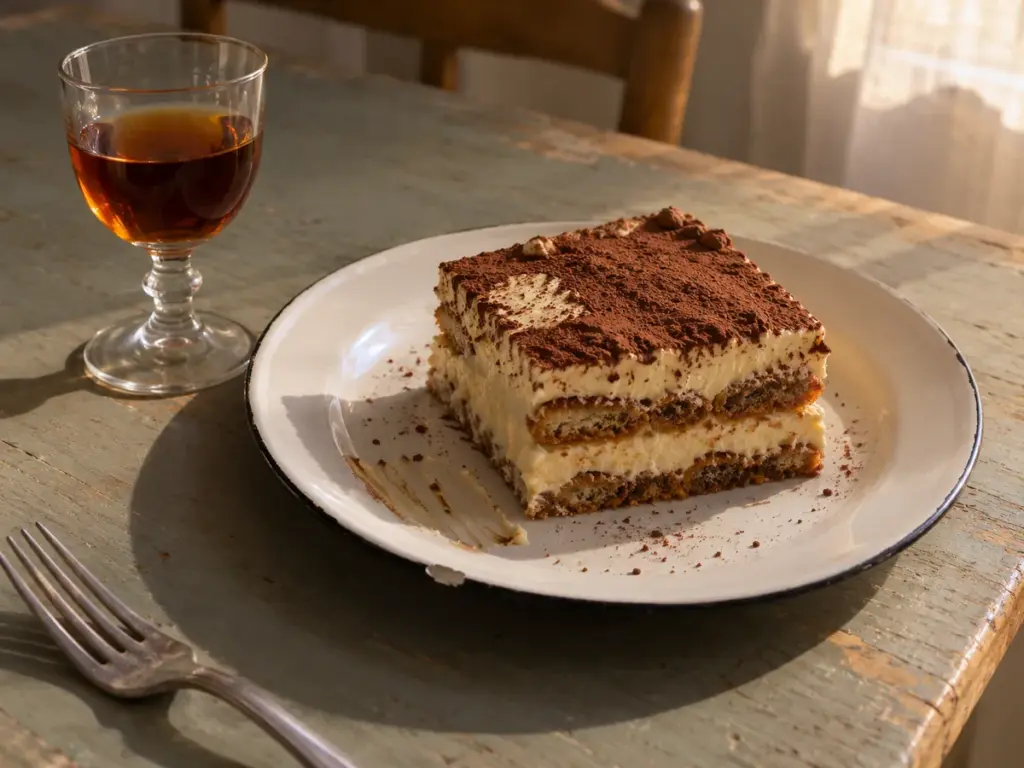
Marsala comes from the west coast of Sicily as a fortified wine, and VinePair says bottles are labeled secco (dry), semisecco (semi-dry) or dolce (sweet). VinePair also calls Marsala a great dessert pairing, and with a sweet dessert we'd pour the dolce bottle so the glass is at least as sweet as the slice.
Many Italian tiramisu recipes already use Marsala, which Recipes from Italy calls traditional but optional, so a small glass on the side echoes the dessert.
If you can't find dolce, sweet sherry is another fortified wine for dessert, and the sherry and Marsala guide says the sweet version pairs better with desserts.
3. Vin Santo
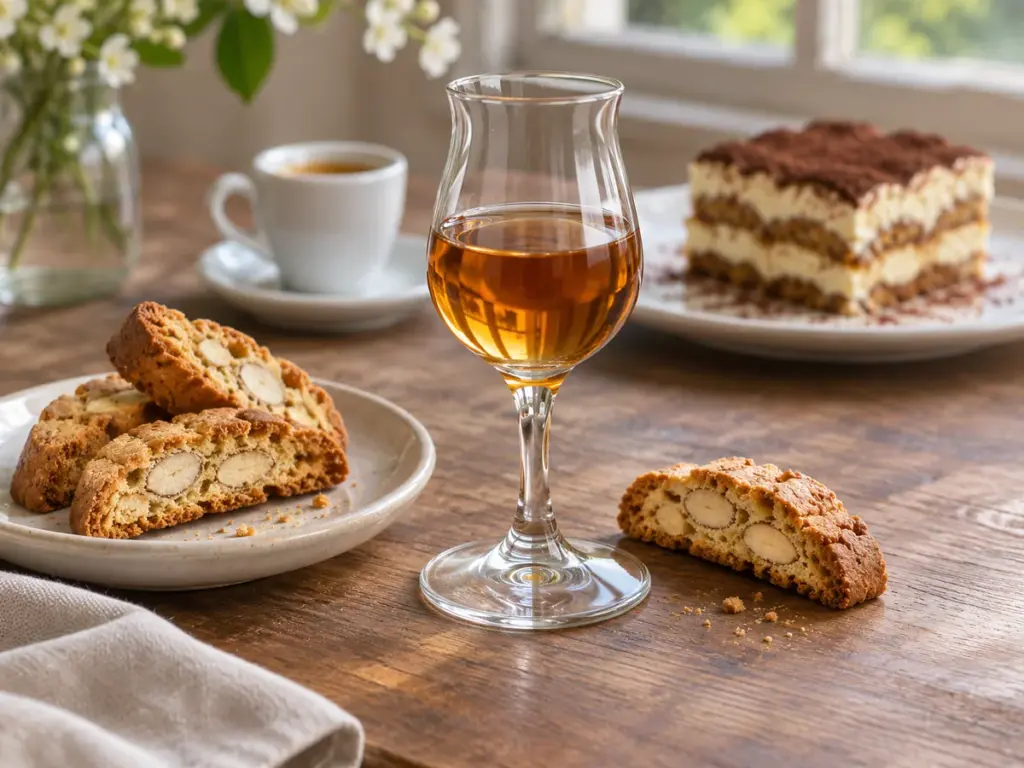
Vin Santo starts in Tuscany with grapes dried for months, which concentrates their sugar. VinoFYI says the medium-sweet and sweet styles (amabile and dolce) keep 50 to 150 grams of sugar per liter, and that the wine is traditionally served with cantuccini.
The words amabile or dolce on the label tell you which bottles are the sweet ones. VinoFYI serves it slightly chilled, around 12 to 16°C (about 54 to 61°F, converted), and a small pour leaves you room to dunk a cookie or two.
4. Moscato d'Asti
Moscato d'Asti is the lightest sweet wine on the list, and Wine Folly puts it at typically just 5.5% alcohol, only half-sparkling (frizzante), and best chilled at 38 to 50°F.
We'd pick it when the table wants bubbles against the cream, and its low alcohol suits a crowd or guests who want a lighter glass than Marsala or Vin Santo.
If you open the bottle shortly before dessert and pour small flutes, the fizz stays lively and the portions stay modest.
5. Amaretto

Amaretto is a sweet almond-flavored liqueur and far stronger than Moscato d'Asti, so a small measure in a short glass is plenty, or you can stir a teaspoon into your espresso.
The amaretto guide describes the liqueur as mild, nutty and slightly bitter, which suits the cocoa on top of the slice, and port and cream sherry work as well if you prefer them.
6. Macerated Strawberries and Raspberries
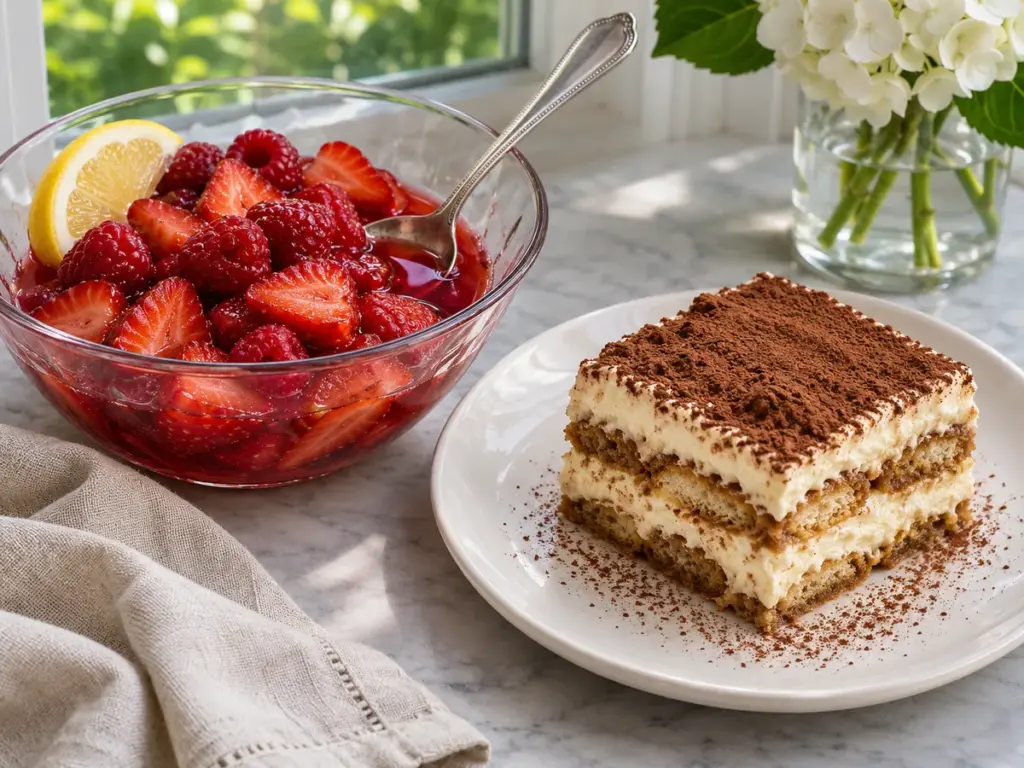
Fruit with real tartness does the job espresso does in the cup by cutting the mascarpone, and the syrup that forms under the berries doubles as the only sauce you need.
- Slice 1½ pounds of strawberries and leave the raspberries whole.
- Stir in ⅓ cup of sugar and ¼ cup of lemon juice.
- Rest the bowl 15 to 30 minutes, until a red syrup pools.
- Spoon it beside each slice, not on top.
Those amounts follow Italian Recipe Book, and you can go up to ½ cup of sugar if you want extra sweetness.
7. Tart Fruit Skewers
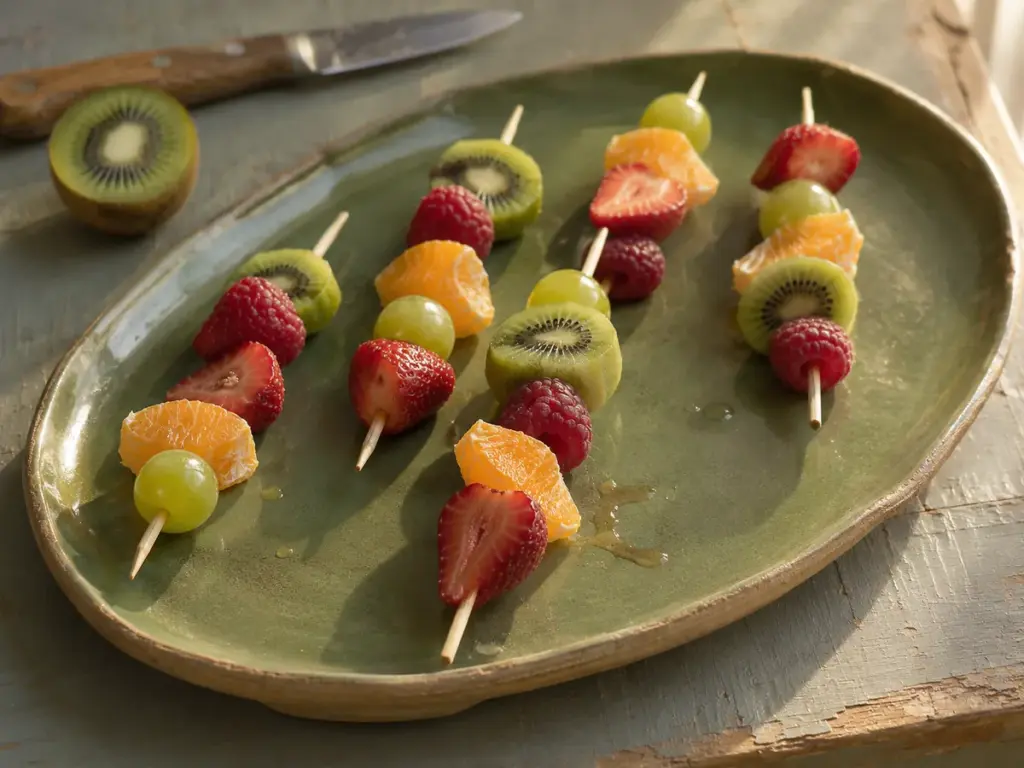
Fruit skewers do the same job as the macerated berries, and you need no bowl or spoon. You thread strawberries, raspberries, green grapes, kiwi rounds and orange segments, and pieces cut to similar sizes sit steadily on the stick.
The FDA advises refrigerating pre-cut produce at 40°F or below, and we'd treat skewers you cut yourself the same way, so they wait in the refrigerator until dessert.
8. Cantucci
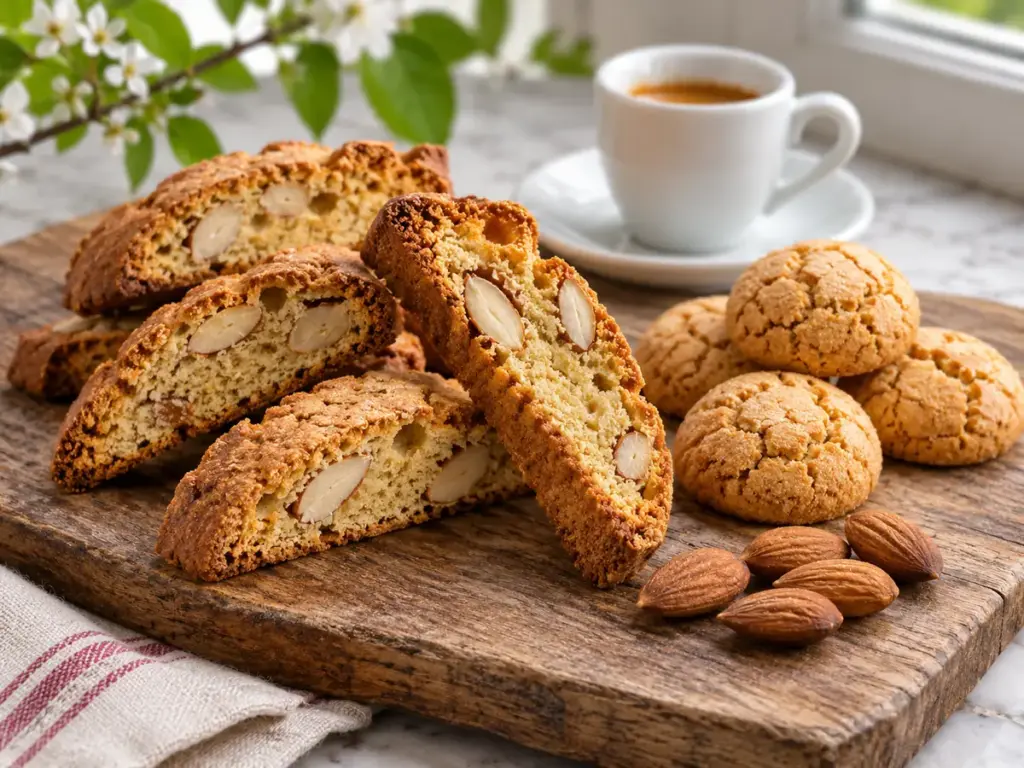
Cantucci are almond cookies baked twice, and Fine Dining Lovers says the traditional way to eat them is dunked in Vin Santo after dinner. Their hard crunch gives you the one texture soft tiramisu lacks.
In most American stores you'll find them on the shelf as crunchy biscotti. The golden amaretti in the photo are another almond cookie if you want a second kind on the board.
9. Orange Segments and Fresh Figs
A plate of peeled orange segments brings acid, and halved fresh figs add a soft sweetness without more cream. You can put four or five segments and a fig half on the saucer next to the slice.
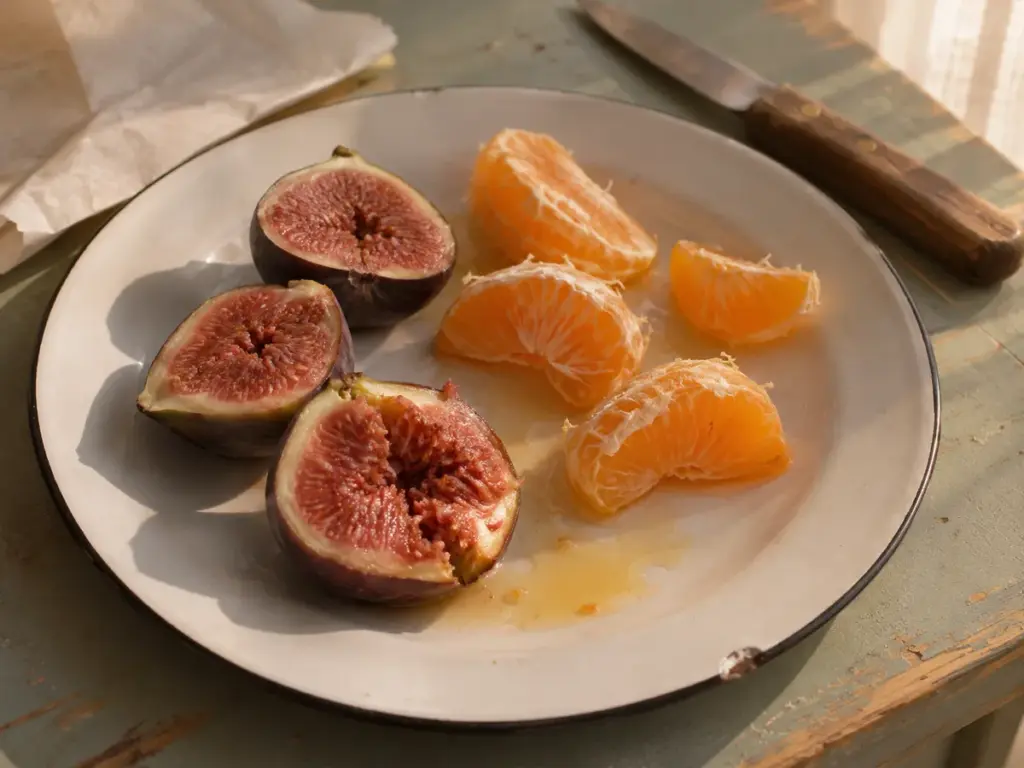
Figs that give slightly when pressed are the ones to buy, and peeling the oranges over the plate lets their juice pool beside the fruit. The plate suits the espresso or a small glass of sweet Marsala.
10. Toasted Hazelnuts and Almonds
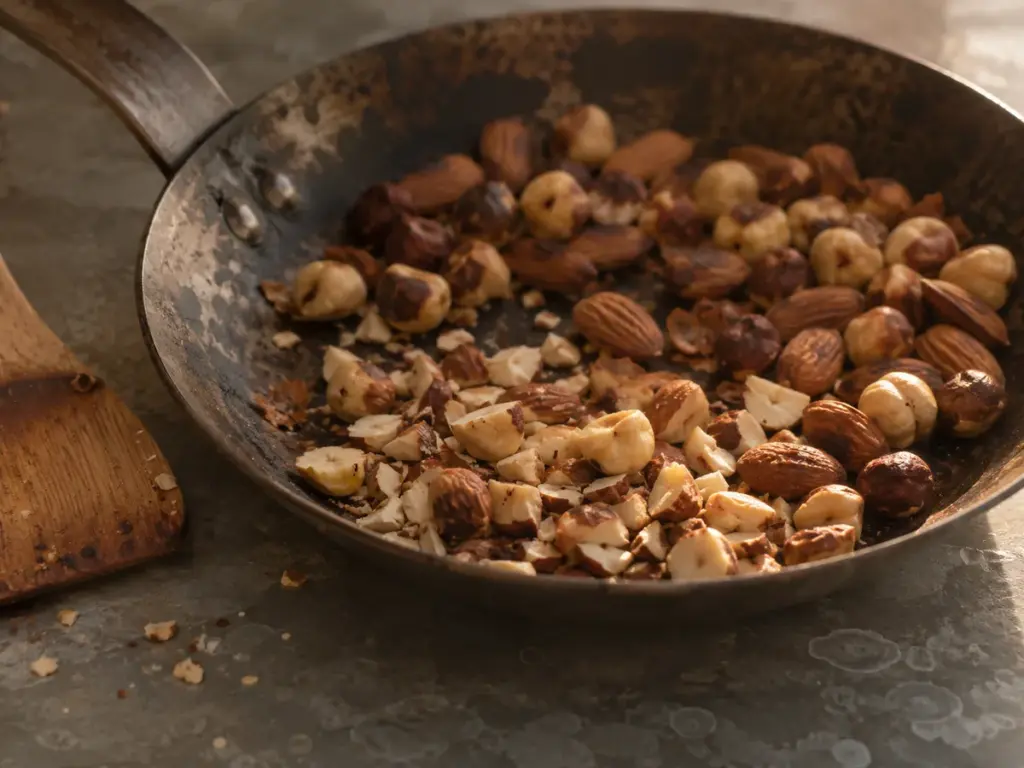
The quickest side you can make is a spoonful of chopped nuts beside the slice. Hazelnuts and almonds are easy choices, and walnuts, peanuts or cashews work the same way if that is what you have.
You toast them in a dry skillet over medium heat until they smell nutty and darken one shade, then chop and cool them. Tree nuts and peanuts are both on the FDA's list of major allergens, and a separate bowl lets a guest with a nut allergy eat the tiramisu without them.
VinePair notes that Marsala is often served with nuts and dried fruits, so a glass of it also suits this bowl.
What Main Course Comes Before Tiramisu?
An Italian menu moves from light to rich, so the main course should leave room for dessert. We'd pick a main that is savory, a little acidic and free of heavy cream sauce, since a cream-based pasta followed by a mascarpone dessert is heavy going.
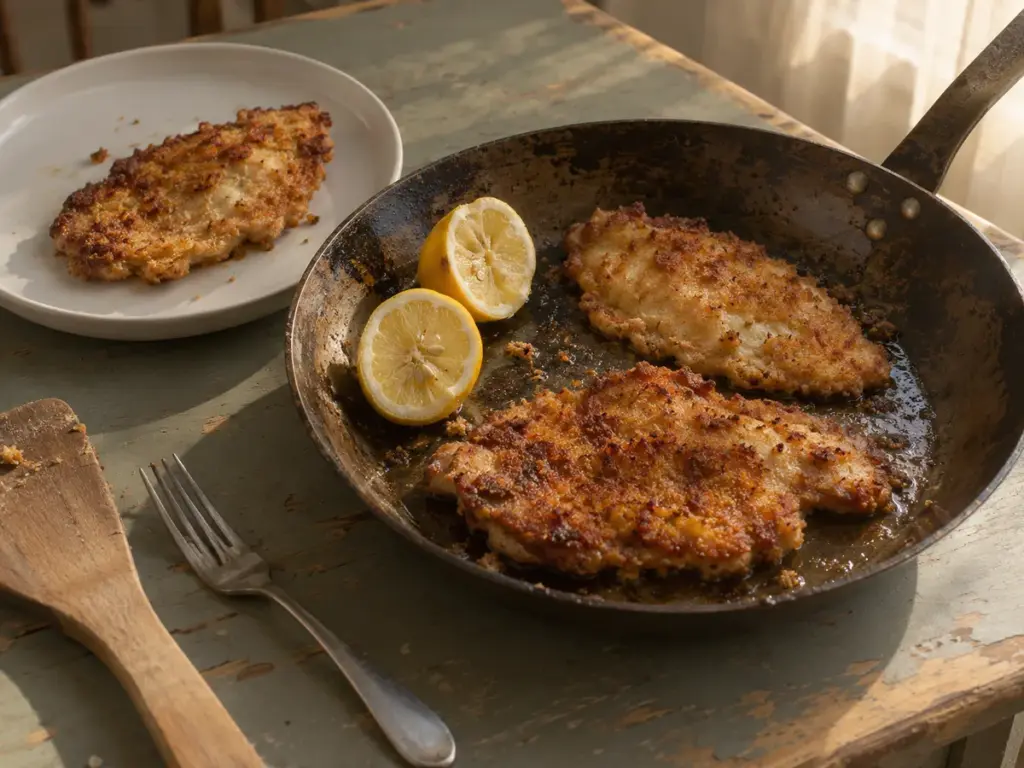
- Italian chicken cutlets, pan-fried with lemon, leave the sauce to the sides.
- Chicken piccata stays bright with lemon and capers.
- Baked fish with tomatoes goes with lemon-dressed vegetables on the side.
- Pasta in a plain marinara gives you the same course without a cream sauce.
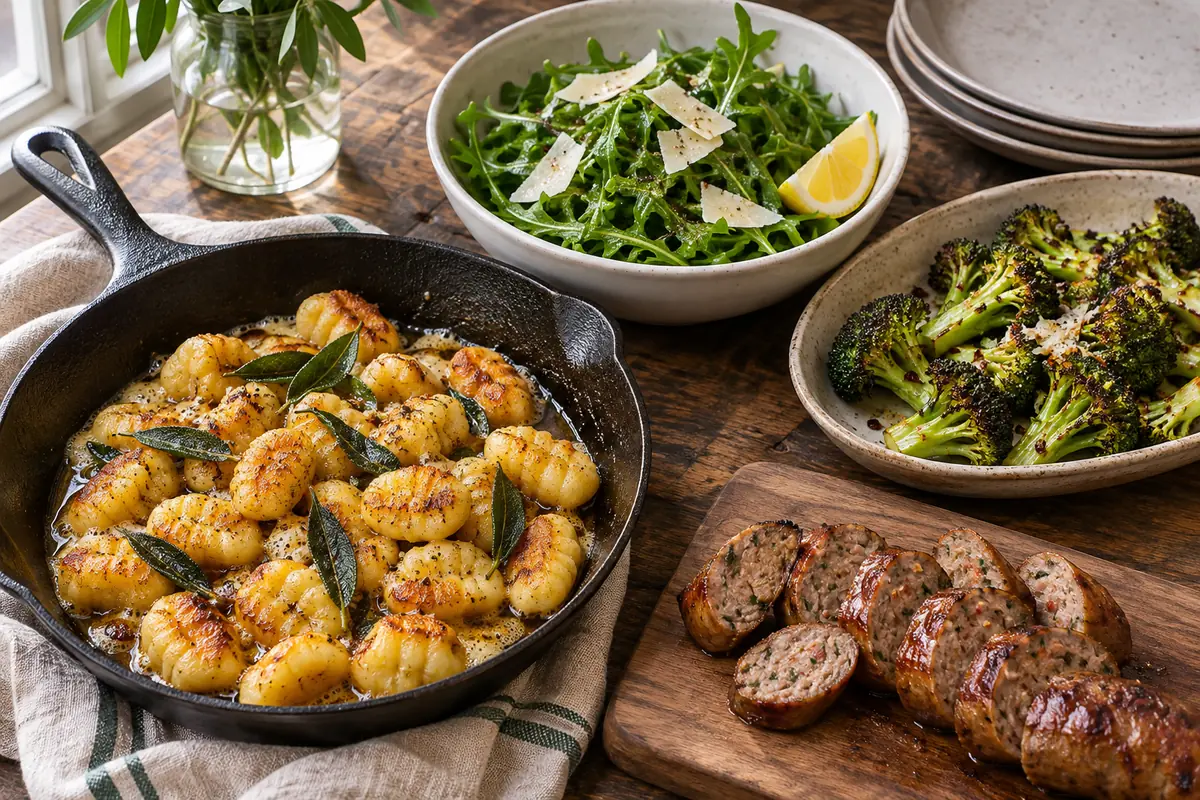
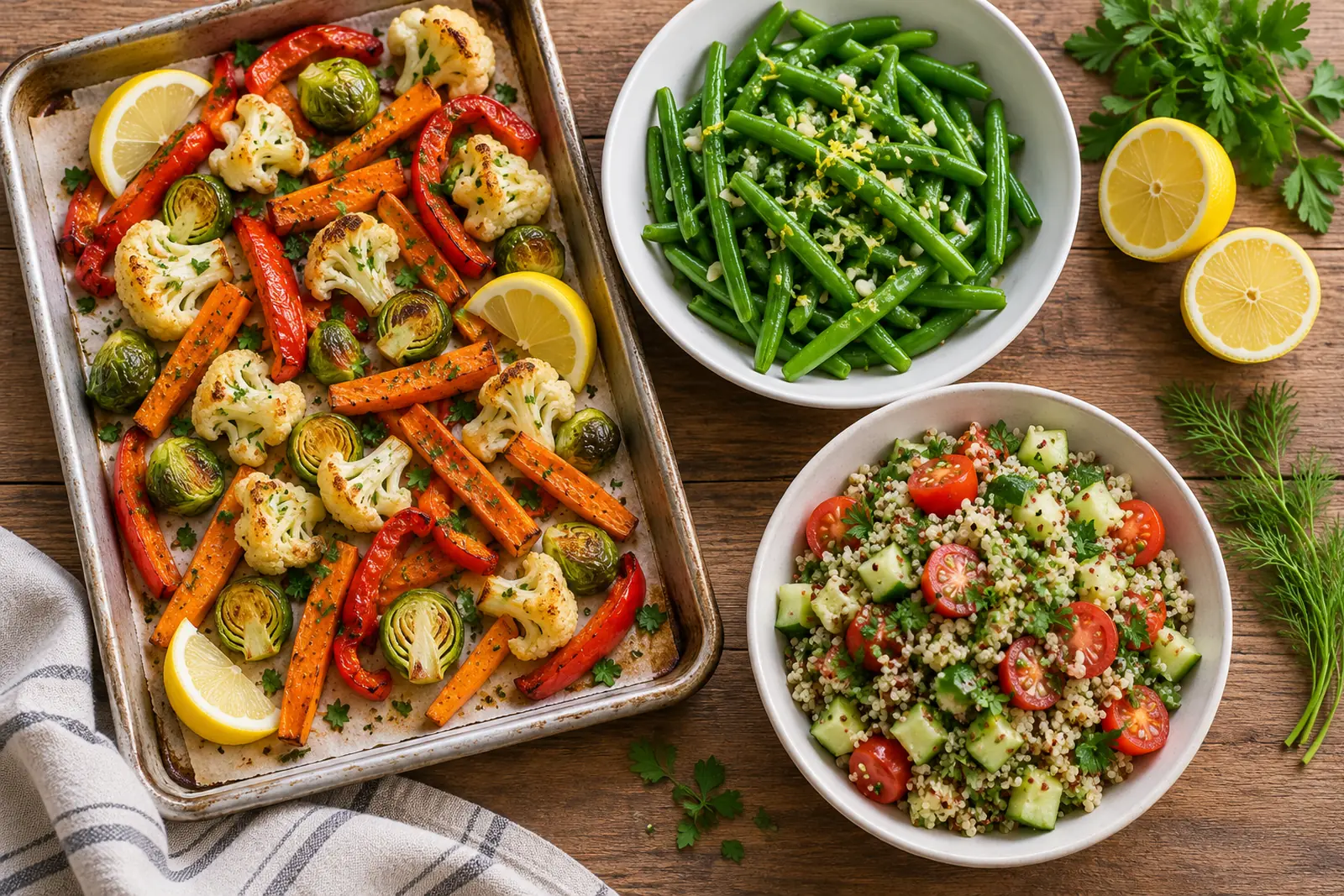
Vegetable sides belong on the dinner plate, away from the dessert, and each of these four stays savory and a little sour:
- Flat Italian green beans come with sautéed grape tomatoes, garlic and Parmesan, and the cheese means the dish contains milk.
- Tuscan white bean salad uses cannellini beans (any white bean works), cherry tomatoes, red onion and lemon.
- Italian stuffed tomatoes are filled with bread crumbs, anchovy and pine nuts and salted lightly because anchovy is salty. They contain wheat, fish and tree nuts.
- Farro salad pairs cherry tomatoes and radishes with a sharp, acidic dressing. Farro is a wheat grain, so it is not gluten-free.
If the main course was already rich, you can serve a smaller square of tiramisu with just the espresso.
What Should You Pour for Guests Who Skip Caffeine or Alcohol?
The FDA advises anyone who is pregnant, trying to become pregnant or breastfeeding to ask a provider about caffeine limits. On the alcohol side, the CDC says there is no known safe amount of alcohol during pregnancy.
Decaf espresso keeps the bitter contrast for a guest cutting back on caffeine, but the FDA notes that decaf coffee still has 2 to 15 milligrams of caffeine in an 8-ounce cup.
For a guest who skips both, we'd pour a glass of sparkling water with an orange slice and let the berries, skewers and cantucci from the list carry the contrast. Moscato d'Asti is no substitute here, because its 5.5% alcohol is low but not zero.
What Should You Not Serve With Tiramisu?
- Bitter or acidic drinks and fruit
- Dry, crisp cookies and nuts
- Dolce Marsala
- A second creamy dessert, such as banana pudding or ice cream
- A second coffee-and-chocolate dessert, such as opera cake
- Dry (secco) Marsala, which is not sweet enough for dessert
How Do You Serve Tiramisu Nicely?
Recipes from Italy serves tiramisu chilled and suggests individual portions. Squares cut with a clean knife work for a pan, and small glasses work when you assemble it in single servings, with a few berries from the bowl on top as the garnish.
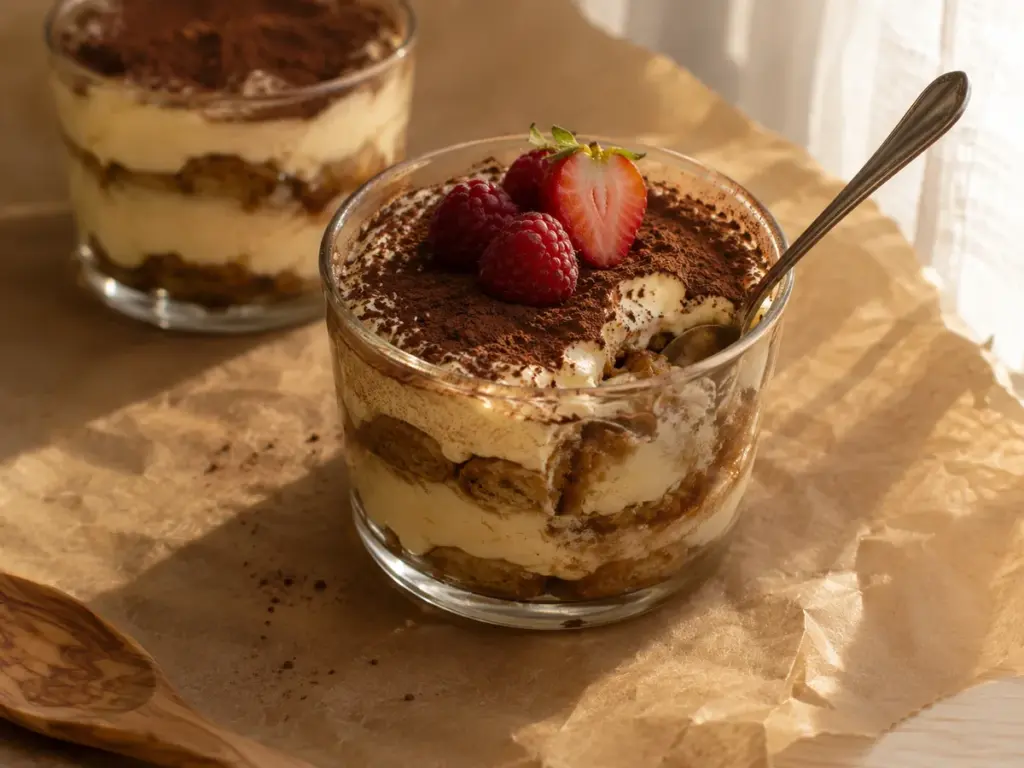
The pan goes back in the refrigerator right after you serve, and you plate each portion just before dessert.
Is Tiramisu Safe to Serve?
Classic tiramisu uses raw egg yolks in the cream, and the FDA lists tiramisu among foods that may contain raw or lightly cooked eggs. Some raw eggs carry harmful bacteria.
The dessert also contains milk, eggs and wheat (mascarpone, yolks and ladyfingers), three of the nine major allergens the FDA lists.
Under the USDA rule, tiramisu stays at 40°F or below until dessert, and you discard it if it sat out more than 2 hours (1 hour above 90°F).
For refrigerated leftovers the USDA gives 3 to 4 days in general, and although it does not name tiramisu, a day or two is a cautious choice inside that range.
How Do You Time the Whole Meal?
Tiramisu needs hours in the refrigerator to set, so the dessert is the easiest part to finish early. This order keeps the stove free for the main course:
- The day before: assemble the tiramisu and chill it overnight. Recipes from Italy suggests this for the best result.
- Morning of: make the white bean salad or farro salad, then refrigerate them.
- Before guests arrive: macerate the berries and thread the skewers.
- During the main: cook the green beans or stuffed tomatoes last, while the main rests.
- At dessert: slice the tiramisu cold and pour the wine, then bring the coffee.
Sources
- U.S. Food and Drug Administration, Dairy and Eggs: Food Safety for Moms-to-Be (tiramisu on the raw or lightly cooked egg list, pasteurized eggs sold refrigerated or frozen, milk products at 40°F).
- U.S. Food and Drug Administration, What You Need to Know About Egg Safety (higher-risk groups, treated eggs or pasteurized egg products for raw-egg recipes, eggs at 40°F).
- U.S. Food and Drug Administration, Spilling the Beans: How Much Caffeine Is Too Much? (pregnancy advice, 2 to 15 mg of caffeine in an 8-ounce cup of decaf).
- U.S. Food and Drug Administration, Selecting and Serving Produce Safely (refrigerate pre-cut produce, 40°F or below).
- U.S. Food and Drug Administration, Food Allergies (the nine major allergens).
- Centers for Disease Control and Prevention, Alcohol Use During Pregnancy (no known safe amount).
- USDA Food Safety and Inspection Service, Leftovers and Food Safety (3 to 4 days in the refrigerator, 2-hour and 1-hour rule).
- Recipes from Italy, Tiramisu: Original Italian Recipe (strong espresso, Marsala optional, served chilled in portions, chilling overnight).
- VinePair, Marsala wine guide (fortified, secco, semisecco and dolce, served with nuts and dried fruits).
- VinoFYI, Vin Santo: Tuscany's Holy Wine (dried grapes, sweetness styles, cantuccini, serving temperature).
- Wine Folly, The Magic of Moscato d'Asti (5.5% alcohol, frizzante, serving temperature).
- Italian Recipe Book, Macerated Strawberries (amounts and 15 to 30 minutes).
- Fine Dining Lovers, Cantucci: Italian Almond Cookies (twice baked, dunked in Vin Santo).

Food writer at GustoMeadow. Writes ingredient substitutes, food comparisons, taste guides and storage guides for home cooks.
Storage and food-safety numbers follow USDA, FDA and university extension guidance.