
Summary of key points
The primary distinction between tiropita and spanakopita is their filling. Tiropita, or Greek cheese pie, is filled with a mixture of cheeses, often including feta, ricotta, or cottage cheese, and sometimes egg, enclosed in phyllo pastry.
Spanakopita, or spinach pie, combines spinach, feta cheese, onions, egg, and seasoning, also wrapped in layers of phyllo. Both are staples of Greek cuisine but offer different flavors due to their distinct fillings.
What's the deal with tiropita and spanakopita?
We've been there. That moment you're seated, menu in hand, and everything looks like a delicious mystery.
Tiropita. Spanakopita.
They sound like distant cousins or maybe secret societies.
We once thought they were the same. Spoiler: they're not.
One's a cheesy delight. The other? A spinach-packed square of joy.
We've mixed them up more times than we care to admit.
Here's the lowdown, minus the confusion. Cheese or spinach?
That's the real question.
Both have flaky pastry, true. Yet, they cater to different cravings.
Follow us as we untangle this tasty dilemma. No more menu mishaps, we promise!
What is Tiropita?
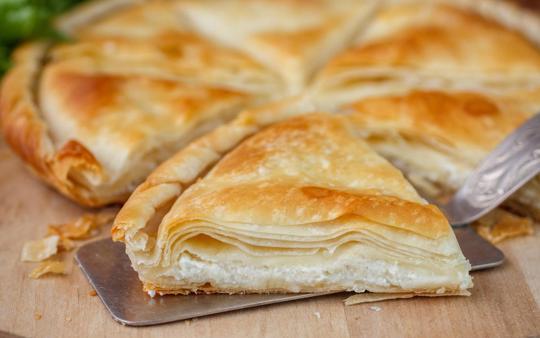
Tiropita is a savoury Greek delicacy. It's a heavenly mix of creamy cheese and buttery phyllo dough.
Bursting with flavour, this traditional dish offers a perfect balance of textures and ingredients.
Its rich aroma and golden crust make it a must-have.
Tiropita hails from Greece and is a part of Mediterranean cuisine.
It's made with multiple layers of thin phyllo dough and stuffed with a blend of feta, ricotta, and sometimes cream cheese.
This tangy, smooth filling pairs well with the pastry's crunchy exterior.
Once baked until golden brown, tiropita has an irresistible crunch.
The outer layer is flaky and buttery while the inner remains warm and gooey because of the melted cheese.
This contrast in textures improves the whole experience.
What makes tiropita special is its versatility.
You can enjoy it on its own as a snack or appetizer.
Plus, it's also great as an accompaniment to other dishes.
Breakfast, lunch, or dinner - tiropita always delights with its excellent flavors.
For bright, complementary tastes that work well with tangy cheeses, see what goes well with lemon in desserts - 9 best options for pairing inspiration.
What is Spanakopita?
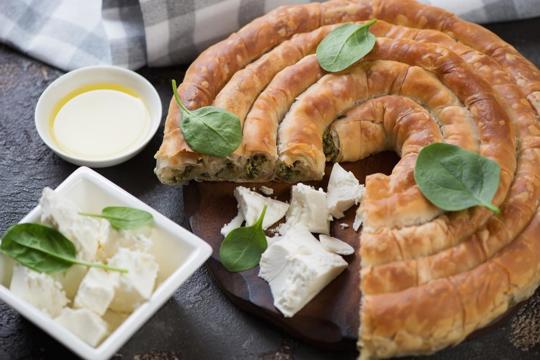
Spanakopita is a traditional Greek dish that is as flavorsome as it is unique.
Filled with spinach and feta cheese, this savory pastry provides a nice burst of taste in every bite.
The phyllo pastry and the creamy filling create a tempting experience.
It's not just tasty - it has cultural significance too.
Spanakopita is eaten during special occasions, symbolizing joy and abundance.
Families pass down their own unique twists to the recipe.
Creating spanakopita is an art.
Layers of phyllo dough are brushed with melted butter and folded, encasing the spinach and feta cheese mixture.
Baked to golden perfection, spanakopita's aroma entices all who encounter it.
Tiropita and spanakopita are different.
Tiropita is also made with phyllo pastry, but filled only with cheese.
This subtle variation gives contrasting flavors that cater to different preferences.
For ideas on versatile dips and accompaniments that match flaky pastries, check what to eat with guacamole? try these amazing combos for approachable pairing ideas.
Differences Between Tiropita and Spanakopita
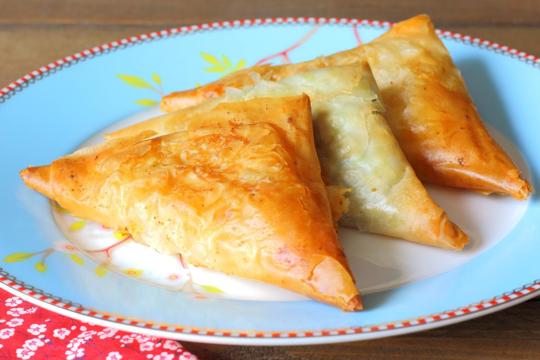
Tiropita and spanakopita are two Greek pastries.
When planning a meal, consider complementary dishes; what to serve with spanakopita? 7 best side dishes lists classic pairings.
1 - Filling
The filling is the heart of Tiropita and Spanakopita. Both have filo pastry.
But, Tiropita has a mix of feta and cottage cheese.
On the flip side, Spanakopita combines spinach and feta.
This makes it savoury and earthy. Each bite is different.
Tiropita has a sharp taste. And Spanakopita has a mix of earthy flavours.
This is why they are so popular.
Different fillings define each pastry; pumpkin puree vs pumpkin pie filling: filling differences explained shows how swapping fillings changes texture and taste.
2 - flavor
Tiropita and spanakopita bring a pop of Mediterranean flavors.
Filled with savory ingredients, they are ideal for cheese and spinach fans.
Tiropita, also called cheese pie, combines feta, ricotta, and halloumi cheeses for a creamy and tangy taste.
The unique mix of cheeses creates depth and complexity.
Spanakopita, on the other hand, is filled with fresh spinach, herbs - like dill and parsley - plus a bright green hue.
It offers a twist to Greek cuisine. Not just flavors differ, but texture too.
Tiropita has a flaky crust and creamy filling. Spanakopita has crunchy phyllo dough and a moist interior.
If curious about how subtle flavor components shape a dish, extract vs flavor: what each contributes explains how concentrated extracts differ from broader flavoring choices.
3 - Ingredients Used
Tiropita and Spanakopita are two Greek pastries that look similar but are filled differently.
Tiropita has a creamy cheese, egg and herb mix, enclosed in phyllo dough, which bakes to a golden crisp.
Whereas, Spanakopita's filling is spinach, herbs, onions and the optional feta cheese.
Tiropita is great as an appetizer or part of a mezze platter. It's a crowd pleaser.
Spanakopita, on the other hand, can be a main or side dish. It pairs well with salads.
The two pastries may have a common crust, but their fillings set them apart.
Tiropita tantalizes with its cheesy goodness, while Spanakopita offers a blend of spinach and cheese flavors.
So next time you're craving a Greek pastry, remember the differences and enjoy each one.
4 - Regional Variations
Region-specific tiropita and spanakopita each offer unique flavors.
They reflect the culinary diversity of Greece, from mountains to coasts.
In Epirus and Macedonia, tiropita has a heartier form.
Filo pastry encloses a filling of feta and graviera, with herbs like dill or mint for added freshness.
Spanakopita also has regional variations.
In Thessaly or the Peloponnese, wild chicory or amaranth leaves join spinach for a hint of bitterness or earthiness.
On islands and coasts, spanakopita is lighter and brighter.
Parsley or dill combine with spinach, plus goat cheese for a tangy note.
Regional variations make tiropita and spanakopita distinctive.
They show the richness of Greek cuisine and geography.
Exploring them is an exciting food journey.
Similarities Between Tiropita and Spanakopita
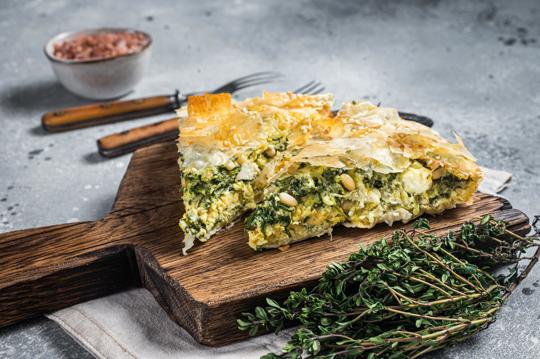
Tiropita and Spanakopita are both Greek pastries that are popular worldwide.
These yummy treats have much in common:
- They both use phyllo pastry, a thin and delicate dough that brings a crunchy texture.
- The fillings have cheese, but the type may differ. Tiropita is usually feta cheese with eggs and yogurt. Whereas, Spanakopita usually has spinach with feta cheese and seasoning.
- And, they're baked in the oven, which gives a golden-brown crust that's irresistibly flaky.
Overall, Tiropita and Spanakopita have their own unique flavors, yet honor the Greek culinary heritage with phyllo pastry and a scrumptious filling.
How Tiropita and Spanakopita are Served
Tiropita and Spanakopita - two classic Greek dishes - have distinctive serving styles.
Tiropita is usually presented as a triangle-shaped pastry, filled with a savory cheese mixture.
Spanakopita, on the other hand, has a similar pastry, but with a filling of spinach and feta cheese.
Both these yummy snacks can be enjoyed warm or at room temperature, making them a great choice for any occasion.
The flaky crusts of the tiropita and spanakopita pastries provide an amazing texture.
They are perfect finger foods for social events, parties, or even as a quick snack on the go.
As their size is compact, they are perfect for guests to enjoy and mingle.
A unique factor of tiropita and spanakopita is that you can serve them as part of a larger meal.
They pair well with other Greek dishes, like moussaka, souvlaki, or Greek salads.
So, these pastries can add depth to the meal with their contrasting flavors and textures.
You can garnish the tiropita and spanakopita with fresh herbs or sprinkle sesame seeds before baking.
This will make them look even more appetizing and add an extra layer of flavor.
Whether eaten alone or as part of a meal, tiropita and spanakopita are sure to please with their buttery pastry crusts and delicious fillings.
They also pair nicely with heartier options; 22 satisfying salads that are meals on their own offers salad ideas that turn pastries into a full meal.
Popular Variations and Regional Specialties
Tiropita and spanakopita are staples in Greek cuisine.
Across the country, the pastries have been modified to fit local tastes, creating unique variations.
One common tiropita filling combines feta cheese with other dairy products like cottage cheese or ricotta.
Herbs like dill or mint add a refreshing flavor.
Spanakopita is usually made with spinach and feta cheese.
This combination creates a nice balance of flavors.
Local ingredients like leeks and onions can improve the taste.
Greeks have put their own spin on these traditional pastries.
In some areas, tiropita might feature regional cheeses like kasseri or mizithra instead of feta.
Spanakopita recipes may include local herbs or a touch of lemon juice.
These popular variations and regional specialties show the richness of Greek culinary traditions.
Each bite offers an authentic food experience, taking you on a journey through the country's diverse food scene.
Choosing Between Tiropita and Spanakopita
Tiropita and Spanakopita are two similar yet unique dishes with important distinctions.
Although both are tasty Greek recipes filled with cheese and spinach (or other fillings), they differ in their preparation methods.
Spanakopita is made with layers of phyllo dough, making it flakier while Tiropita has a thinner crust.
Further, Tiropita is made with feta cheese while Spanakopita typically contains ricotta or cottage cheese for a smoother consistency.
From ease of preparation to the flavor and texture of the dish - the choice between these two recipes is ultimately up to personal preference.
No matter what you choose its sure to be delicious.
So go ahead and give one - or both - of these recipes a try.
Serve these pastries with complementary dishes like spanakopita side dishes for balanced meals and hearty satisfying salads that double as mains.
Frequently Asked Questions
The primary distinction between tiropita and spanakopita is their filling. They share some similarities but each has qualities that make it better suited for certain recipes.
Beginners often find Tiropita more forgiving. Spanakopita requires a bit more attention but rewards you with distinctive results once you get the hang of it.
Shelf life differs based on processing and packaging. One often keeps longer unopened, while the other may need refrigeration or faster use after opening.
One tends to perform more consistently across a range of cooking methods, making it the safer choice when experimenting. The other delivers stronger results in specific applications.