
If you're curious about what tobiko tastes like, you've landed in the right spot.
Tobiko, or flying fish roe, is a staple in many sushi dishes and packs a punch of flavor in tiny, colorful beads.
It's salty, it's smoky, and it adds a pop of texture that can turn any dish from good to great.
Often seen crowning a sushi roll, its appearance is as intriguing as its taste.
Each bite is a little burst of the ocean, bringing a unique experience to the table.
Ready to discover the magic of tobiko and how it can improve your meals?
What is Tobiko?
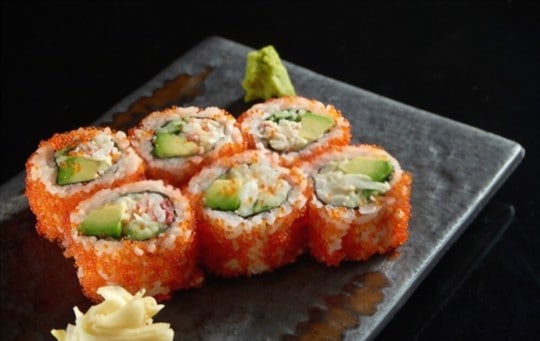
The red-orange pearl-like eggs of flying fish are called tobiko in Japanese.
As mentioned earlier, it's a popular item in Japanese cuisine and is primarily used in sushi and sashimi and added to many other dishes.
Compared to other fish roe, tobiko is larger than masago (capelin roe) but tinier than ikura (salmon roe).
Its natural hue is red-orange, but it can transform to other shades when added with other ingredients.
For example, it turns green and spicy when paired with wasabi or pale-orange or yellow when added to yuzu (a citrus fruit).
It turns black when you add squid ink or deep red when adding beetroot.
Because of its ability to absorb colors without losing shape, you can have a plate of tobiko with several colors.
The variety, therefore, makes a dish even more appealing and unique.
Because tobiko pairs well with bright citrus notes like yuzu, consider how citrus contrasts play out in sweets by checking lemon pairings in desserts for ideas on complementary flavors.
What Does Tobiko Taste Like?
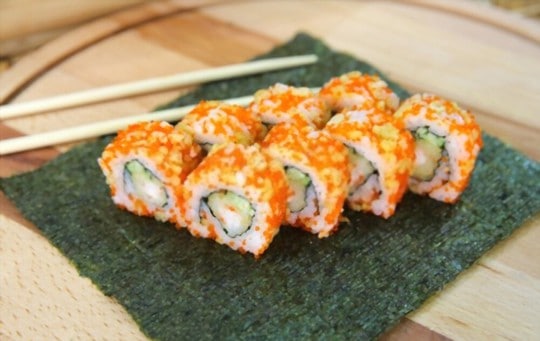
Tobiko is popular not just for its beauty but also because it's delicious.
Like its capability to take in various colors and remain in the same shape, it's also versatile.
Chefs and cooking enthusiasts can therefore work with tobiko in a lot of ways.
Earlier, only Japanese cuisine used tobiko, but it's now gaining popularity in many places, especially with people who love to taste various seafood.
Tobiko is often substituted with masago if the former is unavailable as they have a similar appearance.
However, an expert in roe can easily make out the difference.
While they look similar, the taste and flavor differ as masago has a subtle taste with a grainier texture.
Tobiko might taste more like ikura even though their sizes vary significantly.
It is also called flying fish roe or fish roe sometimes.
However, it's more popularly known by its Japanese name.
Tobiko has a sweeter flavor than other kinds of roe.
Salmon roe also tastes sweet but less than tobiko.
The flying fish roe has a crunchy texture with a satisfying pop.
Besides being sweet and salty, it has a slightly citrusy flavor like orange zest.
Once harvested, the tobiko producers cure the roe with salt for preservation.
So, the final product, when you eat it, has a sweet and salty flavor.
Tobiko is also more strong than other fish eggs because it can hold its shape for a long time.
The pearly eggs make a dish even more appetizing because they don't break.
- Nutritional Value of Tobiko.
Like most other seafood, tobiko is also nutritious, and a seasoned portion contains 20 calories per one serving of 15g.
It also has protein, carbs, sodium, and 0 fat.
It's rich in omega-3 fatty acids and other nutrients and can reduce inflammation and boost liver and brain functions.
But tobiko is high in cholesterol, so you have to consume it moderately for good health.
For a very different but equally intriguing fruit flavor comparison, explore acai berry taste guide to see how unique textures and flavor notes can surprise the palate.
How to Make and Serve Tobiko?
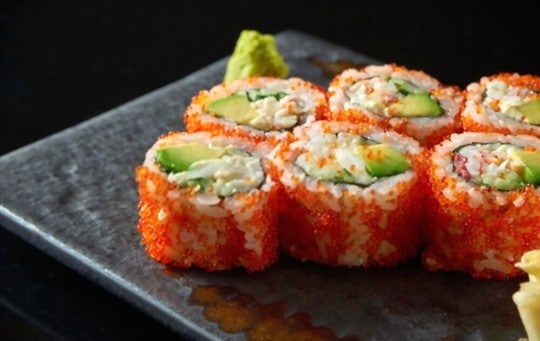
Fish roe is delicious whether cured, raw, or cooked, and it isn't any different with tobiko.
Since it's versatile and sturdy, there are many ways to serve it - from savory bites to single-serve dessert ideas for treats that work when presentation matters.
In Japanese cuisine, tobiko typically makes its place as a topping in many dishes.
Tobiko nigiri is one of the delicacies where you can use the roe.
The dish comprises vinegared sushi rice in the shape of a mound topped with wasabi and raw fish.
Simply add a spoonful on top to make it a delicious dish.
Sushi rolls and sashimi are other delicacies where you can use tobiko.
Nowadays, it's also used in California rolls, a type of sushi.
Add it as a garnish in various rice and seafood dishes.
Tobiko can also serve as yummy appetizers on toast and plain crackers.
Give a briny flavor to your dressings, soups, and sauces by adding tobiko.
You can also cook tobiko in several ways.
Whether it's sauteing it in a pan, poaching it, or frying the roe with breadcrumbs, it will taste amazing.
If it's already cured, don't add salt in the beginning, or it will become too salty.
Tobiko: Flavor and Texture Insights
If you love seafood, tobiko is something to try at least once in your life.
The delicate, sweet, and salty pearly eggs burst in your mouth, giving you a unique experience.
The roe is available in many places these days so you can find a good brand on the market.
Even if you have never used it before, it doesn't matter as you can find many recipes and video tutorials.
Make a different item each time and enjoy the lovely fish roe in various dishes.
Frequently Asked Questions
If you're curious about what tobiko tastes like, you've landed in the right spot. Tobiko, or flying fish roe, is a staple in many sushi dishes and packs a punch of flavor in tiny, colorful beads.
It's salty, it's smoky, and it adds a pop of texture that can turn any dish from good to great.
Several foods share flavor notes with Tobiko. Tasting similar items side by side is the easiest way to map out what you enjoy and find new favorites.
Can you adjust the intensity of the flavor?
Yes.
Pairing it with acidic, sweet, or fatty components shifts the perceived intensity.
A squeeze of citrus brightens mild flavors, while fats like butter or oil mellow sharper ones.
Avoid pairings that clash with its dominant flavor note. Competing intensities - very sweet with very sour, or heavy with delicate - tend to obscure rather than go with the taste.
Acai offers a unique berry profile worth comparing with other delicate flavors - see acai berry taste guide. For a deeper look at terminology used here, extract vs flavor comparison explains the difference.