
In the great debate of beef cuts, we often find ourselves stuck between tri-tip steak and sirloin.
Both pack a punch in flavor and tenderness, making the decision tough. I remember my first cookout confusion like it was yesterday.
Tri-tip, a lesser-known cut, has a rich flavor that surprises many - for a deeper look at what 'flavor' means versus concentrated extracts, read extract vs flavor explanation.
We aim to settle this beef once and for all. No more second-guessing at the grocery store.
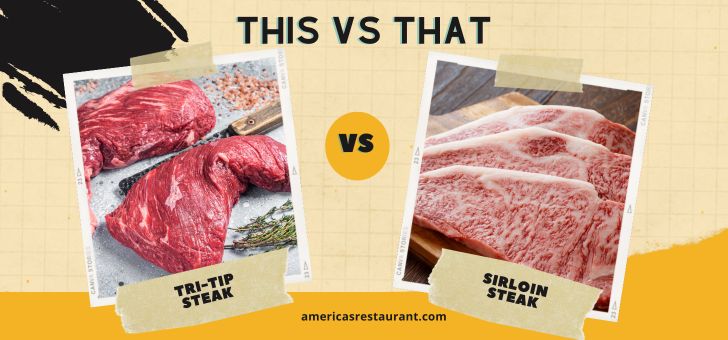
What is Tri-Tip Steak?
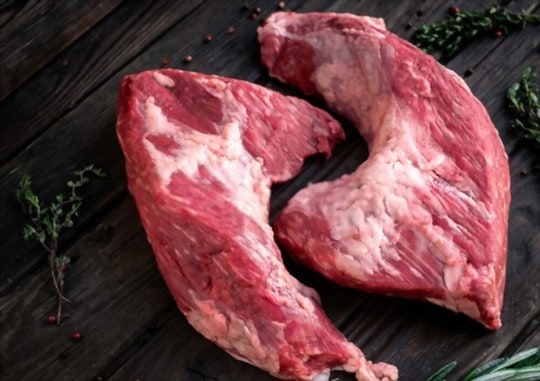
Tri-Tip steak is a flavourful cut of meat taken from the bottom sirloin subprimal part of the beef.
It is called tri-tip because it has three distinct muscles with different textures and various levels of tenderness, which makes it versatile and exciting to cook with.
One thing that makes tri-tip stand out is its leanness.
Unlike other cuts, it has very little fat marbling, making it healthier and more suitable for people who limit their fat intake.
It's often grilled or roasted as a whole, but it can also be cut into smaller pieces like steak or cubes for grilling or stir-frying.
Another unique feature of Tri-Tip is that it can be cooked rare to well-done without losing its texture and flavour.
However, some cooking methods work better than others when handling this cut due to its different muscles' varying levels of tenderness.
For example, grilling over high heat to sear each side then moving to the cooler section until doneness works well.
In summary, Tri-Tip Steak's leanness and versatility make it an excellent choice for health-conscious eaters looking for a tender and flavourful cut of beef with various cooking options.
For bright complementary flavors in glazes or side dishes, consider citrus pairings; lemon pairings for desserts and glazes suggests nine options that can inspire savory applications.
What is Sirloin?
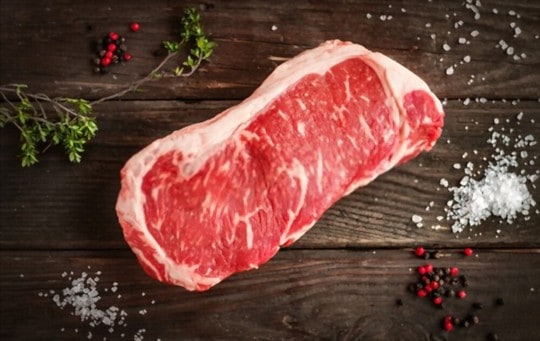
Sirloin is a cut of beef that comes from the rear of the cow, behind the ribs but ahead of the round.
It is a lean and tender meat that has a fine texture with little fat content.
Sirloin steaks are popular cuts because they offer a good balance between tenderness and flavour.
They are typically divided into top sirloin steak, bottom sirloin steak, and center-cut sirloin steak.
Each subcut of sirloin offers a unique flavour profile due to different levels of marbling.
Sirloins are great for those looking for leaner and healthier options while not compromising on taste.
A tasty char on the outside with pink juiciness in the middle signals an impeccably cooked sirloin.
Its chewy texture blends well with tangy sauces and marinades alike.
Differences Between Tri-Tip Steak and Sirloin
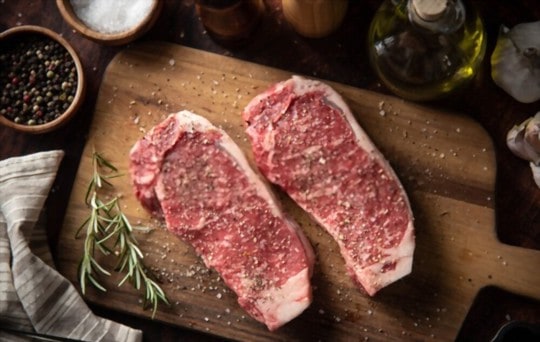
Tri-Tip Steak and Sirloin are two popular beef cuts with their unique characteristics, taste, and cooking styles that differentiate the two.
The Tri-Tip is a triangular muscle at the bottom of the sirloin, while Sirloin is more commonly cut from the back part of the cow.
Both cuts are known for their tender texture and rich flavor - for a side-by-side comparison of similar steak cuts, see club vs ribeye comparison for texture.
Cut and Location
Cut and Location are important factors that affect the taste and texture of steaks.
Tri-Tip Steak is cut from the bottom sirloin, while Sirloin Steak is obtained from the rear part of the cow.
Both meats have unique characteristics that make them popular choices for grilling or cooking.
Tri-Tip Steak has a well-balanced flavor with sufficient tenderness, whereas Sirloin Steak has a leaner texture with a bolder beefy flavor.
The location of these cuts affects their marbling, fat content, and connective tissues, which influence the amount of effort needed to cook them correctly.
Both steaks require different approaches due to their inherent characteristics.
Tri-Tip Steak benefits from slow roasting or smoking since it contains more fat and connective tissues than Sirloin.
On the other hand, Sirloin Steak works well with quick high-temperature methods such as grilling or broiling to prevent it from becoming tough.
However, both steak types can be tempting if cooked correctly with the appropriate seasoning.
Texture and Tenderness
Indulging in juicy meat that's tempting to the palate is what every steak lover wishes for.
Understanding the texture and tenderness of the cut is essential to preparing it perfectly.
When comparing tri-tip steak and sirloin, there are distinctions in their texture and tenderness profiles that make them uniquely distinct.
- Tri-tip steak features a smooth, finely-grained texture with superior fat marbling throughout the cut. It has a beefy flavor that is enhanced by its tender profile that has an almost buttery feel when consumed.
- Sirloin, on the other hand, has wondrous flavor but has a slightly coarser texture than tri-tip steak. The leaner cuts of sirloin may require some extra cooking care as they can get less tender if overcooked.
Not all tri-tip steaks possess identical tenderness properties.
Some variations may have tougher muscle fibers, requiring longer cook times or marinades to break down accordingly before cooking.
Meanwhile, sirloin provides less fat content which can create dryness if cooked excessively.
The varied textures and tenderness profiles between tri-tip steaks and sirloins provide an affluence of options for carnivores seeking to add diversity in their menu choices.
flavor
The taste and aroma of a steak are some of the main attractions for food enthusiasts.
The flavor of a Tri-Tip Steak and Sirloin varies according to their texture, cut, and fat content.
A Tri-Tip steak is rich in flavor due to its marbling with fat, which also gives it a juicy tenderness and a smoky aftertaste.
The flavor can vary depending on whether you opt for top sirloin or bottom sirloin.
Top sirloin has more fat compared to bottom sirloin but both cuts have a strong beefy flavor with less tenderness than akin cuts.
It's essential to cook these types of steaks carefully as they can get tough when overcooked or under-seasoned.
To improve the flavors further, grilling or reverse-searing the steaks can do wonders for them.
Overall, both cuts have distinct flavors that appeal to meat lovers worldwide.
Cooking Methods and Best Preparation
Factors such as cut, tenderness, and flavor play a significant role.
Both cuts are popular choices for grilling, and each requires different cooking methods and preparation styles - consider how acidic ingredients affect flavor and texture in white cooking wine vs white wine vinegar comparison.
The key to achieving the perfect juicy texture and desired flavors is identifying the best way to cook either cut based on its unique attributes.
While both cuts have their advantages when prepared properly, the ideal cooking method for one may not work effectively for the other.
Depending on personal preference and intended dish, one could be better than the other.
For instance, Tri-Tip steak's natural marbling ensures it remains juicy even after prolonged exposure to high temperatures.
Therefore, it works well when grilling over direct heat or indirect slow roasting.
In comparison, Sirloin is leaner with less natural fat content hence can become dry when grilled since it tends to cook rapidly over high flames; therefore, slicing them thinly enhances their tenderness.
While their taste profiles differ slightly, they are versatile enough to support a broad range of seasoning options like rosemary-based marinades or garlic-herb rubs.
Also, resting cooked meat allows accumulated juices to be absorbed back into the steak making sure maximum flavor and tenderness retention.
Similarities Between Tri-Tip Steak and Sirloin
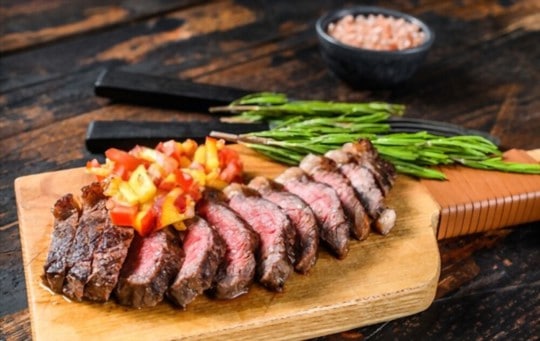
Both Tri-Tip Steak and Sirloin share a lot of similarities.
They are popular cuts of beef that come from the hindquarters of the cow, making them flavorful and rich in protein.
Both cuts are versatile and can be cooked using various methods, such as grilling, pan-frying, or broiling - for another look at similarly versatile beef cuts, see chuck eye vs chuck steak comparison for versatility.
Also, they have similar nutritional values and calorie counts.
While Tri-Tip Steak has slightly more fat content than Sirloin, both cuts are excellent sources of vitamins B6 and B12.
Also, both cuts require marination to improve their flavor.
They also benefit from resting after cooking to retain their juiciness.
In terms of taste, both Tri-Tip Steak and Sirloin have a beefy flavor with a hint of sweetness due to their natural marbling.
While these cuts share many similarities, there are still subtle differences between them.
For instance, Tri-Tip Steak is a less expensive cut compared to Sirloin but has a higher marbling score which gives it a unique taste profile.
On the other hand, Sirloin is pricier but offers different flavors depending on its sub-cut.
Nutritional Comparison of Tri-Tip Steak and Sirloin
Tri-tip steak and sirloin are popular choices of meat for many people.
To make an informed decision about which one to choose, the nutritional differences between the two must be considered - compare how similar cuts differ nutritionally in flat iron vs flank steak nutritional comparison.
Tri-tip steak is a relatively lean cut of beef, while sirloin is slightly fattier.
However, both cuts are excellent sources of high-quality protein, iron, and other essential vitamins and minerals.
In addition to their nutrient content, there are some other factors to consider when choosing between tri-tip steak and sirloin.
One such factor is taste - while both cuts can be delicious when cooked correctly, they have different flavors that may appeal to different people.
Another consideration is cost - tri-tip steak is usually slightly more expensive than sirloin.
Ultimately, the best choice between these two cuts of meat will depend on personal preferences and individual dietary needs.
Whether you opt for tri-tip steak or sirloin, it's important to enjoy these foods in moderation as part of a balanced diet.
Choosing Between Tri-Tip Steak and Sirloin: Factors to Consider
Several factors need consideration - for insight into how preparation style changes final texture, see chicken fried vs country fried steak comparison of coatings.
These factors can affect the taste, texture, and nutritional value of each cut.
One must consider the type of cooking method, desired tenderness, fat marbling, and budget before making a decision.
Besides these primary factors, there are additional things to keep in mind when picking a piece of meat.
For instance, tri-tip steak is a relatively new cut compared to sirloin.
It is leaner than sirloin but requires careful cooking to eliminate toughness.
On the other hand, sirloin has been around for longer and is well known for being tender and flavorful.
There are some important things you should know about each cut before making a choice that suits your cooking needs.
Once you understand what works best for your desired results, whether it's grilling or Roasting meat, select cuts that check all the boxes you're looking for in terms of taste and nutrition.
Cooking Tips for Tri-Tip and Sirloin Steaks
The comparison between Tri-Tip Steak and Sirloin has unearthed the distinct advantages of each.
While Tri-Tip excels in tenderness and juiciness, Sirloin stands out for its versatility and affordability.
Both have their unique flavors that cater to different palates, making them both excellent options depending on one's preference.
Ultimately, the choice is subjective but having a clear understanding of their differences helps make an informed decision.
Ball Tip and Tri-Tip are often swapped in recipes. ball tip vs tri tip: what's the difference explains how they compare. sirloin tip vs top sirloin: key distinctions clarifies how different sirloin cuts affect cooking and texture.
Frequently Asked Questions
Unlike other cuts, it has very little fat marbling, making it healthier and more suitable for people who limit their fat intake. They share some similarities but each has qualities that make it better suited for certain recipes.
In many recipes, yes. Tri-Tip Steak and Sirloin fill similar roles, though each brings its own character.
Try a small test batch before committing to a full swap.
Availability varies by region. One is usually a standard grocery store item while the other may require a specialty or international market depending on where you live.
Can a beginner tell the difference by taste?
In a side-by-side tasting, yes.
The difference becomes less obvious when mixed into a recipe with other ingredients.
Most people notice the distinction more clearly on its own.