
That little creature is called a truffle, a special kind of mushroom.
In fact, an expensive one. Though they may not look it, truffles are quite a delicacy.
They're often compared to caviar and foie gras because of their luxurious taste and texture.
But what does truffle taste like? We're here to answer just that and more.
So, if you've brought home some fresh truffles or are simply curious about this gourmet ingredient, then read on.
What is Truffle?
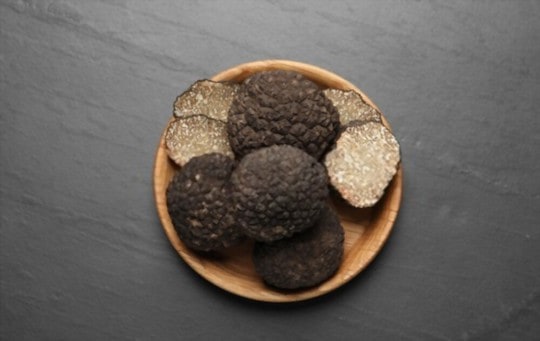
A truffle is a fruiting body of an underground fungus belonging to the genus Tuber.
They grow in close symbiosis with the roots of certain trees, most commonly oak, hazel, beech, and poplar trees.
Truffles are typically round or egg-shaped and can range anywhere from the size of a pea to that of a lemon.
The exterior is covered in small, bumpy scales called warts or tubercles.
There are over 140 species of truffle, but the two most prized and expensive varieties are the black truffle (Tuber melanosporum) and the white truffle (Tuber magnatum).
While black truffles are popularly grown in France, white truffles are typically found in northern Italy.
However, all in all, truffles are known for their unique flavor that's hard to describe.
And their aroma is just as potent and intense.
Some say it smells like damp earth, while others liken it to garlic.
Did you know that these fungi have a special molecule called androstenone that pigs also produce? And many believe that it is this molecule that's responsible for the truffle's strong aroma.
Truffle's unique aroma can contrast nicely with bright flavors in desserts; for ideas on complementary citrus pairings, see what goes well with lemon in desserts.
What Does Truffle Taste Like?
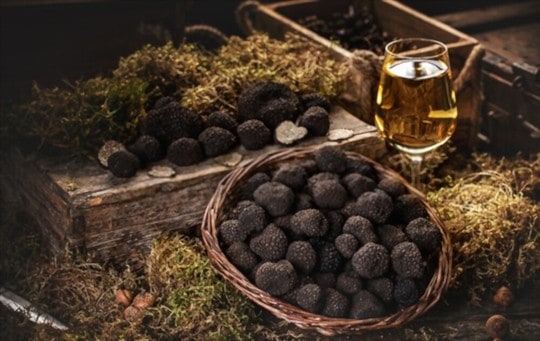
Truffles taste similar to any type of mushroom that grows above ground.
They are earthy, nutty, and have a slight garlic flavor - similar to truffle butter flavor breakdown.
Plus, some people also state that truffles kind of taste meaty and gamy.
Now, you may wonder why the name "truffle"? Does it taste anything like its namesake, the chocolate truffle?
Well, kind of.
But not as chocolatey. Black truffles, the more popular variety, tend to taste woody, earthy, and slightly chocolatey.
They are also usually more rough and rigid in texture.
Ironically, black truffles are usually milder than their light-colored counterparts in flavor, accompanied by an earthy scent.
Truffles are definitely an acquired taste. Some people love them, and some people hate them.
There really is no in-between. However, if you're a fan of mushrooms, then chances are you'll enjoy truffles.
Although they may be small, truffles pack a nutritional punch.
They are a good source of protein, fiber, and carbs.
Plus, they contain essential vitamins and minerals like vitamin C, iron, and magnesium.
Truffles also have numerous health benefits.
For instance, they can help improve digestion and metabolism due to their high fiber content.
They also have anti-inflammatory and antioxidant properties, which can help protect the body against diseases.
How to Cook and Use Truffle?
Now, let's get to the cooking part.
First and foremost, you need to make sure to pick the right truffle.
Remember, not all species of truffles are edible.
As mentioned, the two most common and prized truffles are the black truffle (Tuber melanosporum) and the white truffle (Tuber magnatum).
These are the ones you'll want to look for when shopping for truffles.
Less is more.
Their strong flavor can easily overpower a dish, so it's best to use them sparingly.
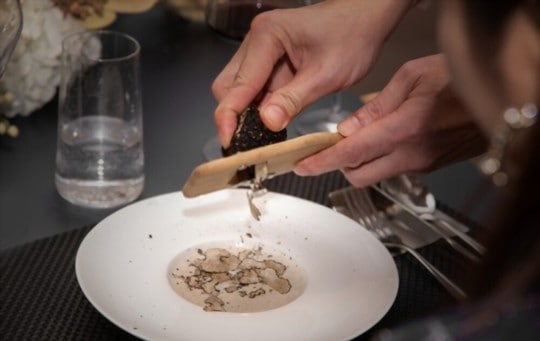
Truffles are typically shaved or grated over food just before serving.
This could be anything from pasta and risotto to eggs and potatoes - or paired with veggie sides in under 12 minutes for quick accompaniment.
If you want to really bring out the flavor of truffles, then you'll need to cook with them correctly.
Here are a few tips:
- This might sound odd to you. But don't wash your truffles. Just brush them off with a soft brush to get rid of any dirt. If you wash them, you'll lose all the flavor.
- Truffles are best used fresh. If you can't find fresh truffles, you can use frozen or canned truffles. However, their flavor will not be as potent.
- When shaving or grating truffles, make sure to do it just before serving. This will help preserve their flavor and aroma.
Yummly has some amazing truffle recipes that you can easily make at home.
You can check them out here.
Final Thought
So, if you get your hands on some truffles, then consider yourself lucky.
And yes, we said "lucky" because these little fungi don't come cheap.
A pound of white truffle can cost up to $4000 depending on the quality and grade.
But even if you can't afford to splurge on truffles, you can still enjoy their flavor by using frozen or canned truffles.
Just remember not to wash them and to shave or grate them just before serving. And you're good to go.
Frequently Asked Questions
They're often compared to caviar and foie gras because of their luxurious taste and texture. But what does truffle taste like?
Truffles taste similar to any type of mushroom that grows above ground. Try it in a few different preparations to find which version you prefer.
What pairs well with Truffle?
Truffle pairs well with ingredients that complement its natural flavor.
Try it alongside contrasting textures and seasonings to find combinations you enjoy.
Yes, noticeably. Fresh versions tend to have a brighter, more pronounced flavor.
Older or improperly stored versions can taste muted, sour, or slightly off - freshness matters here.
Start with a preparation that shows its natural flavor without overwhelming additions. Simple seasoning and a familiar context - alongside something they already enjoy - eases the introduction.
Truffle salt highlights concentrated truffle flavor in small doses: truffle salt taste guide. Truffle fries offer a casual take on the ingredient: truffle fries difference explained.