
Summary of key points
Wonton wrappers and dumpling wrappers may seem interchangeable, but they have some key differences. Wonton wrappers are typically thinner and more delicate, making them better suited for recipes like wontons or potstickers that require a crispier texture.
Dumpling wrappers, on the other hand, are slightly thicker and sturdier, making them ideal for dishes like steamed dumplings or gyoza that need to hold a lot of filling. If you're unsure which to use, consider the texture and filling of your dish to determine which wrapper will work best.
Ever stood in the grocery aisle, staring at wonton and dumpling wrappers like they're going to jump up and declare their differences? We've been there too.
Sure, they both wrap stuff, and yes, they both end up in our bellies. But oh, the confusion they stir!
I remember the first time we tried making dumplings at home. Ended up with wonton wrappers.
A classic mix-up. They looked similar, right?
Wrong.
This is for everyone who's faced the 'wrapper dilemma' at some point. We're breaking it down simple and fun.
No more mix-ups.
Understanding Wonton Wrappers
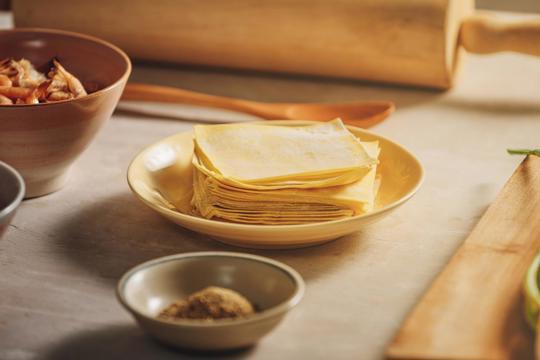
Wonton wrappers: they're essential in Chinese cuisine.
Smaller and thinner than dumpling wrappers, they provide a delicate casing for fillings.
Plus, they can be folded into different shapes for fried and steamed dishes.
Size counts: wonton wrappers measure 3 inches on each side.
This means they can hold just the right amount of filling.
And, they cook quickly with a crisp texture when fried or a tender bite when steamed.
What's in the dough? Wonton wrappers are typically made with all-purpose flour, eggs, water, and salt - see wonton soup taste guide for flavor notes.
This gives them a slightly chewy texture.
Dumpling wrappers, on the other hand, contain higher gluten flour or specialized dumpling flour -- this makes them more elastic and resilient.
Folding techniques: wonton wrappers can be folded into simple triangles, envelopes, or pleats.
This lets chefs experiment with different presentations.
As for dumplings, they often come in half-moon shapes or sealed round formations.
Understanding Dumpling Wrappers

Dumpling wrappers are key for delicious dumplings.
They are thin sheets of dough that hold fillings, giving texture and structure.
Knowing about dumpling wrappers is important to understand the full dining experience - see pierogi vs dumpling comparison for context.
The wrappers are versatile. Flour, water and salt make up the delicate sheets.
They can be pleated or more detailed, crafted by skilled chefs. The thickness of the wrapper matters.
Thin wrappers give a delicate experience while thicker ones give a heartier bite.
They can even take on bold flavors. Cooking method matters too.
Recipes can call for steaming, frying or boiling.
Each technique adds something unique to the wrapper and the experience.
Key Differences Between Wonton Wrappers and Dumpling Wrappers
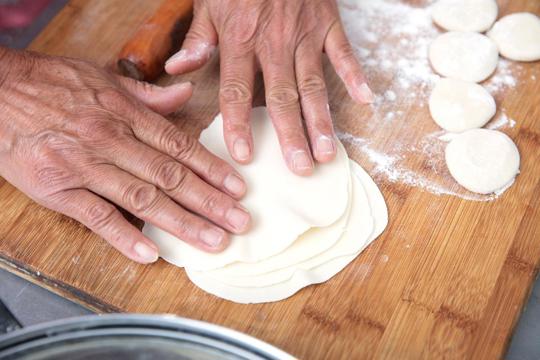
Wonton and dumpling wrappers may look similar, however they have key differences.
If a recipe calls for a citrus note, key lime juice substitutes list for bright citrus suggests five workable options.
Texture and Thickness
Wonton and dumpling wrappers have a important part to play in the cooking world.
Delicate layers of dough create distinct characters and tastes.
Wonton wrappers are silky and thin, allowing the filling to be the star.
In contrast, dumpling wrappers are thicker.
They provide a heartier bite and more support to the filling.
Wonton wrappers are smooth and thin.
This means they cook quickly and evenly, offering a tender bite.
They also absorb flavors from the filling and broth or sauce.
Dumpling wrappers are thicker.
This allows them to survive longer cooking times without getting too soft.
They are often used for pan-frying or deep-frying.
Thickness makes a difference to the eating experience.
Wonton wrappers provide a light mouthfeel, focusing on the filling's flavor.
Thick dumpling wrappers add substance, creating a satisfying chew.
It is important to remember that both wrappers give delicious treats, but their textures and thicknesses create different experiences.
Knowing these differences will improve your enjoyment of these Asian delights.
For dishes emphasizing creamy texture rather than a chewy wrapper, vegan hummus recipes for creamy texture provides 13 ideas.
Ingredients Used
Dumpling and wonton wrappers have distinct differences.
These affect the taste and texture of the dish.
So, what are the ingredients? Dumpling wrappers contain all-purpose flour, water, and salt.
This mix creates a dough that is elastic and easy to work with.
Whereas, wonton wrappers have all-purpose flour, water, and egg.
This adds a richer flavor and a smoother texture.
Plus, wonton wrappers are smaller than dumpling wrappers.
This determines the amount of filling that can be added.
Understanding these subtle differences will help improve your homemade dumplings or wontons.
Culinary Uses
Wonton and dumpling wrappers may look alike, but have unique uses.
Wonton wrappers are thin and ideal for lighter fillings like seafood or veggies.
They're common in Chinese cuisine as appetizers, like fried or steamed wontons.
Meanwhile, dumpling wrappers are thicker and better for heavier fillings like ground meat or poultry.
They feature in many Asian dishes like potstickers and boiled dumplings.
Wonton wrappers can be folded in different shapes, such as triangles or purses, then boiled, steamed, or deep-fried.
Dumpling wrappers are usually folded into half-moon shapes and cooked by boiling, steaming, or pan-frying.
Also, wonton wrappers are great for desserts.
Fill them with sweet fillings and deep-fry for a crispy treat.
Wonton and dumpling wrappers have distinct culinary uses.
Knowing the differences lets chefs create appetizers and main dishes that match their tastes and textures.
Flavor and Taste
Flavor and taste are key for making out wonton wrappers from dumpling wrappers - learn extract vs flavor comparison for clarity.
Wonton wrappers have a mild flavor. This allows the filling to stand out.
Plus, they are thin and crunchy. Dumpling wrappers, however, are thicker and chewier.
They have a neutral taste that goes with various fillings and sauces.
Similarities Between Wonton Wrappers and Dumpling Wrappers
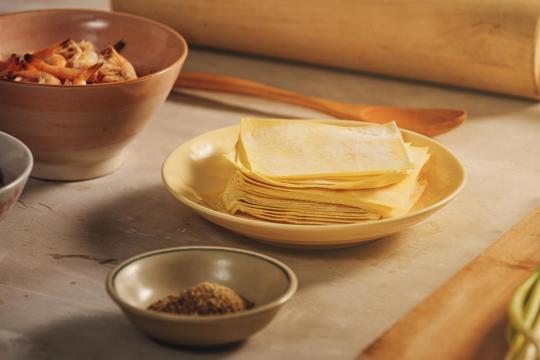
Wonton and dumpling wrappers have a lot in common.
They are thin sheets of dough, used to contain fillings and offer a convenient way to eat without mess.
The wrappers are perfect for various cooking methods, like steaming, boiling, frying and baking.
This allows cooks to make wontons or dumplings to their own preference.
Both also have a delicate outer layer and a juicy inner filling.
These wrappers can be bought pre-made or made from scratch - or explore wonton wrapper substitutes and swaps for quick options.
This helps home cooks and chefs save time, if needed.
Taste and texture may differ due to regional preferences or recipes, but they can still be used interchangeably for potstickers, jiaozi, ravioli and more.
Recipes that Use Wonton Wrappers and Dumpling Wrappers
Cooking? Know the diff between wonton and dumpling wrappers.
They're both used in Asian dishes but have distinct characteristics.
Wontons are thin and smooth, made of flour, water, and eggs.
They're great for boiled, steamed, or fried wontons.
Dumplings are thicker, with a chewy texture.
From potstickers to jiaozi, they're often filled with savory ground meat and veggies before boiling, steaming, or pan-frying.
It's up to you for preference and desired outcome.
Wonton wrappers give a delicate touch, while dumplings are heartier.
Try different fillings and cooking methods for tempting Asian dishes.
Wow your friends and family.
For handheld, plant-forward options that contrast with wrapped dumplings, vegan sandwich recipes with serious flavor offers 20 bold ideas.
Best Uses for Wonton and Dumpling Wrappers
Wontons and dumplings may look similar but have very distinctive culinary personalities all their own.
The difference between wonton wrappers and dumpling wrappers is mainly in the type of dough.
Wonton wrappers are typically made with an egg-based dough or mix of egg and starch, while dumpling wrappers are either wheat or tapioca based.
This small yet telling distinction gives each wrapper a unique texture, flavor, and purpose for preparing certain popular dishes.
Now that you understand the differences between wonton vs dumpling wrappers, why not put your knowledge to the test? Head to the store and pick up a pack (or two) of each wrapper for a tempting taste comparison.
You-and your hungry epicurean heart- won't regret it.
Wonton and dumpling wrappers pair with many preparations. wonton wrapper substitutes and swaps suits quick swaps. gyoza wrapper substitute ideas for recipes works when gyoza is called for.
Frequently Asked Questions
Wonton wrappers and dumpling wrappers may seem interchangeable, but they have some key differences. They share some similarities but each has qualities that make it better suited for certain recipes.
It depends on the dish. Wonton Wrapper and Dumpling Wrapper share some overlap, but each shines in different preparations.
Swapping works best in forgiving recipes like soups or stews.
Pricing varies by brand and region, but one is typically more accessible at everyday price points. The other may cost more due to specialization or limited supply.
Is there a best time to use each one?
One shines in applications requiring subtlety and background support.
The other is better when it is meant to be a center.
Matching the right one to its role makes a noticeable difference.