
Selecting the right type of fuel for your next cookout is essential.
After all, delicious food requires just the right combination of ingredients - and that includes charcoal!
But when you're looking at different types of charcoal such as wood chips or chunks, which one should you choose?
It can be confusing since they have similar names but offer different levels of heat and flavor.

What are Wood Chips?
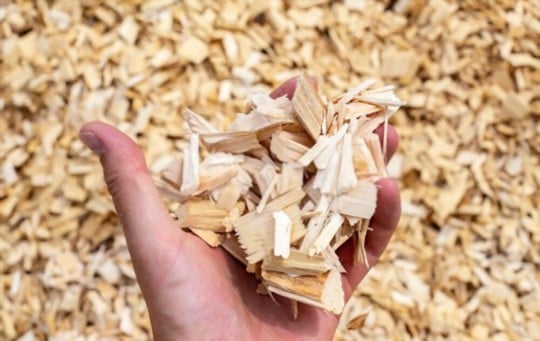
Wood chips are small, thin pieces of wood that are often used for smoking or grilling meats and other foods.
They are made by chopping or grinding larger pieces of wood into smaller bits, typically no more than a few inches in length and width.
There are various types of wood available, each with a distinct flavor that can add depth and complexity to the food being cooked.
The size and texture of the chips can also affect how they burn and release smoke during cooking.
Wood chips come in different sizes, but the most common ones used for smoking range from small to medium in size.
They are often used when smoking meats or fish because their smaller size allows them to burn quickly and release smoke faster.
This makes them a good option if you want to infuse your food with a strong smoky flavor quickly.
In summary, wood chips are small pieces of wood used primarily for smoking meat and adding a smoky flavor to dishes.
Their size and texture impact the way they burn and release smoke during cooking.
For a different kind of ingredient comparison, see Cloud Ear vs Wood Ear comparison guide that explains which mushroom works best in various dishes.
What are Wood Chunks?

Wood chunks are larger pieces of wood used for smoking and grilling.
They are typically thicker and heavier than wood chips, which are smaller shavings of wood.
Wood chunks can be made from a variety of different woods, including oak, hickory, mesquite, apple, and cherry.
Wood chunks create a longer burn time than wood chips due to their size and weight.
This means that they will produce smoke for longer periods of time, making them ideal for larger cuts of meat or longer grilling sessions.
The increased size also allows them to maintain a consistent temperature throughout the cooking process.
In addition to their longer burn time, wood chunks also produce more smoke than wood chips.
This is because the larger surface area of the chunk allows for more oxygen flow and thus more combustion.
This results in a stronger smoky flavor in the food being cooked.
However, note that using wood chunks requires more careful attention during the cooking process as they tend to produce higher heat levels.
They are best used in conjunction with charcoal or other fuel sources that can help regulate temperature.
For another ingredient showdown, refer to Black Fungus vs Wood Ear comparison overview to understand differences between similar fungi.
Differences Between Wood Chips and Chunks
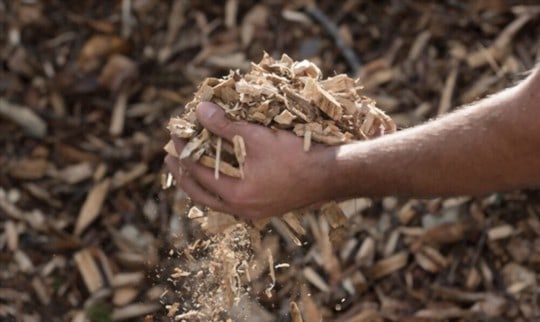
Choosing the right type of wood can make all the difference in the world.
Two popular options for adding flavor to your meat are wood chips and chunks.
While they may seem similar, there are actually some key differences between the two.
As you can see from the table above, one of the main differences between wood chips and chunks is their size.
Wood chips are small and thin while chunks are larger pieces that take longer to burn.
This means that using chips will produce smoke much faster than using chunks.
Another factor to consider is smoke intensity.
Because wood chips burn faster than chunks, they produce less smoke, resulting in a milder flavor.
On the other hand, chunks burn slowly and give off more intense smoke which yields more strong flavors.
In terms of ease-of-use, wood chips are often more convenient since they require little to no preparation work.
Simply add them directly to your smoker or grill.
However, if you prefer using wood chunks to get larger and slower-burning pieces but aren't keen on preparing them yourself - many companies sell pre-soaked or seasoned wood-chunks.
Overall, understanding these differences can help you choose the best option for your particular needs when it comes to meat smoking.
For a look at how fuel choice changes results, see charcoal vs wood smoker comparison for differences in flavor and heat management.
Size and Shape
Size and shape are important factors to consider when choosing between wood chips and chunks for smoking or grilling.
Wood chips are small pieces of wood, typically less than 2 inches in length and width, while wood chunks are larger and can range from 3-6 inches or more in size.
Wood chips are thinner and come in long, thin strips or shavings.
They may be easier to handle than larger chunks due to their smaller size, but they also burn faster and provide less smoke.
Wood chunks, on the other hand, are thicker and come in large blocks that take longer to burn.
When choosing between wood chips and chunks, consider the size of your smoker or grill as well as your intended cooking time.
If you have a smaller smoker or only plan on smoking for a short period of time, wood chips may be the better choice for you.
However, if you have a larger smoker or want to smoke meat for several hours, wood chunks may provide a better flavor.
In summary, the size and shape of your chosen wood can significantly impact your smoking or grilling experience.
By understanding these differences between wood chips and chunks, you can make an informed decision that results in deliciously flavored barbecue.
Burn Time and Smoke Production
Smoke production is important when it comes to achieving the perfect flavor for your food.
The smoke produced by wood chips or chunks will determine how much smoky flavor your food receives.
The burn time, on the other hand, refers to how long the wood will last during grilling or smoking.
Wood chunks have a longer burn time compared to wood chips.
This is because larger pieces of wood will take longer to combust.
On the other hand, wood chips will burn faster due to their smaller size.
Wood chunks offer a higher level of smoke compared to wood chips.
This is because they release more flavor compounds over an extended period.
It's important to consider both factors when selecting which type of wood you want to use for your cooking needs.
For shorter cooking times like grilling or roasting, wood chips would be ideal due to their shorter burn time.
However, if you're planning on smoking meats for several hours, then using wood chunks would be better suited for your needs.
Remember, choosing the right type of wood will impact the final taste of your food.
For insight into concentrated flavor options, check Hickory vs Mesquite Liquid Smoke comparison notes to see how liquid smoke mimics wood profiles.
Flavor Infusion
Flavor is everything.
The type of wood you choose can greatly impact the taste of your food.
Wood chips and chunks both offer unique flavors, but they differ in how they infuse that flavor into your meat.
Wood chips are smaller in size than chunks and have a greater surface area.
This allows them to burn quicker and produce more smoke in a shorter amount of time.
However, this also means that they may produce an acrid smoke if overused or not soaked beforehand.
On the other hand, wood chunks are larger and have a slower burn rate.
They provide a more consistent smoke production throughout the length of the cookout.
Since less heat is produced from chunks than chips, there is less chance of the meat becoming dry or burnt due to excessive char.
Ultimately, whether you choose wood chips or chunks depends on personal preference when it comes to flavor infusion.
In case you're wondering why some people prefer soaking their smoking woods before using them for barbecuing - soaking makes sure that the wood releases its flavorful moisture as steam instead of burning up as flames that could overdry or overpower your meat's taste profile.
Soaked pellets also ignite evenly with fewer flare-ups while producing clean blue flames instead of unwanted puffs or gusts.
Ultimately, it's all about experimentation- trying out different methods is the best way to discover your ideal preparation strategy.
By choosing the right type of wood flavor and considering how you're going to cook your meat, you're sure to enjoy every bite.
To understand concentrated versus natural tastes, read Extract vs Flavor comparison explainer for how extracts differ from infused flavors.
Suitability for Different Cooking Methods
Wood chips and chunks offer a great way to impart flavor to your food while cooking.
Different cooking methods require different types of wood chips and chunks, as the size of the wood pieces often determines how quickly they release flavors into the food.
As seen from the table, grilling and smoking are suitable for both wood chips and chunks.
Wood chunks work best for barbecuing as they take time to release flavors into the food due to their larger size, while roasting doesn't require any wood chips or chunks at all.
When using wood chips, it's important that they don't burn too quickly, spoiling the taste of your food.
That's why soaking them in water for around half an hour before putting them on top of hot coals is a good idea.
On the other hand, use dry chunks with barbecue pits, as adding wet logs will slow down their combustion rate.
It's also essential to choose appropriate-sized wood chips and chunks for your cooking needs.
For instance, when smoking meats like brisket or pork butt, larger block-sized pieces work better than tiny ones since they survive longer in high temperatures used in smokers.
For guidance on swapping liquid ingredients, consult White Cooking Wine vs White Wine Vinegar comparison to pick the right acidic or aromatic option.
How to Use Wood Chips and Chunks in Cooking?
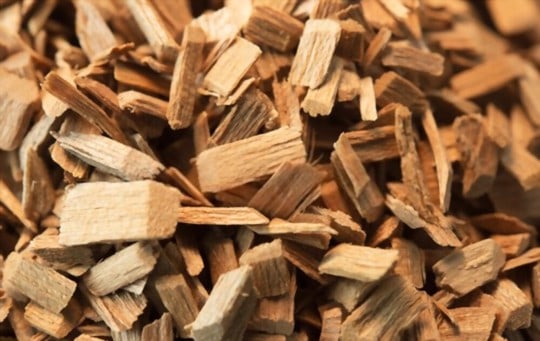
Wood chips and chunks are essential elements in cooking, as they improve the flavor of the food.
Wood chips are small pieces of wood that burn faster, whereas chunks are larger pieces of wood that take longer to burn.
In this section, we will discuss how to use wood chips and chunks in cooking.
When grilling with hardwoods such as hickory, mesquite, and oak, it is best to use chips or small chunks.
Soak them for at least 30 minutes before you start grilling.
It helps increase smoke production and prolongs the burning time.
However, if you're using an electric smoker for smoking meat, there is no need to soak the chips or chunks beforehand.
You can simply add them directly into your smoker box.
If you're smoking meat on a charcoal grill using fruitwood like apple or cherry - large chunks work well but ensure they don't get too hot.
Alternatively, medium chips work well too but require pre-soaking for at least one hour before using them.
In summary, selecting the right kind of wood for cooking plays a significant role in improving the taste of your food.
Using both wood chips and chunks appropriately can help you achieve that perfect smoky flavor in different cooking methods.
For tips on tool choices that affect heat and handling, see Pizza Peel Wood vs Metal comparison tips for differences in performance and care.
Grilling
Wood chips and chunks can add an extra layer of flavor to your food.
But what exactly is the difference between the two?
Using wood chips for grilling is great if you want a quick infusion of flavor.
They have a shorter burn time compared to wood chunks, so they're perfect for short cooking times or when you want to impart just a hint of smoky flavor.
However, be prepared to change out the chips frequently - they only last around 30 minutes before needing to be replaced.
On the other hand, wood chunks are ideal for longer cooking times as they have a longer burn time.
This makes them perfect for slow-cooked meats like ribs and brisket.
As mentioned earlier, placement is key when using wood chunks as they can create pockets of smoke rather than distribute the smoke evenly.
When it comes down to it, both wood chips and chunks have their place in your grilling arsenal.
It really depends on what you're cooking and how much time you have.
For a breakdown of quick-heat methods, review Broiling vs Grilling method comparison to determine which technique best suits short or long cooks.
Smoking
There are many ways to get the job done.
One of the most important decisions you will have to make is whether to use wood chips or chunks.
Wood chips are small pieces of wood, usually about the size of a quarter, while chunks are larger pieces that can be several inches long and wide.
Both types of wood have their advantages and disadvantages,
- Let's talk about smoke production. Wood chips will produce smoke more quickly than chunks because they have a greater surface area and dry out more quickly. This means that they are ideal for shorter cooking times or when you want to add a quick burst of flavor to your food.
- On the other hand, wood chunks burn slower and produce smoke for a longer period of time. This makes them better suited for longer cooking times, such as when smoking a whole brisket or pork shoulder. They also tend to produce a stronger flavor than wood chips.
- Another factor to consider is temperature control. Because wood chips burn quickly, they can cause temperature spikes in your smoker if you're not careful. Wood chunks burn more slowly and evenly, which makes it easier to maintain consistent temperatures throughout your cook.
When it comes down to it, the choice between wood chips and chunks really comes down to personal preference and what you're cooking.
If you're looking for quick smoke production or adding flavor in short bursts, go with wood chips.
If you're looking for longer cook times or a stronger flavor, opt for wood chunks.
Baking
For those who love to bake, using wood for cooking and adding that smoky flavor can improve the taste of many dishes.
Depending on the type of wood you use, it can add a unique aroma and taste to your baked goods, from bread to pizza.
But how do you know what type of wood chips or chunks to use for baking?
Wood chips are smaller in size and burn faster than chunks.
They are typically used for shorter cooking times, such as with grilling or smoking meats.
On the other hand, wood chunks are larger in size and burn slower than chips, making them ideal for longer cooking times like when baking or roasting.
When it comes specifically to baking, some popular types of woods used include applewood, hickory, and mesquite.
Applewood is a favorite of many bakers because it adds a sweet and fruity flavor to baked goods like pies and tarts.
Hickory provides a strong smoky flavor that works well with savory baked goods like chicken or turkey pot pie.
Mesquite is another popular option that adds a slightly spicy flavor to bread and pizza dough.
When baking with wood, you should only use food-grade wood chips or chunks specifically made for cooking purposes.
Avoid using regular firewood or any treated wood as they can release harmful chemicals into your food.
In summary, if you're looking to add some smoky flavor to your baked goods, using wood is an excellent way to achieve this.
Determine which type of wood will work best depending on the specific dish you're making and be sure to only use food-grade wood products made for cooking purposes.
Roasting
The type of wood you use can greatly impact the flavors of your food.
While both wood chips and wood chunks are commonly used for roasting, they have some differences in their properties and uses.
As you can see from the table, wood chips are smaller and burn faster than wood chunks.
They also produce higher levels of smoke due to their greater surface area.
This results in a stronger and more immediate flavor impact on your food.
On the other hand, wood chunks are larger and burn longer, producing less smoke overall.
This results in a milder and slower flavor impact on your food compared to wood chips.
Depending on what you're looking for in terms of flavor intensity and cook time, you may prefer one over the other for roasting.
Popular Wood Chip and Chunk Varieties

There are several popular options to choose from.
The choice of wood can significantly impact the flavor of the food being cooked.
Hickory is one of the most popular woods used for smoking due to its strong smoky flavor.
It pairs well with beef, pork, and poultry.
Apple wood provides a sweet and fruity flavor that complements pork and poultry dishes perfectly.
Cherry wood offers a mild taste with a slight sweetness that goes well with similar meats as apple.
Mesquite is known for its strong earthy flavor that pairs well with beef or pork.
It is not recommended to use mesquite with poultry as it can overpower the delicate flavors.
Maple wood provides a mild sweetness that works great with all types of meats.
Overall, there are many different types of wood chips and chunks available on the market that can be used for smoking meat.
Experimentation with various types will help you find your perfect combination.
Choosing Between Wood Chips and Chunks for Smoking
From the table above, we can see that wood chips burn faster and impart a stronger smoke flavor compared to chunks.
However, chunks last longer and provide a subtler smoky taste.
It ultimately comes down to personal preference and what you're cooking.
Another important factor to consider is how wet or dry the wood is.
Drier wood ignites quicker and produces less smoke, while wetter wood takes longer to ignite but produces more smoke.
When using wood chips or chunks for smoking or grilling, it's important to pay attention to the type of meat you're cooking as well.
Certain meats pair better with specific woods - for example, beef often pairs well with hickory or mesquite while poultry may benefit from fruitwoods like apple or cherry.
For equipment material differences, see tortilla press wood vs cast iron comparison. For prep-surface choices, review wood vs plastic cutting board comparison.
Frequently Asked Questions
But when you're looking at different types of charcoal such as wood chips or chunks, which one should you choose? They share some similarities but each has qualities that make it better suited for certain recipes.
In many recipes, yes. Wood Chips and Chunks fill similar roles, though each brings its own character.
Try a small test batch before committing to a full swap.
Availability varies by region. One is usually a standard grocery store item while the other may require a specialty or international market depending on where you live.
Can a beginner tell the difference by taste?
In a side-by-side tasting, yes.
The difference becomes less obvious when mixed into a recipe with other ingredients.
Most people notice the distinction more clearly on its own.