No taste test of dog milk exists, but its fat and protein suggest milk thicker and richer than cow's milk.
- A 2022 lab study found 2 to 4 times the fat of cow's milk and equal or lower lactose.
- Dog milk is not sold as human food in the US.
- A puppy without its mother needs puppy milk replacer, not cow's milk.
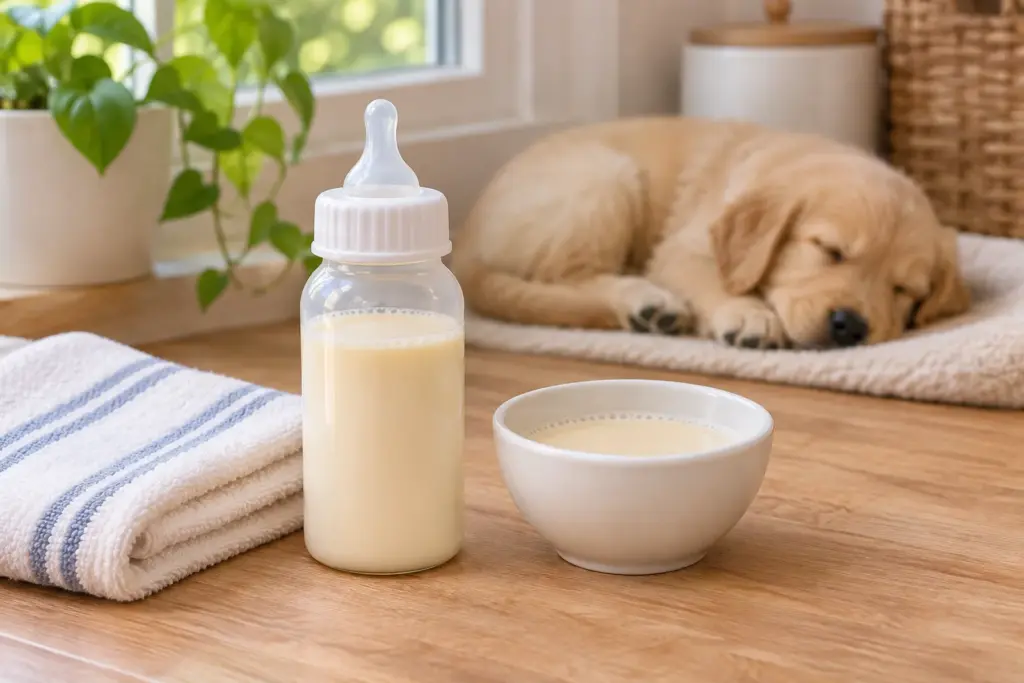
Raw milk from any animal can carry harmful bacteria.
Most pages in our taste profiles describe a food that people buy and eat. Dog milk has no tasting record, so the measured makeup of the milk is the best evidence we have.
1. What Does Dog Milk Taste Like?
We have not tasted it, and we found no published tasting of dog milk, so any flavor guess you read has to come from its chemistry. Fat is the clearest clue. A 2022 study measured 8.9 to 14.3 percent fat in dog milk, against 3.7 percent in the cow's milk it tested.
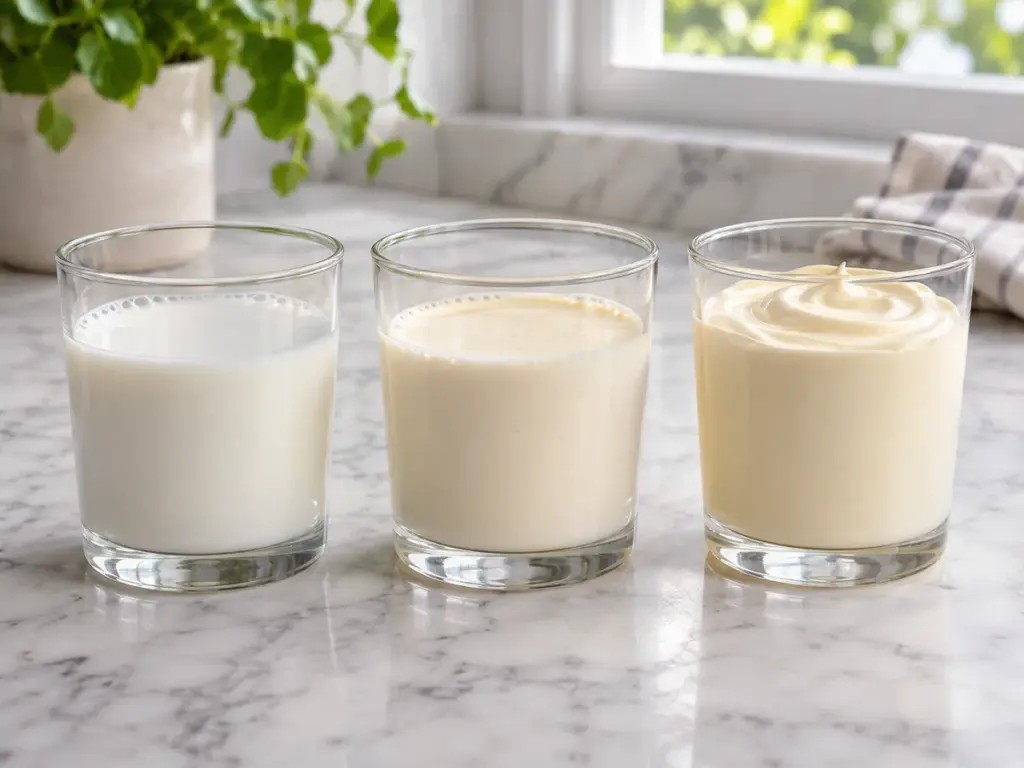
US half-and-half must contain 10.5 to 18 percent milkfat, so dog milk would likely feel closer to half-and-half than to whole milk. That is a reasoned guess about mouthfeel, not a tasting report.
Lactose, the sugar in milk, is the second clue. The study found 1.56 to 3.92 percent in dog milk and 3.71 percent in its cow sample, so you should not expect dog milk to taste any sweeter than cow's milk. Protein ran 6.6 to 17.3 percent, about 2 to 5 times the cow sample, which would make the milk feel heavy.
2. How Does Dog Milk Compare with Cow's Milk?
The table comes from one 2022 study in Foods. It tested milk from four dog breeds, 2 to 4 weeks into nursing, beside Holstein cow's milk and Saanen goat's milk. Numbers are grams per 100 mL.
| Nutrient | Dog Milk (4 Breeds) | Cow's Milk | Goat's Milk |
|---|---|---|---|
| Fat | 8.92 to 14.31 | 3.71 | 4.45 |
| Protein | 6.62 to 17.34 | 3.12 | 3.09 |
| Lactose | 1.56 to 3.92 | 3.71 | 3.95 |
| Ash (minerals) | 1.11 to 1.81 | 0.82 | 0.88 |
Measure out equal amounts and you get 2 to 4 times the fat and 2 to 5 times the protein in the dog milk as in the cow's milk sample, plus more minerals. A 1984 study of five beagles gave a similar picture, with about 9.5 percent fat, 7.5 percent protein and 3.8 percent sugar from day 7 to day 37 of nursing.
3. Can People Drink Dog Milk?
You can't buy dog milk as human food in the US. The FDA's legal definition of milk, 21 CFR 131.110, covers the milk of healthy cows only. Dog milk comes straight from a nursing dog, so what you would get is raw, unpasteurized milk.
The FDA says raw milk can carry Salmonella, E. coli, Listeria and Campylobacter, and you face the most risk if you are pregnant, older or have a weakened immune system, as children do too. Pasteurization kills those germs by heating the milk, and raw dog milk skips that step.
If you are curious about a milk from another animal, pick one that is sold and pasteurized. Many US grocery stores sell milk from goats, and the pages on camel milk and horse milk describe rarer milks that people do drink. People who avoid lactose usually choose lactose-free milk, which keeps a dairy flavor.
Pet foods are made for pets, so the same caution applies if you are wondering whether you can eat dog treats.
4. What Should You Feed a Puppy Without Its Mother?
If a puppy's mother can't nurse it, you need canine milk replacer, which plays the role infant formula plays for a human baby. VCA Animal Hospitals calls it the preferred way to feed orphaned puppies and says cow's and goat's milk are deficient in protein and fat. Until about three weeks of age, with no foster dog available, the replacer has to supply all of the puppy's food.
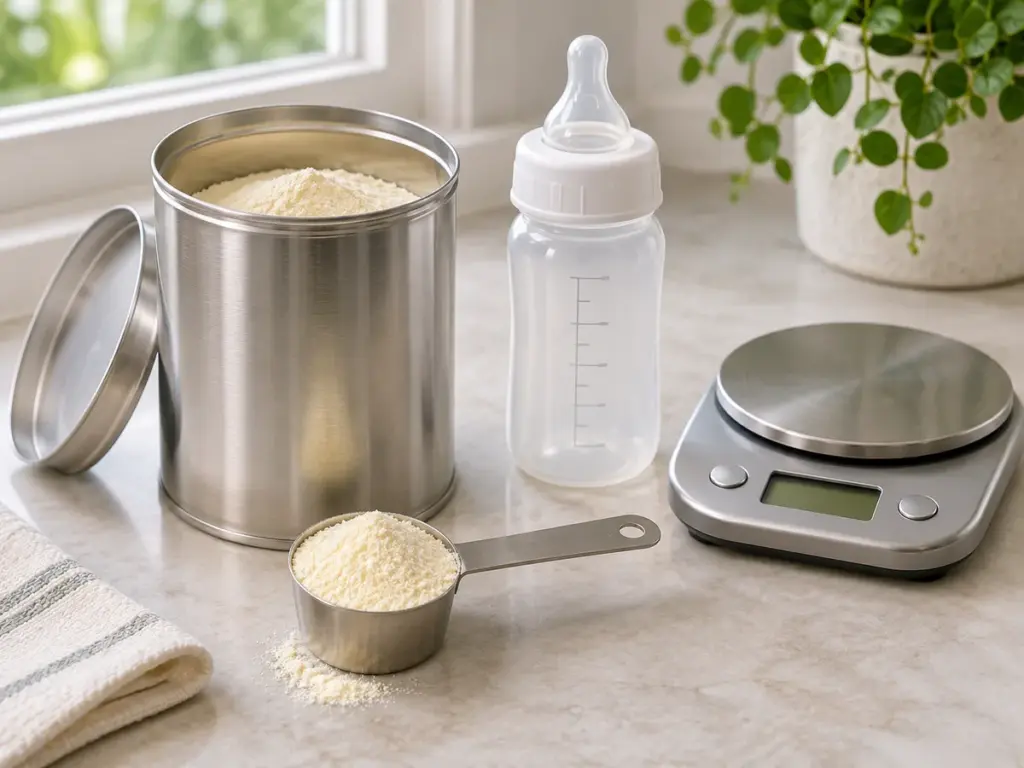
The 2022 study's authors note that cow's and goat's milk are the main ingredients in puppy replacers, and that some commercial powders can be deficient or excessive in certain nutrients. Ask your veterinarian which product to buy, then follow VCA's steps below.
- Choose a canine replacer. Pick one made for puppies that contains DHA, an omega-3 fat that supports brain and eye development.
- Mix it by the label. The label gives how much and how often to feed, and those amounts assume the puppy gets only the replacer.
- Warm it to 95 to 100°F. That is 35 to 37.8°C, and a drop on your forearm should feel about as warm as your skin or slightly warmer.
- Feed on schedule. A small or weak puppy may need six or more feedings, about every four hours.
- Weigh and call the vet. An orphaned puppy needs regular vet visits to track weight, and a body temperature below 94°F (34.3°C) can be life-threatening.
Sources
- Analysis and Comparison of Nutrition Profiles of Canine Milk with Bovine and Caprine Milk, Foods, 2022
- Lactation in the dog: milk composition and intake by puppies, Oftedal, Journal of Nutrition, 1984
- Orphaned puppies, VCA Animal Hospitals
- The Dangers of Raw Milk, US Food and Drug Administration
- 21 CFR 131.110, Milk and 21 CFR 131.180, Half-and-half

Food writer at GustoMeadow. Writes ingredient substitutes, food comparisons, taste guides and storage guides for home cooks.
Storage and food-safety numbers follow USDA, FDA and university extension guidance.