Ever wondered about those tiny, tart apples you see on ornamental trees?
Yep, we're talking about crab apples. These little fruits are not just for show.
They're totally edible and can add a zing to your cooking like nothing else.
Sure, you might not want to chomp down on one straight off the branch - they're super sour!
But with a little creativity, they can transform into something utterly delicious.
It's time to give crab apples a second glance and see what these pint-sized powerhouses can do in the kitchen.
Trust us, you'll be surprised!
What are Crab Apples?
Before we bite into the juicy details of how you can enjoy these tiny treasures, it's good to know what you're dealing with.
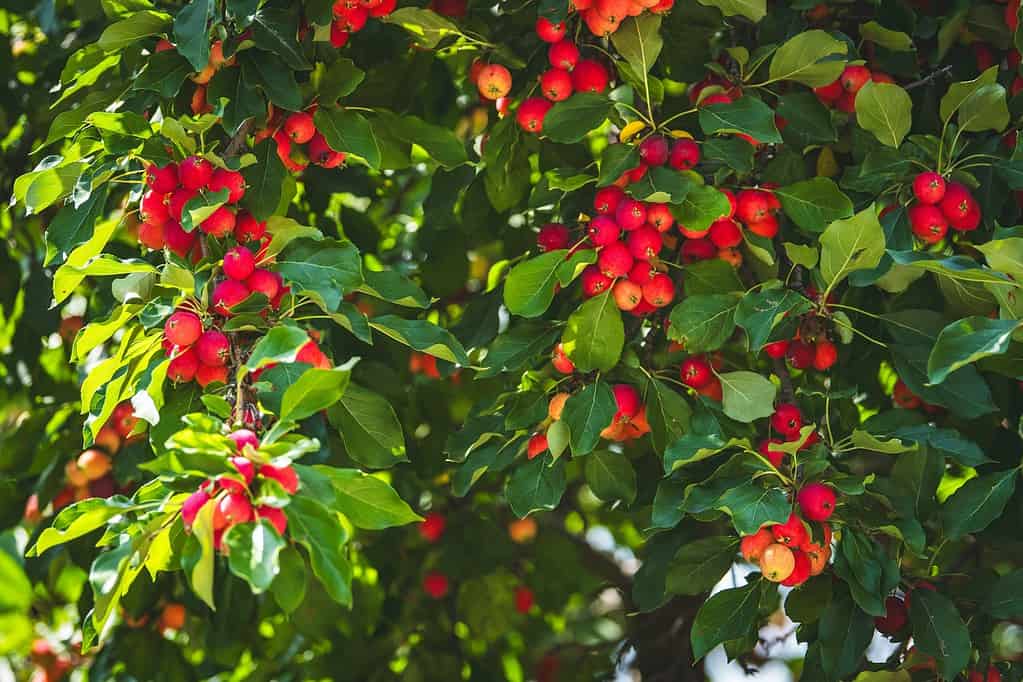
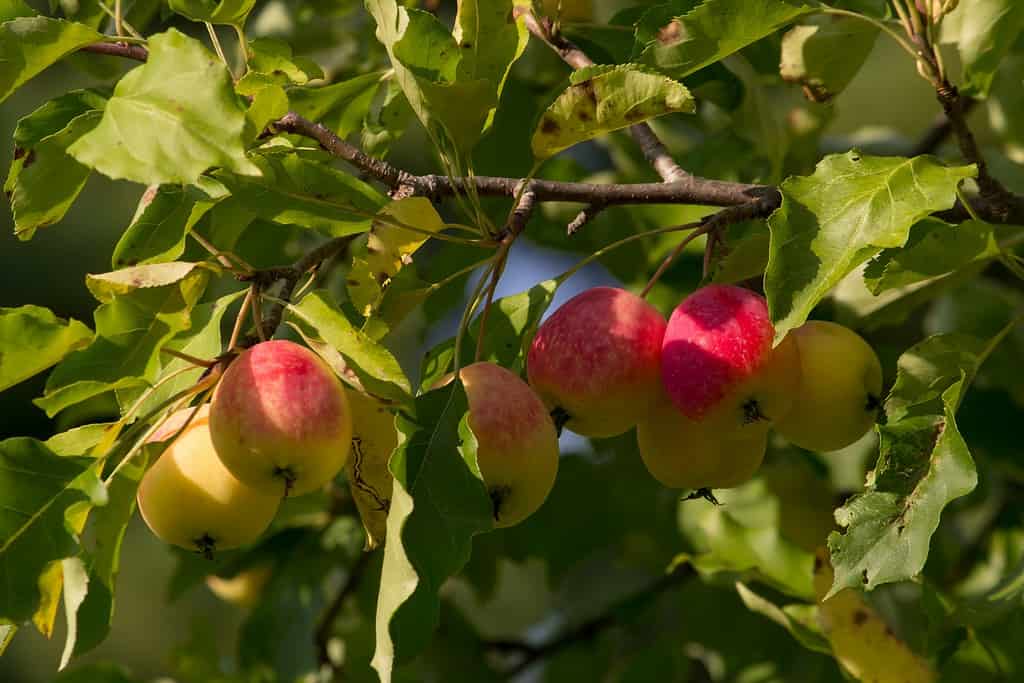
Crab apples are a type of wild apple, known for their diminutive size, often sour taste, and their tendency to be much more abundant in the wild.
Unlike the varieties you see in grocery stores, crab apples are typically the unsung heroes of the apple world - not typically chosen for eating outright due to their tartness.
Yet, this variety comes with its own unique qualities - a natural pectin-rich flesh that makes it perfect for jams and jellies, a range of colors from yellow to bright red, and even a blush of orange.
They also have a nearly unmatched level of antioxidants compared to their larger cousins.
Their tartness makes crab apples natural partners for bright, sweet flavors; for ideas on complementary citrus pairings, consult lemon dessert pairing ideas for desserts.
Culinary Uses of Crab Apples
Moving on to cooking exploration, crab apples are not to be underestimated.
Traditional uses of these fruits include making cider, vinegar, and pickles.
They're also used for their pectin content, ideal for setting up preserves.
Their sour flavor lends itself well to being balanced with sweeteners in various recipes.
When serving crab apples with seafood or crustacean dishes, consider complementary sides; soft shell crab side dishes offers side ideas that match rich, savory mains.
Recipes Incorporating Crab Apples
For those who like to preserve the seasons, crab apple jelly is a wonderful way to capture their essence.
Spiced crab apples can add a rich, tangy depth to a cheese platter, and they make an excellent chutney, perfect to accompany roast meats.
The tart punch of crab apple can also be harnessed for flavored spirits, like crab apple whiskey.
Also, they can be slow-cooked into syrup for an aromatic and unique addition to your pancake breakfast - try pairing it with pancake recipes with creative twists to make the most of that syrup.
Can You Eat Crab Apples?
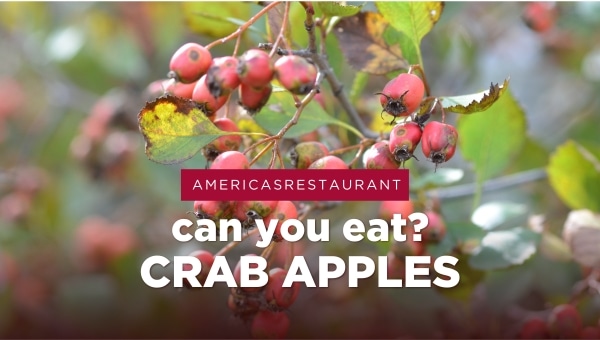
Despite their smaller stature and tart taste, crab apples are indeed edible.
The misconception that they're inedible likely comes from their less-than-desirable taste when eaten raw.
It's important to note that while you can eat crab apples, not all varieties are equally enjoyable plain, but rather celebrated for the treats they transform into - similar to how some veggies are best prepared cooked rather than raw; see zucchini raw benefits and risks for more on when to eat produce raw or cooked.
Crab apples can be used in various recipes, such as jams, and jellies, and even as a flavorful addition to savory dishes like pork roasts or salads.
The process of cooking or baking crab apples can enhance their natural sweetness and bring out unique flavors that make them a flexible ingredient in the kitchen.
Factors Influencing Edibility
The edibility of crab apples depends largely on personal preference and the variety of crab apples in question.
Some are tastier raw than others, but none are poisonous.
They are, however, packed with vitamins and offer a unique apple flavor that, when balanced in a recipe, can be quite pleasant.
Safety Considerations
Just because crab apples are not toxic doesn't mean we can throw caution to the wind.
There are some risks associated with eating crab apples, largely due to potential contamination from pesticides or simply because they're a bit unwashed from the tree.
Also, the seeds contain a mild form of cyanide, so one should avoid eating them.
Precautions to Take
To stay safe while enjoying crab apples, ensure they are thoroughly washed and ideally come from a trusted source.
If you're using them in cooking, remove the seeds as a simple precaution.
So that your crab apples are pesticide-free can be a little more complex if you're foraging, but making efforts to pick them from the right area in the right season can minimize this concern.
How to Eat Crab Apples?
If you're keen to savor the flavor of crab apples, here's how to do it right.
First off, you might want to peel them, as their skin can be quite tough.
The easiest way to enjoy them is to cook them or process them, which helps to mellow out the bitterness and show their more enjoyable qualities.
When cooking fruits like crab apples, aromatic additions can change the result; for guidance on using dried herbs safely in recipes, see bay leaves edible explanation and caution.
Creative Serving Ideas
There are numerous ways to get creative with serving crab apples.
You can incorporate them into a refreshing fruit salad, stew them with a little sugar and cinnamon for a comforting treat, or even bake them into a pie.
Their natural pectin can help to set up a fruit compote, giving it a lush, thick texture.
For a more indulgent approach, they can lend their tartness to a sweet pastry, such as the pleasant crab apple tarts.
Crab apples can also bring a bright counterpoint to hearty mains; for inspiration on pairing with meat-centric dinners, see ground beef dinner ideas for variety.
Best Time to Order Lunch at Burger King
Crab apples may be small, but they pack a punch in terms of flavor and versatility.
While caution is important when it comes to foraged fruits like these, the rewards of incorporating crab apples into your diet are abundant.
Remember to source them from safe locations, consider professional advice on foraging, and get ready to enjoy the creative cooking experience these little apples offer.
Whether you're a budding chef or simply someone who loves to experiment in the kitchen, crab apples are an ingredient waiting for you to create something memorable.
If planning a quick meal out after foraging or shopping, know typical restaurant service times; when Burger King serves lunch outlines common lunch start times.
For quick produce safety notes, see raw green beans safety tips. For flavorful pairings, guacamole pairing ideas lists combos that work well with tart fruit accents.
Frequently Asked Questions
Focus on recipes with straightforward steps and ingredients you recognize. The best ones deliver great results without requiring specialty equipment or hard-to-find items.
Most Can You Eat Crab Apples? A Quick Guide to Enjoy recipes need only standard kitchen equipment - a good knife, a cutting board, and one or two pans.
A few may call for a blender or baking dish depending on the style.
Avoid cross-contamination by using separate cutting boards for raw meat and produce. Wash hands before and after handling raw ingredients.
Store perishables at or below 40°F (4°C).
Yes. Smelling or tasting food to check safety is unreliable - many dangerous bacteria produce no detectable odor or taste.
Visual inspection alone also misses many microbial risks.