
If you're out of Flour, reach for Rice Flour, Buckwheat Flour, Oat Flour, Potato Starch, and Sorghum Flour.
Rice Flour
Rice flour is a fine, powdery flour made from rice.
For cooking, Buckwheat Flour also works well - adjust the amount to taste.
Seeking flour alternatives can spark a lot of curiosity.
Especially when you hear about millet flour and its benefits.
We all want to make healthier choices in our kitchen.
And finding the right substitute for millet flour can feel like a mini victory.
Some of us might be new to this whole alternative flour scene.
Others could be pros, looking to shake things up a bit.
Either way, we've got a list that'll make everyone's day.
No tough jargon, just straightforward swaps that work wonders.
After all, the goal is to keep meals delicious and nutritious, right?
The 5 Best Substitutes for Millet Flour
Finding a good substitute for wheat flour can be tricky for those with gluten sensitivities or celiac disease.
Millet flour is a great gluten-free alternative to wheat flour, but it can be hard to find and expensive.
Luckily, a few good substitutes for millet flour will work just as well in your recipes.
1 - Rice Flour

Rice flour is a fine, powdery flour made from rice.
It's a popular ingredient in Asian cuisines and can be used in many different recipes.
For example, rice flour can make noodles, dumplings, pastries, and even bread.
It's also a good gluten-free alternative to wheat flour.
Rice flour is relatively easy to find in stores, but you can also make your own by grinding rice in a food processor or coffee grinder.
If you want to add extra protein to your diet, try using brown rice flour instead of white rice flour.
Brown rice flour has more fiber and nutrients than white rice flour, and it will give your baked goods a nutty flavor.
2 - Buckwheat Flour
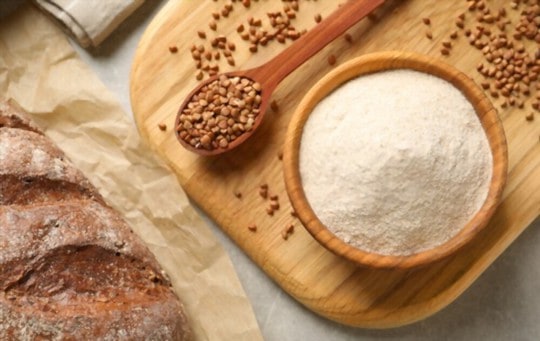
Buckwheat flour is a type made from the buckwheat plant's seeds.
It is a strong flour with a nutty flavor and is often used in pancakes, crepes, and pasta.
Buckwheat flour is also a good fiber, protein, and iron source.
Because it is high in fiber, it can help to regulate digestion and prevent constipation.
And because it is high in protein, it can help to build muscle and repair tissue.
Buckwheat flour is also gluten-free, making it a good choice for people with celiac disease or gluten intolerance.
If you are looking for nutritious and versatile flour, buckwheat flour is a great option.
3 - Oat Flour
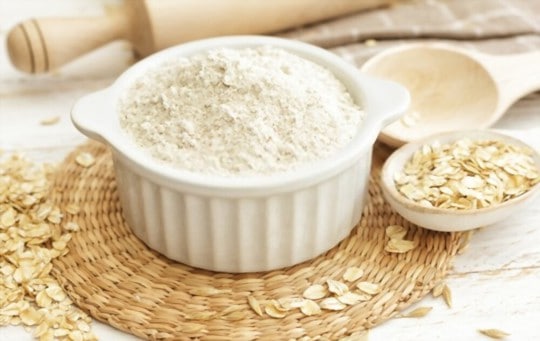
Oat flour is a type of flour made from finely ground oats.
It is a healthy alternative to wheat flour and can be used in various recipes.
Oat flour is high in fiber and protein and contains vitamins and minerals.
One of the main benefits of oat flour is that it is gluten-free.
This makes it an ideal choice for people with celiac disease or gluten intolerance.
Oat flour can make pancakes, cookies, muffins, and other baked goods.
It can also be used as a thickener for soups and stews.
Oat flour is a great option if you want a healthy way to add oats to your diet.
4 - Potato Starch
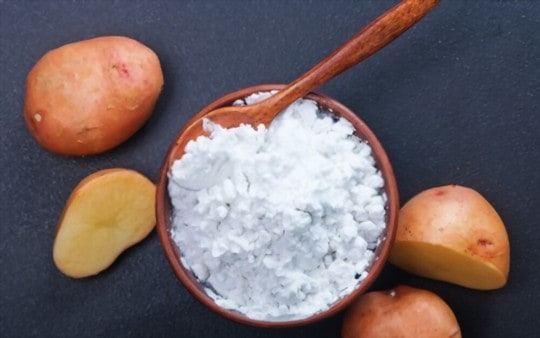
Potato starch is a fine, white powder made from the potato plant.
It is commonly used as a thickener or binding agent in food production.
Potato starch can make various foods, including bread, pastries, and noodles.
It is also a popular ingredient in gluten-free recipes.
Potato starch is high in carbohydrates and calories, but it is also a good source of dietary fiber.
Note that potato starch should not be confused with potato flour, which is made from grinding up whole potatoes.
While both products are similar, they are not interchangeable.
Potato flour has a coarser texture and will not produce the same results as potato starch.
When baking or cooking with potato starch, it is important to follow the recipe closely to ensure the best results.
5 - Sorghum Flour
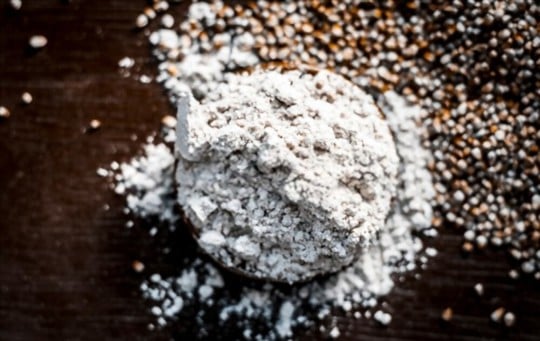
Sorghum flour is a type of flour made from sorghum grains.
It is a gluten-free flour that is popular in vegan and gluten-free baking.
Sorghum flour can make bread, cakes, cookies, and other baked goods.
It has a slightly nutty flavor and can be substituted for wheat flour in most recipes.
Sorghum flour is high in fiber, and its slightly sweet flavor makes it popular for baking.
Sorghum flour is a good alternative to wheat flour for people with celiac disease or gluten intolerance.
When baking with sorghum flour, adding extra liquid to the recipe is important as sorghum flour produces a denser product than wheat flour.
Frequently Asked Questions
Rice Flour, Buckwheat Flour, Oat Flour, Potato Starch, and Sorghum Flour. Use it at a 1:1 ratio in any recipe that calls for Flour.
Absolutely. Rice Flour is the closest swap.
Buckwheat Flour also works in a pinch. Match the original amount and tweak from there.
Can this substitute be used in baking as well as cooking?
Some work in both, but baking is less forgiving.
Substitutes that alter fat content, sweetness, or moisture can shift the structure of baked goods.
Test with a small batch first.
Frozen substitutes sometimes change texture after thawing. This matters more in raw applications like salads than in cooked dishes where texture is softened by heat anyway.