Opah tastes rich and savory, and you can compare it to swordfish and tuna.
- The meat is firm, moist and oily, so it holds up to grilling and searing.
- Raw opah comes in orange, pink and dark red cuts, and all of them cook to white.
- Cook it to 145°F and no further, because overcooked opah turns dry despite its oil.
Opah (Lampris guttatus) is a round, deep-sea fish that NOAA compares to a large car tire, and it shows up more and more on menus and at fish counters. If you are weighing it against other fish in our food taste guides, the closest matches are meaty ocean fish rather than flaky white fish.
1. What Does Opah Taste Like?
The Hawaii Seafood Council lists opah's flavor as rich and its texture as firm, and it calls the flesh rich with fish oils. That oil keeps the cooked meat moist, so you get a full, savory bite instead of the lean, sweet one you get from mahi-mahi. NOAA also describes opah meat as rich and increasingly popular in seafood markets.
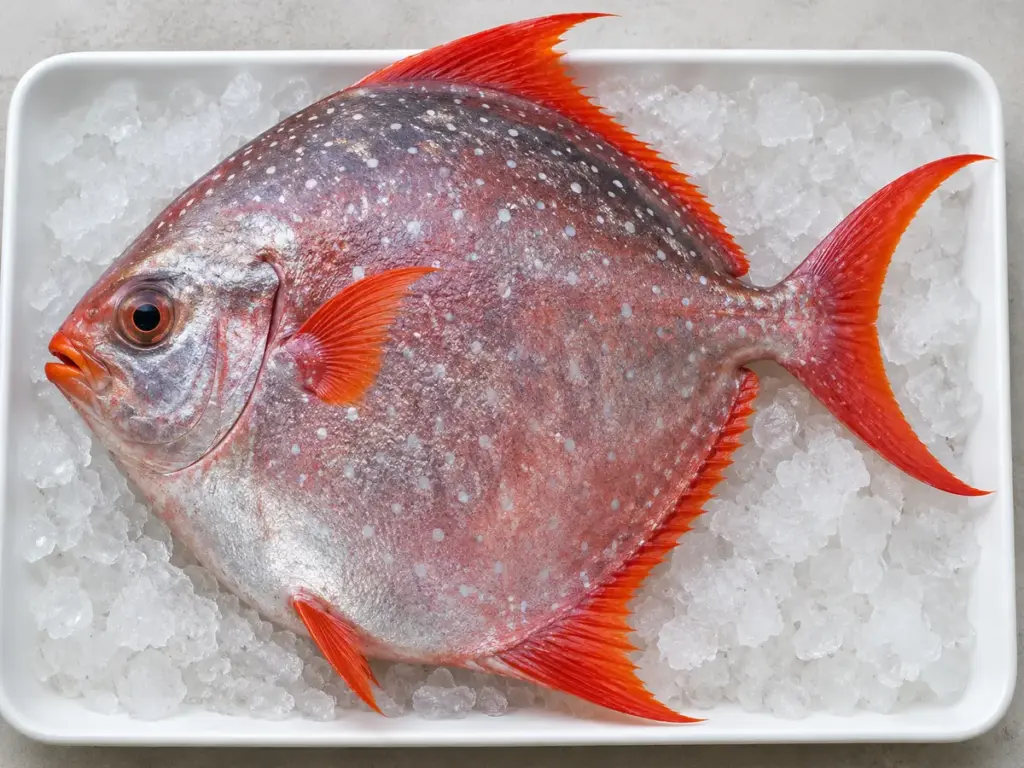
| Trait | Opah | What it means at the stove |
|---|---|---|
| Flavor | Rich and savory | Needs only salt, citrus or a fruit salsa, not heavy sauce |
| Texture | Firm, meaty, moist | Cuts into steaks that hold together on a grill |
- Opah comes in orange, pink and dark red cuts.
- Each cut looks different on the plate.
- Every cut turns white.
- Judge doneness by temperature, not by color.
If you like meaty fish with some richness, opah suits you, and if you want something delicate and flaky, opah is a poor pick.
2. Why Is Opah Meat Orange, Pink and Red?
One fish gives you several kinds of meat, and the Hawaii Seafood Council describes three raw shades. Older descriptions count a fourth type, so you may see four colors listed, but the Council's list has three.
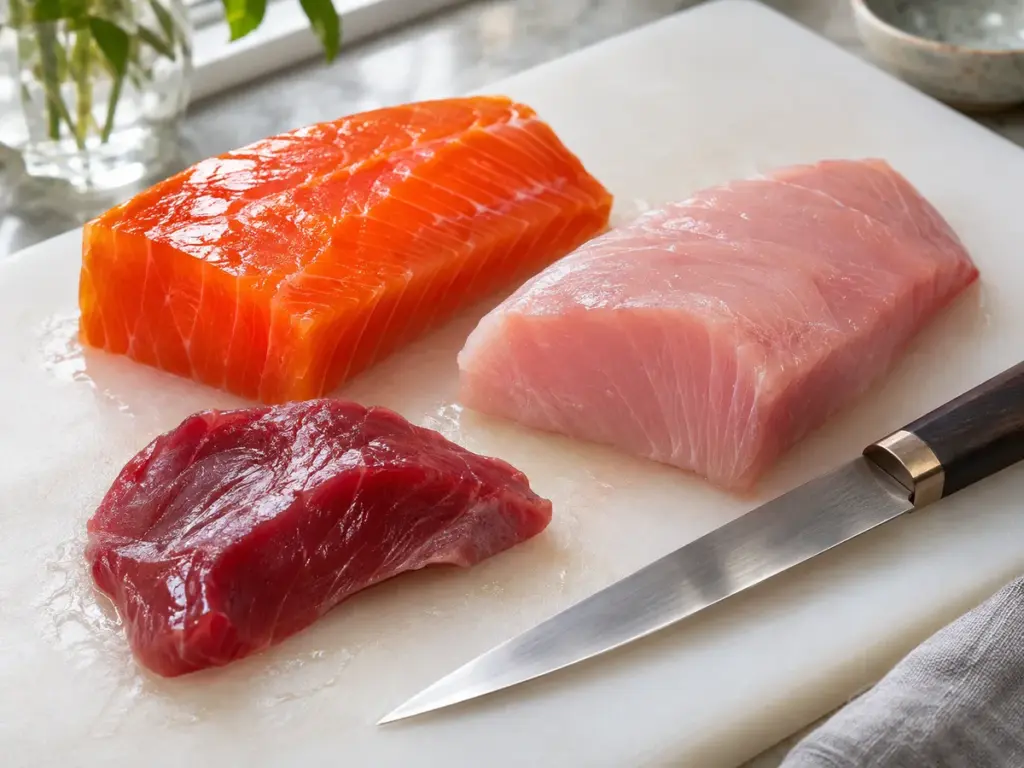
- Orange meat sits behind the head and along the backbone. It looks closest to salmon and is the cut most people picture when they order opah.
- Pink meat comes from the belly side. It is paler than the orange loin, so it reads as the lighter cut on a sashimi plate.
- Dark red meat comes from the cheeks. Its color is the most striking raw, but the Hawaii Seafood Council says it cooks to white like the rest.
Because every cut turns white in the pan, a steak that still looks pink or red in the middle is undercooked, even though it may look like a different cut. Use a thermometer so the raw color does not mislead you.
3. How Does Opah Compare With Swordfish, Tuna and Mahi-Mahi?
Opah is often described as a cross between two meaty fish: it has the dense bite of swordfish and the richness of ahi tuna. Lean fish such as mahi-mahi sit at the other end, so pick by how much richness you want on the plate. If you cannot find opah, firm, meaty cobia holds together on a grill. Wahoo steaks are leaner but stay in one piece over the heat too.
- You want a steak that grills without falling apart
- You like rich fish but find salmon too strong
- Your fruit salsa or citrus sauce cuts through oil
- You want a lean, sweet fish, as in mahi-mahi
- You need a budget fish, since FishBase rates opah very expensive
- A pregnant guest or child will eat it raw
4. How Do You Pan-Sear Opah?
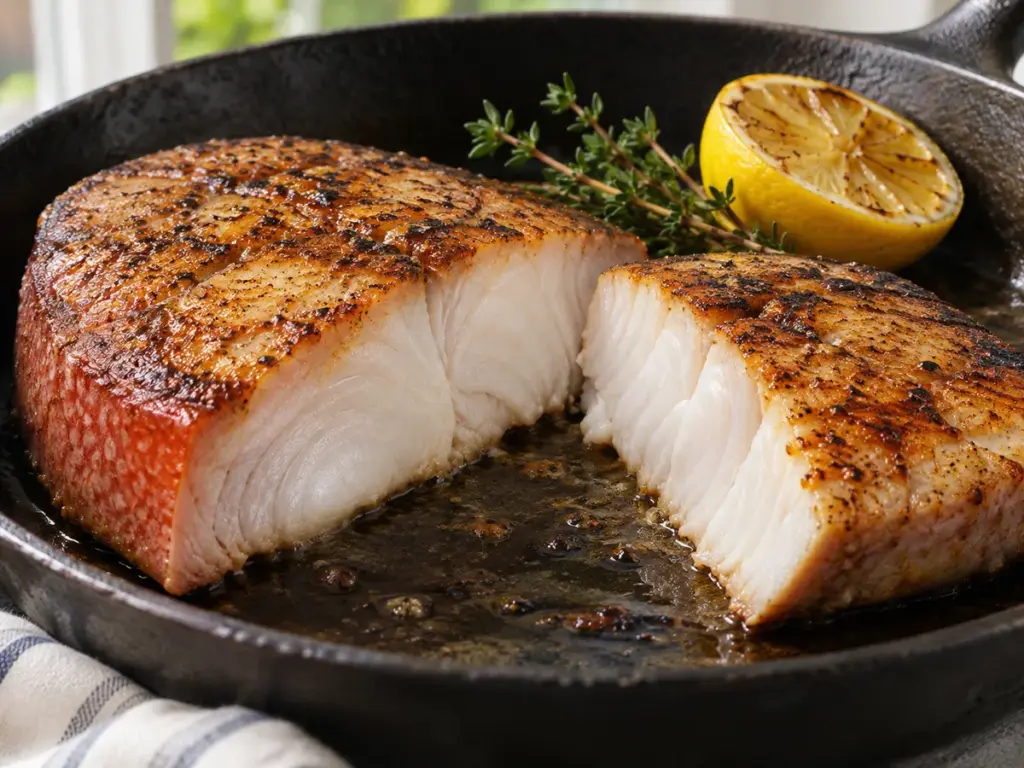
If you sear opah, you get a browned crust and a moist inside, which is the best way to taste it on its own. Use steaks about 1 inch thick, and follow this order:
- Dry and season. Pat the steaks dry with paper towels so the surface browns instead of steaming, then season both sides with salt and pepper.
- Heat the pan. Warm a heavy skillet over medium-high heat and add a thin film of oil that holds up to heat, such as avocado or canola.
- Sear the first side. Lay the steaks in the pan and leave them alone for about 3 to 4 minutes, until the edge turns white and a golden crust forms.
- Flip and finish. Turn the steaks and cook another 3 to 4 minutes, then check the thickest part with a thermometer. Take the fish off the heat at 145°F.
- Add acid. Squeeze lemon or lime over the steaks right before serving to balance the richness.
5. What Other Ways Can You Cook Opah?
Opah's firm, oily meat takes well to most methods, so you can choose from the raw, broiled, baked, sauteed, steamed and smoked styles the Hawaii Seafood Council lists. Each of these suits a different kind of meal:
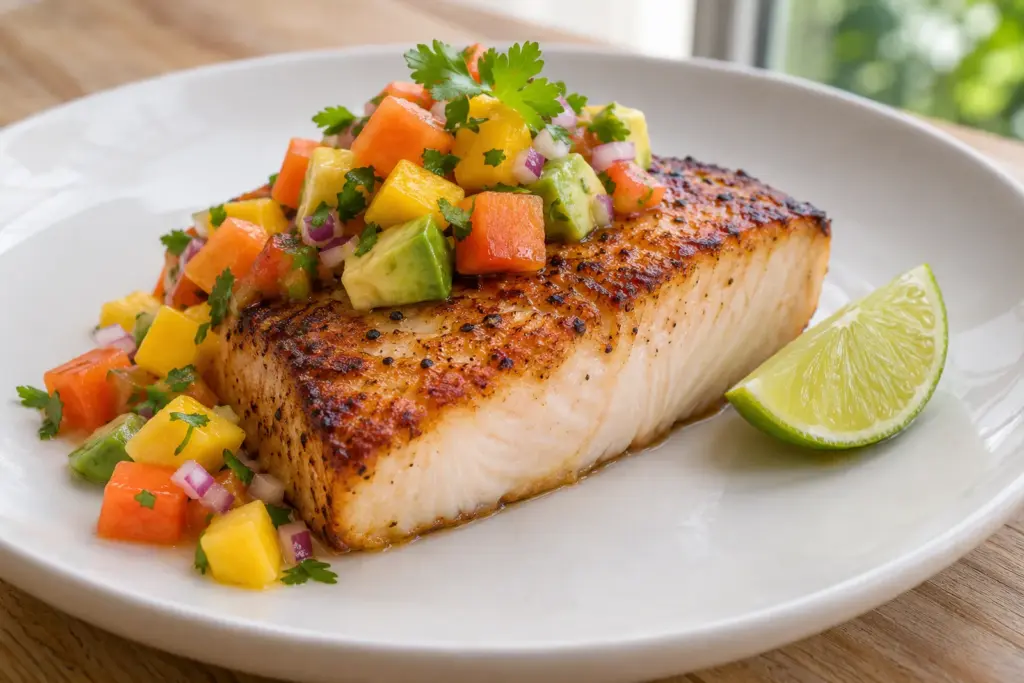
- Grilled with tropical salsa. Papaya, mango and avocado add sweetness and acid that cut the richness of the fish.
- Baked with vegetables and herbs. Cherry tomatoes, olives and zucchini give you a Mediterranean dish, and vegetables that roast alongside baked fish can share the same pan.
- Steamed after a short wine marinade. White wine adds a light acidity, and steaming keeps the meat from drying out.
- Simmered in a curry. Firm cubes hold their shape in coconut milk and spice, so you can add them near the end of cooking.
- Smoked. Oily meat takes smoke well, but you need a tested recipe for the cure and smoke times.
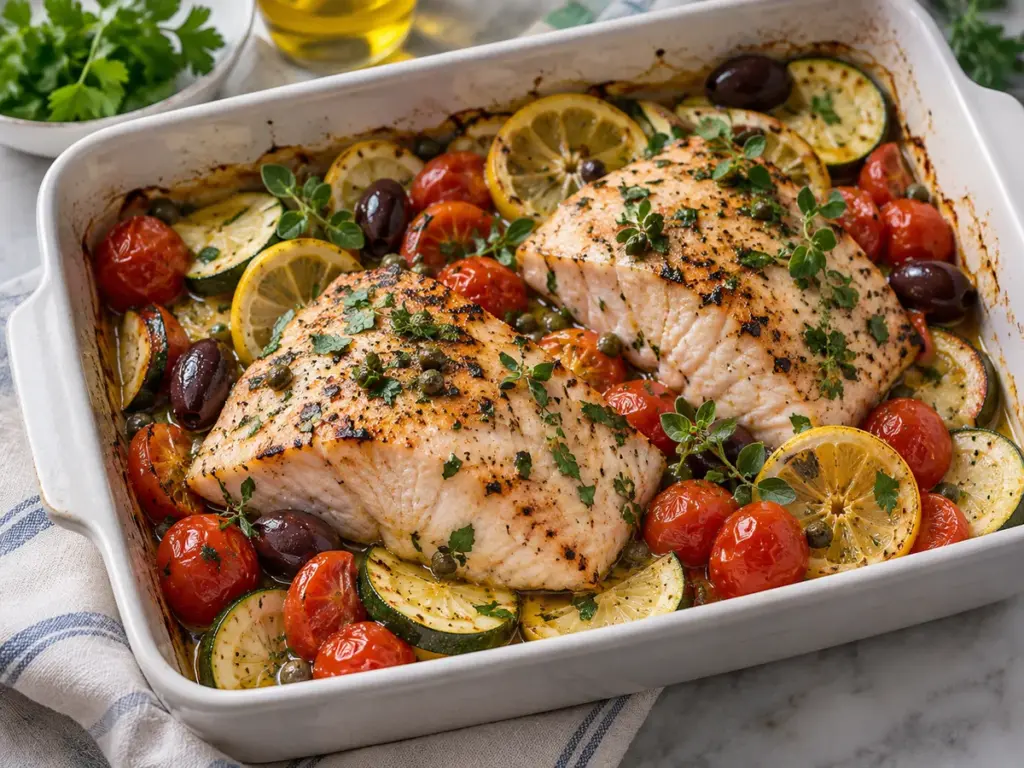
Whatever method you pick, the fish blends with most herbs and vegetables, so you can build the dish from what you already have. Keep the heat moderate for baked and steamed versions and the time short, because overcooked opah loses the moisture that makes it worth buying.
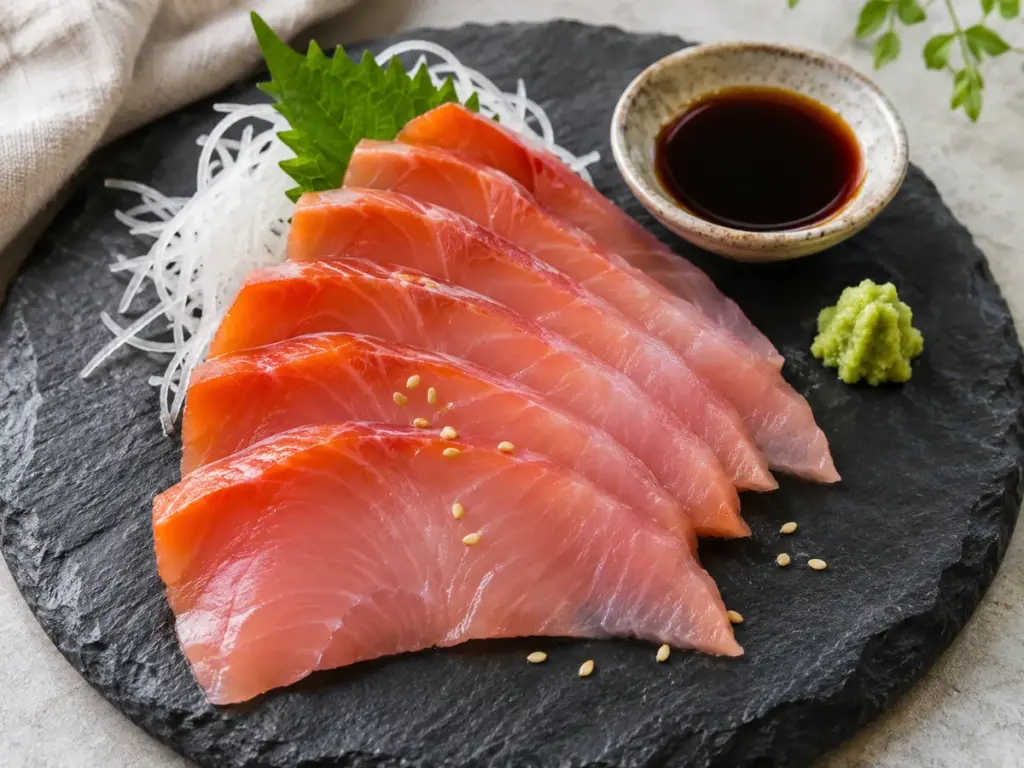
6. Can You Eat Opah Raw?
Yes, you can. FishBase notes that opah is prepared as sashimi, and the Hawaii Seafood Council lists raw as one of its serving styles.
7. How Often Can You Eat Opah?
Opah is a large predator that feeds on squid and midwater fish, and large predators collect more mercury than small fish. The Hawaii Department of Health's guide to eating fish safely, published through its WIC program for pregnant and nursing women and young children, puts opah in a group to eat no more than once every two weeks. If you cook the fish, the mercury stays in it.
Within that limit, the fish gives you real nutrition. The Hawaii Seafood Council calls it a rich source of protein, niacin, vitamin B6, vitamin B12, phosphorus and selenium, and low in sodium.
8. What Should You Look For When Buying Opah?
Opah is not a small fish, since Hawaii landings run 60 to over 200 pounds, so you will almost always buy it as steaks or loin pieces cut from a larger fish. The Hawaii Seafood Council says all Hawaii opah is line-caught and landed year-round, with landings that seem to peak from April to August.
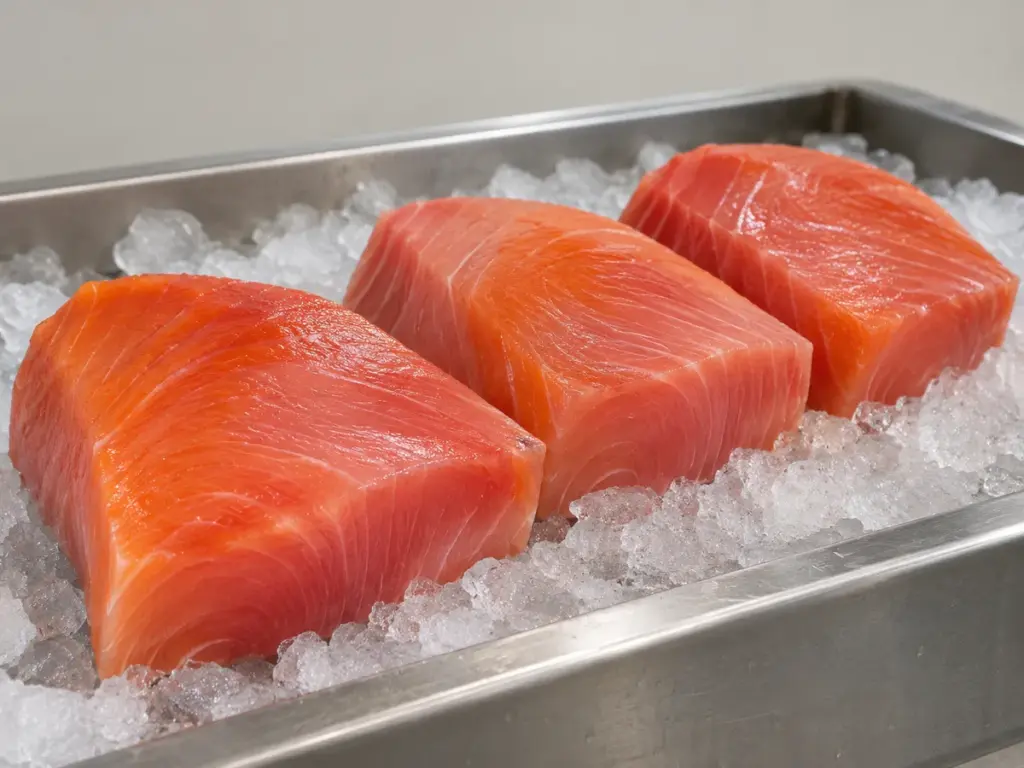
Buy cuts that look moist and glossy, and pass on any piece that smells sour, rancid or strongly fishy, as the FDA advises for all seafood. At home, you can keep fatty fish 1 to 2 days in the fridge and 2 to 3 months in the freezer, according to the USDA FoodKeeper, and you can keep cooked fish 3 to 4 days in the fridge.
Sources
- Hawaii Seafood Council: Moonfish (Opah)
- NOAA Fisheries: Warm Blood Makes Opah an Agile Predator
- FishBase: Lampris guttatus (opah)
- FDA: Selecting and Serving Fresh and Frozen Seafood Safely
- Hawaii Department of Health: A Local Guide to Eating Fish Safely (2019)
- USDA FoodKeeper

Food writer at GustoMeadow. Writes ingredient substitutes, food comparisons, taste guides and storage guides for home cooks.
Storage and food-safety numbers follow USDA, FDA and university extension guidance.