A ripe soursop (guanabana) has turned yellowish green and gives under your thumb.
- Remove every hard black seed before you blend, because the seeds are toxic.
- Fresh or frozen pulp blends into drinks, smoothies and ice cream.
- Studies tie heavy Annona eating in Guadeloupe to a Parkinson-like illness, and soursop is not a proven cancer treatment.
Soursop is one of the fruits people buy once for its musky, subacid flavor, set on the counter, and then wonder how to open. Once the fruit or the frozen bag is in your kitchen, check ripeness, seeds and safety first, because they decide whether your drink or ice cream turns out well and stays safe to eat.
1. How Do You Tell If a Soursop Is Ripe?
Press it gently with your thumb. Purdue University's fruit reference says an eating-ripe soursop is soft enough to yield to slight thumb pressure and that the skin changes from dark green to a yellowish green. A fruit that is rock hard needs more time.
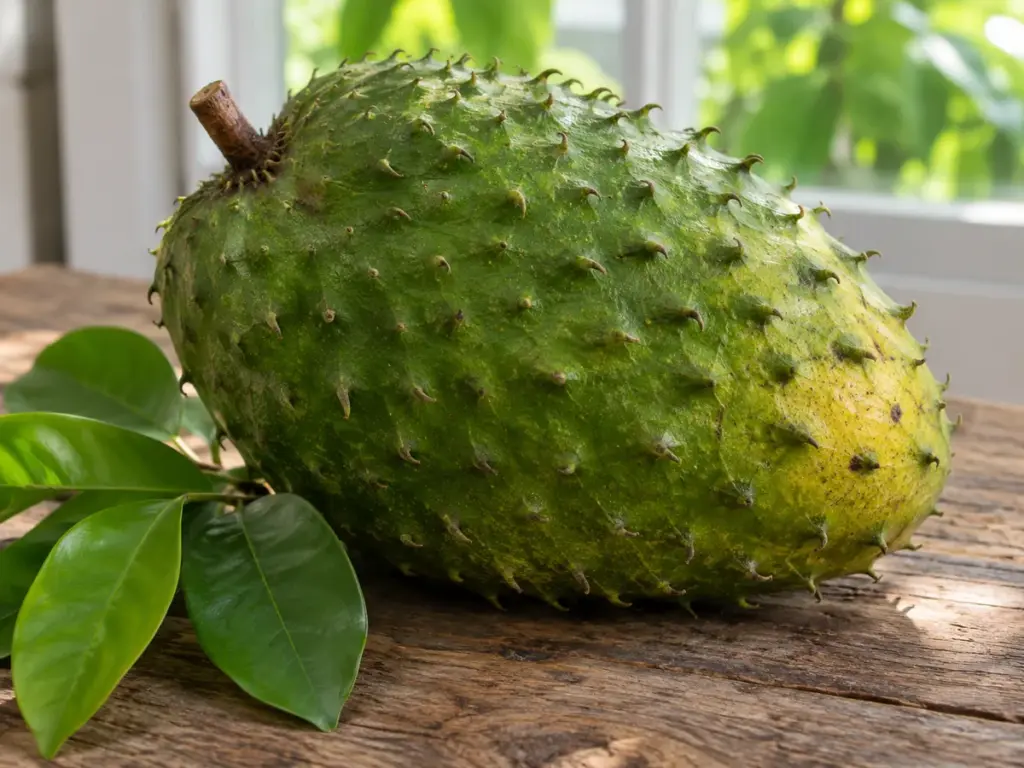
Mexico News Daily says a ripe one should give quite a bit and feel quite soft, "much more so than a mango or peach," which is a useful check if you have never held one.
- Dark green skin that feels firm means the fruit is not ripe yet, so leave it at room temperature for a few days.
- Yellowish-green skin that yields to thumb pressure, with spine tips that snap off easily, means it is ripe and at its best, so open it today or tomorrow.
Firm fruit ripens at room temperature in a few days, and Purdue puts the best eating stage at 5 to 6 days after harvest, after which the flavor weakens and a faint off smell develops.
Once it is ripe, the fridge buys you 2 or 3 more days, and the skin may blacken while the flesh underneath is often still usable. We would not judge a soursop by the skin color alone after refrigeration, so open it and look at the pulp.
2. How Do You Cut a Soursop and Remove the Seeds?
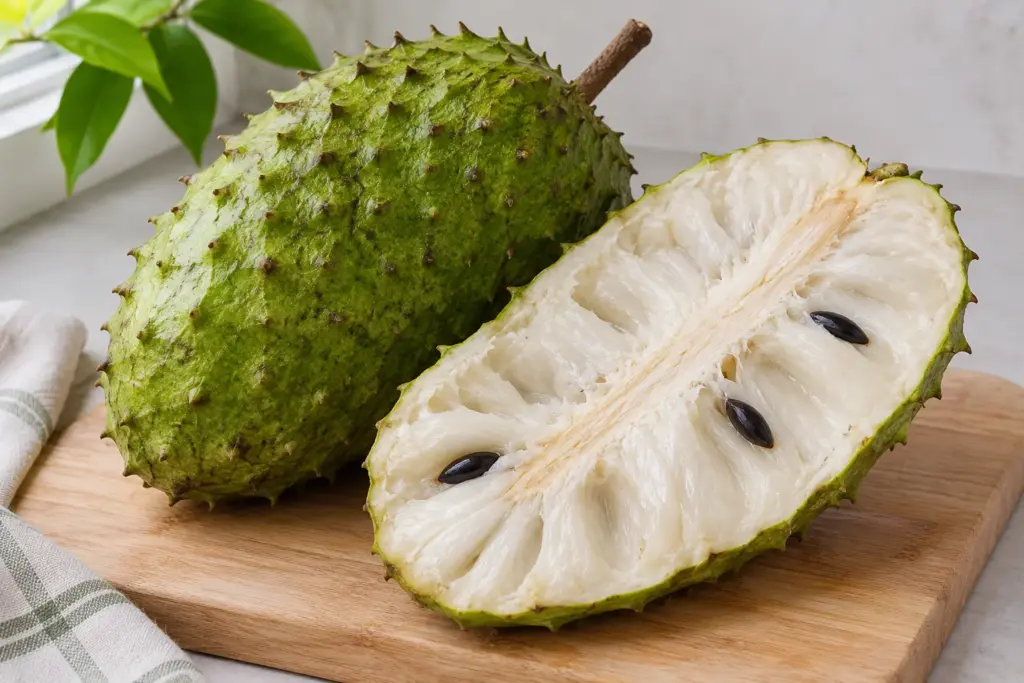
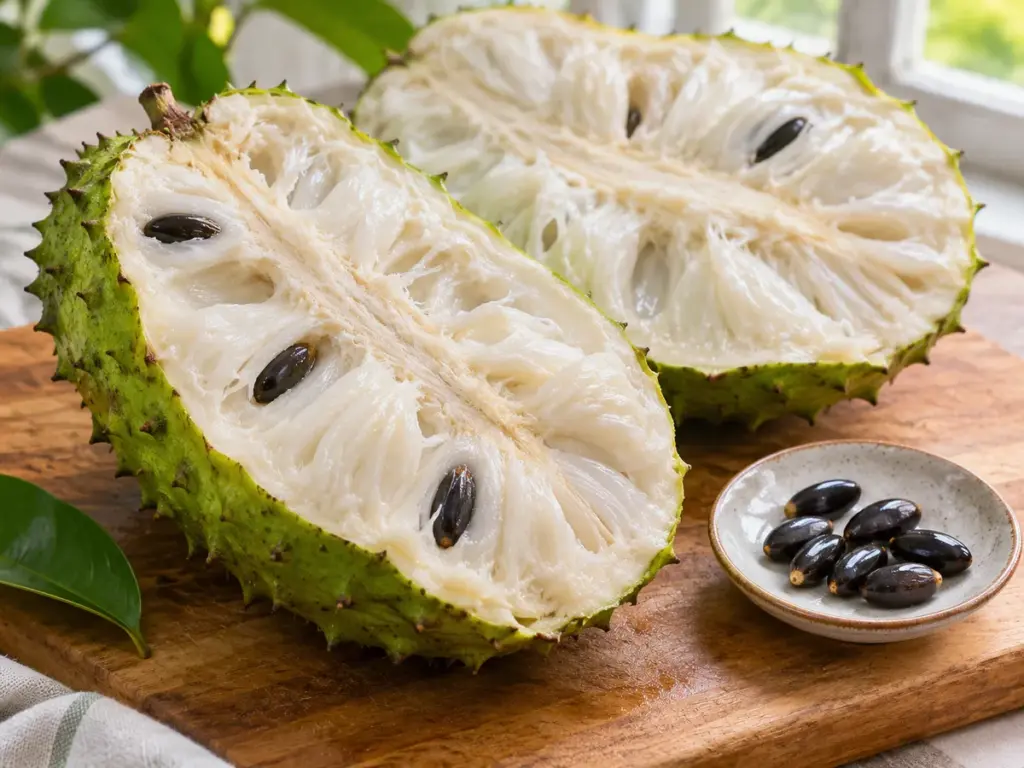
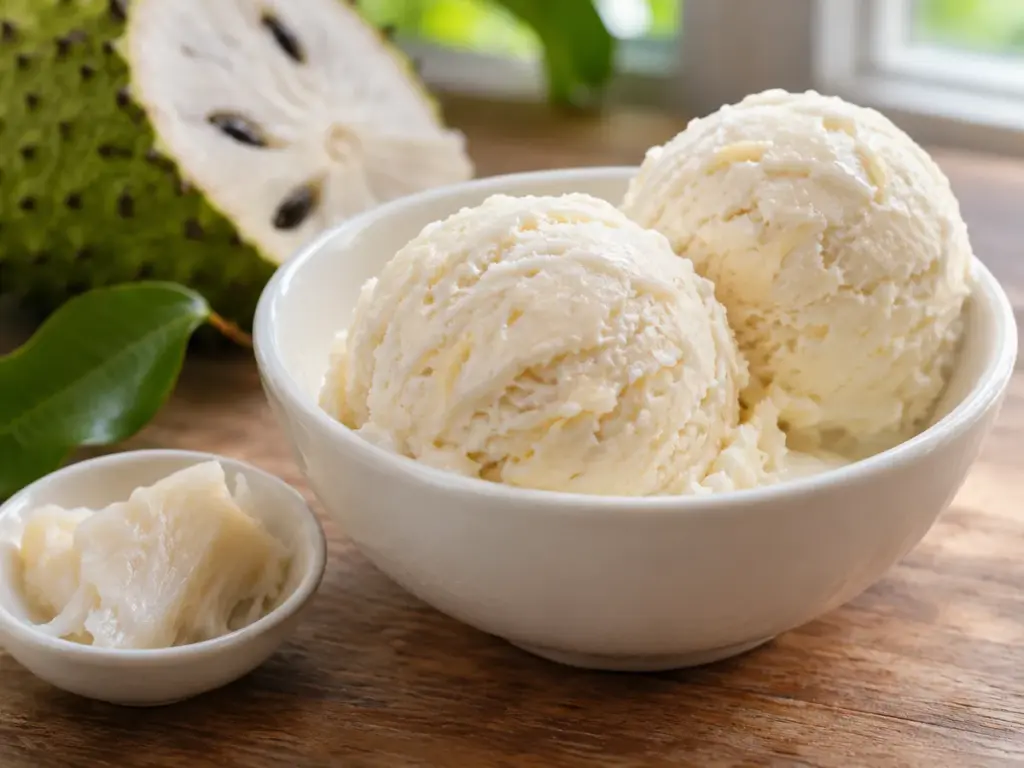
When you cut it open, you find snow-white, juicy, stringy pulp segments around a soft core. Purdue says most segments are seedless, but each fertile segment holds one hard, oval, black seed about ½ to ¾ inch long, and a large fruit can have from a few dozen to 200 or more of them. Because of that, you need patience, and a quick blitz in the blender is a bad idea.
- Wash and dry the skin. The skin is not eaten, but it can carry dirt into the pulp when you cut through it.
- Cut it in half lengthwise on a board, then into wedges. The inner skin is cream colored and, per Purdue, separates easily from the pulp.
- Pull the pulp away from the skin with your fingers or a spoon, and drop it into a bowl.
- Find each seed. Press the segments apart, pick out every black seed, and put the seeds on a separate plate so you can count them.
- Throw away the seeds, the skin and the tough central core. Mexico News Daily's guide says to remove the seeds carefully first, and its author notes the core is not meant to be eaten.
- Use the pulp the same day, or freeze it in a sealed container.
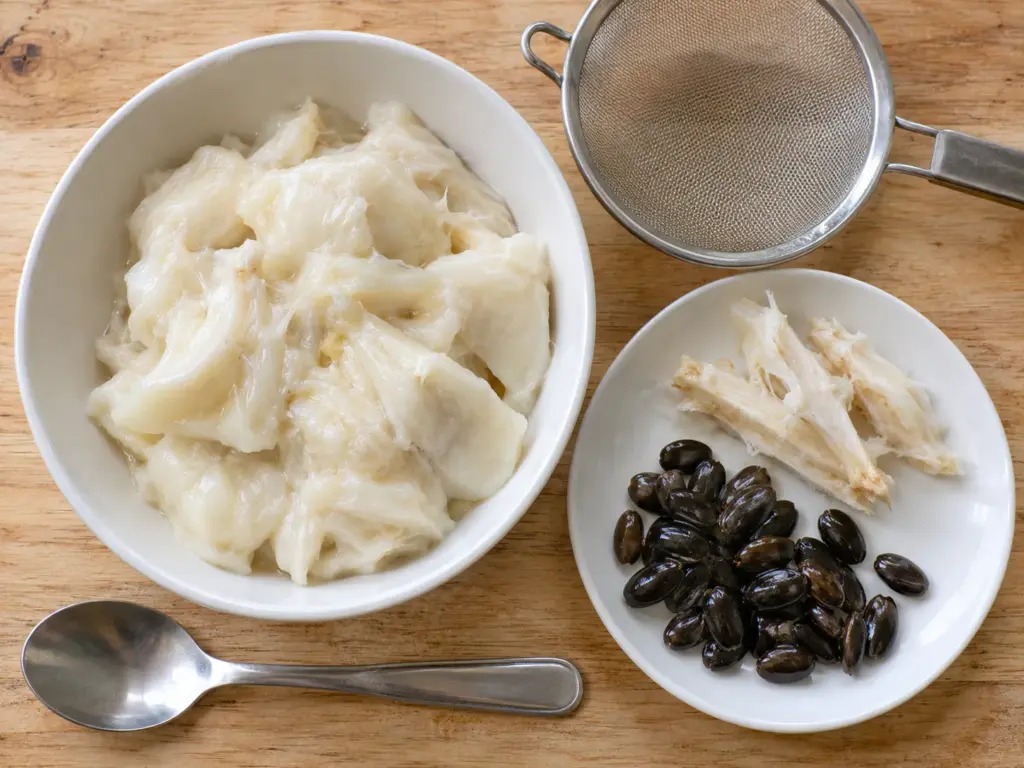
If you want a smoother drink, press the pulp through a medium-mesh sieve with a wooden spoon, which a Zarela Martinez recipe suggests. The sieve also catches any seed you missed.
3. Is Soursop Safe to Eat?
The flesh is the part people eat, and the seeds are the part you leave out. Purdue calls the seeds "somewhat toxic," says they hold about 45 percent of an oil that is an irritant poison and can cause severe eye inflammation, and tells cooks to take out every seed before blending so none gets ground into the juice.
Researchers worry more about a compound called annonacin, found in soursop fruit and leaves. In Guadeloupe, researchers reported that atypical parkinsonism made up about two-thirds of parkinsonism cases, compared with roughly 5 percent in European countries, and that the illness tracked with regular soursop eating. Rats given annonacin continuously through a pump developed brain lesions similar to the human disease.
That research has limits you should keep in mind. A 2020 EFSA risk assessment says causation is hard to prove from observational studies, that the evidence mixes fruit and leaf infusions eaten over many years, and that it could not set a safe intake for supplements because long-term studies are missing.
The same EFSA assessment found strong signs of neurotoxic potential in certain preparations, including changes in a brain protein called tau in mice that drank soursop juice for a year. Cancer Research UK says eating graviola foods as part of a usual diet is unlikely to cause harm.
- Seed-free pulp in an occasional drink, smoothie or dessert
- Straining the pulp so no seed fragment slips through
- Eating it every day for years, the pattern studied in Guadeloupe
- Leaf teas, capsules and extracts, which EFSA could not give a safe amount for
- Any seed, crushed or whole
If you already have a movement disorder, or you plan to make soursop a daily habit, ask your doctor first, because no authority has set a safe long-term amount. Until that changes, we would treat soursop as an occasional fruit and not a daily one.
You will also see soursop sold as a cancer cure. Cancer Research UK says there is no reliable evidence graviola works as a cancer treatment, that no human studies exist, and that stopping real treatment for it could harm your health. Lab results on cells do not show what happens in a person.
4. What Can You Make With Soursop?
Soursop pulp is tart and creamy at once, so you will like it best where milk, sugar or lime balance it. Cooks across the tropics have settled on a few formats, which Purdue and recent recipe sources both describe.
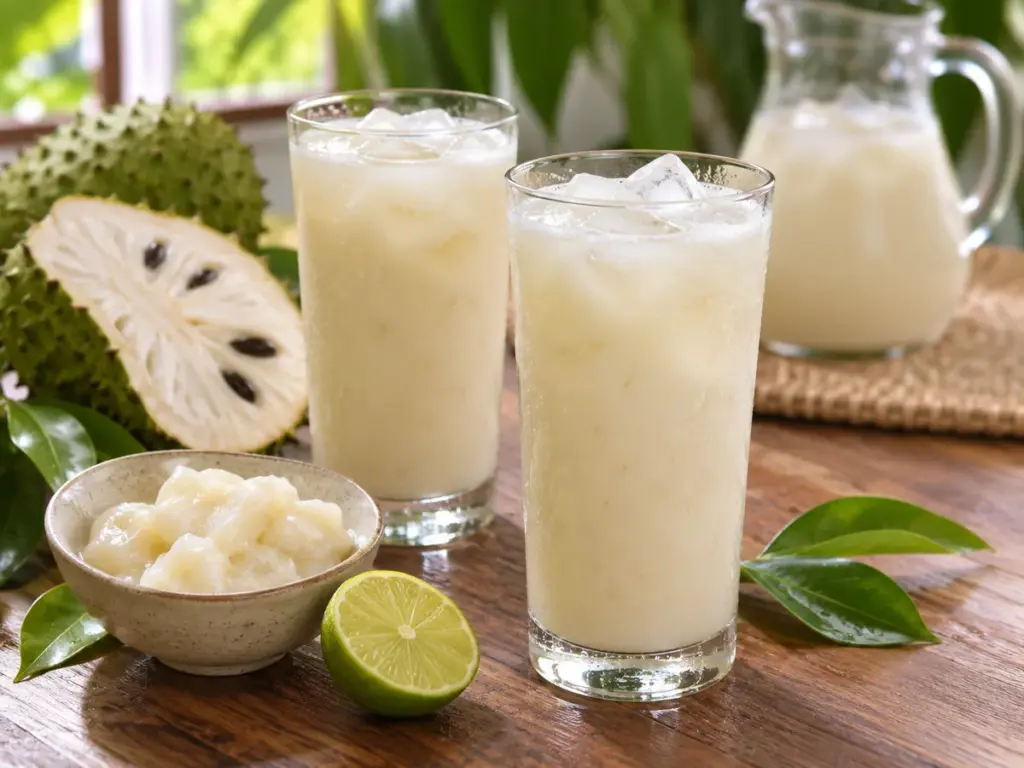
- Pulp is pressed or blended with water or milk, then sweetened.
- It follows the same idea, and Puerto Rico also cans a soft drink with 12 to 15 percent pulp.
| Dish | Where it is common | How it is made |
|---|---|---|
| Agua fresca, batido | Mexico | Pulp in cold sweetened water, or a milkshake-style batido made with condensed milk |
| Homemade ice cream | The Bahamas | Strained pulp blended with sweetened condensed milk, stirred while it freezes |
- Canned juice and pink or green drinks are common in the Philippines, where the juice is vacuum-concentrated and often tinted.
- Custard and candy are common in the Dominican Republic, where cooks make a custard and cook the pulp with sugar syrup, cinnamon and lemon peel.
The simplest of these is a cold drink. Zarela Martinez's recipe uses one 14-ounce package of thawed pulp, 2 to 2 ½ cups of cold water and 3 to 4 tablespoons of sugar for about four servings, adds sugar a teaspoon or two at a time, and suggests a dash of lime if it tastes flat. If you wonder about fresh or bottled lime juice, the amount matters more here, because you only need a splash.
Sugar dissolves slowly in cold liquid, so stir well or sweeten with a little simple syrup if you want it to blend in fast.
For a thicker drink, Goya's smoothie blends 4 cups milk, 2 cups ice, one 14-ounce package of frozen pulp in chunks and ½ cup sugar for about 2 minutes and makes 8 servings. Mexico News Daily's batido, a milkshake-style drink, uses condensed milk instead. If you make a soursop smoothie, you follow the pattern of most three-ingredient fruit smoothies, which pair fruit with a liquid and a sweetener.
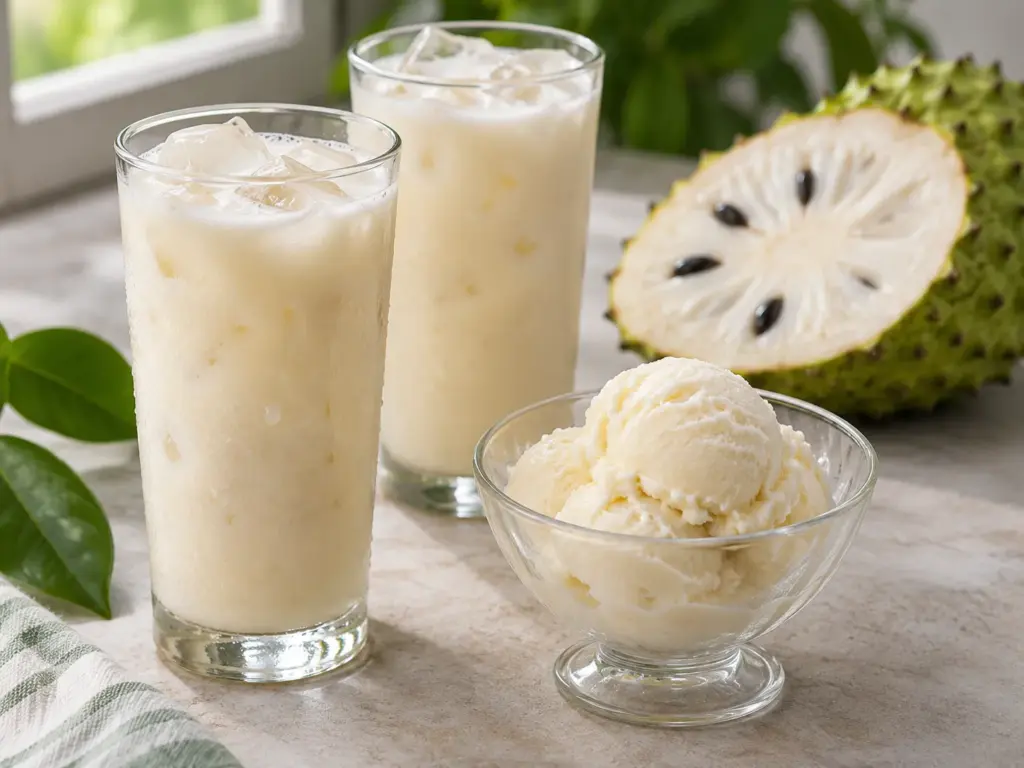
For ice cream, the Bahamian shortcut Purdue describes needs only strained pulp and sweetened condensed milk, stirred now and then as it freezes. That recipe may leave you with a half-empty can, so you will want a plan for storing the opened condensed milk. The tartness keeps the cream from tasting heavy, so the ice cream suits light fruit desserts.
5. How Do You Use Frozen Soursop Pulp?
Frozen pulp is how many US cooks meet soursop, because the packets sell in Latin and Southeast Asian markets and skip the seed work. Zarela Martinez notes that guanabana pulp is usually sold sliced, not pureed, so label wording can be vague. Because a package's ingredient list may say only "guanabana pulp," we would still run it through a sieve and check for a stray black seed before blending.
- Thaw it in the fridge, which FSIS recommends because the food stays at a steady 40°F or below while it thaws, then use it soon after.
- Frozen at 0°F, food stays safe, according to USDA FSIS, and storage times are about quality, not safety. Flavor and texture slowly decline the longer it sits.
- Blend it straight from the freezer in chunks for smoothies, the way Goya's recipe does.
6. Is Soursop the Same As Jackfruit or Cherimoya?
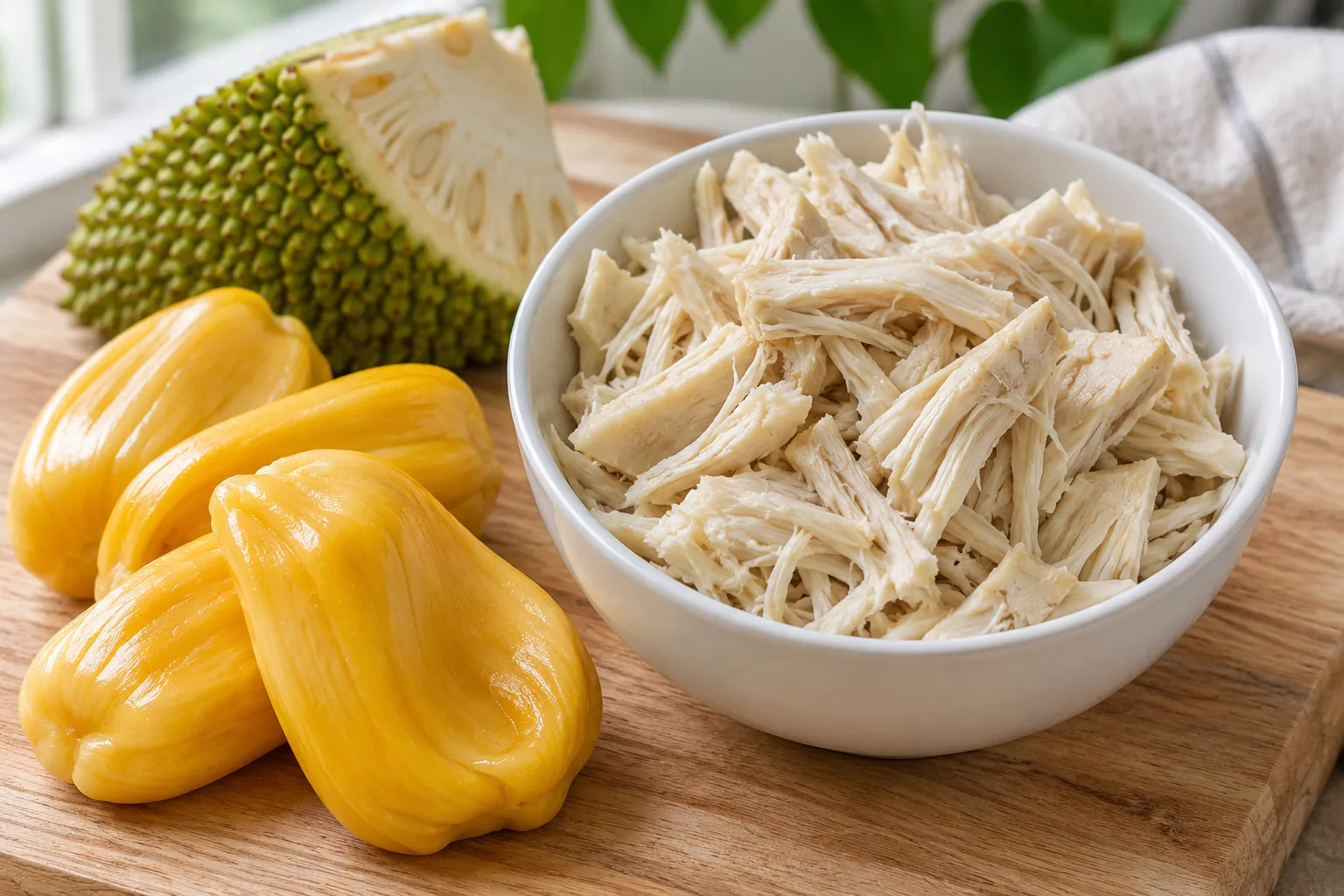
No, though the spiky green skin makes them easy to confuse at the market. Soursop is a relative of the cherimoya, and jackfruit comes from a different plant family altogether. Jackfruit pulp is often cooked as a meat substitute, while soursop is mostly drunk or frozen, so grabbing the wrong one changes what you can make.
Purdue describes the aroma as somewhat pineapple-like and the flavor as musky and subacid to acid.
Sources
- Purdue University NewCROP, Soursop (Morton, Fruits of Warm Climates): ripeness, seeds, uses, storage.
- Lannuzel, Ruberg and colleagues, Movement Disorders 2008, Atypical parkinsonism in Guadeloupe and annonacin.
- Lannuzel and Hoglinger, J Neural Transm Suppl 2006, Is atypical parkinsonism in the Caribbean caused by the consumption of Annonaceae?
- EFSA Journal 2020, Risk assessment regarding the use of Annona muricata in food supplements.
- Cancer Research UK, Graviola (soursop).
- USDA FSIS, Freezing and Food Safety.
- Mexico News Daily, Guanabana: love it or hate it.
- Zarela Martinez, Soursop (Guanabana) or Other Tropical Fruit Drink.
- Goya, Soursop Smoothie.

Andrew Gray is the founder of Gusto Meadow, a food site for home cooks. He writes ingredient substitutes, food comparisons, taste guides, storage guides and dinner ideas, with numbers drawn from sources such as USDA, FDA and university extension services.
At Gusto Meadow, Andrew focuses on fresh, seasonal ingredients and simple methods that anyone can follow. His goal is to make cooking feel fun, doable, and rewarding — whether you’re preparing a quick weeknight dinner or exploring something new.
Storage and food-safety numbers follow USDA, FDA and university extension guidance.