
Matcha tea is the best pandan leaf substitute, starting at a 1:1 swap by volume for color and gentle earthiness. Celery leaves, vanilla beans, banana leaves, and pandanus extract then fill in herbal, floral, or aromatic notes depending on the dish.
For cooking, Celery Leaves also works well - adjust the amount to taste.
Cooking can feel like a quest for the perfect flavor twist.
Today, we're zoning in on pandan leaves, those green, fragrant wonders that light up many dishes with their unique aroma and taste.
Ran out? No problem.
These understudies are ready to hop into any dish and steal the show, making sure your dishs don't miss a beat.
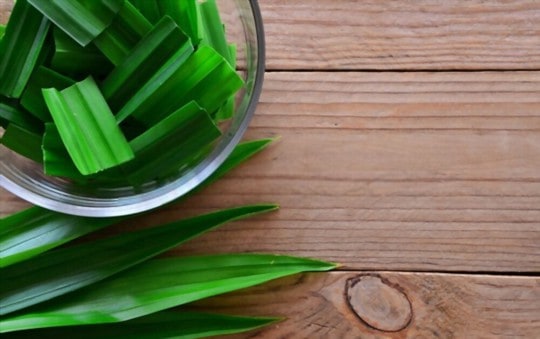
The 5 Best Substitutes for Pandan (Pandanus Leaf)
If you can't find pandan leaf, or if you're looking for a substitution for another dish, here are the five best substitutes for pandan.
1 - Matcha Tea
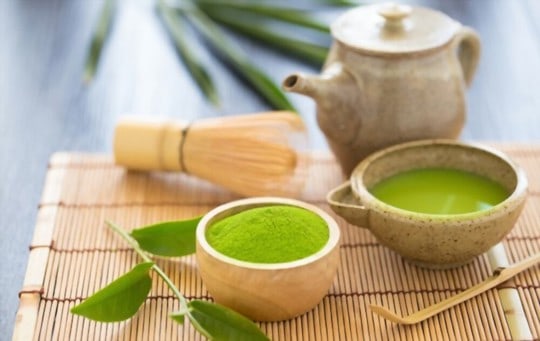
If you're looking for a unique, delicious way to enjoy tea, matcha is a great option.
Made from finely ground green tea leaves, matcha has a distinctively rich flavor and bold color.
The texture is also slightly different from traditional teas, as the powder dissolves completely in water.
One of the great things about matcha is that it can be used in a variety of ways.
It's traditionally enjoyed as a hot tea, but you can also add it to smoothies or use it to make matcha lattes.
If you're baking, you can substitute matcha for pandan extract to give your desserts a beautiful green color and a subtle flavor boost.
2 - Celery Leaves
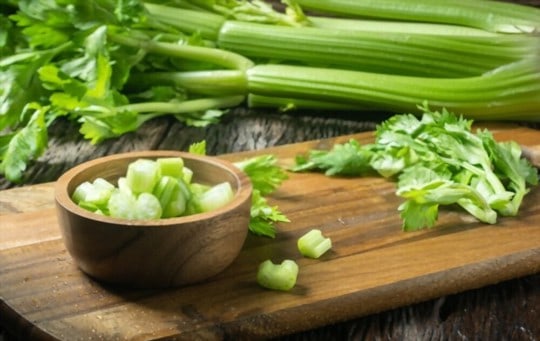
If you take a close look at celery, you'll notice that the stalks are not the only edible part - the leaves are also edible and offer a tasty, crunchy addition to salads and other dishes.
While they have a slightly bitter taste, they also have a refreshing aroma that makes them a good addition to many different recipes.
In terms of texture, celery leaves are similar to kale or collard greens.
They can be enjoyed raw or cooked and make a delicious addition to soups, stir-fries, and even smoothies.
Celery leaves can also be used as a substitute for pandan leaves in Southeast Asian cooking.
If you can't find pandan leaves at your local market, simply tie together a few celery leaves with some string and use them in the same way.
You'll get the same flavor and aroma without having to track down those elusive pandan leaves.
3 - Vanilla Beans
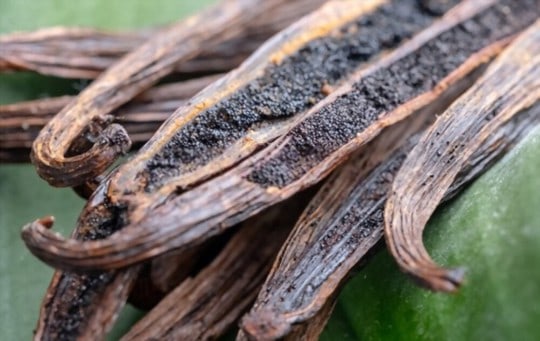
Vanilla beans are a type of orchid.
The plant produces a long, green seedpod that is used to flavor various food and beverage products.
The pods contain tiny seeds that are responsible for the characteristic flavor and aroma of vanilla.
Vanilla beans have a sweet, mellow flavor with hints of floral and woodsy notes.
The texture of the beans is slightly chewy, with a slightly oily feel.
When used as a flavoring ingredient, vanilla beans are usually chopped or ground into small pieces.
Vanilla beans can be used as a substitute.
Just scrape out the seeds from the bean and add them to your recipe.
You'll get the same delicious flavor without having to search for hard-to-find ingredients.
4 - Banana Leaves

If you've ever been to a Southeast Asian grocery store, you may have noticed giant leaves stacked high near the produce section.
These are banana leaves, and they're used in a variety of cuisines across Asia.
While the taste of banana leaves is fairly neutral, they have a slightly sweet flavor and a slightly grassy aroma.
The texture is similar to that of corn husks - slightly papery and pliable.
Banana leaves are often used as wrappers for steamed or grilled dishes.
They add a subtle flavor to the food and help to keep it moist.
Also, the leaves can be used as plates or bowls - simply fold them into the desired shape and serve your meal on top.
When substituting for pandan leaves, banana leaves will provide a similar flavor, though they will be slightly sweeter.
Whether you're wrapping up some delicious dumplings or serving up a filling stew, banana leaves are a versatile addition to your kitchen pantry.
5 - Pandanus Extract
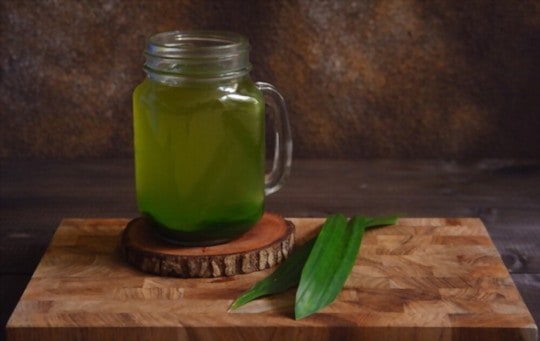
Pandanus extract is made from the juice of the pandanus fruit.
It has a similar taste and aroma to pandan leaves, making it ideal for use in traditional recipes.
The extract is also a popular flavor for ice cream, cakes, and other desserts.
To use pandanus extract as a substitute for pandan leaves, simply add a few drops to your recipe.
Keep in mind that the extract is very concentrated, so you may need to adjust the amount depending on your desired flavor.
You might also want to know what pandan tastes like.
Frequently Asked Questions
Matcha Tea, Celery Leaves, Vanilla Beans, Banana Leaves, and Pandanus Extract. Use it at a 1:1 ratio in any recipe that calls for BEST Pandan Leaf.
In most cases, yes. Try Matcha Tea first since the flavor is closest.
Celery Leaves handles heat and texture differently, so test in small batches.
It can, especially with ingredients that have distinct colors or pigments. The difference is usually minor in mixed dishes but may be more visible in lighter sauces or batters.
How do you adjust seasoning when using a substitute?
Taste as you go.
Substitutes can be saltier, milder, or sweeter than the original.
Add seasoning gradually and adjust at the end rather than matching the original recipe amounts exactly.