
If you're out of BEST Granulated Sugar, reach for Raw Honey, Maple Syrup, Molasses, Brown Sugar, and Coconut Sugar.
Raw Honey
Raw honey is a delicious, all-natural sweetener that can be used in place of granulated sugar.
For cooking, Maple Syrup also works well - adjust the amount to taste.
Baking rocks, right? It's a mix of science and art, with a little magic thrown in.
Sometimes, though, you reach for the sugar and - oops - the jar's empty.
We've got the details on the top granulated sugar swaps to keep that baking mojo flowing.
You're not stuck just because the sugar bowl's bare.
These swaps are not just about making do; they're about making awesome.
Ready to bake up a storm with a twist?

The 5 Best Substitutes for Granulated Sugar
If you're looking for a granulated sugar substitute, there are several options available.
Here are the five best substitutes for granulated sugar - plus egg substitute tips for meatballs that can inspire binder swaps in baking:
1 - Raw Honey

Raw honey is a delicious, all-natural sweetener that can be used in place of granulated sugar.
It has a unique taste and texture that is perfect for baking or adding to your favorite recipes.
Raw honey is also a good source of vitamins and minerals, making it a healthy alternative to other sweeteners.
To substitute raw honey for granulated sugar, simply use one cup of raw honey for every two cups of granulated sugar.
This will help to ensure that your baked goods are just as sweet and tasty as ever.
So, next time you're looking for a natural sweetener, reach for raw honey.
You'll be glad you did.
Raw honey's texture and handling differ from granulated sugar - cooked vs raw shrimp differences explained shows how cooking state affects texture, similar to how liquid sweeteners change bake results.
2 - Maple Syrup

Maple syrup is a delicious, natural alternative to granulated sugar.
It has a distinctively sweet taste, with a hint of caramel flavor.
Maple syrup is also thicker and more viscous than sugar, making it ideal for use in baking and cooking.
When substituting maple syrup for sugar, it's important to keep the following tips in mind - and consult maple syrup substitute options and tips for precise swaps.
First, because maple syrup is sweeter than sugar, you'll need to use less of it.
Second, because maple syrup is thicker than sugar, you may need to add additional liquid to your recipe.
Finally, because maple syrup has a lower boiling point than sugar, it's important to cook your food at a lower temperature to prevent it from burning.
3 - Molasses
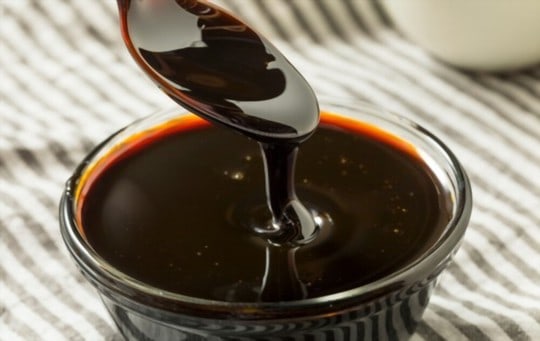
You might not think of molasses as a kitchen staple, but this thick, syrupy sugar is actually quite versatile.
Depending on the type of molasses, it can have a deep, rich flavor that pairs well with baked goods or a more subtle sweetness that makes it ideal for sauces and marinades.
And because molasses is less processed than granulated sugar, it also contains some essential nutrients like iron and calcium.
If you're looking to substitute molasses for granulated sugar in a recipe, keep in mind that it is about three times as sweet - see pomegranate molasses substitute ideas for bold flavor for comparable dark-syrup swaps.
So you'll need to use fewer molasses than sugar to achieve the same level of sweetness.
You'll also want to account for the fact that molasses is thinner than sugar, so your finished product may be slightly runnier than usual.
4 - Brown Sugar
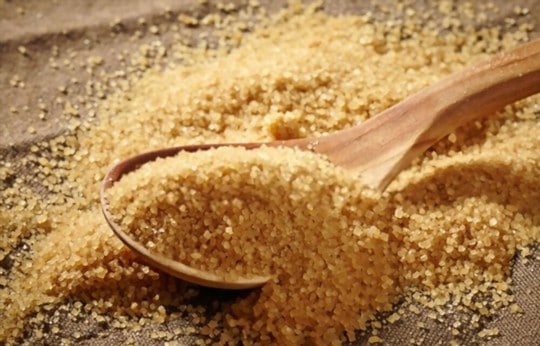
Brown sugar is a type of sugar that has been refined and then molasses added back in.
The molasses gives brown sugar its characteristic flavor and color.
Brown sugar also is usually moister than granulated sugar, which gives it a softer texture.
You can substitute brown sugar for granulated sugar in most recipes - and for savory uses, consider brown mustard swap suggestions for glazes that play on similar sweet-savory notes.
However, because brown sugar is moister, you may need to reduce the amount of liquid in the recipe by a few tablespoons.
You may also need to bake the recipe for a minute or two longer, as the extra moisture can prevent baked goods from getting crispy.
But overall, substituting brown sugar for granulated sugar is a fairly straightforward process.
5 - Coconut Sugar
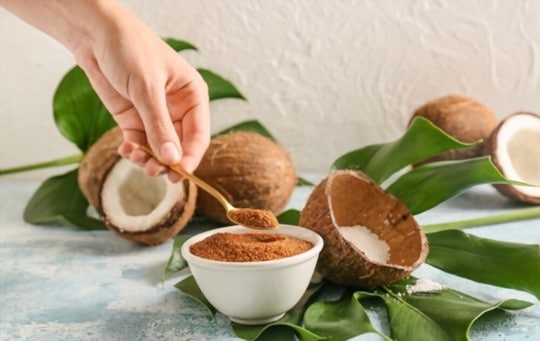
Coconut sugar is a type of unrefined sugar that is made from the sap of coconut palms.
Unlike refined sugar, it retains many of the nutrients and fiber found in coconuts.
As a result, it has a lower glycemic index than regular sugar, meaning it doesn't cause spikes in blood sugar levels.
Coconut sugar also has a distinctive taste and texture.
It is slightly more dense than granulated sugar and has a subtle nutty flavor.
When substituting coconut sugar for granulated sugar, you will need to use less of it, as it is more concentrated.
Simply replace granulated sugar with three-quarters cup of coconut sugar for every cup called for in the recipe.
With its distinctive taste and lower glycemic index, coconut sugar is a great alternative to traditional granulated sugar.
Frequently Asked Questions
Raw Honey, Maple Syrup, Molasses, Brown Sugar, and Coconut Sugar. Use it at a 1:1 ratio in any recipe that calls for BEST Granulated Sugar.
Absolutely. Raw Honey is the closest swap.
Maple Syrup also works in a pinch. Match the original amount and tweak from there.
Can this substitute be used in baking as well as cooking?
Some work in both, but baking is less forgiving.
Substitutes that alter fat content, sweetness, or moisture can shift the structure of baked goods.
Test with a small batch first.
Frozen substitutes sometimes change texture after thawing. This matters more in raw applications like salads than in cooked dishes where texture is softened by heat anyway.
Pantry swaps extend beyond sugar. granulated garlic substitute ideas for savory dishes pairs well with sweet-savory recipes. muscovado sugar alternatives and baking notes helps when a recipe needs deep, molasses-like sweetness.