
The closest alternatives to Cumin are Ground Coriander, Caraway Seeds, Chili Powder, Taco Seasoning, and Curry Powder.
Ground Coriander
Ground coriander is a popular spice used in many cuisines around the world.
For cooking, Caraway Seeds also works well - adjust the amount to taste since it may be slightly stronger or milder.
Okay, time to talk cumin-the golden spice that's a solid option in kitchens far and wide.
But what happens if you reach for the jar and it's empty? ? Nope, not here.
We're all about solutions that keep your dishes singing with flavor.
I'm here to share five knockout contenders that'll stand in for cumin without missing a beat.
These alternatives aren't just backups; they might just steal the show.
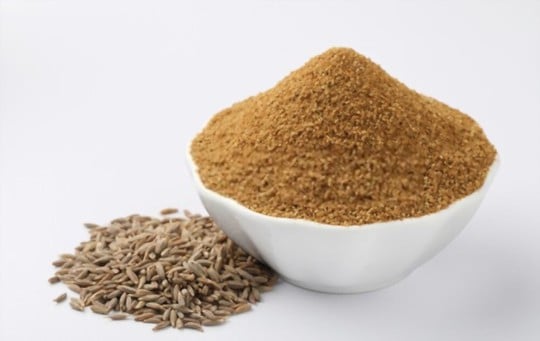
The 5 Best Substitutes for Cumin
If you're out of cumin or just don't like the taste, there are several substitutes that can be used in its place - including related protein swaps like eggs in meatballs substitution options for recipes where binding matters.
Here are the five best substitutes for cumin.
1 - Ground Coriander
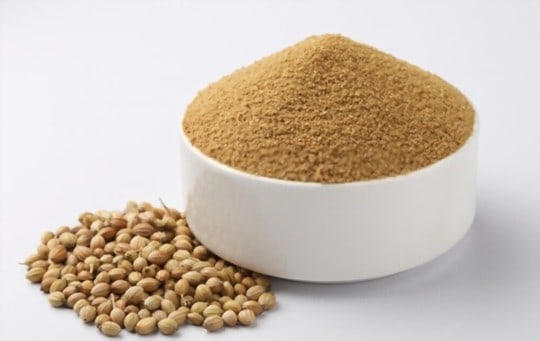
Ground coriander is a popular spice used in many cuisines around the world.
It has a warm, earthy flavor with hints of citrus and anise.
The texture is slightly gritty, and the seeds can be used whole or ground.
Ground coriander is often used as a substitute for cumin because it has a similar flavor.
When substituting ground coriander for cumin, use a 1:1 ratio.
For example, if the recipe calls for one teaspoon of cumin, use 1 teaspoon of ground coriander instead.
Keep in mind that ground coriander will have a milder flavor than cumin, so you may need to adjust the amount used to suit your taste.
For recipes that pair ground spices with specific proteins, ground veal substitution options can help when the protein called for is unavailable.
2 - Caraway Seeds
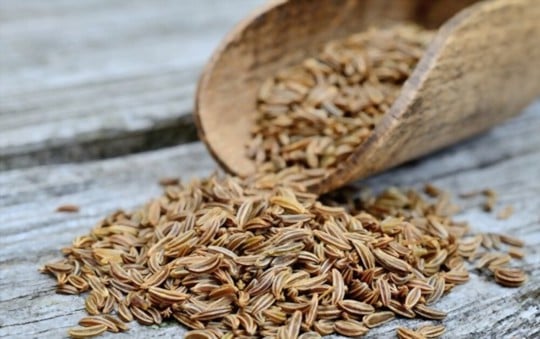
Caraway seeds are an essential ingredient in many Central European dishes, lending them a distinctly earthy flavor.
The seeds have a sharp, pungent taste that is often compared to that of anise or fennel.
Caraway seeds are also used to add flavor to cheeses, bread, and spirits.
The seeds have a hard, chewy texture that can be difficult to grind.
For this reason, they are often used whole or crushed rather than ground.
When substituting caraway for cumin, it is important to use a smaller amount, as the flavors can be very strong - or explore caraway seed substitutes and uses if caraway isn't on hand.
Caraway seeds can be found in most spice shops or online retailers.
3 - Chili Powder
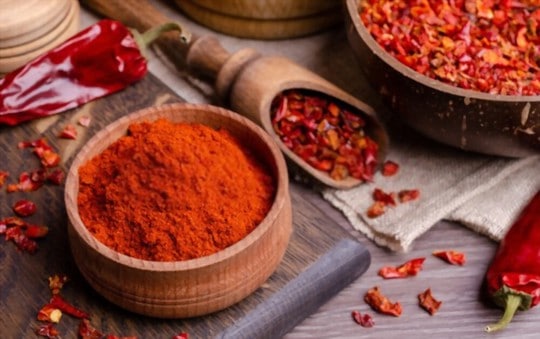
Chili powder is a spice made from ground-dried chilies and other spices such as cumin, oregano, garlic powder, and salt.
It has a slightly hot, sour, and salty taste with a hint of sweetness.
Chili powder is used to add flavor and heat to dishes such as chili con carne, tacos, enchiladas, and chicken wings.
It can also be used as a dry rub for meats such as pork and beef.
Chili powder is usually made from ancho chilies, which are dark red and have a milder flavor than other types of chilies - see ancho chili powder substitution ideas if ancho isn't available.
When substituting chili powder for cumin, use half the amount of chili powder as you would cumin.
This will prevent the dish from becoming too spicy.
4 - Taco Seasoning
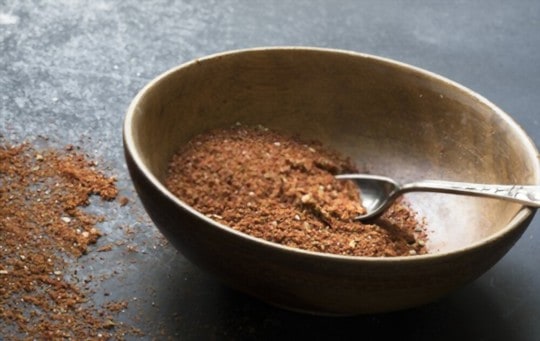
There's something special about taco seasoning.
It's a spice blend that can be used in so many different dishes, from tacos to enchiladas to rice and beans.
And it's not just for Mexican food - try it on grilled chicken or fish, in a soup or chili, or even on roasted vegetables.
Taco seasoning is usually a mix of chili powder, cumin, garlic powder, and salt - or use taco seasoning substitute blends for the same southwest kick when a packet isn't available.
The exact proportions vary depending on the brand, but they all have that classic southwest flavor that we all know and love.
Taco seasoning is also a great way to add a little bit of heat to your dish without making it too spicy.
Just a few teaspoons of taco seasoning can give your meal a kick that will have your palate tingling.
5 - Curry Powder

Curry powder is a spice blend that originated in India.
It typically contains cumin, coriander, turmeric, ginger, and pepper, among other spices.
The exact blend of spices varies depending on the region and the cook, but all curry powders have a warm, earthy flavor.
Curry powder can be used to add flavor to many dishes, including soups, stews, and rice dishes.
It can also be used as a rub for meats or vegetables.
When substituting curry powder for cumin, use half as much curry powder as you would cumin.
This will help to avoid overwhelming the dish with the strong flavor of curry.
You might also want to know how cumin compares and what cumin tastes like.
Compare forms before choosing one. Ground cumin vs cumin seeds: which to use explains texture and potency differences. Cumin vs curry: flavor differences explained clarifies how the spices change a dish.
Frequently Asked Questions
Ground Coriander Ground coriander is a popular spice used in many cuisines around the world. Use it at a 1:1 ratio in any recipe that calls for Cumin.
Yes, and the results are often hard to tell apart. Ground Coriander is the go-to replacement.
For variety, Caraway Seeds adds its own twist to the dish.
Sometimes. Blending two partial substitutes - one for flavor and one for texture - gets closer to the original.
This works best when neither alone fully replicates what you need.
Not always. Some substitutes are processed or have a strong raw flavor that disappears with heat.
Check whether the original is typically used raw before assuming the substitute will work the same way.