
Summary of key points
Cumin and paprika are two popular spices used in cooking, but they have distinct flavors and uses. Cumin has a warm, earthy taste with hints of smokiness, making it a staple in Mexican, Indian, and Middle Eastern cuisine.
Paprika, on the other hand, has a sweeter and more complex flavor with varying levels of spiciness. It's commonly used in Hungarian and Spanish dishes, as well as to add color and flavor to meat rubs and marinades.
While both spices can be used in similar dishes, cumin adds a more distinct flavor while paprika adds depth and color.
Cumin and paprika sit there, daring us to make the right choice.
One's got a kick, the other whispers sweet nothings to your chicken. We've all been there.
Lost in the spice aisle, caught between these two.
We've thrown them together, hoping for the best. Spoiler alert: Sometimes it was a disaster.
Sometimes, a masterpiece.
What really sets them apart? Keywords here: Earthy versus Smoky.
Cumin brings the warmth of home, a comfort hug in a jar. Paprika, on the other hand, is the life of the party.
Bright, bold, and ready to mingle.
This isn't just about spices. It's about saving dinners, one spice at a time.
Trust us, we know the struggle.
What is Cumin?

Cumin, a popular spice found in many cuisines, is sourced from the dried seeds of the Cuminum cyminum plant.
Its unique flavor and aroma make it a must-have in dishes across the globe.
This age-old spice has been used for centuries.
It's packed with antioxidants and has anti-inflammatory properties.
Plus, cumin aids digestion and can reduce symptoms of indigestion, like bloating and gas.
Also, it contains iron which helps keep blood circulation healthy.
In terms of cooking, cumin is extremely versatile.
It improves savory and sweet dishes alike.
It's often used in Mexican, Indian, Mediterranean, and Middle Eastern cuisines.
From curries to chili con carne, cumin gives dishes an earthy and nutty flavor.
Both does cumin taste great, it has cultural importance too.
Dating back to ancient Egypt, people believed it had medicinal properties.
In fact, it was even used in mummification processes.
What is Paprika?
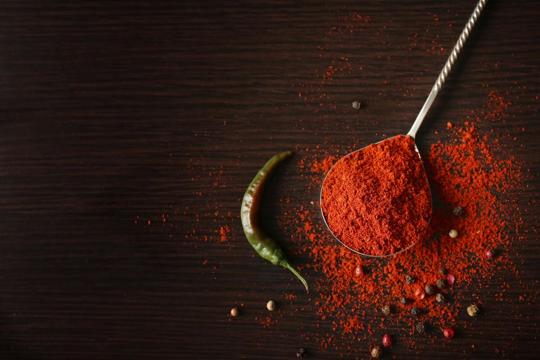
Paprika is a spice made from the Capsicum annuum pepper plant.
It's well-known in Hungarian cuisine, like in goulash and chicken paprikash.
With varying degrees of heat, it adds depth and complexity to recipes.
It's also used as a seasoning and garnish, from deviled eggs to potato salads to sauces.
Plus, its smoky undertones make it great for Spanish dishes like paellas and chorizo.
Paprika also has potential health benefits because of its antioxidants, like carotenoids, and vitamins like A, E, B6, and C.
So, it brings bright color, subtle flavor, and potential health benefits to the culinary stage.
Differences Between Cumin and Paprika
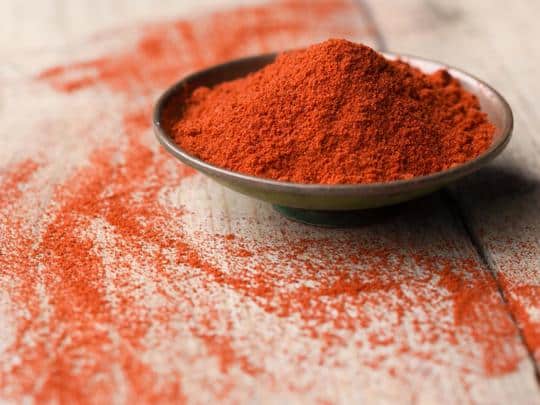
Cumin and paprika may look similar, however they have distinctive features that set them apart.
Source and Plant
Cumin and paprika are two spices popular in different cuisines.
Cumin comes from the Cuminum cyminum plant and paprika is made from red bell peppers.
Both bring distinct flavors, but they differ in taste, aroma, and color.
Cumin has an earthy and nutty flavor - commonly used in Mediterranean, Middle Eastern, and Indian dishes, like chili con carne, curries, and falafel.
Paprika has a mild and sweet flavor with a subtle smokiness, often used in Spanish, Hungarian, and Mexican recipes - such as paella, goulash, and tacos.
Cumin's aroma is strong - like lemon and pine.
It is popular for dry rubs on meats or seasoning for vegetables.
Paprika has a pleasant aroma that ranges from sweet to mild spiciness.
Cumin seeds are brownish in color, while ground cumin is olive green or dark tan.
Paprika powder comes in different shades - from bright red to deep maroon or orange-red.
Both cumin and paprika have unique flavors.
Taste (earthy-nutty vs mild-sweet), aroma (strong vs pleasant) and color (dark vs bright) help distinguish them.
They are flexible ingredients that can enhance recipes when used correctly.
flavor and Taste
Cumin and paprika - two flavorful spices that bring a unique depth to dishes.
Cumin has an earthy, warm taste with a hint of heat and bitterness.
Its aroma gives a smoky richness to stews and chili.
Paprika has a mild sweetness, plus a tangy undertone.
It brings a bright red color, as well as a slight peppery flavor.
Cumin offers a warm, earthy flavor with a spicy aftertaste.
It improves roasted meats and veggies.
It's used in Mexican, Indian, Middle Eastern, and Latin American cuisines.
Paprika has its own distinctiveness.
It has a sweet taste, plus a mild tanginess.
Its red color adds visual appeal, plus a peppery flavor.
It's used in Hungarian classics, such as goulash and chicken paprikash.
Although cumin and paprika are related, they have their own distinct flavors.
Cumin's boldness brings warmth to dishes.
Paprika's sweetness adds gentle complexity.
Whether you like smoky cumin or bright paprika, these spices tempt your palate and make your dishs special.
The next time you're in the kitchen, consider the unique flavors of cumin and paprika.
Culinary Uses and Cuisines
Cumin and paprika are two popular spices used globally.
They may differ in taste, appearance, and origin.
But, both bring unique flavors to enhance different cuisines.
Cumin has an earthy and nutty flavor.
It's commonly used in Mexican, Indian, Middle Eastern, and North African dishes.
Cumin enhances curries, stews, and soups.
Also, it's great with vegetables like carrots and potatoes.
Its distinct aroma makes it a spice that can be used solo or combined with other spices.
Paprika brings a slightly sweet and mild taste to dishes.
It's from Hungary but is also popular in Spanish cuisine for its smooth flavor.
Paprika is made by grinding dried peppers into a powder.
It's often added to meat rubs and marinades.
Plus, it adds color when sprinkled over deviled eggs or roasted vegetables.
Interestingly, cumin is believed to help digestion.
Its essential oils make it a natural remedy for bloating and indigestion.
Color and Appearance
Cumin and paprika are distinct; improving any dish.
Cumin's rich brown hue brings warmth and earthiness.
Paprika's bright red color has a slightly sweet and smoky flavor.
These spices are key for flavor and visually pleasing dishes.
Cumin's deep brown color comes from cumin plant seeds, often ground to a powder.
It adds a beautiful contrast to lighter-colored ingredients.
Its appearance adds richness to the food's presentation.
Paprika's striking red color is from dried, ground Capsicum peppers.
The redness' intensity depends on the variety - from mild to hot.
Paprika not only adds color but also a unique smoky flavor.
From soups to meats, paprika's reddish tint creates an inviting visual appeal.
Similarities Between Cumin and Paprika

Cumin and paprika are two totally different spices. Yet, they also share some similarities.
Both come from plants and are used in cooking around the world.
They add flavor and aroma, but in different ways.
Cumin has a warm, earthy taste with a hint of citrus.
Paprika has a slightly sweet and smoky flavor.
One similarity is their versatility in cuisines.
Cumin is a popular ingredient in Indian, Mexican, Middle Eastern and North African dishes.
It adds depth and richness.
Paprika is used in European recipes like Hungarian goulash and Spanish paella.
It has a bright red color that gives dishes an appealing look. It also adds a mild peppery flavor.
Cumin and paprika have potential health benefits too.
They contain antioxidants that fight inflammation.
Plus, essential vitamins and minerals like vitamin C, vitamin E, iron and magnesium.
Adding them to meals can help with a balanced diet.
Similar, cumin and paprika have distinct differences.
Most apparent is their flavor. Cumin has a bold, strong taste.
Paprika is milder and complements dishes without overshadowing other ingredients.
In terms of looks, cumin seeds are small and brownish.
Paprika is a powder with different shades, from bright red to deep orange-red.
Using Cumin and Paprika in Cooking
Cumin and paprika can add complexity to your cooking.
Cumin has an earthy, nutty flavor and is used in Mexican, Indian, and Middle Eastern dishes.
It goes great with meat, beans, and veggies.
Paprika adds a bright red hue and sweet flavor.
It's typically found in Spanish and Hungarian recipes, like paella and goulash.
Both spices offer something special, enabling you to create diverse flavors.
Health Benefits and Nutritional Value Comparison
Cumin and paprika are two spices with unique flavors.
But, their health benefits and nutritional values differ.
Cumin is a Middle Eastern and Indian favorite.
It contains iron for forming red blood cells and preventing anemia.
Plus, there are antioxidants in cumin for fighting inflammation and protecting from chronic diseases.
Paprika is a bright red powder made from peppers.
It's packed with vitamin C for immune support and collagen production.
Capsaicin, in paprika, may increase metabolism and help with weight loss.
Although the benefits vary, cumin and paprika have things in common.
They are low in calories and fat.
Plus, they both contain minerals like potassium and magnesium for general health.
Flavor Profiles of Cumin and Paprika
After reading this blog post, you have all the facts about the differences between cumin and paprika.
You now know that cumin is a spice that has strong, earthy flavors and is usually used in Indian cuisine, while paprika is a spice made from red peppers that has sweet and smoky flavors most commonly used in Spanish foods.
While they originate from different regions of the world, both spices are incredibly versatile in flavor making them staples for many dishes today.
We hope you feel confident using both of these powerful spices as you explore your kitchen pantry.
So why not get creative with cumin and papkira to create delicious meals for yourself? Go ahead and experiment with their unique flavors-you won't regret it.
Plus, start taking note which recipes complement each other best.
You never know-you may just discover a new favorite combo.
Frequently Asked Questions
Cumin and paprika are two popular spices used in cooking, but they have distinct flavors and uses. They share some similarities but each has qualities that make it better suited for certain recipes.
Sometimes. Cumin works where Paprika is called for in certain dishes, but not all.
Check whether the recipe relies on a specific quality before substituting.
Cold preparations like salads and dressings often favor the option with a sharper, more defined flavor. Heat can mellow both, so the distinction matters more in uncooked dishes.
Do professional cooks prefer one over the other?
Professional preference depends heavily on the dish and cuisine style.
Each has its context where it outperforms the other, so most experienced cooks keep both on hand.