
The closest swap for meat tenderizer powder is a fresh pineapple, papaya or kiwi marinade, which uses the same kind of enzyme.
- A baking soda solution softens sliced chicken or pork in 15 to 20 minutes, and you rinse it off afterward.
- Kosher salt on steak for 45 minutes or more also makes it more tender.
- Raw meat belongs in the refrigerator while it marinates.
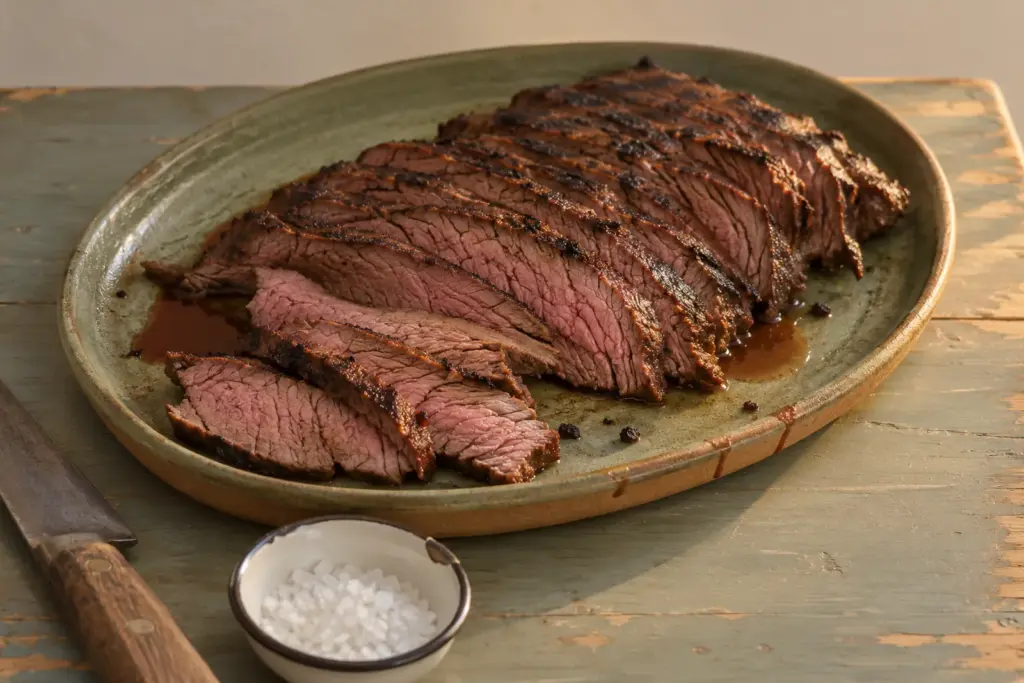
Tenderizer powder is an odd kitchen substitute to hunt for, because its job is texture and the powder itself is mostly salt with a little plant enzyme. A good swap softens the meat and seasons it, and which one you pick depends on how thick your cut is.
What Is Actually in Meat Tenderizer Powder?
Retailer listings of the unseasoned Adolph's and McCormick jars read salt first, then sugar or dextrose, an anti-caking agent and bromelain, the protein-cutting enzyme from pineapple.
McCormick's directions tell you to dampen the meat, sprinkle about 1 teaspoon per pound, pierce it with a fork and add no extra salt. On thicker cuts, the label has the meat stand 30 minutes before cooking.
Seasoned jars add onion, garlic, paprika and, in McCormick's case, yeast extract and tomato powder, and the seasoned lists retailers show name no monosodium glutamate.
Formulas change, so the label on the bottle you bought is the final word. If your recipe was written for the seasoned kind, you'll need to add the onion, garlic and paprika yourself.
America's Test Kitchen found that enzymes such as papain and bromelain act only on the meat's surface, whatever marinade carries them.
If you leave the meat in too long, that surface turns mushy, which is why the fruit and acid swaps below come with short times.
6 Best Substitutes for Meat Tenderizer Powder
Fruit and acid have the loosest guidance, and the sources mostly agree on thin cuts for a short time. The other swaps come with a published amount or method.
| Swap | Amount | Time |
|---|---|---|
| Fresh fruit | 1 to 2 tablespoon kiwi puree per cup | Short |
| Baking soda | 1 teaspoon per 12 oz sliced chicken or pork | 15 to 20 min |
| Kosher salt | 1 ½ teaspoon per lb | 45 min to 24 h |
| Wine, vinegar, citrus | Sparingly | Short |
| Yogurt | Coat the meat | Few hours to 1 day |
| Pounding, piercing, slicing | Fork every ½ inch, slice across the grain | Before and after cooking |
1. Fresh Pineapple, Papaya, or Kiwi
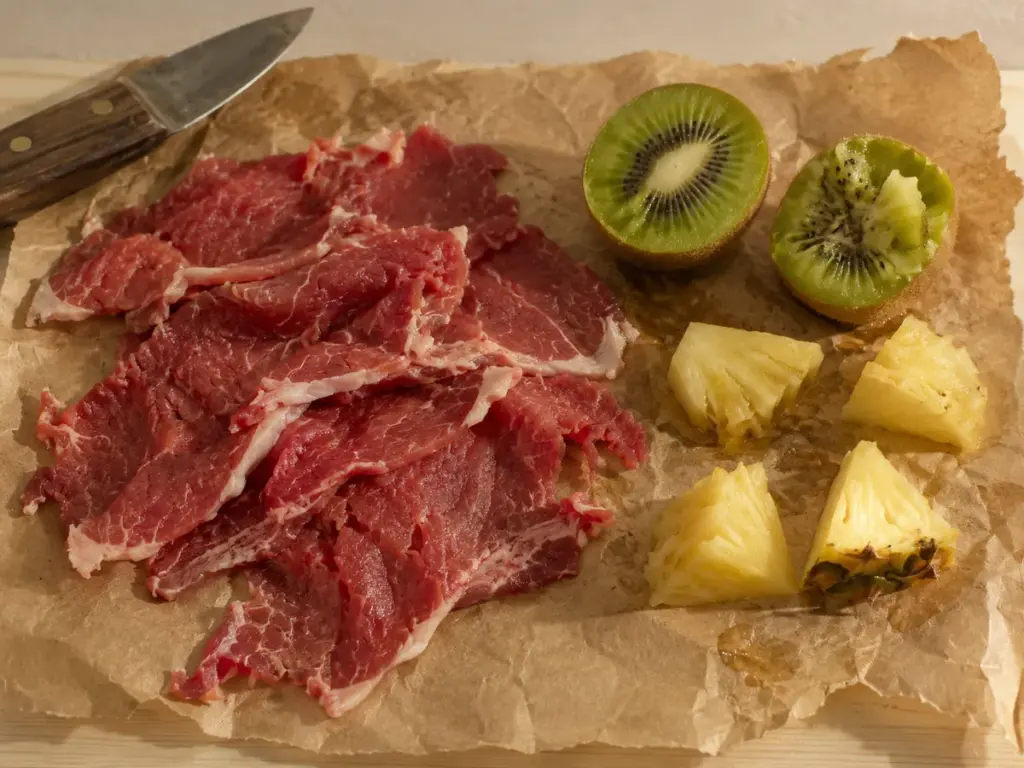
These fruits hold protease enzymes, the same kind as the bromelain in the powder, so they get you closest to the original. The Science Learning Hub lists papaya, kiwifruit, pineapple and fig as good sources and says high heat inactivates the enzymes, which is why you need raw fruit rather than canned or cooked.
One cook on PBS stirs 1 to 2 tablespoons of kiwi puree into every cup of marinade. PBS and America's Test Kitchen both warn that a pineapple marinade left too long turns meat to mush, so we'd keep it to a thin cut and a short soak.
2. Baking Soda
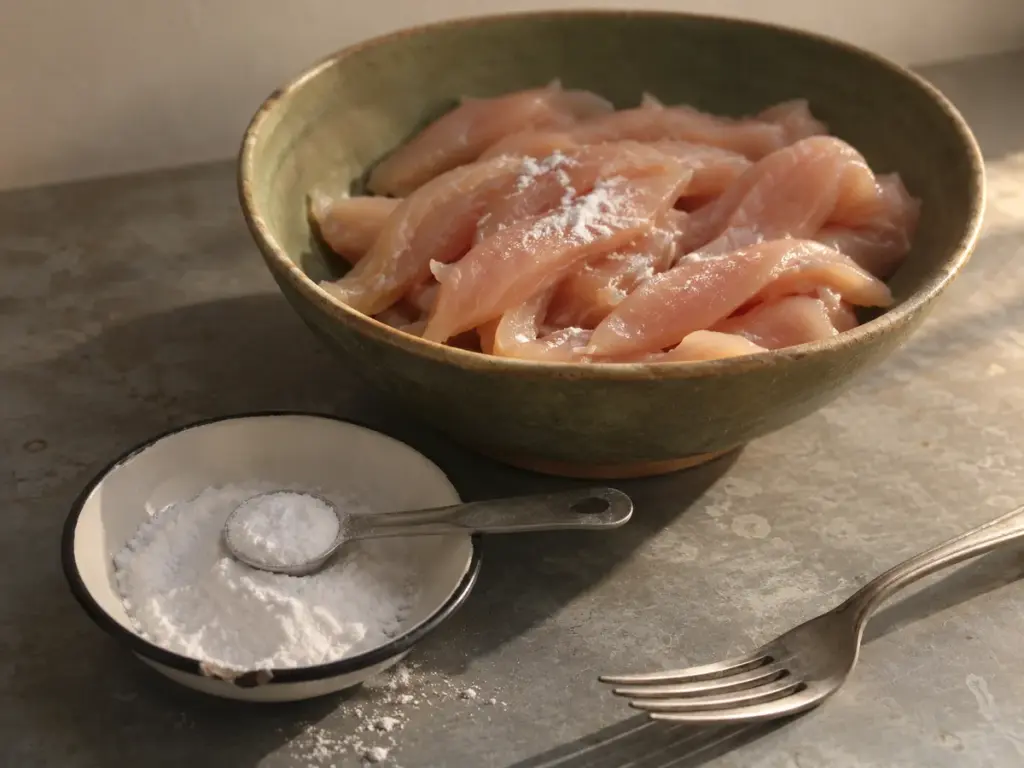
According to America's Test Kitchen, baking soda raises the pH on the meat's surface, so the proteins bond less tightly as the meat cooks. The meat turns softer and juicier in 15 to 20 minutes, and in ATK's trials 45 minutes gave the same result.
- Sliced chicken or pork takes 1 teaspoon per 12 ounces, in ½ cup water.
- Sliced beef gets the same 1 teaspoon per 12 ounces, according to Tasting Table.
- Ground beef takes only ¼ teaspoon per 12 ounces.
- A marinade with citrus or soy takes half the baking soda.
Afterward, you rinse the sliced meat and pat it dry, since leftover baking soda leaves an unpleasant flavor.
For pork stir-fry dinners and other stir-fries, AmazingRibs velvets the meat with ½ teaspoon in the marinade for 15 minutes to 4 hours in the fridge and tells you to use a bit less salt.
3. Kosher Salt (Dry Brine)
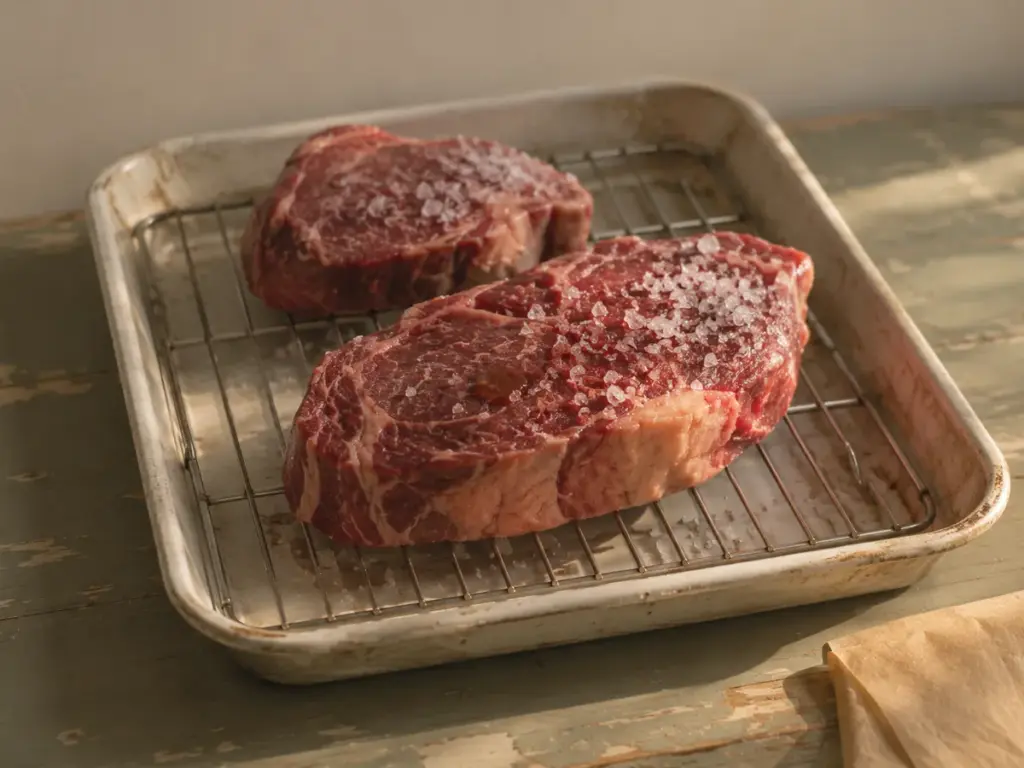
Salt covers the other half of what the powder does. America's Test Kitchen has you rub steak with 1 ½ teaspoons of kosher salt per pound and rest it uncovered in the fridge for 45 minutes up to 24 hours, which changes the protein structure so the meat turns tender and juicy.
That amount is the meat's whole salting, so you add no more, just as McCormick's label says not to add salt on top of its powder.
In America's Test Kitchen's view, salting is the best choice for meat that is already juicy or well marbled, and kosher salt is the pick because it spreads more easily than table salt.
4. Wine, Vinegar, or Citrus Juice
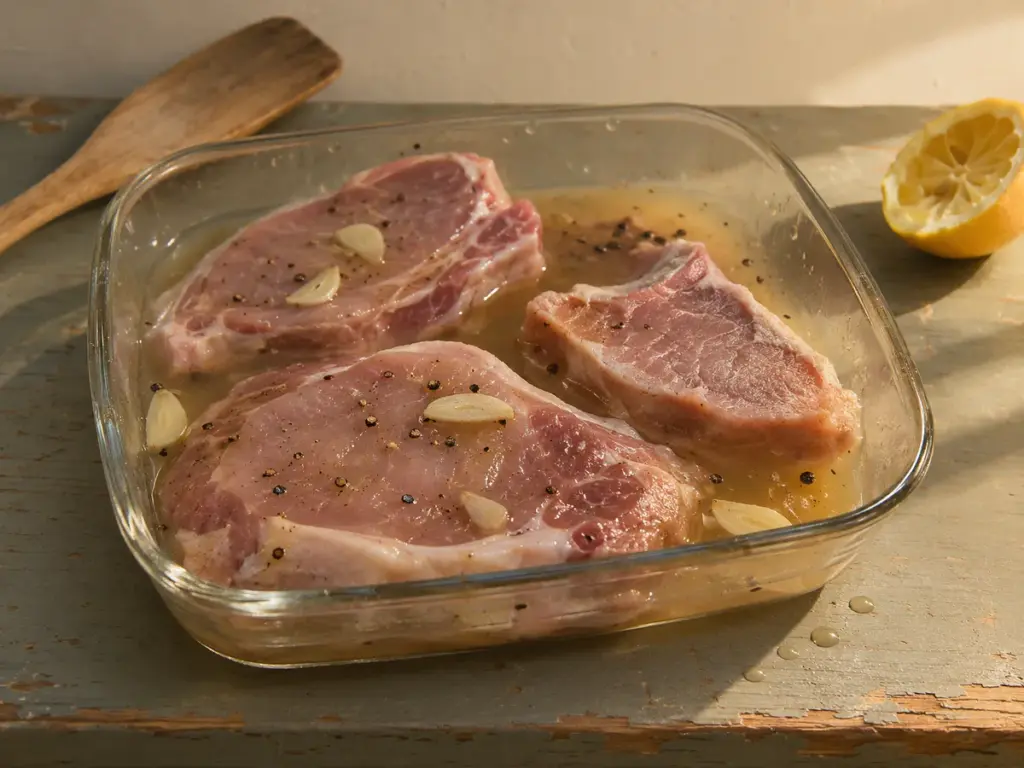
Acids unwind meat proteins, and the Science Learning Hub warns that if you leave them on too long, they "eventually break down all the proteins" and leave "a mushy mess". America's Test Kitchen soaked short ribs in red wine for 18 hours, and the wine went in less than 1 millimeter.
Wine, vinegar and lemon juice work as surface softeners for thin cuts, and when you have no lemon, pantry stand-ins for lemon juice act the same way if they are acidic. Illinois Extension says quick marinades run 15 to 30 minutes.
Marinades suit thin cuts such as chicken breasts, steaks and pork chops and cutlets, according to America's Test Kitchen, which calls a large roast or turkey breast "never a good bet" and suggests a spice paste instead.
When you have a tough roast, time in liquid softens it, as in braising and stewing.
5. Yogurt or Buttermilk
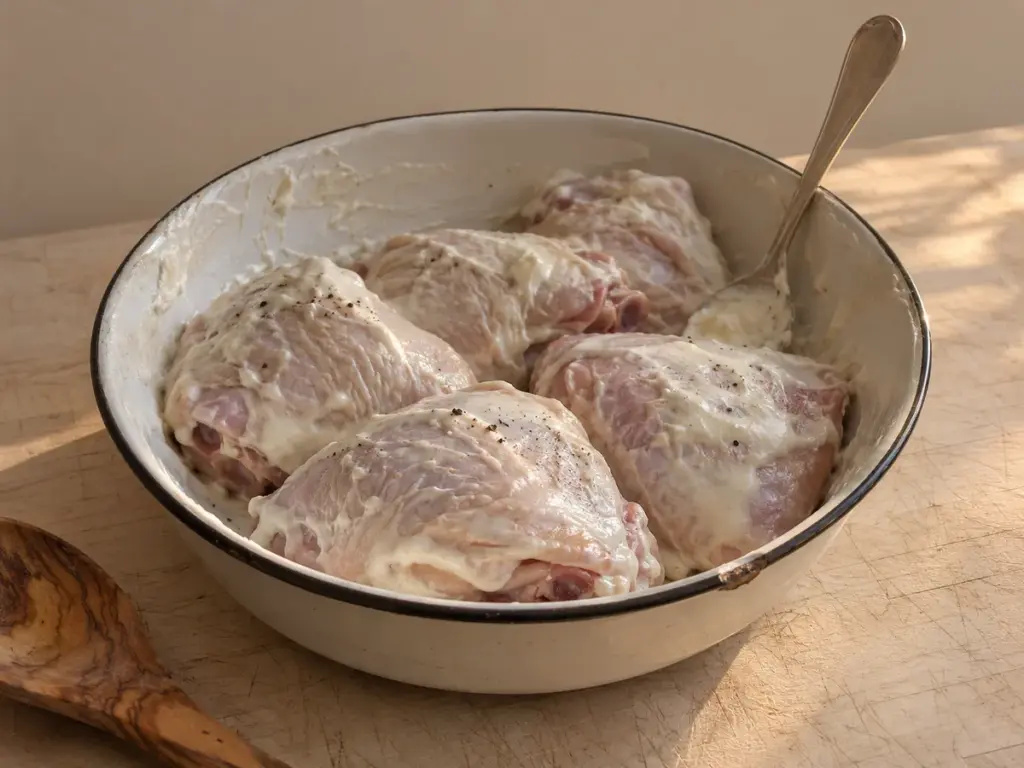
Yogurt and buttermilk hold lactic acid, which Popular Science says breaks down the protein "wall" in meat. It advises that you marinate the meat for at least a few hours, or up to a day, and its chicken kebab recipe uses three hours or overnight in the fridge.
The yogurt goes on as a thick coat instead of a soak, and the bowl stays covered in the refrigerator, as with any raw-meat marinade. Popular Science notes that longer soaks bring shelf-life problems, so a day is the ceiling.
6. Pounding, Piercing, and Slicing Against the Grain
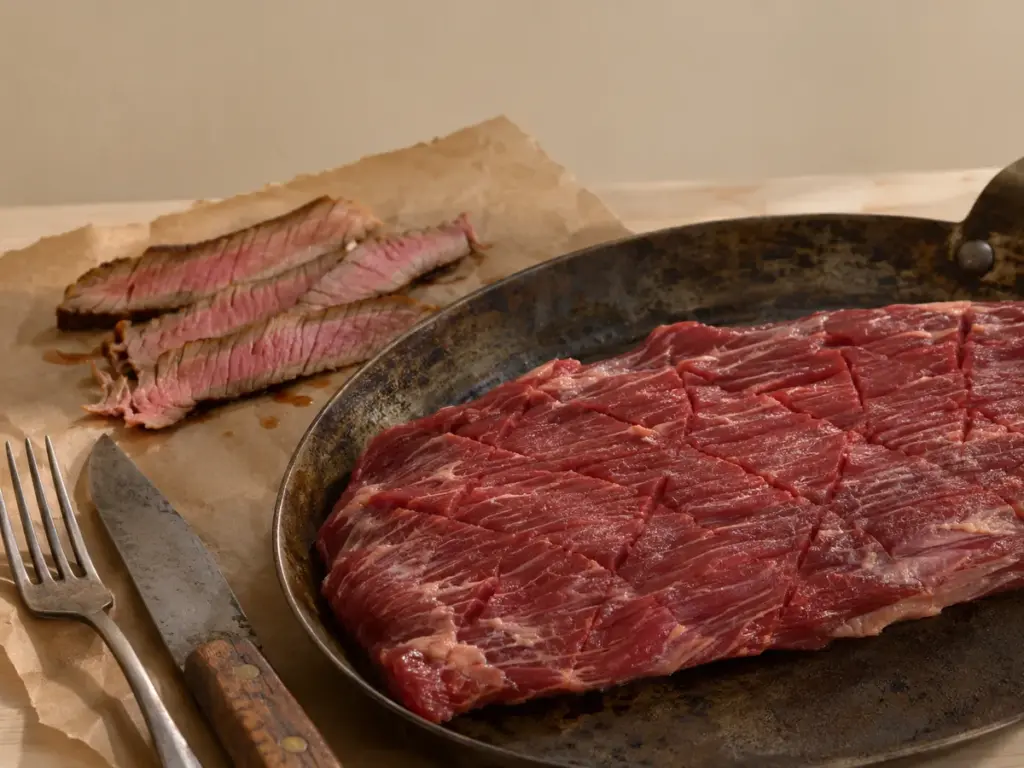
A mallet breaks up the meat fibers and connective tissue, and you can pound with a rolling pin or skillet when you need meat mallet stand-ins. McCormick's label has you pierce the meat with a fork at ½-inch intervals, and blade or needle tenderized meat has its own FSIS cooking temperature, listed in the safety section below.
On flank steak, the direction you slice matters most, because America's Test Kitchen measured 383 grams of force against the grain and 1,729 grams with it.
A tough cut is far easier to chew in thin slices across the fibers. If you're deciding between flank steak and sirloin, the flank is the cut those numbers come from.
How Do You Marinate Meat Safely?
- Raw meat always marinates in the refrigerator and stays off the counter.
- Acid does not kill bacteria, so a marinade never replaces cooking.
- Marinade that touched raw meat has to boil before you serve it as a sauce.
- Food-safe bags are good for one use, so you throw each one away afterward.
These rules come from University of Illinois Extension. Meat needs the same safe cooking temperature with or without a marinade, so you check the center with a thermometer:
- Poultry, including chicken in yogurt, needs 165°F.
- Ground beef, pork, lamb and veal need 160°F.
- Steaks, chops and roasts of beef, pork, veal and lamb, including blade or needle tenderized cuts, need 145°F with a 3-minute rest.
Frequently Asked Questions
Can You Use Baking Powder to Tenderize Meat?
AmazingRibs describes baking powder for crisping poultry and pork skin, where its carbon dioxide makes thin blisters, and gives the tenderizing explanation only for baking soda, so baking soda is the one you reach for when you want softness.
Sources
- Science Learning Hub: Fruit enzymes tenderise meat
- America's Test Kitchen: Marinating myths
- America's Test Kitchen: Tenderizing meat with a baking soda solution
- America's Test Kitchen: Salt steak twice
- America's Test Kitchen: Salting meat
- America's Test Kitchen: The science of slicing steak
- University of Illinois Extension: Marinating
- Tasting Table: How to use baking soda to tenderize meat
- AmazingRibs: Baking soda and baking powder
- PBS Fresh Tastes: Tenderizing meat
- Popular Science: Yogurt marinades
- USDA FSIS: Mechanically tenderized meat
- FoodSafety.gov: Safe minimum cooking temperatures
- USDA FSIS: Grilling food safely
- USDA FoodData Central: Salt, table (FDC 173468)
- McCormick: Seasoned meat tenderizer
- Food Lion: Adolph's unseasoned tenderizer label listing

Food writer at GustoMeadow. Writes ingredient substitutes, food comparisons, taste guides and storage guides for home cooks.
Storage and food-safety numbers follow USDA, FDA and university extension guidance.



