
If you're out of Savory, reach for Thyme, Sage, Oregano, Marjoram, and Rosemary.
It is commonly used to season poultry, meat, and vegetables.
For cooking, Sage also works well - adjust the amount to taste.
Oh, snap! Ever find yourself in the kitchen, jazzed to whip up that killer dish, only to realize you're fresh out of savory?
Yeah, been there, feeling the as your dream dish starts to slip away. No savory?
This is your golden ticket to becoming a kitchen ninja with the five ultimate swap-ins that keep the cooking show rolling.
We're talking easy-peasy, pinch-hit saviors that rescue your recipe without skipping a beat.
Grab your apron, and let's turn that "Uh-oh" moment into an "Aha!" with these game-changing alternatives.
5 Savory Herb Substitutes for Cooking
Here are five of the best substitutes for savory:
1 - Thyme
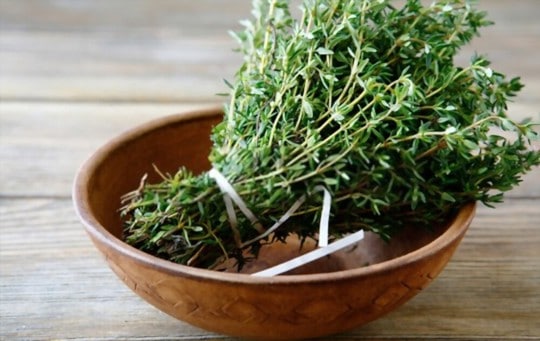
Thyme is a culinary herb that has a pungent, slightly lemony flavor.
It is commonly used to season poultry, meat, and vegetables.
Thyme is also a key ingredient in many French dishes, such as bouillabaisse and coq au vin.
The taste of thyme has been described as earthy, minty, and woody.
The herb is also used to make teas and essential oils.
Thyme can be purchased fresh, dried, or ground into a powder.
It is also available in oil and vinegar form.
When substituting thyme for savory, use one-third less thyme than savory called for in the recipe.
This will help to prevent the dish from becoming too overwhelming.
Thyme can be used in both sweet and savory dishes.
It pairs well with other herbs, such as rosemary and oregano.
2 - Sage
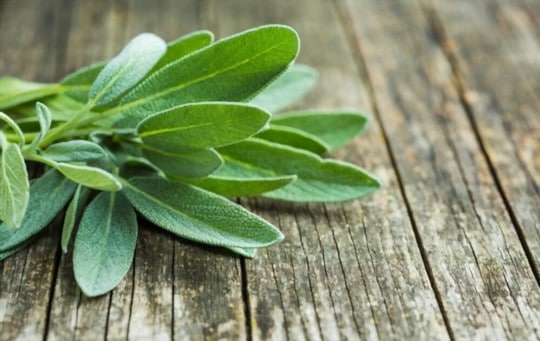
Sage is an herb with a strong, earthy flavor that can be used to add depth and complexity to a dish.
The leaves have a wrinkled texture and are slightly fuzzy to the touch.
When cooked, sage can take on a slightly pungent flavor.
For this reason, it is often used as a seasoning for roasted meats or as a component of stuffing.
Sage can also be used to substitute for savory in a recipe.
When used in this way, it is best to start with a smaller amount of sage and then adjust to taste.
Since sage has such a strong flavor, it is important to use it sparingly so that it doesn't overpower the other ingredients in the dish.
3 - Oregano

Oregano is a well-known herb that is most commonly used in Italian cuisine.
It has a strong, pungent flavor that is both earthy and slightly sweet.
The leaves are small and oval-shaped, and the plant itself is a member of the mint family.
In terms of texture, oregano is slightly fuzzy, and the leaves can be quite fragile.
When substituting oregano for savory, it is important to keep the ratio 1:1.
This means that if a recipe calls for 1 teaspoon of savory, you would use 1 teaspoon of oregano instead.
Oregano can be used fresh or dried, but it is important to remember that the dried herb is much more potent than the fresh variety.
When using dried oregano, start with ½ teaspoon and then adjust to taste.
4 - Marjoram

Marjoram is an herb that has a sweet, floral taste with a hint of citrus.
It is often used in Mediterranean and French cooking.
The leaves are used fresh or dried, and the flowers can be used fresh or dried.
Marjoram can be added to soups, stews, sauces, and marinades.
It pairs well with poultry, fish, and vegetables.
Marjoram can also be used as a substitute for savory in recipes.
When substituting, use half as much marjoram as savory.
Marjoram can be found fresh in the spring and summer, and it can be found dried year-round.
5 - Rosemary
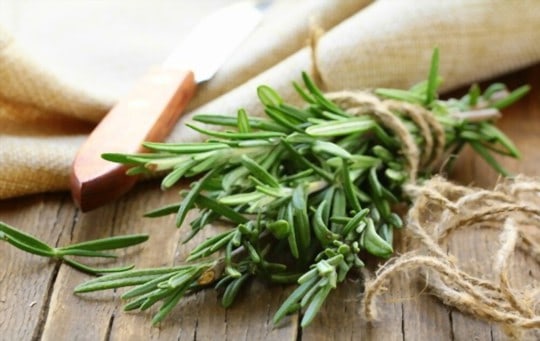
Rosemary is a perennial herb with linear, needle-like leaves and white, pink, purple, or blue flowers.
It is native to the Mediterranean region and is a member of the mint family.
The leaves have a pungent, slightly bitter taste and can be used fresh or dried.
When used fresh, they are often added to soups, stews, and sauces.
Dried rosemary can be used as a spice in a variety of dishes, such as roasted meats and vegetables.
Rosemary can also be used as a substitute for savory in recipes.
When substituting rosemary for savory, use one-third as much rosemary as you would savory.
This will give your dish the same savory flavor without being overpowering.
Frequently Asked Questions
Thyme, Sage, Oregano, Marjoram, and Rosemary. Use it at a 1:1 ratio in any recipe that calls for Savory.
Absolutely. Thyme is the closest swap.
Sage also works in a pinch. Match the original amount and tweak from there.
Can this substitute be used in baking as well as cooking?
Some work in both, but baking is less forgiving.
Substitutes that alter fat content, sweetness, or moisture can shift the structure of baked goods.
Test with a small batch first.
Frozen substitutes sometimes change texture after thawing. This matters more in raw applications like salads than in cooked dishes where texture is softened by heat anyway.