
Good replacements for Chinese Broccoli include Yu Choy, Bok Choy, Broccolini, Collard Greens, and Chinese Mustard Greens.
Yu Choy
Yu Choy is a vegetable that you may not be familiar with.
For cooking, Bok Choy also works well - adjust the amount to taste.
Got a recipe screaming for Chinese broccoli and you're fresh out?
This veggie has buddies that can jump in and save that stir-fry or noodle dish without skipping a beat.
Making a masterpiece in the kitchen, only to find a key ingredient's MIA.
Prep your apron and get ready for a twist - here come five game-changing, veggie-swapping tips that'll keep your cooking on point.
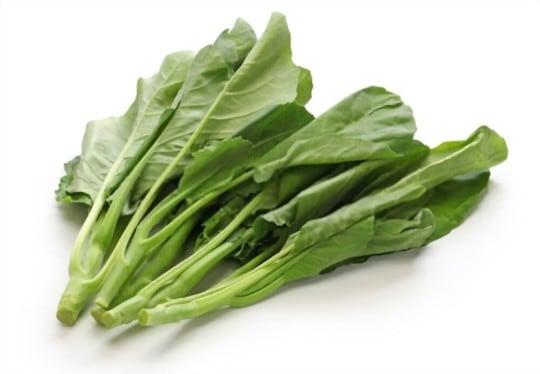
Chinese Broccoli (Gai Lan) Substitutes Explained
We've compiled the top five best substitutes that will make you wish you'd discovered them sooner.
1 - Yu Choy
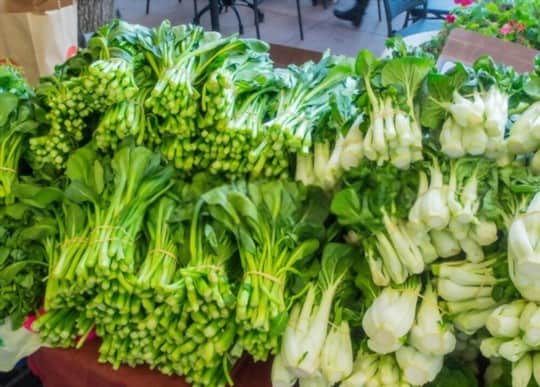
Yu Choy is a vegetable that you may not be familiar with.
However, it has infiltrated Chinese dishes and is an essential part of a growing number of recipes.
It is similar to bok choy, but the leaves are a bright yellow-green, and its stems tend to be slimmer and juicy.
Tasting slightly sweet, Yu Choy has a tender texture when cooked properly.
As an excellent accompaniment or substitute for Chinese broccoli (Gai Lan) in stir-fries, blanching it in hot water does the trick for sautéing as well as deepening its flavor in soup stocks.
The versatility of Yu Choy makes it one vegetable every kitchen should have on hand.
2 - Bok Choy
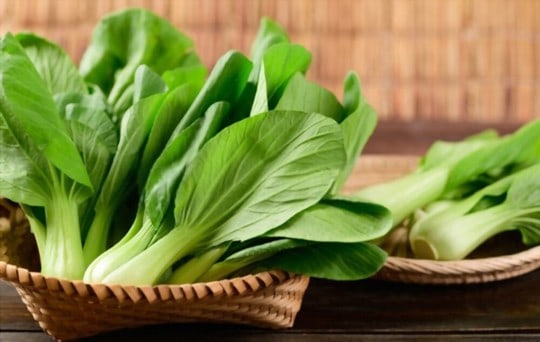
It is a type of Chinese cabbage that has seen a huge increase in popularity in the West, due to its crunchy texture and sweet flavor.
Its mild taste and crunchy texture make it a great base ingredient for stir fries and other dishes, contributing depth and flavor.
It can easily be substituted for Chinese broccoli for any recipe, giving quite similar results - just ensure to slice it thinner than usual as it takes longer to cook through.
Bok choy is an easy way to transform any dish from mundane to appetizingly delicious.
3 - Broccolini

Broccolini is a relatively new vegetable, but it is quickly becoming a staple in kitchens around the world.
Its green and tender stalks have an earthy flavor that has slightly more sweetness than traditional broccoli.
Its texture is also noticeably different; it offers a slight crunch, and the stems are Delicate and sweet.
Broccolini can make an excellent substitute for Chinese broccoli in a stir-fry.
To add to its earthy flavoring, season with oyster or hoisin sauce, and top with some crunchy peanuts or sesame seeds.
4 - Collard Greens
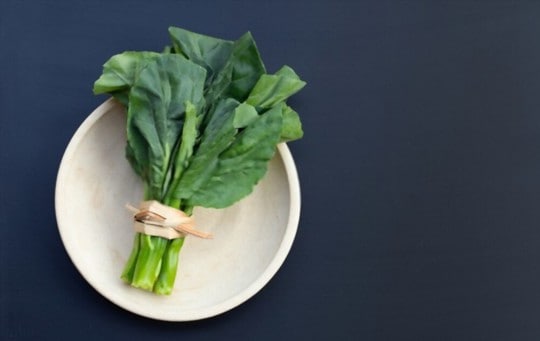
Collard greens are leafy and crunchy vegetables that have a relatively mild flavor compared to the other members of the cabbage family.
The texture is similar to kale, but it has a slightly stronger taste with a hint of bitterness.
Collards can be cooked in various ways, such as pan-fried with garlic and onion, steamed, boiled, and added to salads.
It pairs well with bold flavors like bacon and spicy seasonings.
For anyone looking for an easy substitution for Chinese broccoli in a dish such as stir-fries or grilled veggies, collard greens are an ideal choice.
They take just minutes to cook, so they are perfect for those everyday quick meals.
5 - Chinese Mustard Greens
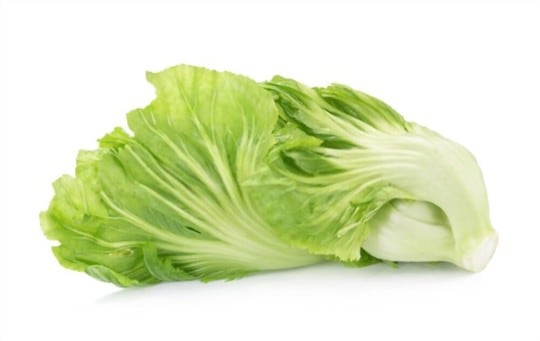
It is a delicious and incredibly nutritious vegetable with a unique flavor.
The leaves are dark green in color, slightly bitter, and full of healthy vitamins and minerals.
As far as their texture goes, the leaves can be both crunchy and slightly chewy, depending on how you prepare them.
It is an ideal substitute for Chinese broccoli, especially when added to stir-fries.
They cook quickly, but if you're feeling adventurous, try roasting them for a different level of flavor.
You'll get all the same nutritional value with an exciting new taste that's sure to satisfy your palate.
Frequently Asked Questions
Yu Choy, Bok Choy, Broccolini, Collard Greens, and Chinese Mustard Greens. Use it at a 1:1 ratio in any recipe that calls for Chinese Broccoli.
In most cases, yes. Try Yu Choy first since the flavor is closest.
Bok Choy handles heat and texture differently, so test in small batches.
It can, especially with ingredients that have distinct colors or pigments. The difference is usually minor in mixed dishes but may be more visible in lighter sauces or batters.
How do you adjust seasoning when using a substitute?
Taste as you go.
Substitutes can be saltier, milder, or sweeter than the original.
Add seasoning gradually and adjust at the end rather than matching the original recipe amounts exactly.