Umami tastes savory, brothy and meaty, like unsalted chicken soup, a very ripe tomato or aged Parmesan.
- It is a rounded, mouth-watering taste that lingers after you swallow.
- It comes mainly from glutamate, an amino acid found in kombu, aged cheese, soy sauce and dried mushrooms.
- It gets much stronger when glutamate meets inosinate (meat, fish) or guanylate (dried shiitake).
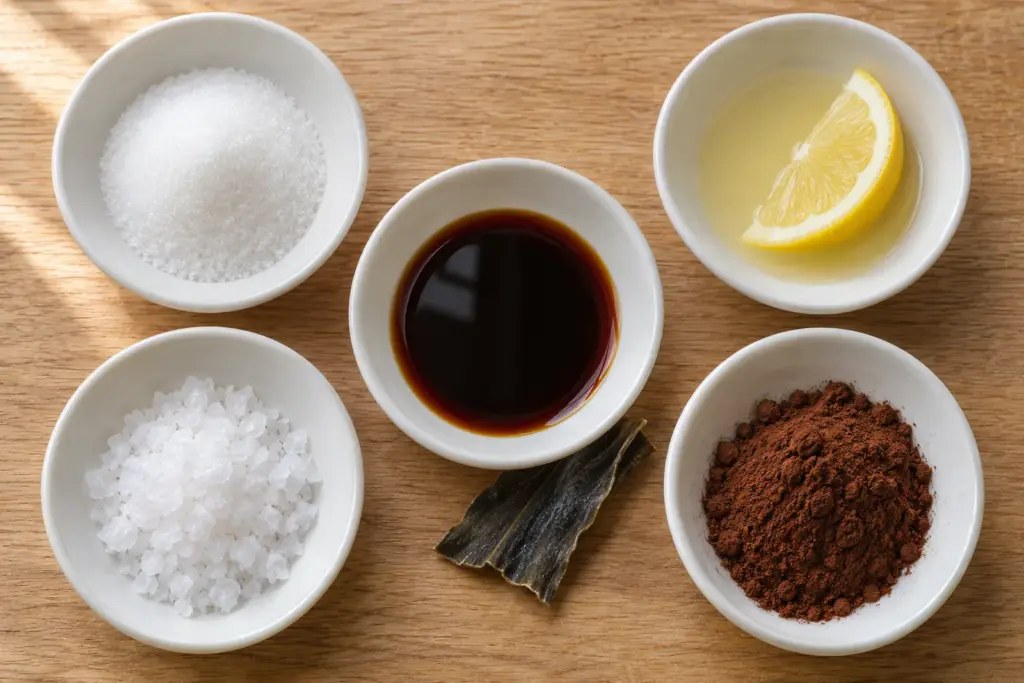
Umami is the fifth basic taste, next to sweet, sour, salty and bitter, and it explains why miso soup or a wedge of aged cheese tastes fuller than its salt alone would suggest. You'll find it in most of the savory foods people ask about, from soy sauce to anchovies, because that is where their depth comes from.
1. What Does Umami Taste Like?
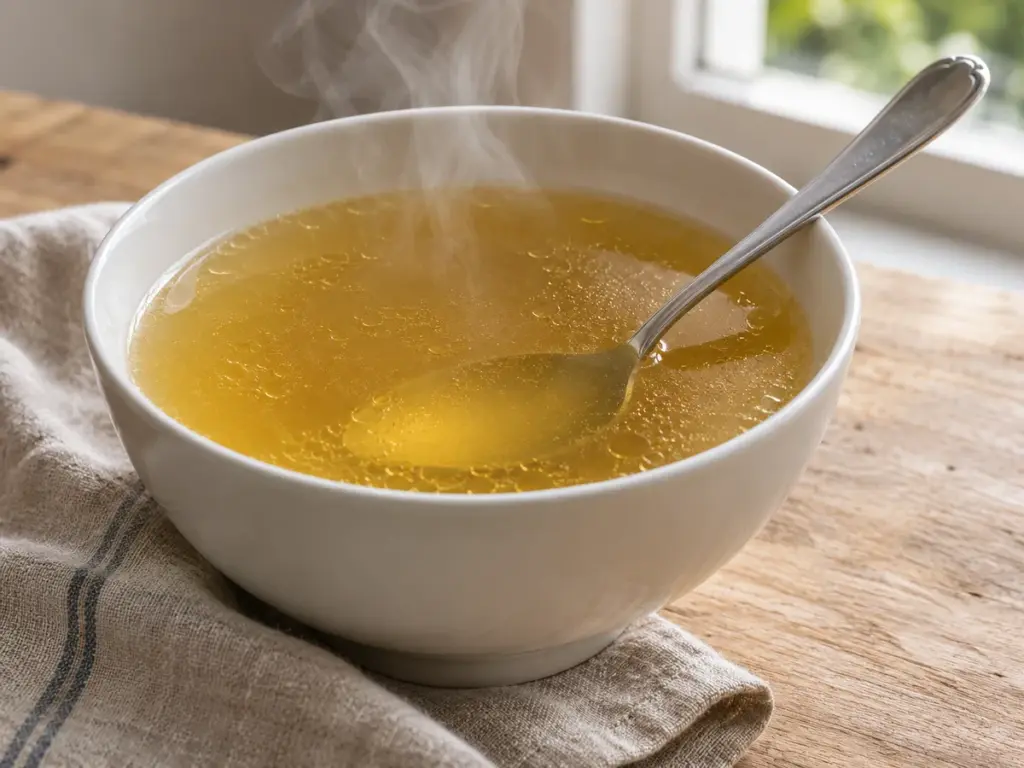
No everyday food tastes only of umami, so the easiest way to find it is to sip a long-simmered chicken or mushroom broth with no salt added. It still tastes full and savory, and that fullness is umami. If you try to put it in words, you'll probably reach for brothy, meaty and savory, and you'll notice two things that set it apart from the other four tastes:
- It lingers. Sweet and sour fade within seconds, while umami keeps coating the mouth after you swallow.
- It makes you want another bite. It rounds out salty and acidic food, which is why a thin sauce tastes finished once you stir in a spoonful of tomato paste or a splash of soy sauce.
| Basic taste | What you notice | Everyday example |
|---|---|---|
| Sweet | Quick, light, fades fast | Sugar, ripe fruit |
| Sour | Sharp, makes your mouth pucker | Lemon juice, vinegar |
| Salty | Clean and immediate | Table salt |
| Bitter | Harsh, often lingers at the back of the tongue | Black coffee, dark chocolate |
| Umami | Brothy, rounded, lingering | Broth, aged Parmesan, soy sauce, ripe tomato |
You may confuse umami with saltiness, because salt comes from sodium while umami comes from glutamate, and soy sauce, Parmesan and anchovies contain plenty of both, so you taste them together. Your tongue can still tell them apart, because a broth with no added salt still tastes savory when it has enough glutamate.
2. Where Does the Word Umami Come From?
In 1908, Kikunae Ikeda, a chemist at Tokyo Imperial University, tasted a bowl of kombu dashi and decided its flavor was not any of the four known tastes. He identified glutamate as the cause, and according to the Umami Information Center, 12 kilograms of kombu yielded 30 grams of glutamate in his work. He named the taste umami, a Japanese word that roughly means "pleasant savory taste."
Glutamate is one of the 20 amino acids that build proteins, so it is in every living thing you eat. Two more discoveries and one biology result finished the picture:
| Year | Who | What they found |
|---|---|---|
| 1908 | Kikunae Ikeda | Glutamate is the main taste compound of kombu dashi |
| 1913 | Shintaro Kodama, Ikeda's student | Inosinate gives dried bonito flakes (katsuobushi) their umami |
| 1957 | Akira Kuninaka | Guanylate is an umami compound, later confirmed in dried shiitake |
| 2002 | Nelson and colleagues | The T1R1 and T1R3 receptor pair on the tongue responds to amino acids, including glutamate |
That last result is why umami counts as a true taste and not just a texture or a smell: your tongue has its own receptor for it. Japanese cooks had used kombu and bonito for centuries before any of this was measured, so the taste is old and only the name and the chemistry are recent.
3. What Makes Food Taste Umami?
Three compounds give you most of the umami in your food, and each one favors different foods:
- Glutamate is the main one. It is plentiful in kombu, aged cheese, soy sauce, ripe tomatoes and green tea.
- Inosinate (IMP) is found mostly in meat and fish, and dried bonito flakes are an especially rich source.
- Guanylate (GMP) is more common in plants, and dried shiitake is the classic example.
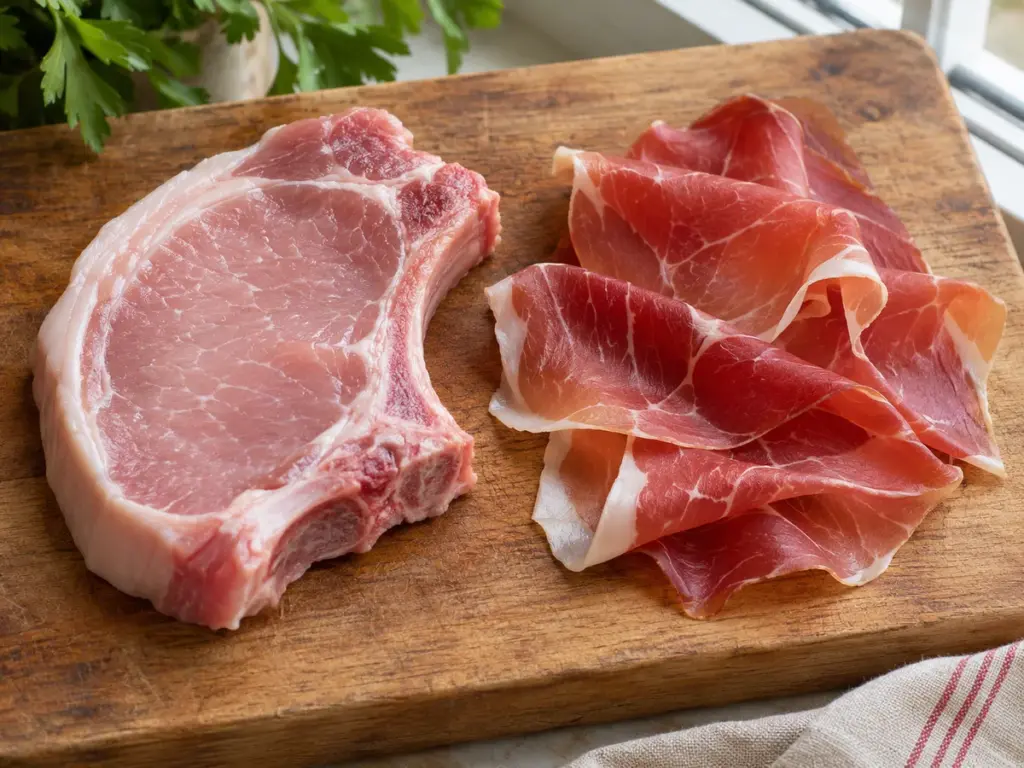
You taste umami only from free glutamate. Glutamate still locked inside a protein chain has no taste, so when you age, ferment, dry or slowly cook a food, you raise its umami by breaking the protein apart. A fresh pork chop holds about 10 mg of glutamate per 100 g, while dry-cured ham, made from the same animal, holds about 340 mg.
Why Do Umami Foods Taste Stronger Together?
Glutamate alone is pleasant, but you taste far more when it meets inosinate or guanylate. In the tests the Umami Information Center describes, a mix of glutamate and inosinate at exactly 1 to 1 tasted 7 to 8 times as intense as either compound alone, with the total amount held at 0.05 g per 100 ml.
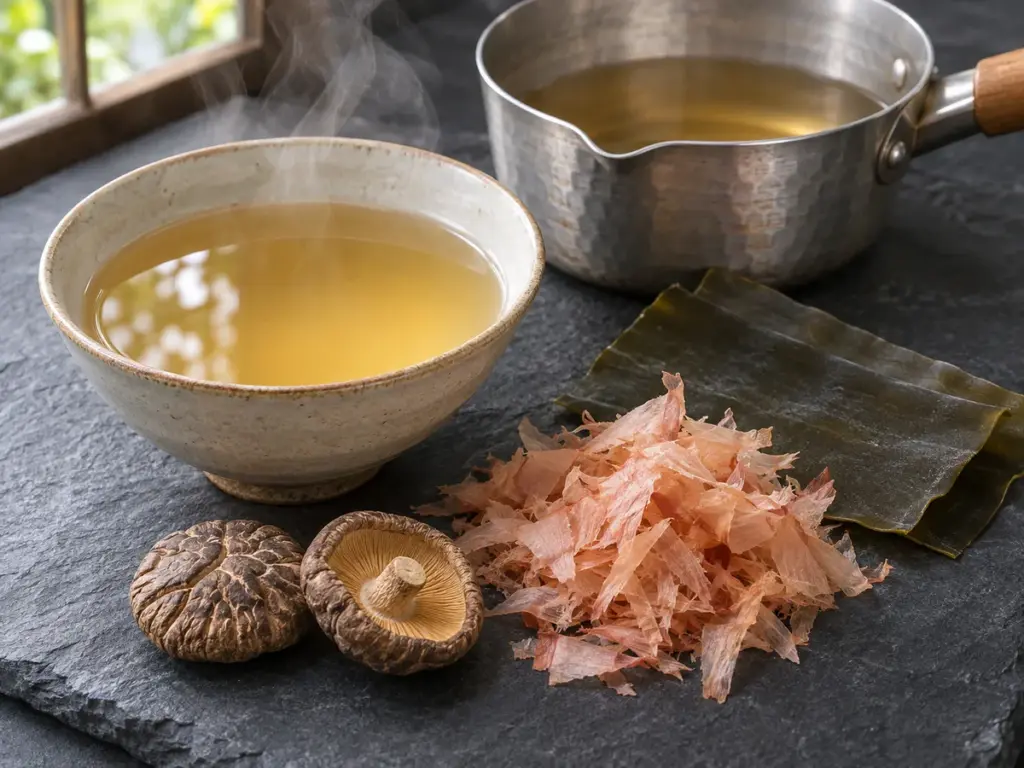
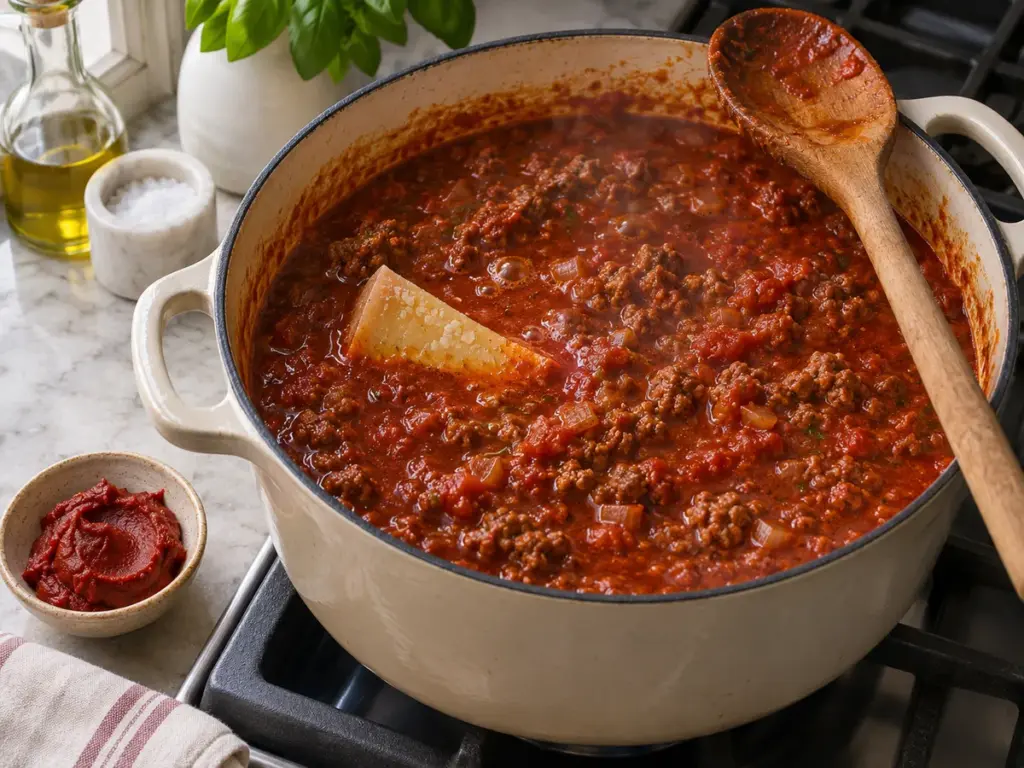
Classic dishes already use this without naming it, and you may have eaten them for years. Japanese dashi pairs kombu seaweed (glutamate) with bonito flakes (inosinate) and often dried shiitake (guanylate), and tomato sauce simmered with ground beef pairs a glutamate-rich fruit with an inosinate-rich meat. If you add bonito flakes to a plain kombu broth, it turns deep, because inosinate multiplies what glutamate already does.
4. Which Foods Are Highest in Umami?
Dried, aged and fermented foods lead by a wide margin, as the Umami Information Center's food table shows. These figures are free glutamate per 100 g, and the Center notes that they vary with the individual sample and the season:
| Food | Free glutamate (mg per 100 g) | Why it is high or low |
|---|---|---|
| Rausu kombu | 2,290 to 3,380 | Dried kelp, the source Ikeda started with |
| Parmigiano-Reggiano | 1,200 to 1,680 | Long aging breaks milk protein into free amino acids |
| Soy sauce | 400 to 1,700 | Fermentation frees glutamate from soybean protein |
- Dried shiitake has 1,060 mg per 100 g because drying concentrates it, and fresh shiitake holds only 70.
- Dried tomatoes have 650 to 1,140, while fresh tomatoes hold 150 to 250.
- Fish sauce (nam pla) has 950, from fermented anchovies or other small fish.
- Oyster sauce has 900, from concentrated oyster extract.
- Anchovies have 630 because they are cured, so protein has broken down.
- Miso has 200 to 700, from fermented soybeans.
- Dry-cured ham has 340, because curing frees glutamate, while fresh pork holds about 10.
- Kimchi has 240, from fermented vegetables.
- Green peas have 110, one of the higher fresh vegetables.
Per 100 g, Parmigiano-Reggiano holds 5 to 8 times the glutamate of a fresh tomato and kombu holds roughly 10 to 20 times. You eat a spoonful of fish sauce or a few shavings of cheese, not 100 g, so you only need a small amount of these ingredients to season a whole pot.
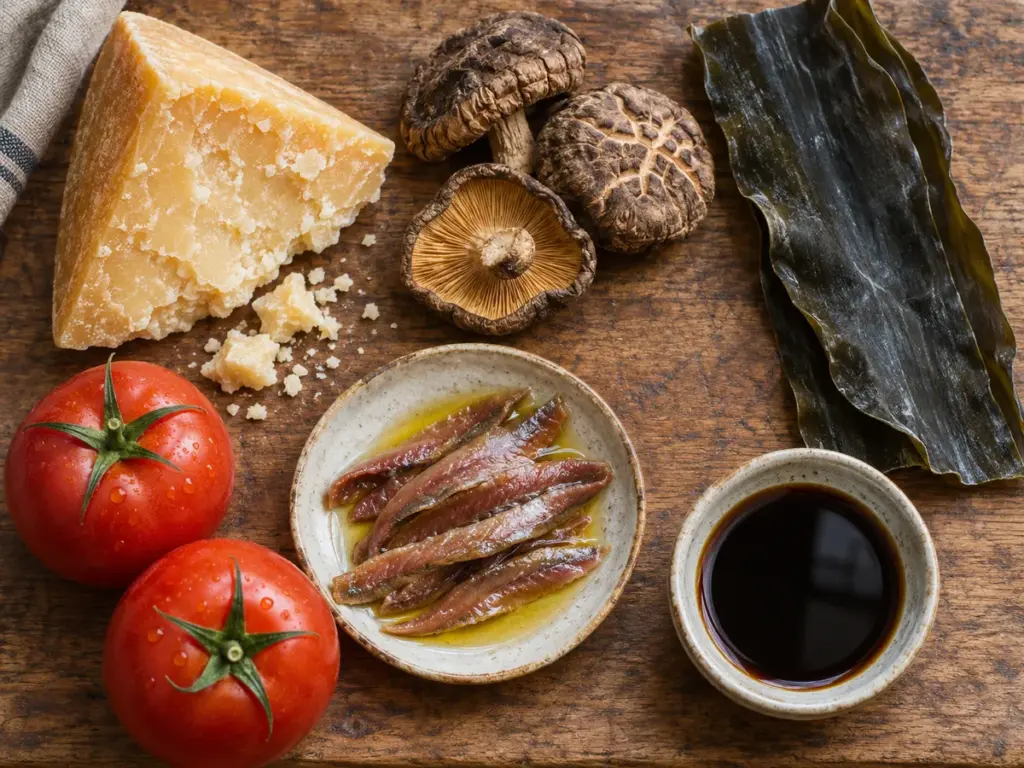
If you assumed fresh meat and fish are full of glutamate, the table says otherwise. Fresh meat and most fresh fish contain very little free glutamate (beef and pork about 10 mg per 100 g, chicken 20 to 50, tuna 1 to 10), and the meaty taste they bring comes from inosinate. Anchovies are the exception among fish: curing frees their glutamate, so anchovy fillets melt into a sauce and leave savory depth behind.
You'll find a modest amount in a few everyday vegetables and drinks, and breast milk is also rich in glutamate. Here are typical figures per 100 g from the same table:
- Tomatoes, 150 to 250 mg. The Center says glutamate peaks when the tomato is very red, so wait for fully ripe fruit.
- Corn, 70 to 110 mg, and garlic, 100 mg. They are enough to deepen a soup without tasting of themselves.
- Potatoes, 30 to 100 mg, and asparagus, 30 to 50 mg. They are mild contributors, far below peas.
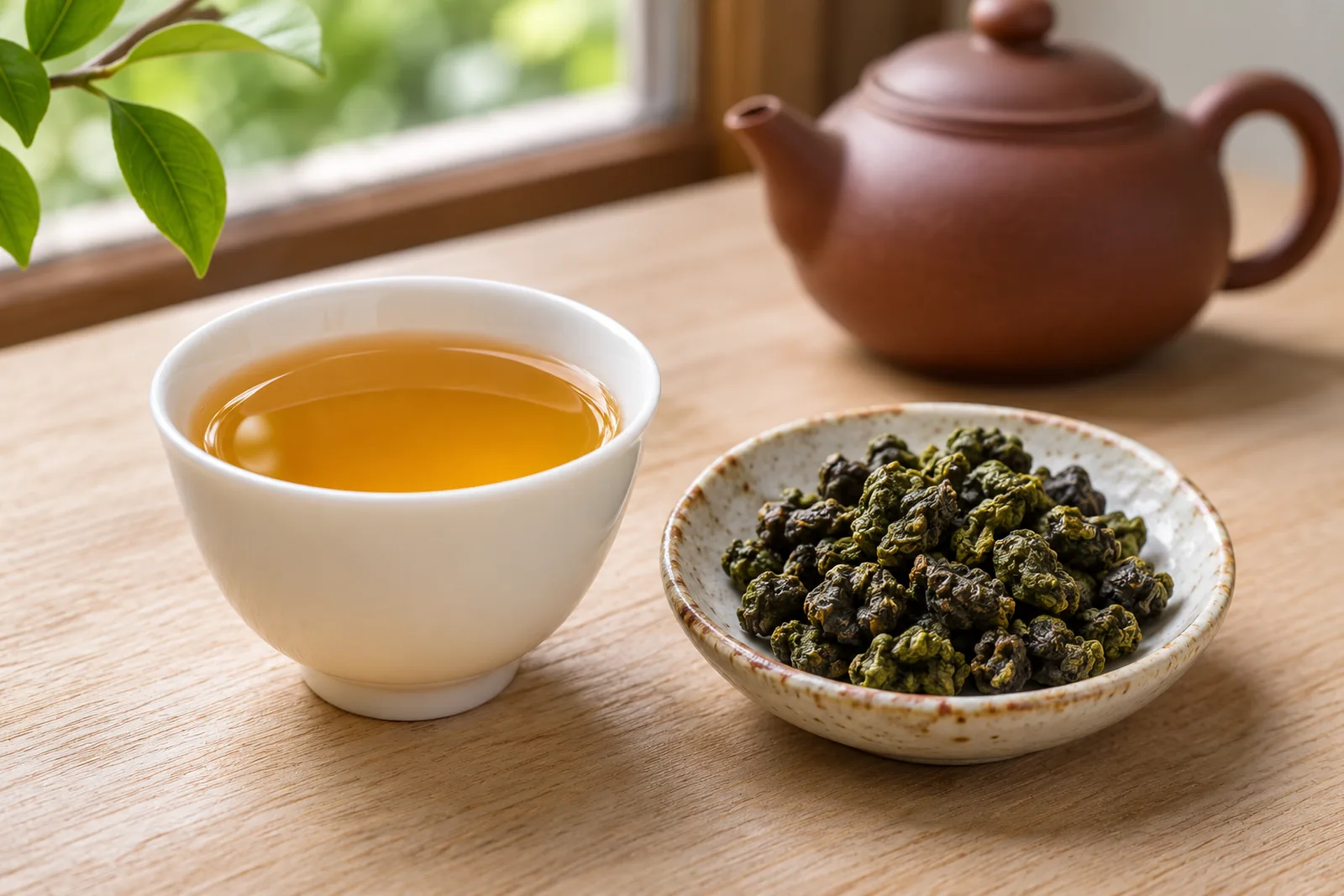
- Matcha, 490 to 700 mg. Green tea overall ranges widely, from 17 to 1,490 mg, depending on the tea.
5. How Do You Cook With Umami?
To build umami in a pot, you combine a glutamate source with an inosinate or guanylate source and let them simmer together. You can follow a simple order for soups, sauces and braises:
- Start with glutamate. Add any of tomato paste, miso, soy sauce, a Parmesan rind or a strip of kombu to dissolve free glutamate into the liquid.
- Add a nucleotide partner. Brown some beef or bacon, or add an anchovy fillet, bonito flakes or dried shiitake, to supply inosinate or guanylate, which multiplies the effect.
- Simmer so it dissolves. Let the pot simmer so the glutamate dissolves into the water, which is why broths and braising liquids taste so much deeper than the dry ingredients do.
- Salt last. Soy sauce, fish sauce, Parmesan and anchovies are already salty, so taste before you add any more salt.
If you cook without meat, mushrooms carry the nucleotide side of the pair, which is why vegan mushroom entrées can taste as deep as a meat dish. You'll get the most from dried mushrooms, because dried shiitake has 1,060 mg of glutamate per 100 g against 70 for fresh.
If your pot tastes flat, a few drops of fish sauce are a good shortcut, because it brings about 950 mg of glutamate per 100 g, so a teaspoon goes a long way in a sauce or marinade.
How Do You Make Umami Paste at Home?
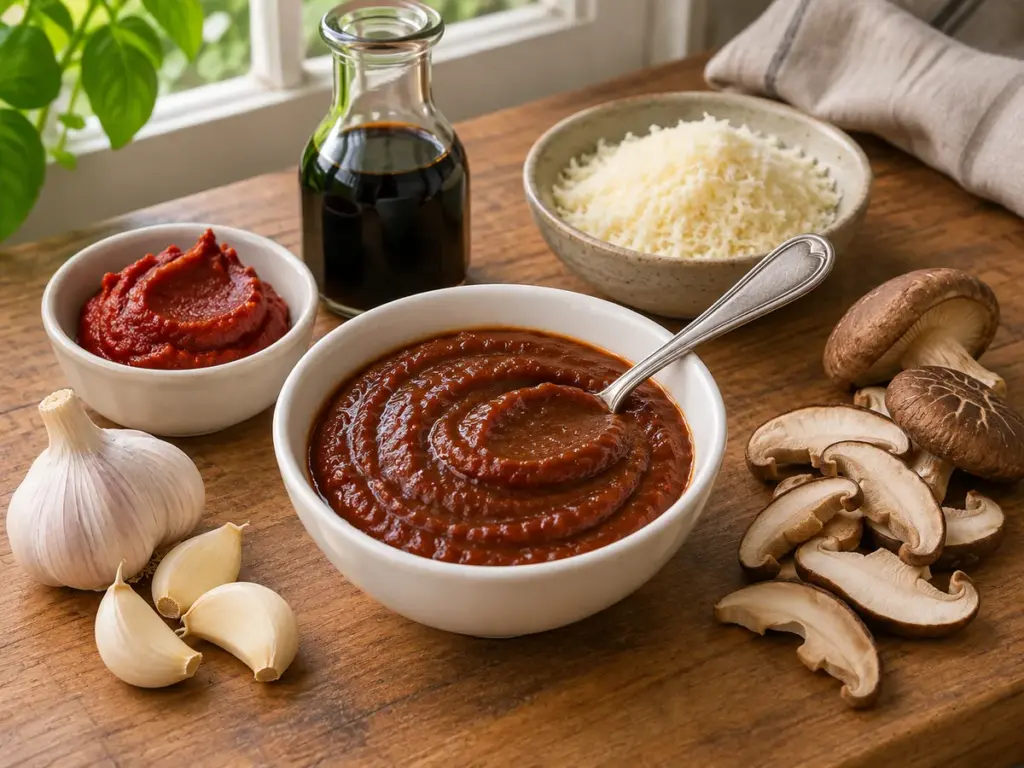
An umami paste packs a dozen high-glutamate ingredients into one spoonful that you can stir into soups, stews, burgers, roasted vegetables or pasta sauce. Put these in a blender or small food processor:
- Salty, fermented base: 1 tablespoon soy sauce, 1 teaspoon fish sauce, 1 tablespoon anchovy paste and a half teaspoon of miso.
- Rich and sweet: 1 tablespoon tomato paste, 2 tablespoons freshly grated Parmesan and a half teaspoon balsamic vinegar.
- Earthy and aromatic: 3 or 4 dried shiitake caps soaked in hot water and drained, plus 2 minced garlic cloves.
- Body and heat: 1 tablespoon olive oil and a tiny amount of sriracha or crushed red pepper.
Blend until smooth, then taste it by the half teaspoon before you add it to a dish, because the paste is salty. Start with a teaspoon in a pot that feeds four and add more only if the sauce still tastes thin.
6. Is MSG Safe to Cook With?
MSG (monosodium glutamate) is the purified salt form of glutamate, so it adds umami the same way kombu does. The FDA states that it considers the addition of MSG to foods to be generally recognized as safe (GRAS), which is the agency's safety category for ingredients with a long record of common use.
Some people report headaches, flushing or numbness after a restaurant meal and blame MSG. The FDA says scientists have not been able to consistently trigger those reactions in people who describe themselves as sensitive when they are given MSG or a placebo. The FASEB review the FDA cites found short-term, mild symptoms only in sensitive people who ate 3 grams or more of MSG without food, and the FDA calls an amount that large at one time unlikely.
Two practical points matter in your kitchen. By weight, MSG is about 12% sodium against 39% for table salt, so if you replace part of the salt in a dish with a pinch of MSG, you lower its sodium.
And foods with added MSG must list it as "monosodium glutamate" on the label, while foods whose ingredients contain glutamate naturally cannot claim "No MSG." If you taste a pinch of MSG on its own, you get the bare version of what MSG tastes like in a finished dish.
Sources
- Umami Information Center, Umami Information by Food: glutamate content by food, variation by sample and season.
- Umami Information Center, What is Umami: Ikeda 1908, inosinate 1913, guanylate 1957, glutamate and inosinate synergy.
- Nelson et al., An amino-acid taste receptor, Nature 2002: the T1R1 and T1R3 receptor.
- FDA, Questions and Answers on Monosodium Glutamate (MSG): GRAS status, symptom studies, labeling.
- Penn State Extension, What is Botulism?: garlic in oil as a botulism source.

Food writer at GustoMeadow. Writes ingredient substitutes, food comparisons, taste guides and storage guides for home cooks.
Storage and food-safety numbers follow USDA, FDA and university extension guidance.