
Do you love curry? Are you indecisive and need help choosing between red curry and yellow curry?
Or perhaps you're looking to learn more about the subtle differences between these two popular dishes.
With their blend of exotic spices and vivid colors, red and yellow curries are both irresistible for their unique flavors; however, each of them has distinguishing characteristics that make them stand out from one other.
Summary of key points
- Yellow curry is generally considered milder than red curry, with the use of coriander, cumin, lemongrass, ginger, garlic, and yellow or red chili in its preparation.
- Red curry is spicier than yellow curry but less spicy than green curry, typically made with dried red chilies and heavily spiced.
- Thai yellow curry tends to have a subtle sweetness from added coconut milk, while red curry is known for its fiery heat from the use of red chilies.
- The difference in color and spiciness between the two curries is primarily attributed to the types of chilies and spices used in their respective pastes.
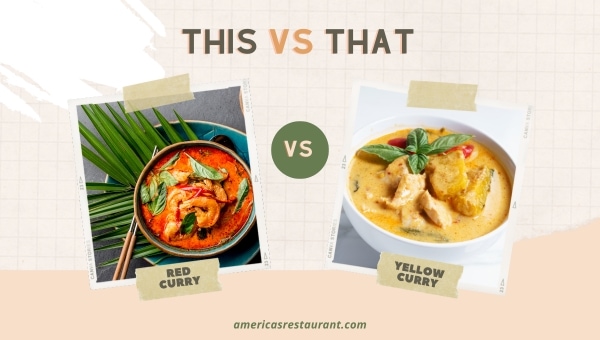
What is Red Curry?
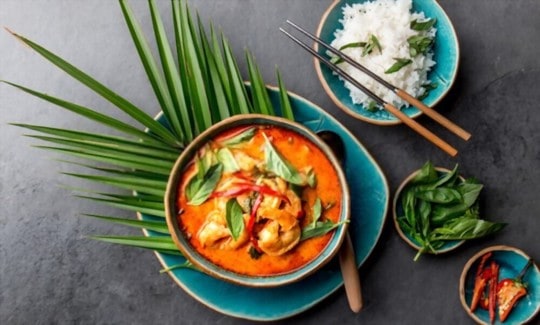
Red Curry is a tempting and aromatic dish served in many countries throughout Southeast Asia, as well as from coast to coast in the United States.
A brilliant crimson hue bursts from the dish enticingly; the slight sweetness that it carries will surely have your mouth watering - similar color and sweetness contrasts appear in golden vs red beets comparison guide.
Dotted with chopped chilies, this fiery delight of a meal is unique for its fish-based red curry paste, made from scratch by hand with ingredients such as shrimp paste, red chili peppers, garlic, galangal root, lemongrass, and kaffir lime leaves.
It is then typically simmered in coconut milk along with its sugar and a bit of fish sauce to create an opulent pot of deliciousness.
Due to its concentration in flavor, red curry can serve not only as a main dish but also as a centerpiece around which entire meals can be built.
Chefs all throughout Thailand roast it into pork or chicken dishes; street vendors simmer up colorful vegetable stir-fries over a bedding of bright curry-spiced rice; bustling tables at family gatherings are adorned with heaping pots of fragrant seafood curries.
In recent years its popularity has grown tremendously outside its native culture, too: Indian-style samosas bursting with hot potato filling enjoy a pooling of bubbly broth on their plate, while Italian pizzerias offer the option to get one's pie topped with basil and green onion stems nuzzled amid piles of melted cheese-smothered with generous helpings of creamy red curry atop.
Commonly enjoyed across different cultures, this astounding ruby spread does carry some risks.
Red curry takes time to prepare correctly and extensively due to the ingredients involved, and if care is not taken properly during its preparation process-or quality ingredients are not used-then it could result in an overly acidic or salty-tasting end product - likewise, if overdone it can become quite spicy.
Despite this caveat, however, red curry remains a staple on many dinner tables worldwide - providing fragile flavorsome delicacy with each individual serving.
What is Yellow Curry?
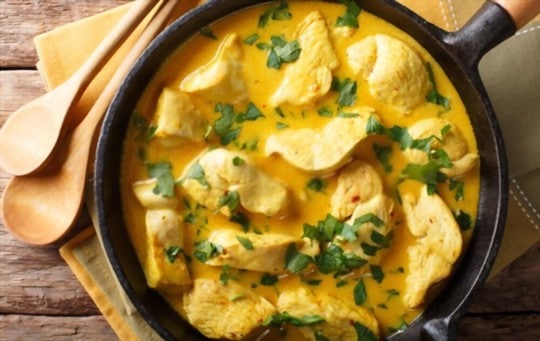
What is yellow curry? A dish is full of spice with a burstiness that can perplex palate and leave an unforgettable impression.
Originating in Thailand, yellow curry is an integral part of their cuisine and is considered to be more of a stew than a soup because of its thicker consistency.
This fragrant stew typically comprises turmeric, cumin, coriander, ginger, and garlic for aromatic flavor as well as potatoes, carrots, and onions to thicken up the stew and make it heartier.
It's not as spicy as red or green curries but still carries a distinct flavor that sets it apart from the rest- hence making it unique.
With its versatility, yellow curry can be used in other dishes such as pineapple fried rice or fish cakes- allowing individuals to explore overseas cuisines easily within their own kitchen.
Both does this give way to experimentation with meal ideas, but it also introduces ingredients that may not have been considered otherwise.
Of course, too much of anything isn't good, so using this dish in other forms, such as soups, might render an overload on particular spices and, therefore, should be used sparingly.
To conclude, while yellow curry has its benefits due to its thickness and ratio of spices, one needs to consider all factors before including it in any dish for the desired results.
For a sense of how subtle color and sweetness alter perception in cooking, see yellow peach vs white peach comparison notes which explores those differences.
Differences Between Red and Yellow Curry
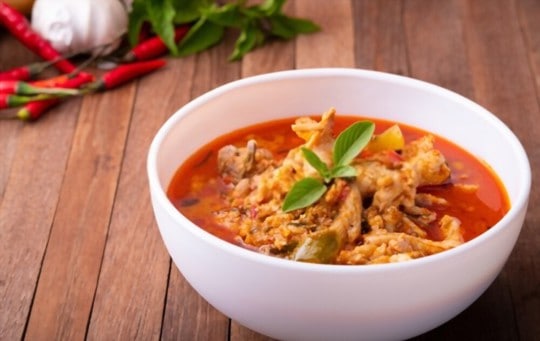
They come from the same basic curry family, Red and Yellow curries have considerable differences in their ingredients, taste, texture, and cooking process.
Red curry uses dried red chili peppers, which can often be quite spicy, while yellow curry, on the other hand, uses much milder turmeric root.
Also, when it comes to texture and consistency, yellow curry is typically much thicker than red curry due to the creamy coconut milk involved in its preparation, while red curry has a thinner sauce due to an absence of coconut milk in its making.
As far as the cuisines where these curries are traditionally used, there is a stark difference here too.
While the yellow curry is predominantly found in Thai cuisine and paired with rice or noodles, red curry is far more ubiquitous in Indian dishes such as saag paneer & butter chicken served with naan bread.
It comes as no surprise then that the two curries create separate flavors as each of them carries the essence of its indigenous cuisine in every bite.
With all this variety and complexity surrounding these two versions of Indian-Thai curries, one can only feel perplexed yet intrigued when one comes face to face with these cooking marvels.
To sum it up, Red and Yellow curries have their very own distinctions in terms of heat, texture, and cuisine, but both share the same roots - making them part of the larger Indian-Thai family.
For a look at how similar shades can influence texture and pairing, radicchio vs red cabbage comparison notes examines visual and flavor-driven choices.
How to Cook with Red and Yellow Curry
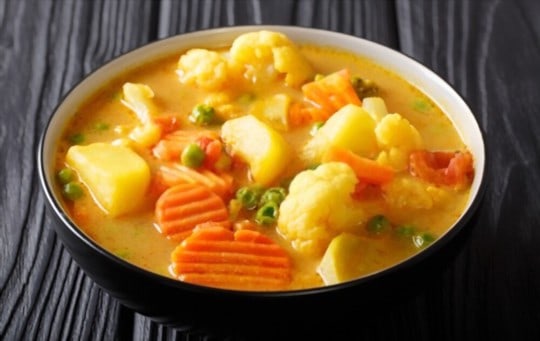
Yellow and red curry, for all their dynamism in the kitchen, can be difficult to master.
Trying out how each of these different curries pairs with various ingredients, like meats, vegetables, and grains, can seem overwhelming- not to mention adjusting the spice levels to your desired heat.
But if you're up for a delicious challenge (and who isn't?), here's some guidance on cooking with red curry and yellow curry.
Let's start with red curry: a staple of Thai cuisine with a complexity that comes from its blend of spices like chilies and lemongrass.
It is usually served as part of a soup or spicy gravy.
You'll want to be careful regarding how much of it you use; too much can overpower the other flavors in your meal.
Yellow curry offers a more subtle taste that brings out subtle aromatics attributed to spices like turmeric and coriander seeds - perfect for building an intense flavor without being too spicy.
When using yellow curry in dishes such as coconut-based stews or rice bowls, you should use it sparingly - adding any additional heat is best done by introducing individual spices instead of additional yellow curry powder.
Overall, both types of curries pair well with various types of meat, such as poultry or beef; as well as simple but flavorful vegetables, such as potatoes or carrots; finally, carbohydrates like quinoa and brown rice provide an excellent base for allowing these flavors to come together magnificently in one dish.
With an understanding of red and yellow curries' unique traits when sautéed, fried, steamed, or simmered - rest assured that you are sure to get creative in the kitchen.
For guidance on balancing sauces and heat levels across cuisines, red vs green enchilada sauce comparison tips offers useful parallels.
Key Flavor Differences: Red vs Yellow Curry
There are other variations of curry pastes out there, such as green and Massaman.
However red and yellow curry pastes are two of the most commonly used.
It is important to know the difference between these two popular dishes to order (or cook) exactly what you're looking for.
Red curry paste is made with chili peppers, whereas yellow uses turmeric to create its signature color.
Both spices provide distinct flavors that can improve any dish.
So whether you're hoping for a little bit of heat or wanting something more mellow, be sure to ask your waiter or check the ingredients list before diving into your next bowl of Thai goodness.
Red plum preparations vary by sweetness and tartness; red plum vs black plum comparison guide breaks down those contrasts. For seafood options that differ by texture and meatiness, red rock crab vs Dungeness crab comparison notes outlines key distinctions.
Frequently Asked Questions
Or perhaps you're looking to learn more about the subtle differences between these two popular dishes. They share some similarities but each has qualities that make it better suited for certain recipes.
In many recipes, yes. Red Curry and Yellow Curry fill similar roles, though each brings its own character.
Try a small test batch before committing to a full swap.
Availability varies by region. One is usually a standard grocery store item while the other may require a specialty or international market depending on where you live.
Can a beginner tell the difference by taste?
In a side-by-side tasting, yes.
The difference becomes less obvious when mixed into a recipe with other ingredients.
Most people notice the distinction more clearly on its own.