
If you're out of Aluminium Foil, reach for Parchment Paper, Silicone Baking Sheets, Wax Paper, Cedar Wraps (for grilling), and Beeswax Food Wraps.
Parchment paper is actually a siliconized paper created to be non-stick and heat-resistant.
For cooking, Silicone Baking Sheets also works well - adjust the amount to taste.
Ever run out of aluminum foil right when you need it?
Happens to the best of us. Luckily, the kitchen is all about creativity, and finding a substitute for aluminum foil is easier than you might think.
This guide isn't just about slapping a lid on a pot.
We're here to share the top five alternatives that will keep your cooking and baking on track.
Ready to flip the script on how you use everyday kitchen items?
Let's dive in and uncover these kitchen lifesavers.
5 Best Alternatives to Aluminum Foil
If you're like us, the thought of having to search for a replacement for aluminum foil has filled you with perplexity.
What can be used instead? Is it safe?
Can I use it in the same manner as an aluminum foil?
For guidance on using different materials for cooking and whether they change results, aluminum vs ceramic cookware comparison explains key differences.
1 - Parchment Paper
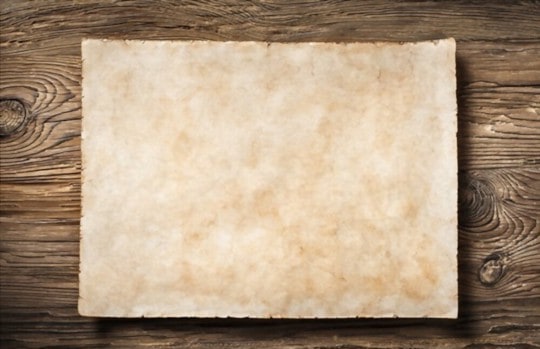
Taking a glance inside any typical kitchen would bring parchment paper into view, yet many are completely unaware of what it is - see air fryer parchment substitutes for direct swaps.
Parchment paper is actually a siliconized paper created to be non-stick and heat-resistant.
It's great for baking since it helps prevent food from sticking and preserves moisture well.
As an added bonus, parchment paper is easy to cut down to any size needed and can even be used as a separator when storing frozen food in containers or packages that lock tightly shut.
If you find yourself without parchment paper, you can substitute aluminum foil with similar results due to its non-abrasive surface and thickness - just remember to use cooking spray.
Cooking with parchment paper can be tricky. Try these parchment paper substitutes instead.
2 - Silicone Baking Sheets
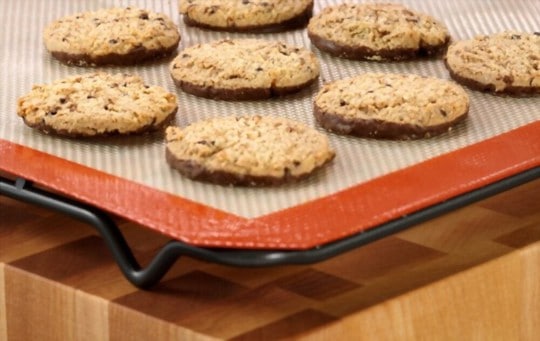
Silicone baking sheets are a kitchen essential that can sometimes be overlooked.
They offer numerous benefits when compared to traditional aluminum foil, such as being better for food preservation since they help keep moisture in the dishes and prevent burning.
Also, silicone baking sheets are non-stick, meaning you don't need to use oils or fats when baking with them, and cleanup is easy.
Did you know that you can even use silicone baking sheets as a substitute for aluminum foil? Simply replace foil with your silicone sheet for any dish that needs to be cooked or heated up in the oven; this helps further retain heat and moisture.
With their convenient features and creative possibilities, silicone baking sheets can be a fun addition to any kitchen.
Baked goods that call for nut butter can often use other spreads without losing texture; delightful nut butter substitutes for baking outlines five easy swaps.
3 - Wax Paper
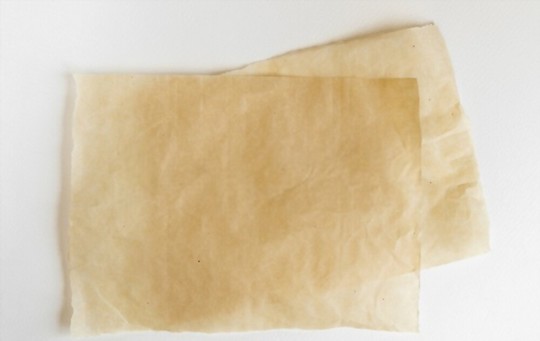
Wax paper is an interesting material with a multitude of practical uses.
Particularly nifty for baking, wax paper can be used to keep food items from sticking to metal trays or sheets by lining the surfaces with it.
One can use wax paper in ovens at temperatures as high as 420 degrees Fahrenheit, making its benefits far-reaching.
Coincidentally, you can also substitute wax paper for aluminum foil.
As long as you're using it for something that does not need to go in the oven-like wrapping sandwiches and other perishable items-it will serve your needs just fine.
Want more ideas? Check out these waxing paper substitutes - or explore paraffin wax substitute options for similar uses.
4 - Cedar Wraps (for grilling)
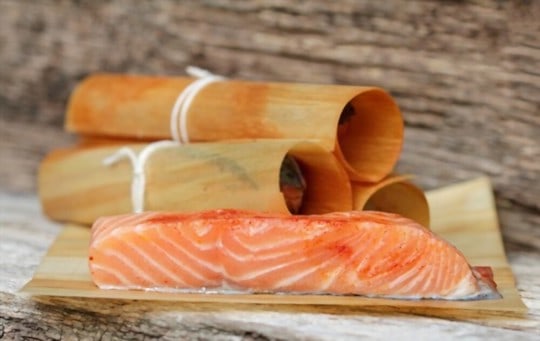
Cedar wraps for grilling may sound like an exotic foreign ingredient, but it's actually quite simple.
These wraps are just thin sheets of wood made from cedar, juniper, alder, cherry, and other tree barks that have been harvested in a controlled fashion.
Native Americans used them to trap steam while cooking fish and meat over open flame pits centuries ago during their subsistence fishing practices.
But they continue to be used today as an eco-friendly substitute for aluminum foil when grilling on barbecue pits or in indoor ovens.
Cedar wraps tend to improve the flavor of food by infusing delicate smoky notes without changing the overall taste; the key lies in folding the wrap carefully so that it traps the heat inside while quickly spiraling up those aromatic flavors.
All in all, cedar wraps are a great alternative to traditional aluminum foil and help you enjoy your food with enhanced taste and environmentally friendly methods.
Cedar-plank or wrapped fish pairs best with certain sides; cedar plank salmon side dishes suggests seven complementary accompaniments.
5 - Beeswax Food Wraps
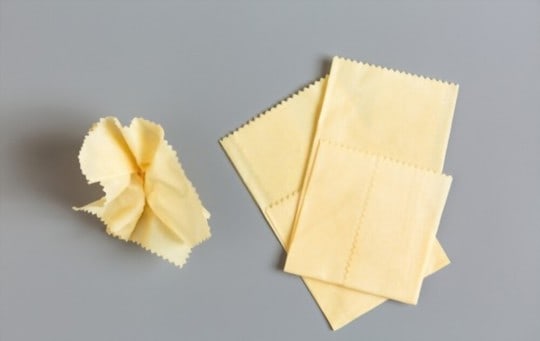
Have you ever considered the environmental impacts of reaching for aluminum when wrapping food? Beeswax Food Wraps are a wonderful alternative that not only helps our planet but also eliminates the unnatural chemicals and potential health hazards of plastic wraps.
Constructed from natural cotton, beeswax, tree resin, and jojoba oil, these reusable covers work by creating a breathable yet protective barrier against air or moisture.
As an added bonus, their malleability allows them to fit comfortably over containers of all shapes and sizes.
An easy way to substitute aluminum foil is to opt for this beeswax right away; all that needs to be done is to warm up the wrap with your hands before pressing it down onto different food objects.
Frequently Asked Questions
Parchment Paper, Silicone Baking Sheets, Wax Paper, Cedar Wraps (for grilling), and Beeswax Food Wraps. Use it at a 1:1 ratio in any recipe that calls for Aluminium Foil.
Absolutely. Parchment Paper is the closest swap.
Silicone Baking Sheets also works in a pinch. Match the original amount and tweak from there.
Can this substitute be used in baking as well as cooking?
Some work in both, but baking is less forgiving.
Substitutes that alter fat content, sweetness, or moisture can shift the structure of baked goods.
Test with a small batch first.
Frozen substitutes sometimes change texture after thawing. This matters more in raw applications like salads than in cooked dishes where texture is softened by heat anyway.