
You can use a silicone mat for cookies, foil for roasting and a greased, floured pan for cakes, but wax paper stays out of the oven unless batter covers it.
- Wax paper melts in direct oven heat, Reynolds says, and its parchment is rated to 425°F.
- Silpat's full-size mat is rated to 428°F, but brands differ.
- Parchment is the better pick for acidic dishes like tomato sauce.
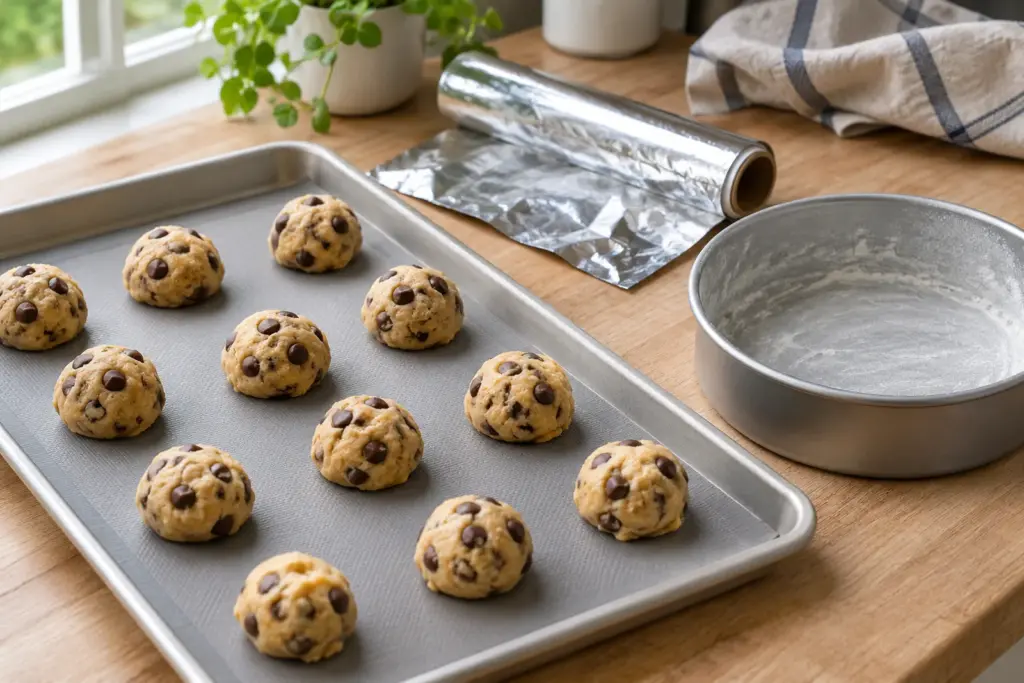
Parchment paper is paper coated with food-safe silicone, which makes it nonstick and safe in the oven up to 425°F, according to Reynolds. Which parchment substitute works depends on the job you need done, whether that is cookies, roasted vegetables, a cake pan, a packet of fish or a pizza.
Can You Use Wax Paper Instead of Parchment Paper?
No, you cannot use it on a cookie sheet or an open pan. Reynolds, which makes both papers, says wax paper cannot withstand high temperatures and will melt if it is exposed to excessive heat, so it has no place in the oven where heat reaches it directly.
Wax paper is still useful for jobs that never see an oven:
- Pie crust and sugar cookie dough roll out between two sheets without sticking to the counter or pin.
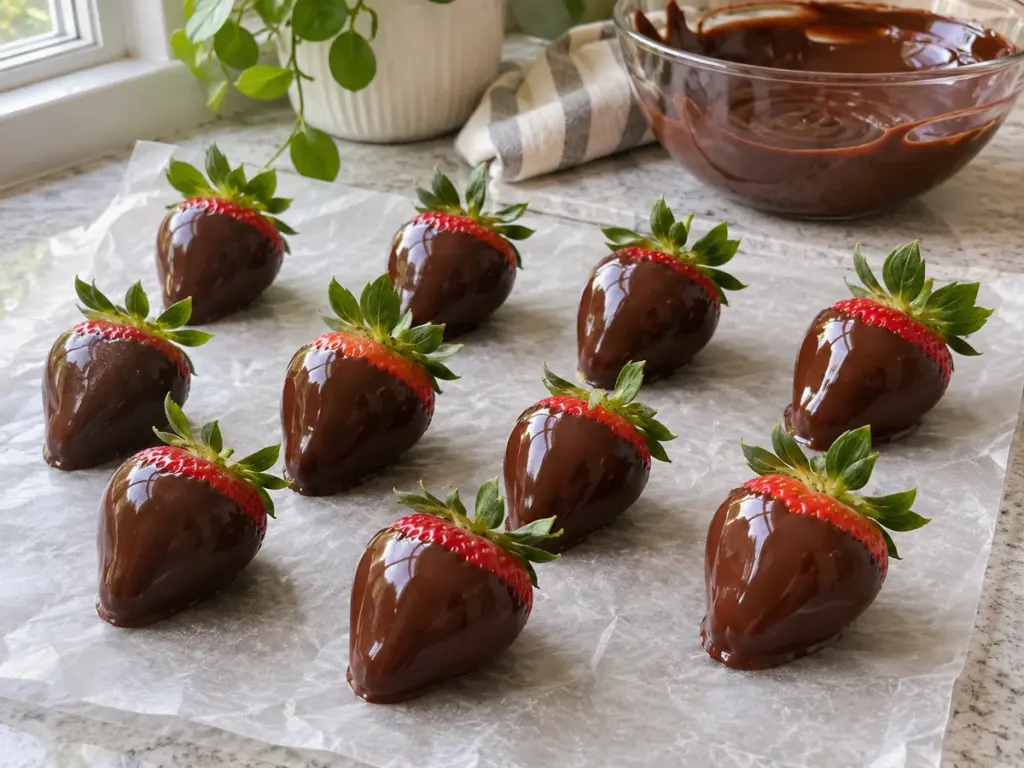
- You can set dipped candy on a sheet at room temperature while chocolate-covered strawberries, pretzels and cookies firm up.
- The counter stays clean under a sheet, since Reynolds describes wax paper as a protective layer between food and surfaces, as when you decorate cookies and cupcakes.
- A sheet between layers keeps patties and cookies from sticking, though Reynolds says parchment or freezer paper holds up better in the freezer.
What Does Parchment Paper Do in a Recipe?
Parchment does three things at once: it releases food without sticking, it holds up to oven heat, and it keeps the pan clean. Reynolds sets limits on its parchment too, so you keep it away from open flames, the oven walls, broilers and toaster ovens.
Each recipe leans on one of those jobs more than the others: cookies and cakes need a clean release, roasted vegetables need crisp edges, a fish packet needs a tight seal that holds in steam, and a pizza needs a surface that survives very high heat.
What Are the Best Substitutes for Parchment Paper?
| Job | Best swap | Main catch |
|---|---|---|
| Cookies | Silicone mat | Heat rating varies |
| Roasting | Aluminum foil | Parchment suits tomato dishes |
| Cakes | Greased, floured pan | Corners need coating |
| Fish packets | Foil packet | Foil timing applies |
| Pizza, bread | Stone and dusted peel | Dough must slide |
1. Silicone Baking Mat
A silicone mat is the closest match for cookies, because it gives you the same nonstick release and you can wash it and use it again. Silpat lists its full-size mat at -40°F to 428°F and says it needs no butter, grease, oil or spray.
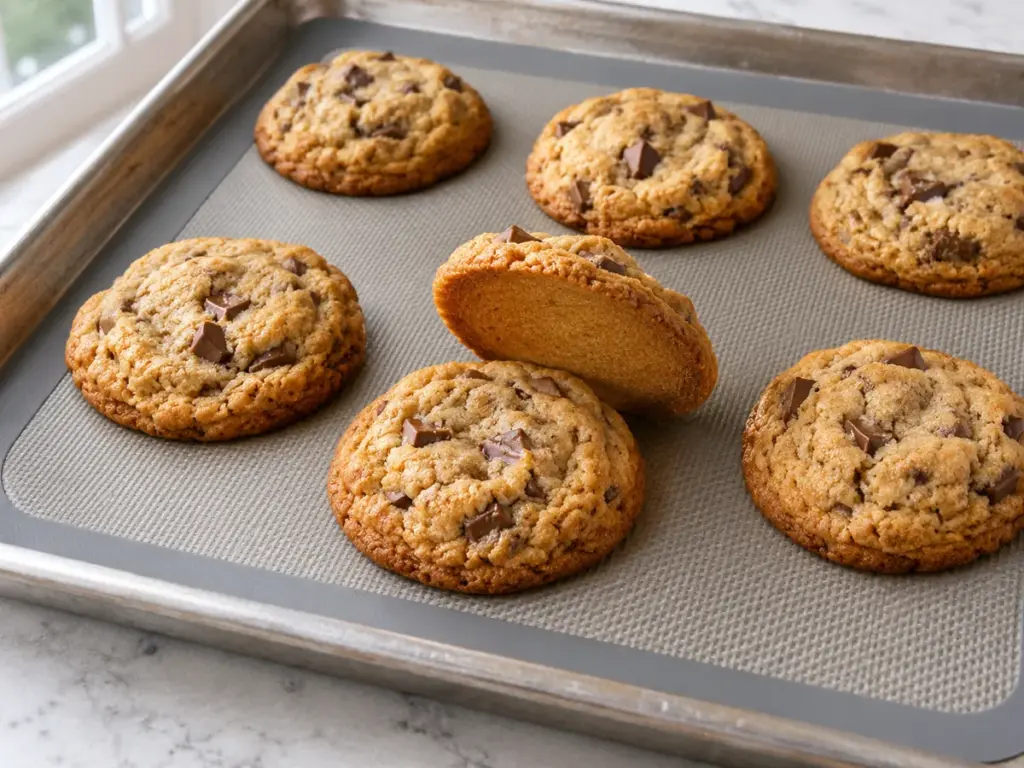
A recipe that bakes at 450°F is already above that rating, and ratings differ by brand and by mat, so you check the number printed on your own mat before you set the oven.
You also keep the mat out from under the broiler, since a broiler runs hotter than the printed oven ratings.
2. Aluminum Foil
Reynolds says foil withstands the highest temperatures in most home ovens, and it changes your result: parchment gives you softer, evenly roasted vegetables, while foil gives crispier ones and golden, crisp cookie bottoms. That crisp, browned edge suits sheet pan meals such as tofu and vegetable dinners.
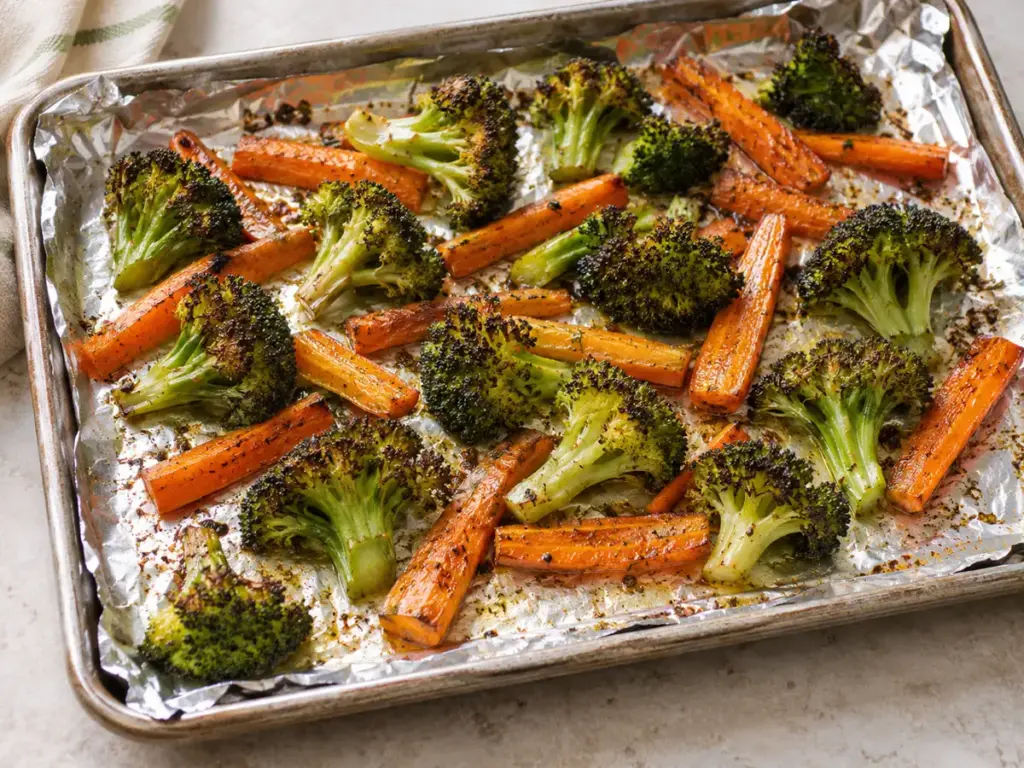
Foil has three limits:
- If you cook something cheesy on plain foil, it clings, so Reynolds makes a non-stick foil for it.
- Very acidic food changes taste on foil, so parchment is the better choice for tomato-based dishes and citrus, Reynolds says.
- The oven floor is off limits, because Reynolds warns that high heat can melt foil there and damage the oven.
For brownies and bars, you can make the foil sling America's Test Kitchen describes. You lay two sheets across each other in the pan, leave the ends hanging over the edges, and grease the foil before the batter goes in.
3. Greased and Floured Pan
King Arthur says that for the best release you grease the pan, line it with parchment, and grease again, so a cake pan without parchment relies on grease and flour alone.
When you grease the pan instead, Taste of Home's four steps give you an even coat:
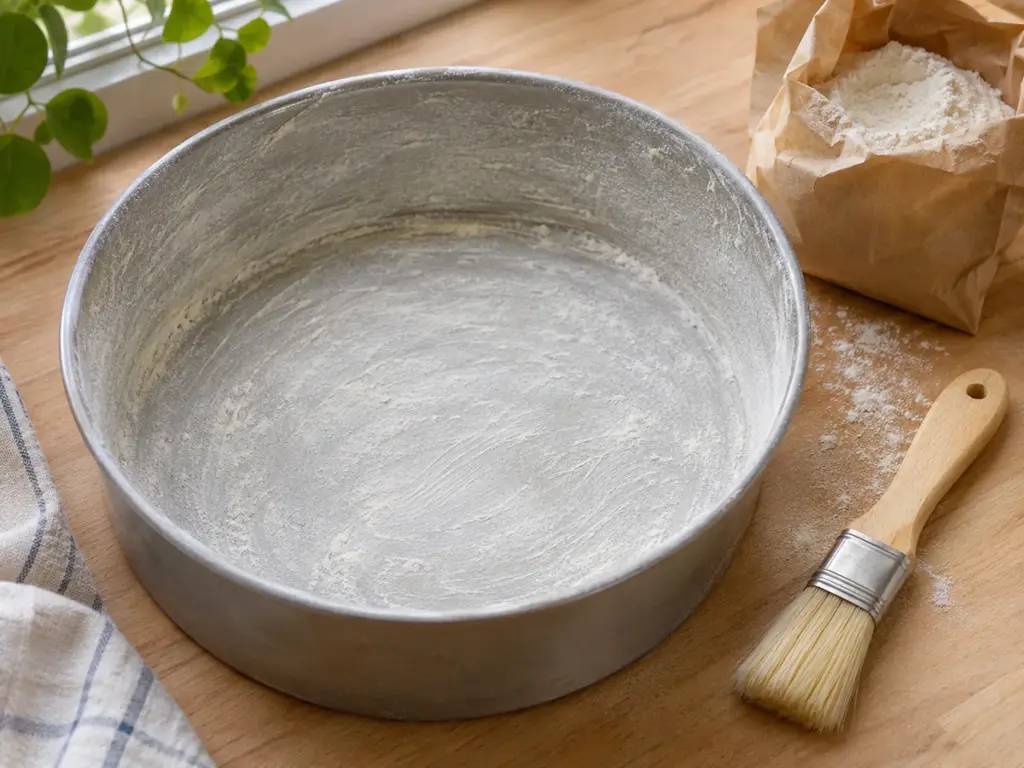
- Grease every surface with shortening on a paper towel, corners included.
- Add a spoonful of flour and dust it over the pan.
- Tap and rotate until the flour forms a thin, even coat.
- Tap out the extra flour over the sink.
For a chocolate cake, you can dust the pan with cocoa instead of flour, so no white film shows. If you have no cooking spray, Taste of Home suggests shortening for the grease.
On a fluted Bundt pan, King Arthur says to grease thoroughly and dust lightly with flour or use a flour-based pan spray.
4. Foil Packets for En Papillote
En papillote means cooking food in a sealed packet, and parchment is the classic wrapper. Reynolds says parchment packets bake at 425°F or lower.
Foil needs more heat, since foil packet meals typically cook at 450°F to get the oven heat through the foil, so you follow the time a foil packet recipe gives.
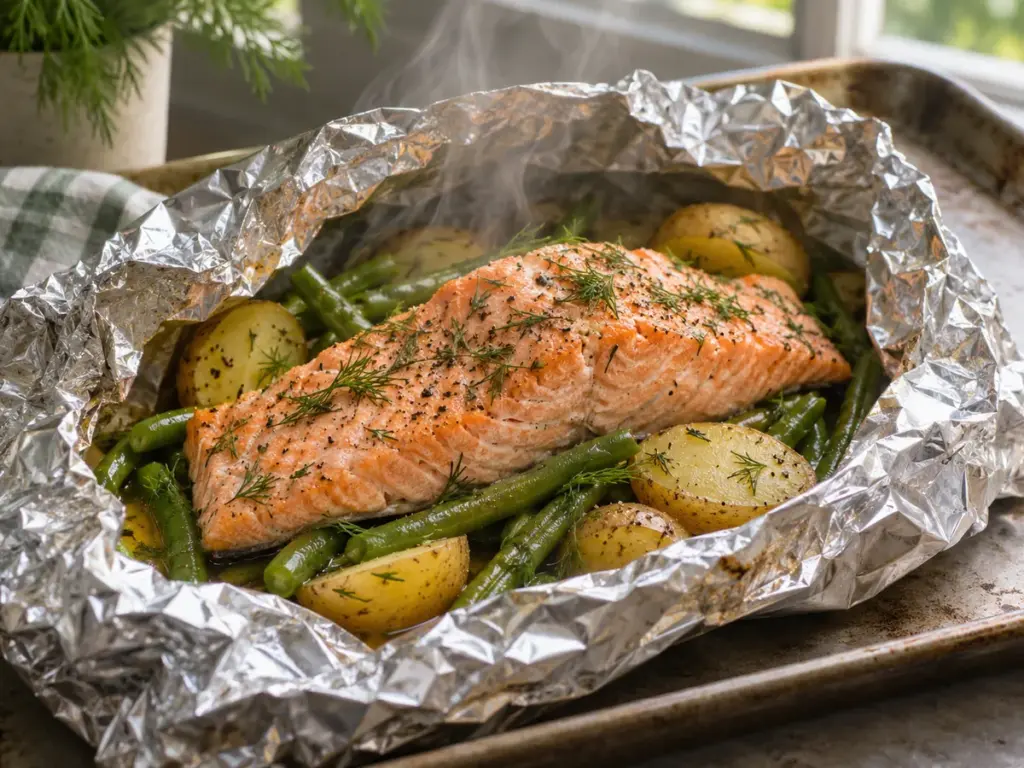
A tight crimp on the edges and about an inch of room above the food let the steam circulate. The packet is done when the protein reaches its safe minimum internal temperature, which you check with a thermometer.
Foil suits herb-seasoned salmon, chicken, potatoes and green beans, while a fish packet with lemon or tomato stays in parchment, which Reynolds calls the better pick for acidic ingredients.
5. Baking Stone With a Dusted Peel
Pizza and free-form bread bake hotter than most paper is rated for. King Arthur says parchment's maximum rating is below 500°F, its exposed edges begin to char between 450°F and 500°F, and it is better skipped at very high temperatures.
A preheated stone or steel takes its place, and you slide the dough onto it from a peel.
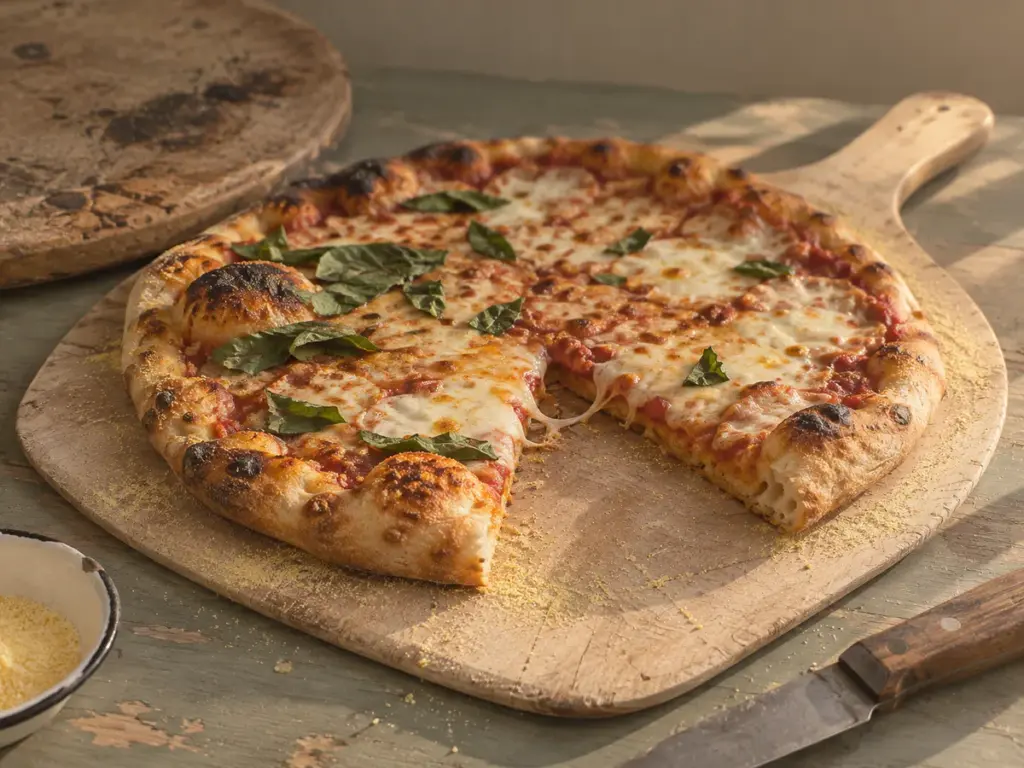
King Arthur says either semolina or cornmeal works on the peel, and its author picks semolina because it does not burn as easily and the finer grind means you need less of it.
A wooden peel is the same blog's pick, since the coarse grain holds flour and resists sticking, and that matters because the dough has to slide onto the stone in one piece.
What Should You Never Use Instead of Parchment Paper?
Some stand-ins look close to parchment and fail once you put them in the oven. Reynolds says freezer paper is not oven safe and wax paper melts when it is left exposed, so neither belongs on a baking sheet.
- A mat is fine up to the rating on your mat
- Foil handles roasting and cookies
- A cake pan needs only grease and flour
- A foil packet seals the food in
- Wax paper on an open pan melts
- Freezer paper is not oven safe
- Foil on the oven floor can melt
- A mat does not belong under the broiler
Can You Use These Swaps in an Air Fryer?
Reynolds rates its air fryer liners to 400°F, so 400°F is the ceiling for any paper liner in your basket. Wax paper stays out, because the food does not cover it and it melts.
A perforated silicone liner is the reusable choice, while foil depends on the model, so your air fryer's manual has the final word on it.
Sources
- Reynolds: Wax Paper vs. Parchment Paper
- Reynolds: Tips for Baking with Parchment Paper
- Reynolds: Parchment Paper vs. Aluminum Foil
- Reynolds: The Ultimate Aluminum Foil and Cooking Papers Guide
- Reynolds: Cooking with Aluminum Foil
- Reynolds: How to Make Parchment Paper Packets
- Reynolds: How to Use Air Fryer Liners
- Silpat US: Full Size Baking Mat
- King Arthur Baking: Cake Guide
- King Arthur Baking: The Stress-Free Way to Load Your Pizza in the Oven
- America's Test Kitchen: Making a Foil Sling
- Taste of Home: How to Grease a Bundt Pan

Food writer at GustoMeadow. Writes ingredient substitutes, food comparisons, taste guides and storage guides for home cooks.
Storage and food-safety numbers follow USDA, FDA and university extension guidance.



