
Thickening sauces and soups can feel like a chef's secret skill.
And if you're steering clear of gluten, that skill seems even more like a kitchen magic trick.
We've got the gluten-free guide to making that magic happen.
No need for traditional flour. Turns out, a bunch of alternatives can create that perfect thickness without the gluten.
We're talking cornstarch, arrowroot, and even pureed veggies.
Ever used mashed potatoes to thicken your stew? Or maybe blended some beans for a creamy soup?
That's the kind of simple, everyday genius we're here to share.
Stick with us and you'll be thickening like a pro in no time, no gluten needed.
Can You Make Roux without Flour?
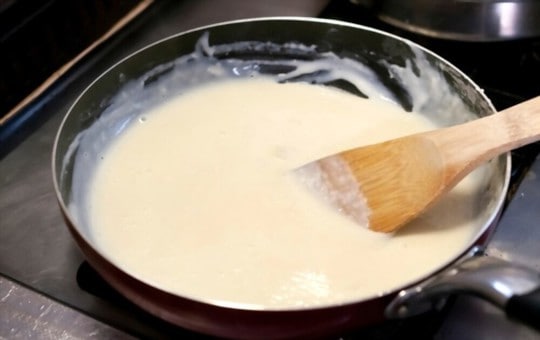
It is often assumed that a roux must include flour in its ingredients, but in actuality, you can create a richly flavored and textured roux without flour.
Roux, which is a combination of fat and starch, forms the basis of many sauces, such as bechamel and etouffée.
It's interesting to note that while pure flour was the original form of the starch used to make these amazing sauces, it is possible to substitute other starches like cornstarch or arrowroot with excellent results.
The trick behind making a delicious roux sans flour is all about finding the right balance of fat and starch so that taste and texture are both palatable; underdone roux is usually gritty and greasy, while overdone versions become clumpy and dense.
With practice, anyone can master this technique for producing flavorful sauces without depending on one particular ingredient.
The 5 Best Substitutes for Flour to Make Roux
If you are looking for a gluten-free, low-carb alternative to flour, then you've come to the right place.
Making a roux is an essential cooking skill that can be used in many dishes and sauces; however, traditional recipes call for white flour as the main ingredient.
Thankfully, there are some great alternatives that provide excellent results and are much healthier for you.
Here are the five best substitutes for flour to make a roux.
1 - Tapioca Flour
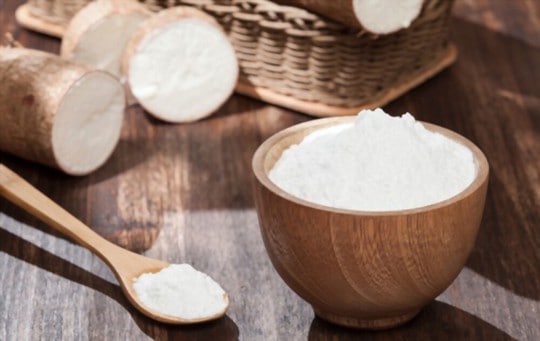
Tapioca flour has rightfully earned its place in the pantry of any serious home cook or baker.
This naturally gluten-free flour is derived from cassava root and is increasingly versatile, as it can be used in so many creative culinary innovations.
Tapioca flour has a creamy white color and mild taste, which lends itself to subtle flavor enhancements while allowing other ingredients to shine, like spices, herbs, and sautéed vegetables.
As a thickener, it has a distinct texture giving your preparations an unusual body that makes it a very pleasant experience for the palette.
When used as a roux base for sauces or soups, the cornstarch equivalent would be four tablespoons of tapioca flour combined with six tablespoons of water fully incorporated until completely smooth and free of lumps.
If you are looking for something hip yet incredibly tasty on your next dinner menu, tapioca flour could very well make all the difference.
2 - Arrowroot Flour
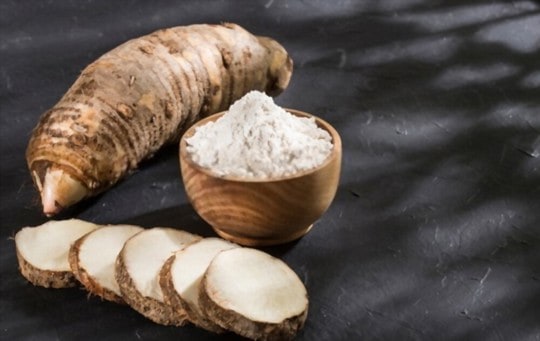
Arrowroot flour is the perfect solution for your gluten-free baking needs.
Derived from the arrowroot plant, this flour adds a unique natural sweetness to baked goods.
It has a waxy texture and a taste that is difficult to describe - but it can be likened to something between cornstarch and potatoes.
Its neutral flavor also makes it perfect for many sauces and stews; it can easily substitute wheat flour when creating a roux.
When used in baking, keep in mind that there will be no gluten development, so you may need to experiment with adding other flours or xanthan gum to get the right consistency and texture.
Get creative with arrowroot flour and expand the possibilities of deliciousness.
3 - Potato Starch
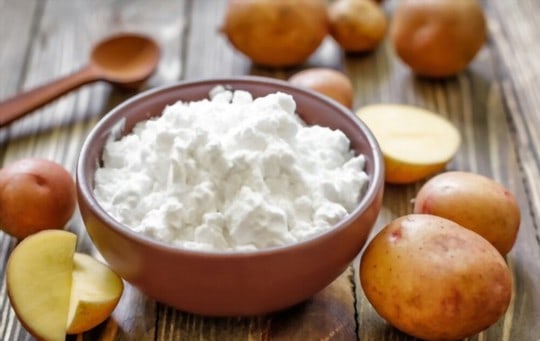
Potato starch may sound like a rather obscure ingredient, but it is extremely versatile and can be used in a range of applications.
Both is it gluten-free, but its neutral taste and smooth texture make it perfect for use in cooking - whether thickening sauces, making baked treats, or adding crispness to fried foods.
Perhaps one of the most notable uses of potato starch is when substituting it for flour when making a roux.
Roux is a French culinary staple that blends equal parts fat and flour to thicken sauces and dishes; when compared to other starches, such as cornstarch, potato starch roux offers a better flavor and improved texture.
So next time you go shopping for ingredients, don't forget about this unique starched product - your dishs will thank you for it.
4 - Buckwheat Starch
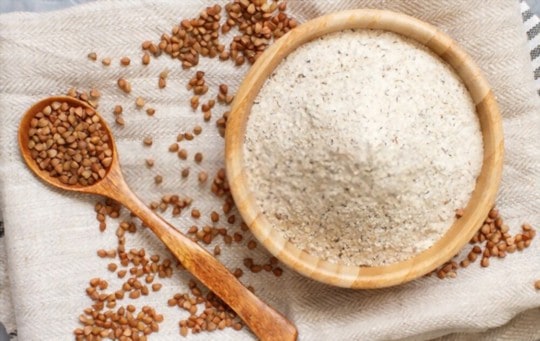
Buckwheat starch is an intriguing ingredient, often used as a thickener in gravy and sauce recipes.
Unlike flour, which is derived from wheat, buckwheat starch is produced from hulled buckwheat seeds.
It has a nutty flavor and lends a creamy yet crunchy texture to food when cooked correctly.
For those looking to substitute flour for making a roux-based sauce or gravy, buckwheat starch should be the first choice.
When mixing equal parts of the starch with butter helps create an even consistency that will give you that velvet-like texture desired in some gravies and sauces recipes.
5 - Ground Flaxseeds

Ground flaxseeds can be a bewildering ingredient to find in the kitchen.
But there are many benefits to adding this powerful dietary supplement to your diet.
A single tablespoon has 2g of dietary fiber and 1.
28g of protein - making it a significant source of essential nutrients.
Plus, these tiny crunchy morsels add a pleasant nutty flavor and slightly crunchy texture to whichever dish they are added to.
If you're watching your carb intake, the great news is that you can use ground flaxseeds in place of regular flour for cooking - like thickening sauces or making a roux - as a healthier substitute.
Frequently Asked Questions
The guide covers practical alternatives and substitution tips for common kitchen ingredients. Use it to find options that fit your recipe without a special shopping trip.
Texture can change, especially in baked goods. Substitutes with different fat, moisture, or starch content may produce a slightly different result.
Sometimes. Blending two partial substitutes - one for flavor and one for texture - gets closer to the original.
This works best when neither alone fully replicates what you need.
Not always. Some substitutes are processed or have a strong raw flavor that disappears with heat.
Check whether the original is typically used raw before assuming the substitute will work the same way.