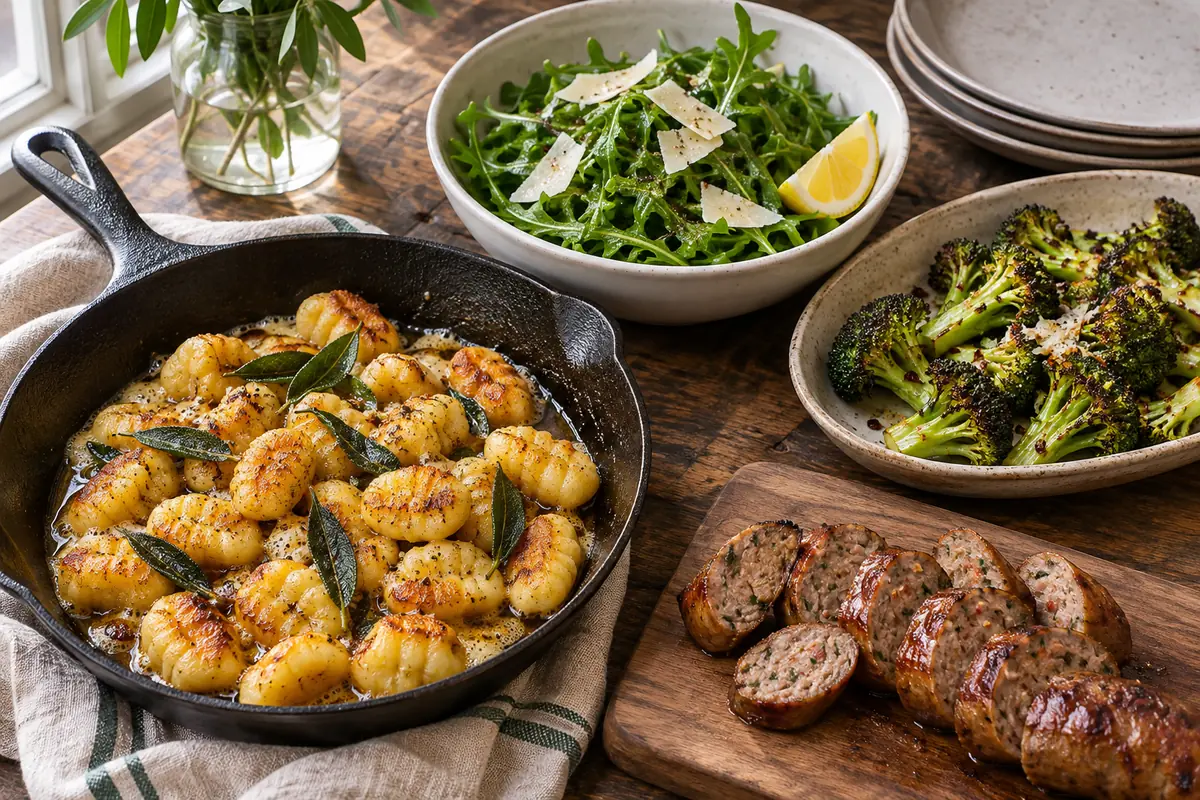
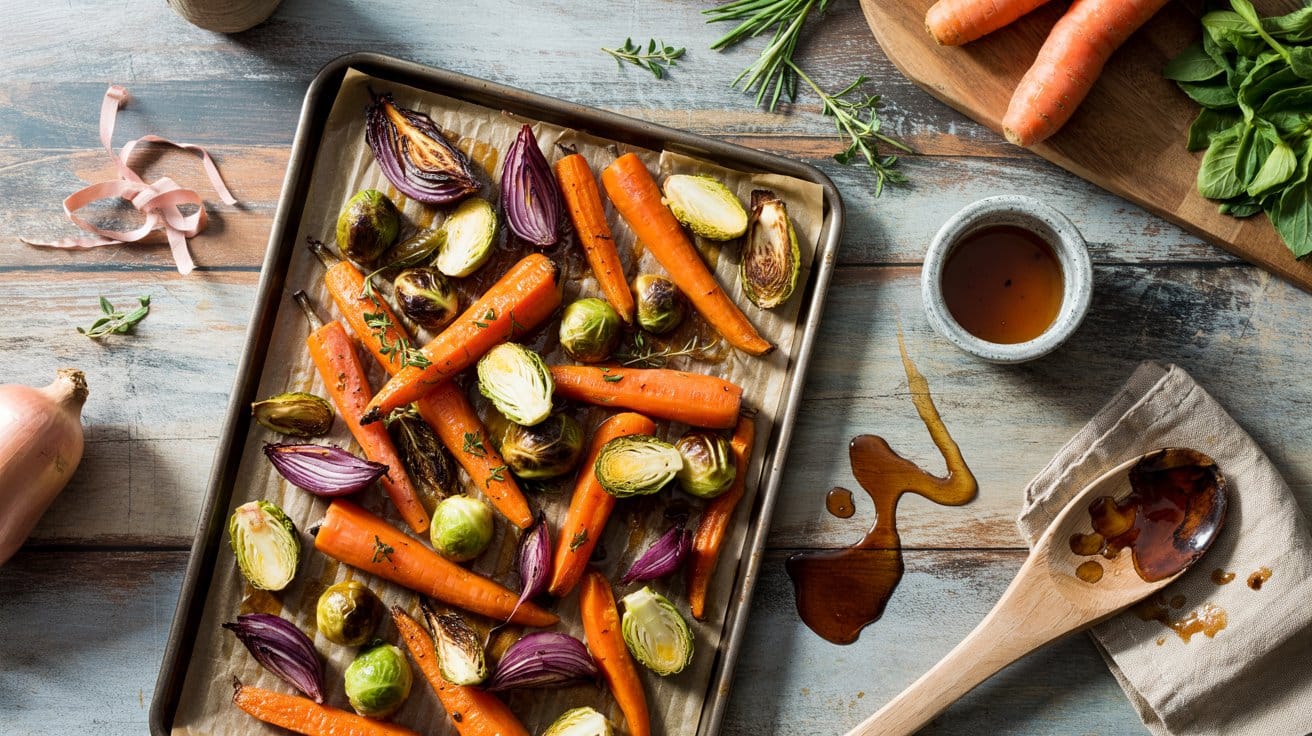
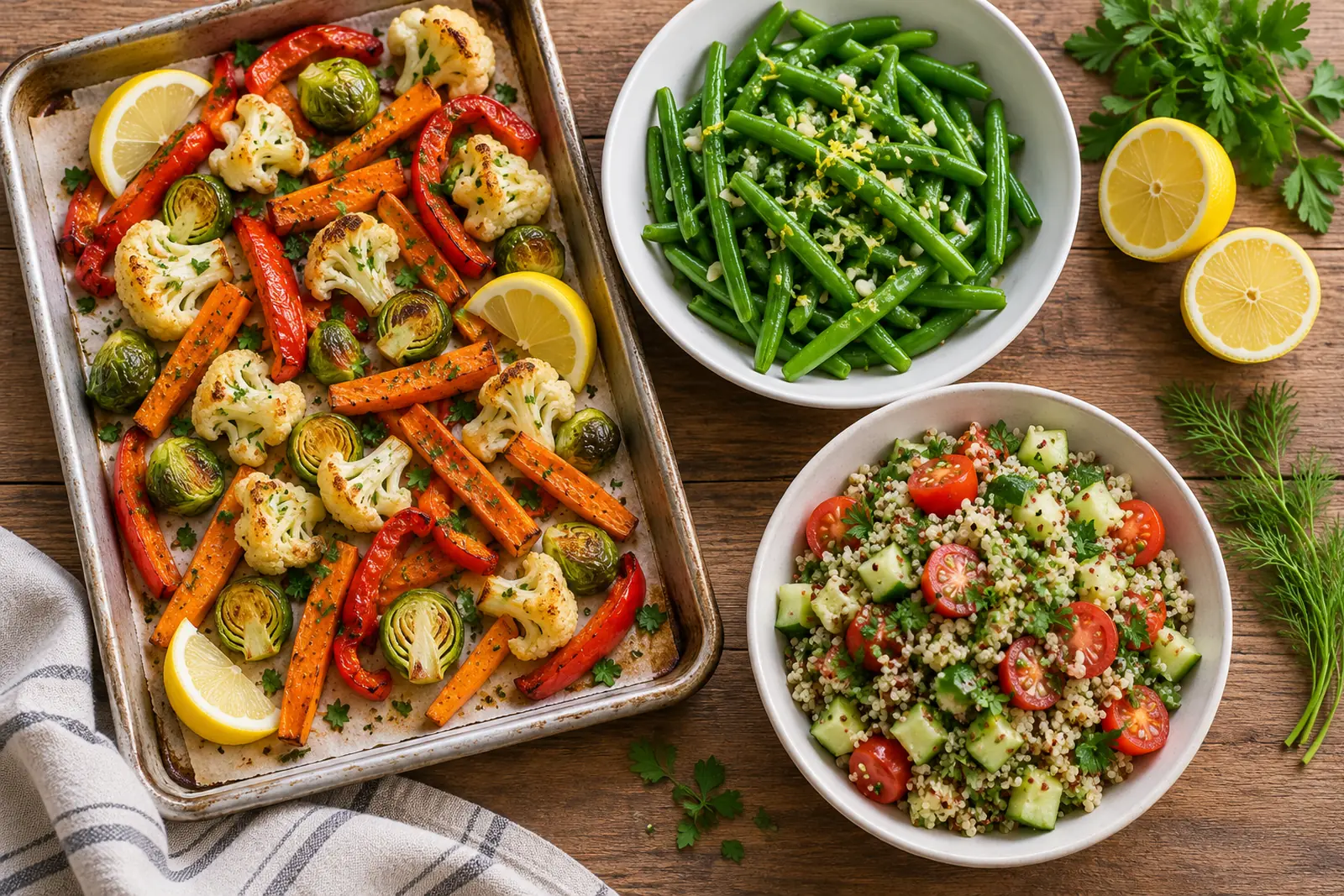
Shoyu chicken is served Hawaii plate-lunch style, with steamed white rice and Hawaiian mac salad.
- A crisp, fresh side such as cucumber salad or sautéed bok choy rounds out the plate.
- The chicken is salty, sweet and soft, so the sides that fit best are plain, creamy or crunchy and carry little or no extra soy sauce.
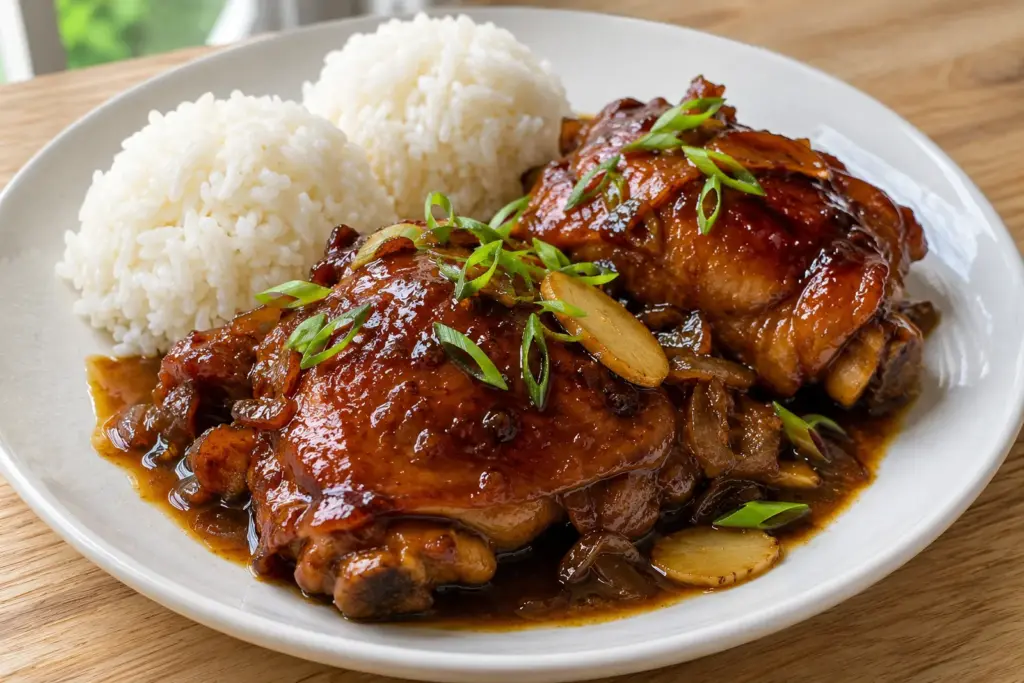
Shoyu chicken is a Hawaii local-food favorite of chicken thighs braised in shoyu, sugar, garlic and ginger, and "shoyu" is the Japanese word for soy sauce.
Almost any mild side dish works next to it, as long as it gives you something the soft, saucy chicken lacks.
What Goes Well with Shoyu Chicken?
Because the thighs braise in shoyu and sugar, you end up with tender, salty-sweet chicken and plenty of sauce. The plate then needs starch to soak it up, crunch to match the soft meat, and a little acid or freshness to cut the sugar.
| What the Chicken Brings | What Your Plate Needs | Sides That Do It |
|---|---|---|
| A salty-sweet sauce that pools on the plate | Plain starch to soak it up | Steamed white rice, mac salad |
| Fall-apart, soft thigh meat | Crunch | Cucumber salad, coleslaw, stir fry |
| Garlic, ginger and sugar | Acid or freshness | Rice vinegar cucumbers, pineapple, bok choy |
How Does a Hawaii Plate Lunch Work?
Shoyu chicken comes from the plate lunch, which Hawaii.com traces to the plantation era, when workers needed a cheap, filling midday meal. A standard plate has three parts:
- Two scoops of white rice make up the base, each about the size of an ice-cream scoop.
- One scoop of macaroni salad adds a creamy, mayo-based side.
- One or two mains fill the rest, and shoyu chicken sits beside chicken katsu, teriyaki beef, kālua pork, mochiko chicken, laulau, loco moco and chili.
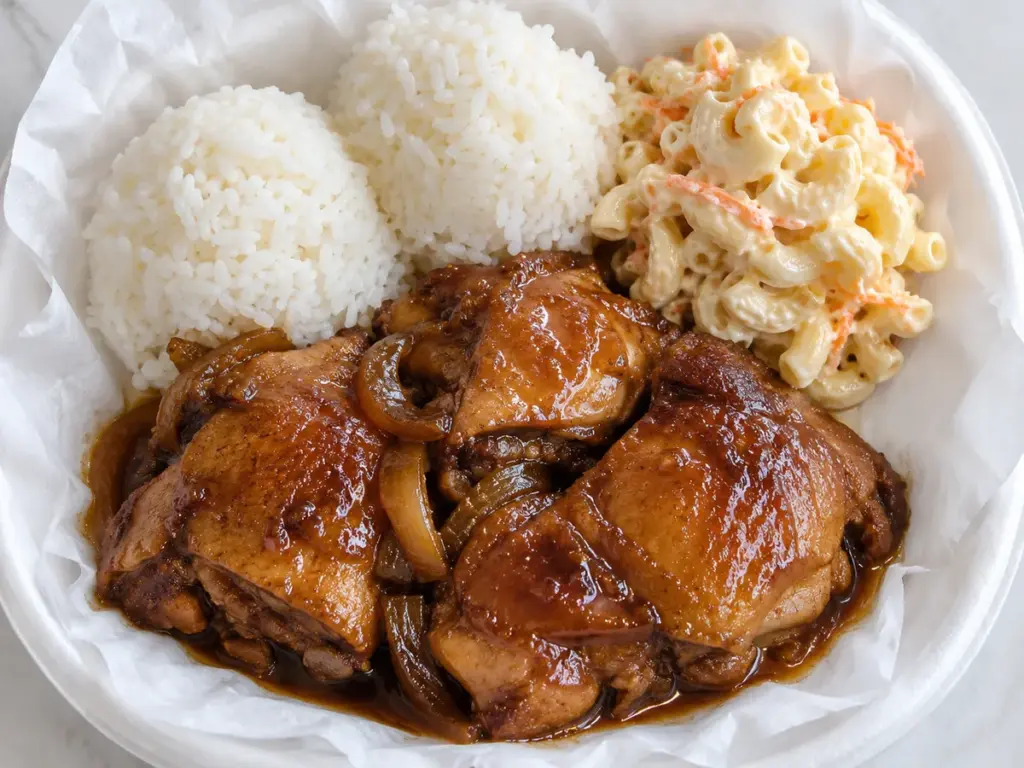
Some plate lunch spots add a small extra, such as Korean kimchi or tsukemono, Japanese pickled vegetables. Both bring the sourness and crunch that a cucumber salad or slaw gives you at home.
That standard plate has no vegetable at all, so at home you have room beside it for a crunchy salad, a green vegetable or a bright pickle.
10 BEST Side Dishes for Shoyu Chicken
1. Steamed White Rice
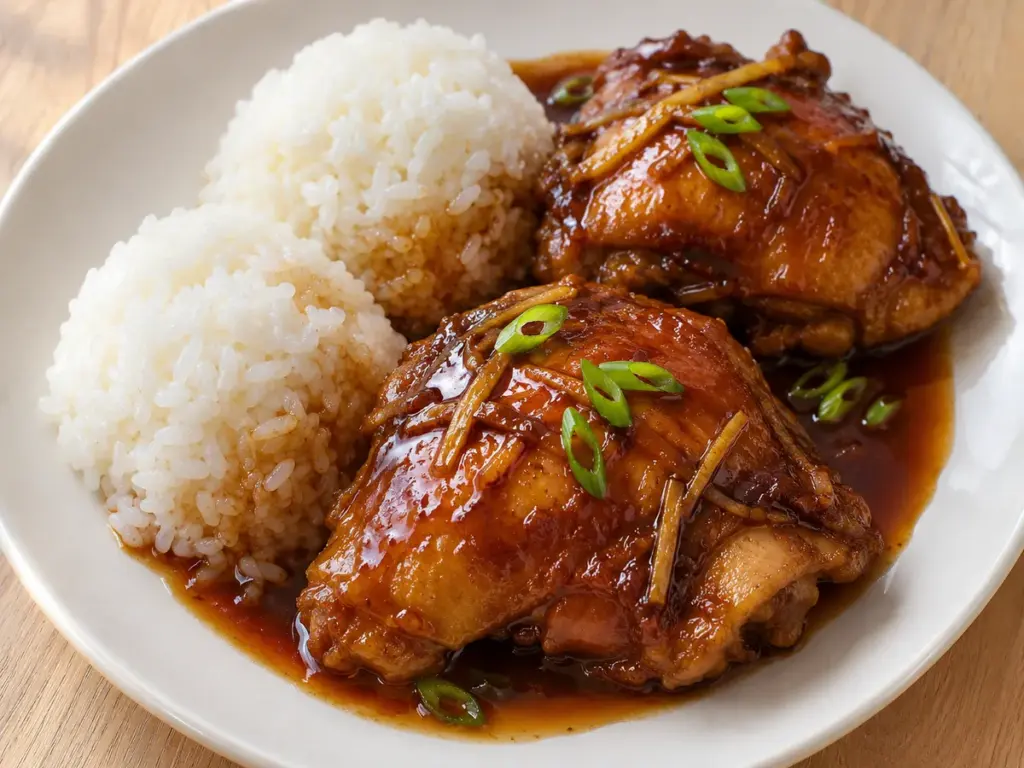
Rice is the one side we'd never skip, because it soaks up the sauce that would otherwise stay on the plate. Hawaii.com calls two ice-cream-scoop portions the standard, so plan on about two scoops per person.
USDA's Economic Research Service notes that U.S. long-grain rice cooks dry and separate, while medium- and short-grain rice cooks moister and stickier, so the shorter grains clump into soft scoops you can drag through the braise.
Either type works with the chicken, and you can leave the cooking water unsalted, since the sauce supplies the salt.
2. Hawaiian Mac Salad
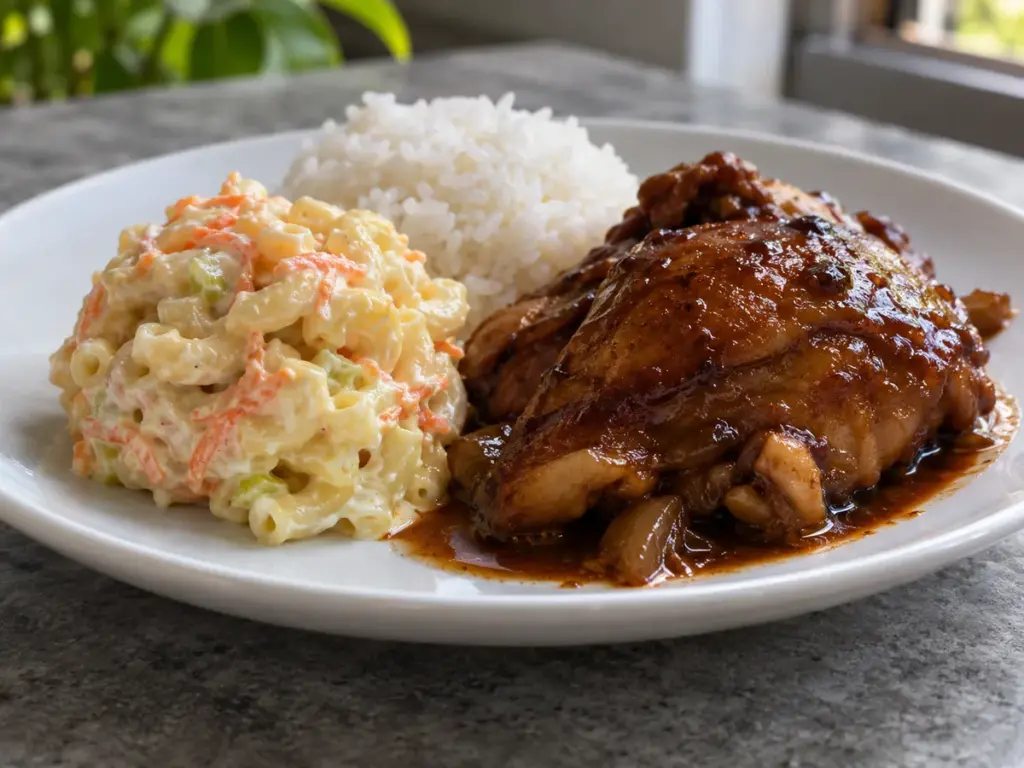
Mac salad is the other half of the standard plate, and its creamy mayo dressing calms the salty glaze on the chicken. Hawaii.com describes the plate lunch version with grated carrot and sometimes boiled potato.
- Pasta: one common home version cooks only the macaroni, and every other ingredient (carrots, celery, green and yellow onion) goes in raw.
- Dressing: that version whisks together mayo, dark brown sugar, salt, pepper, half and half and apple cider vinegar, which is why it tastes tangy and a little sweet.
- Chill time: the finished salad needs at least two hours in the fridge before you serve it, so the pasta soaks up the dressing.
If the dressing turns out too thick or too sweet, other macaroni salad dressings give you a lighter option.
3. Cucumber Salad
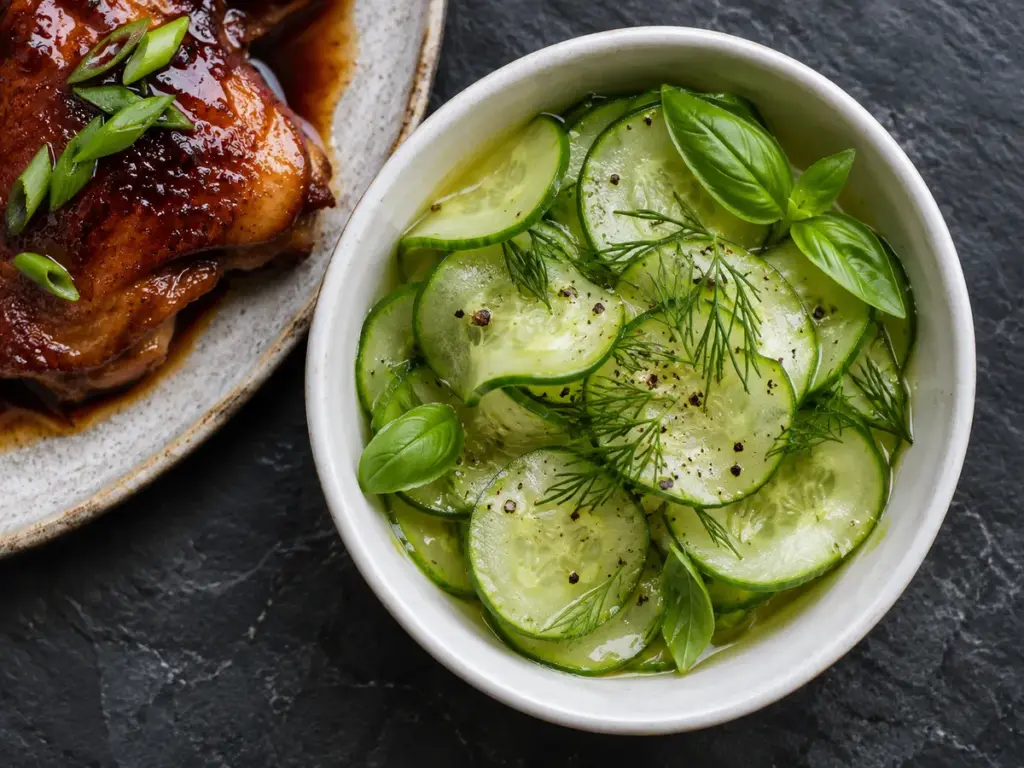
You cook nothing for cucumber salad, and it is the freshest answer to the sugar in the sauce.
You toss thin cucumber slices with salt, rice vinegar, pepper and a few fresh herbs such as basil or dill. If you are out of the vinegar, rice vinegar stand-ins keep the same mild tang.
Cucumbers hold a lot of water, so we'd salt the slices and let them drain before dressing them, or the dressing waters down and the salad goes limp on the plate. Since the slices are already salted, you need little or no salt in the dressing itself.
4. Coleslaw
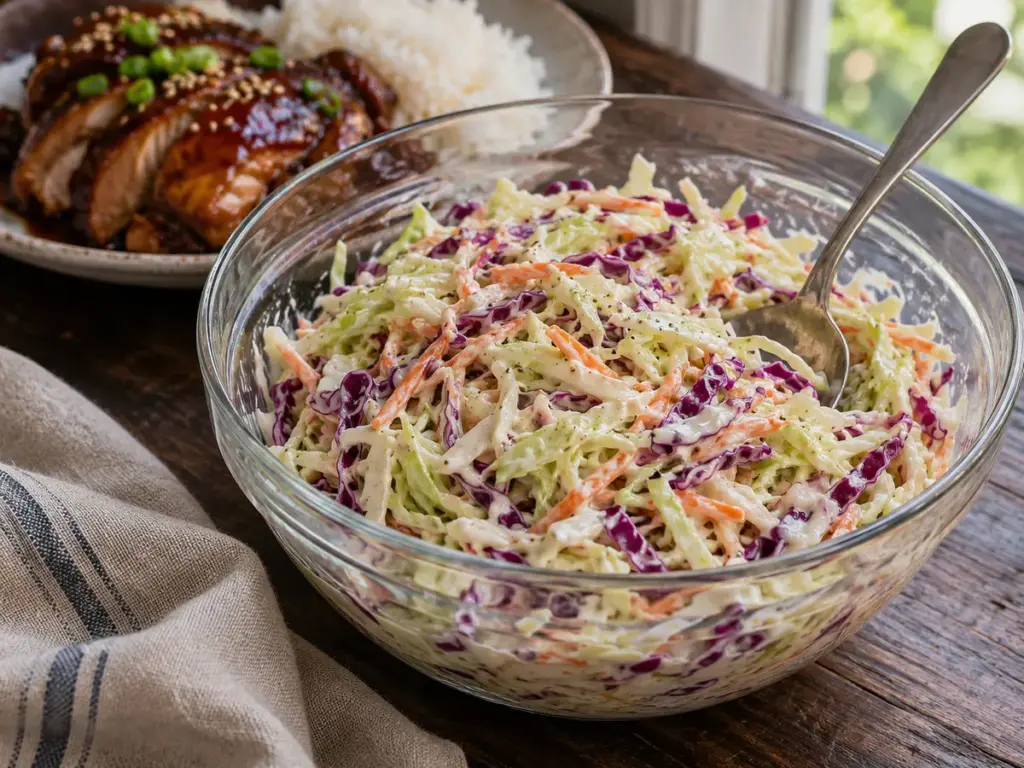
If you want cold crunch against hot, soft chicken, coleslaw delivers it in two styles: mayo-based or vinaigrette. A mayo dressing stands up to the garlic and ginger and gives the plate a creamy side when there is no mac salad.
When mac salad is already on the plate, you get more from a vinaigrette slaw, which adds crunch with an acidic edge instead of a second creamy scoop.
When you shop, pick a head of cabbage that feels heavy with tightly packed leaves and no soft spots, since soft spots usually mean spoilage.
5. Sautéed Bok Choy
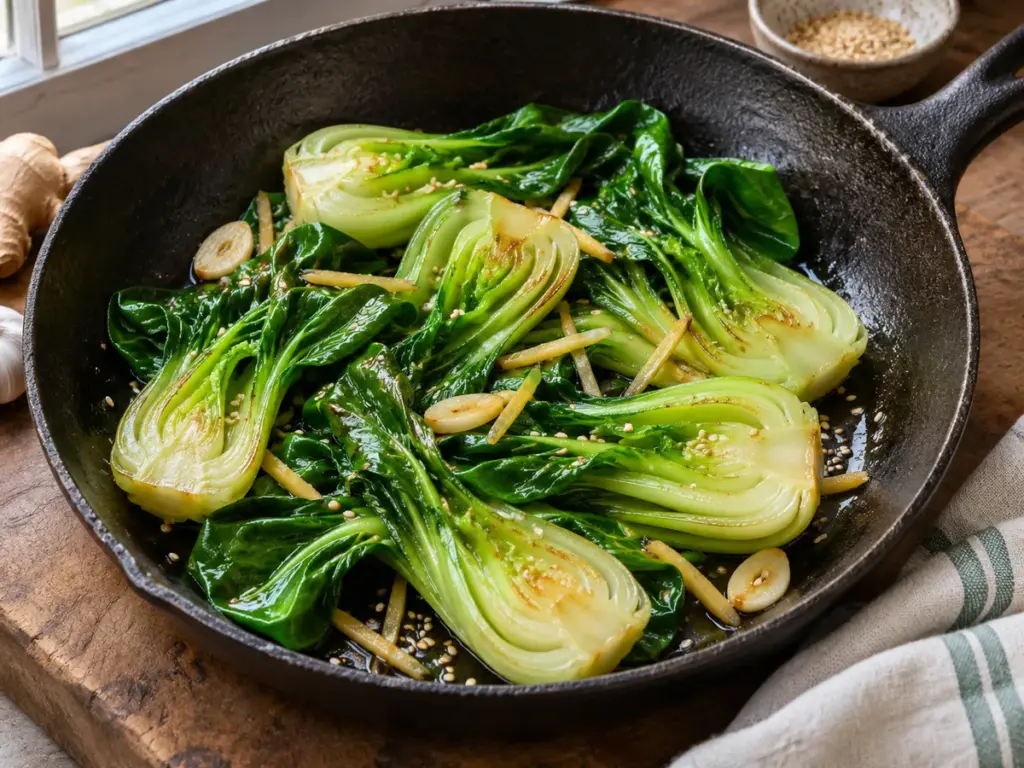
Bok choy belongs to the cabbage family and cooks in a few minutes, with leaves that wilt while the stalks stay juicy.
Garlic, ginger and a splash of sesame oil are enough, with a neutral oil such as safflower for the pan, since the chicken already carries the flavor. You add salt only if you taste that the vegetable needs it.
The thick white stalks take longer to soften, so you put them in the pan before the leaves.
6. Vegetable Stir Fry
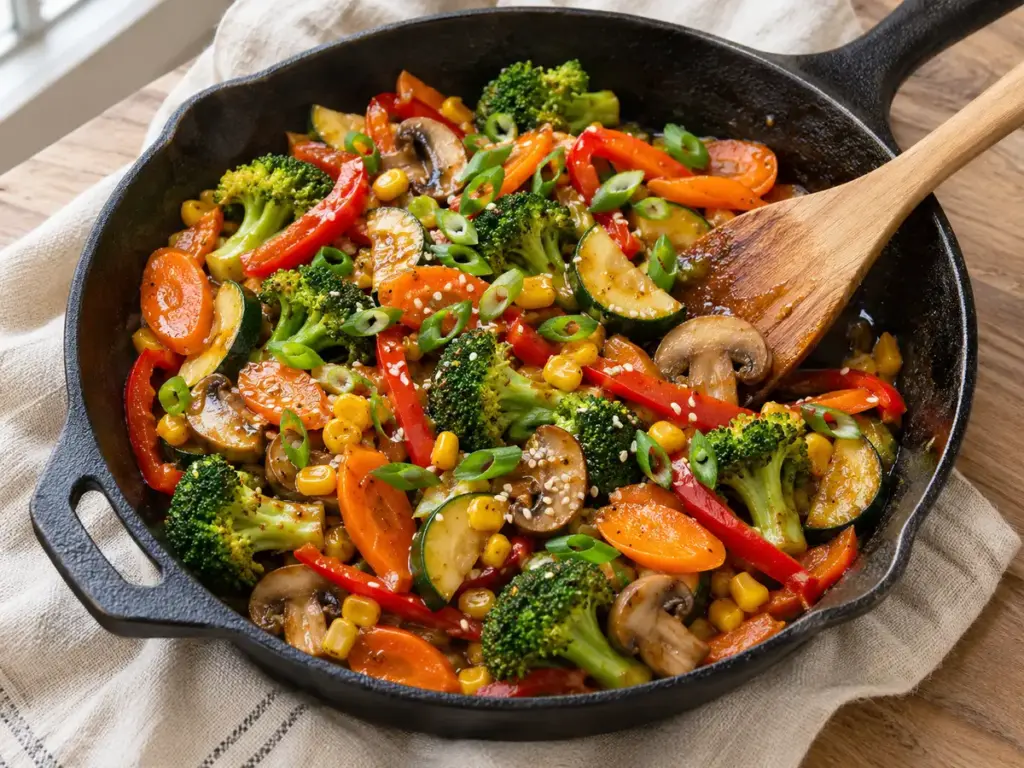
A stir fry lets you use whatever vegetables are in your fridge, so it works best when you want to clear out the crisper drawer.
You cook them in a little olive oil over high heat, and it helps to know which vegetables suit a stir fry if you want their cooking times to match.
- Sauce: soy sauce, brown sugar, sesame oil, chicken broth, cornstarch and garlic make the base, but you want a light hand with the soy sauce because the chicken is already salty.
- Final touch: you take the pan off the heat once the vegetables are tender but still crisp, and green onions and sesame seeds go on top.
7. Grilled Mushrooms
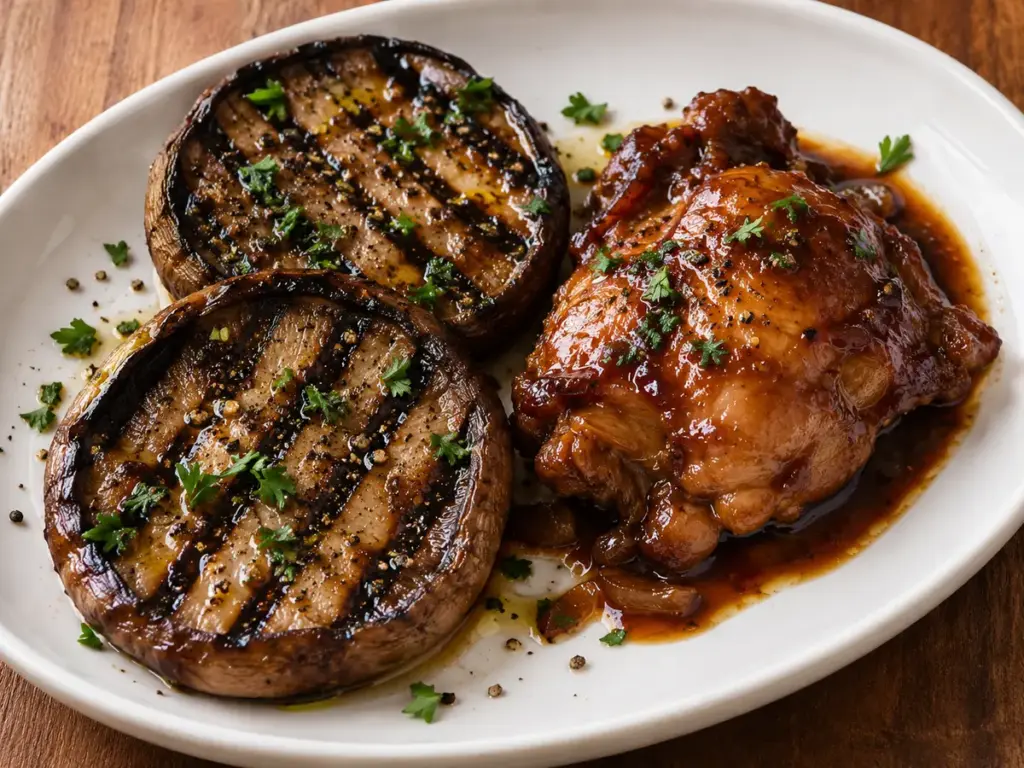
Beside soy sauce, mushrooms bring an earthy, meaty taste without feeling heavy. We'd pick portobellos for the grill, since their wide caps sit on the grate, while smaller button mushrooms can slip through.
You can brush them with olive oil, salt, pepper and balsamic vinegar, and you need only a drop of tamari or soy sauce, since the sauce on the chicken supplies the salt. The caps soak up the balsamic as they cook, so they come off the grill dark and glossy.
8. Buttered Corn
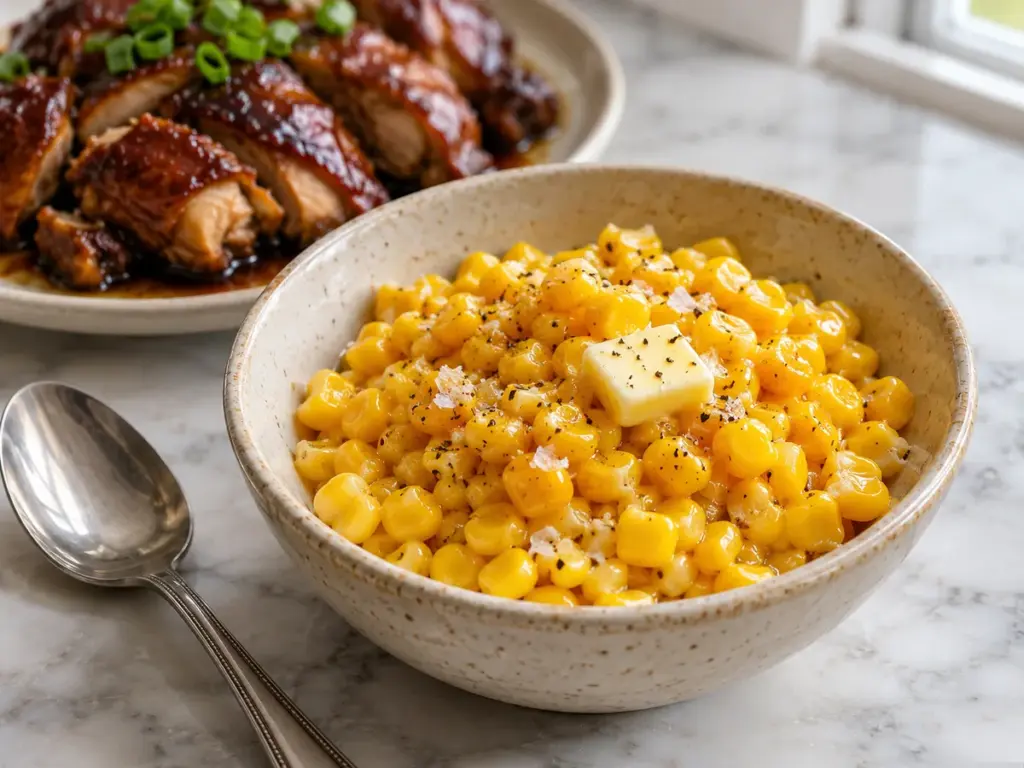
Buttered corn brings plain sweetness and richness that offset the savory glaze, and it needs only corn, milk, butter, salt and pepper.
Fresh kernels give you the juiciest, sweetest result, and frozen kernels are the next best thing when fresh corn is out of season.
The sauce on the chicken seasons the whole plate, so you can taste the corn before you add any salt.
9. Grilled Pineapple
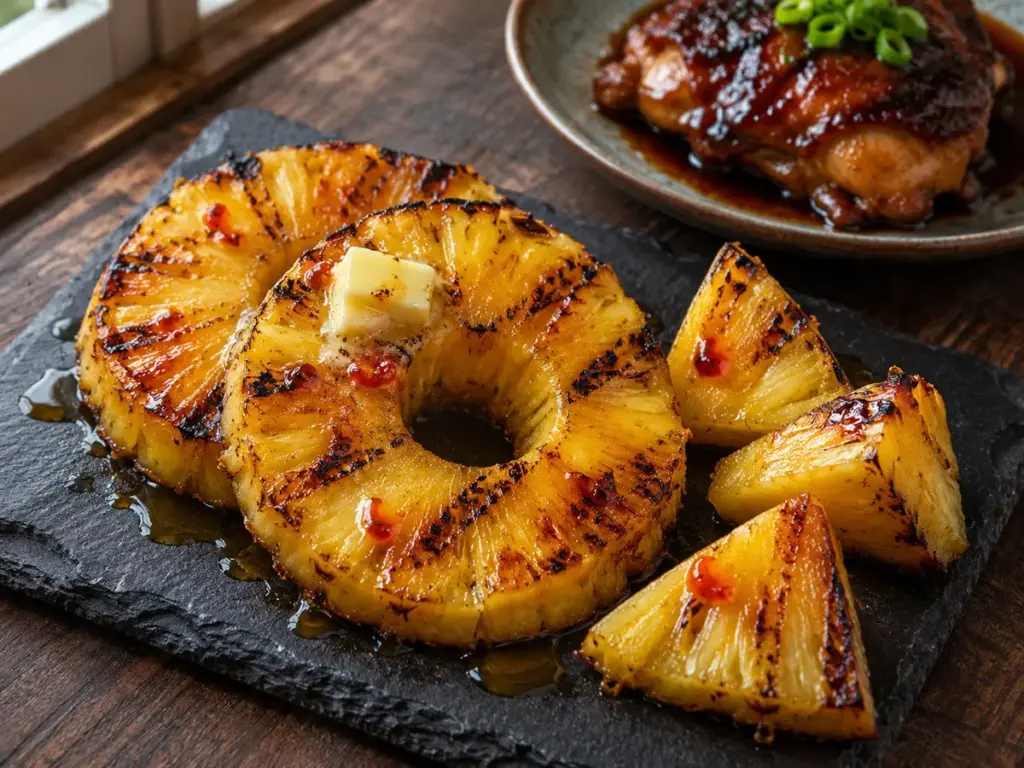
We like pineapple beside a sweet soy braise, and grilling gives it a slight char and a smoky aroma.
You can toss the pineapple with a little honey, melted butter, salt and a few drops of hot pepper sauce before it goes on the grill. The braise is already sweet, so a little honey is enough.
10. Spicy Sesame Zoodles
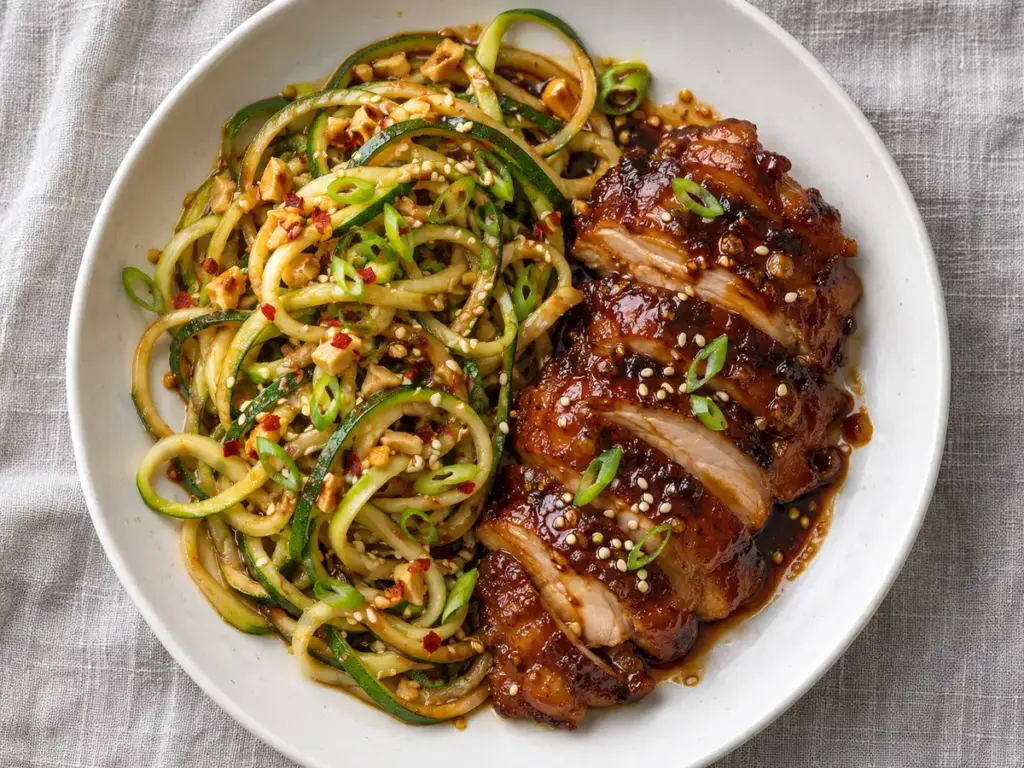
Mild zucchini noodles make a lighter stand-in for rice when you want fewer carbs, and their dressing of rice vinegar, tamari, sugar, chili paste, garlic, ginger, peanut butter and sesame oil already echoes the chicken.
Because that dressing carries soy sauce, the zoodles work best in place of rice, with no scoop of rice beside them.
Zucchini noodles go soggy fast, so you toss them with the dressing right before you eat and warm them only briefly, if you cook them at all.
How Salty Is Shoyu Chicken?
Of the four braise ingredients, only the shoyu carries much salt, and USDA lists regular shoyu at about 5,500 mg of sodium per 100 g, which works out to roughly 880 mg in one tablespoon.
USDA's low-sodium shoyu comes in at 3,598 mg per 100 g, or about 510 mg a tablespoon, and the FDA puts the recommended sodium limit at 2,300 mg a day for people 14 and older.
How much of that limit your plate uses depends on how much shoyu the recipe starts with and how much sauce you spoon over the rice, so a reduced-sodium shoyu is the easiest fix if you braise the chicken yourself.
If you have no shoyu, tamari or other shoyu stand-ins work too, and a saltier braise calls for plainer sides.
Which Sides Clash with Shoyu Chicken?
- Soy-seasoned fried rice: it adds more salt on top of the sauce, so if you want fried rice, cook it with little or no soy sauce.
- Teriyaki-glazed vegetables: they pile a second sweet glaze on top of the first one.
- Heavy cream sauces: they weigh the plate down, and a mayo-based salad already supplies the richness.
Teriyaki chicken has a similar sweet soy sauce, so the same skips apply when you pick side dishes for teriyaki chicken.
Which Sides Can You Make Ahead?
Two sides on this plate do better when you make them before the chicken is done:
- Mac salad: you can make it the day before, since USDA FoodKeeper lists pasta salad at 3 to 5 days refrigerated.
- Coleslaw: homemade coleslaw also keeps 3 to 5 days in FoodKeeper, though the cabbage stays crisper if you dress it the day you serve it.
Leftover chicken keeps 3 to 4 days in the refrigerator, and it needs reheating to 165°F, the safe minimum for poultry on the USDA safe temperature chart.
What Fixes a Plate That Tastes Off?
- Too salty: a smaller spoonful of sauce and more plain rice in each bite bring the saltiness down.
- Mac salad dried out overnight: the pasta keeps absorbing dressing, so a spoonful of mayo or a splash of half and half stirred in before you serve brings it back.
Sources
- Hawaii.com: The Iconic Hawaiian Plate Lunch
- USDA FoodData Central: Soy sauce made from soy and wheat (shoyu)
- USDA FoodData Central: Soy sauce made from soy and wheat (shoyu), low sodium
- FDA: Serving Safe Buffets
- FDA: Eating Too Much Salt? Ways to Cut Back Gradually
- FoodSafety.gov: Safe Minimum Internal Temperature Chart
- USDA FSIS: Leftovers and Food Safety
- USDA FoodKeeper
- USDA ERS: Rice Sector at a Glance
- Fresh Del Monte: How to Pick the Sweetest Pineapple

Food writer at GustoMeadow. Writes ingredient substitutes, food comparisons, taste guides and storage guides for home cooks.
Storage and food-safety numbers follow USDA, FDA and university extension guidance.