
Or why green kiwis contain more vitamin C than their much-hyped, golden brethren?
There's a surprising amount to learn about these small fruits - from the differences in nutrition and flavor to their history
Today we're excavating into everything surrounding gold versus green kiwi: what they look like, how they taste, which one is healthier, where they come from.and more!
So grab your mask and unearth all the juicy details around this perplexing topic that will have you reaching for more with every bite!
Summary of key points
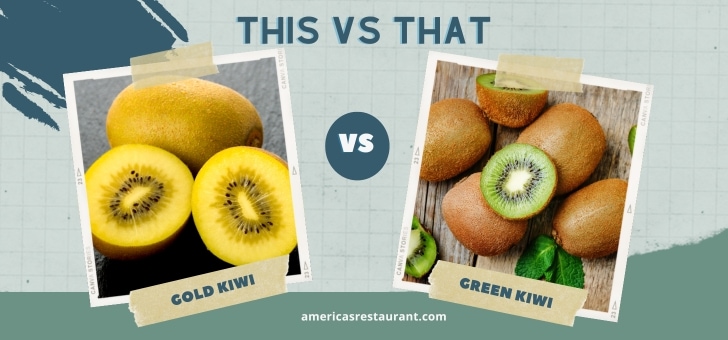
- The gold kiwifruit has a smooth, hairless skin that's a nice golden-brown color, while the green kiwi has a fuzzy brown skin.
- Gold kiwifruit has a sweeter and milder flavor compared to green kiwifruit and has a golden yellow flesh.
- The taste of golden kiwi is smoother and sweeter than green kiwifruit because it is high in fructose.
- The green kiwifruit has a green flesh with black seeds, while the golden kiwifruit has flesh of a bright yellow color, a smaller core, and fewer seeds.
- Golden kiwi is sweeter and has a softer texture than its green counterpart, which has a tangier and more tropical flavor.
What is Gold Kiwi?

Gold kiwi is a type of kiwifruit which is known for its yellow or golden flesh.
It is a variant of the common green kiwi and has gained popularity in recent years owing to its unique appearance and distinct taste - similar to how gold vs red potatoes comparison compares two popular variants in a produce category.
Gold kiwi originates from New Zealand, where it was first cultivated in the early 20th century.
Its popularity has spread globally, and it is now grown in various parts of the world, including Italy, France, Greece, and the United States.
As mentioned earlier, Gold Kiwi is generally sweeter than Green Kiwi, which may make it more appealing to those who find regular green kiwis too tart.
It also contains more vitamins C and E than its common counterpart but has lesser fiber content.
The unique appearance of gold kiwis may also be an added attraction for some people.
The fruit's yellow or golden color is visually appealing when sliced open.
What is Green Kiwi?

Green kiwi is a type of fruit that is often compared to its golden counterpart.
This kiwi, also known as the Hayward kiwi, is one of the most common species of kiwifruit in the world.
It has a fuzzy brown exterior and juicy bright green flesh with numerous black seeds in the center.
To further understand what green kiwi is,
In terms of size, this fruit is typically smaller than a gold kiwi, at around 2-3 inches long and 1-2 inches wide.
It has a tart taste which might be too acidic for some people's preferences but balances out well with sweeter fruits like strawberries or bananas.
Green kiwis are usually harvested during late summer or early autumn and they have a relatively short shelf life compared to other fruits.
You can tell if it's ripe from a slight give when squeezed gently, accompanied by an aroma that should be present when sniffed closely.
Overall, green kiwis offer several potential health benefits due to their high levels of vitamin C and dietary fiber content.
They also have no cholesterol content and low fat, making them ideal for those who want to maintain healthy diets.
For a leafy-vegetable comparison that highlights textural and flavor differences, see Napa vs green cabbage comparison for texture.
Differences Between Gold Kiwis and Green Kiwis

Gold kiwis and green kiwis are two types of kiwifruit that have a few significant differences.
The skin texture is one of the main differences between them - a similar variety-focused contrast appears in Yukon Gold vs Gold potatoes comparison that looks at skin and flesh differences.
The gold kiwi has smooth hairless skin while the green kiwi has rough fibrous exterior covered in short hairs.
Their flesh color differs quite significantly from each other where the gold kiwi's flesh is bright yellow or orange; most people would be familiar with this variety as it is sweeter than its counterpart hence having a mild sweet taste called tropical notes.
On the other hand, green kiwi has bright green colored pulp which is known for its tangy taste with strong berry undertones.
Besides differing in texture and flavor, both varieties have different nutritional profiles - although they contain similar calories of about 61 kcal per 100g, the gold kiwi has a higher Vitamin K and Copper content than the green kiwi.
Meanwhile, the green kiwi offers an almost complete daily dose of Vitamin C with a 92.
7% RDI (Recommended Dietary Intake), more than the gold which has only 16%.
Another noteworthy point is that Green Kiwi contains Omega-3 Fatty Acids.
In general, Gold kiwis are sweeter and have tropical notes while Green kiwis are tangier with strong berry undertones.
The distinct nutritional profiles also set the two varieties apart.
So depending on your preference, you might opt for one over the other.
Appearance and Color
Gold kiwis and green kiwis may look similar at first glance, but upon closer inspection, there are distinct differences in their appearance and color.
In terms of size, both types of kiwis are typically about the same size as a chicken egg.
However, gold kiwis tend to be slightly smaller than their green counterparts.
As you can see from the table above, one of the most noticeable differences between gold kiwis and green kiwis is their skin texture and color.
Gold kiwi skin is smooth with more natural bronzing that gives it an almost metallic hue.
Green kiwi skin, on the other hand, is fuzzier and rougher with a brown-green tint that makes it easier to spot across produce aisles.
Another key difference between these two fruits is the color of their flesh.
Gold kiwifruit has bright yellow-orange flesh that's sweeter than its tart-tasting green counterpart which has bright emerald green flesh speckled with tiny black seeds.
In summary, while both types of kiwifruit look similar on the outside, they have several distinguishable differences when it comes to appearance - from skin texture to fruit color - that make them easy to tell apart.
Flavor and Taste

In terms of flavor and taste, there are notable differences between gold kiwis and green kiwis.
Gold kiwis offer a sweeter taste due to their high sugar content.
They have hints of tropical flavors such as mangoes, pineapples, and bananas - creating a more complex profile than that of green kiwis, which ties into how extract vs flavor differences explained distinguishes concentrated extracts from natural flavor profiles.
The texture of gold kiwi is different too; they tend to be slightly softer and creamier in consistency than their green counterparts.
Gold kiwis also melts in the mouth like butter.
Green kiwis have a tart flavor and slightly acidic taste that some people love, while others find it too sour.
Their flesh is firm to the touch with a crunchy consistency which appeals to many who prefer firmer fruits over soft ones.
Thus, both gold and green kiwis offer distinct sensory experiences for those who consume them regularly.
In summary, gold kiwi vs green kiwi cannot be compared solely based on their appearance or color but also taking into consideration their unique flavors and textures.
Nutritional Value
Kiwi fruits are known for their high nutritional value, and both gold kiwis and green kiwis offer various health benefits.
Gold kiwis are sweeter, yet lower in acidity than green kiwis, while green kiwis are tangier and more acidic.
However, when it comes to nutritional value, there are certain differences between the two types of kiwis.
As seen from the table above, both gold and green kiwis have similar calorie and macronutrient count.
However, green kiwis contain slightly more fiber than gold ones.
Also, green kiwis contain higher levels of vitamin C than gold ones by about one third.
Kiwis are also rich in antioxidants that help prevent oxidative damage caused by free radicals.
Antioxidants like vitamins C and E found in both three golden and green varieties act against such damaging factors to promote overall well-being.
In summary, while there might be slight nutritional differences between gold and green kiwis regarding fiber content or vitamin C levels; both come packed with essential vitamins required for improved immunity.
For a look at a savory, nutrient-dense pantry ingredient and how it tastes, read nutritional yeast taste guide for savory uses.
Availability and Cost
Gold kiwi and green kiwi are both readily available in most countries, but their availability may vary depending on the season.
Both varieties of kiwis can be found at local grocery stores or supermarkets.
However, gold kiwis tend to be less widely available than green kiwis due to their more delicate nature and shorter shelf life.
In terms of cost, gold kiwis may be slightly more expensive than green kiwis because of their limited availability and higher demand.
The price difference may also depend on the location and supplier.
Generally, both gold and green kiwis are quite affordable and can fit into most budgets.
When purchasing either variety of kiwi, it is important to select fruits that are firm, unblemished, and free from wrinkles or soft spots.
Ripe kiwis should yield slightly to pressure when gently squeezed with your fingers.
Locally grown or organic kiwis may be pricier than conventionally grown ones.
However, they may offer superior taste or health benefits that make them worth the extra cost for some consumers.
Overall, both gold and green kiwis are widely available at reasonable prices for most consumers.
Culinary Uses
Kiwis are delicious fruits that can be used in various ways in cooking.
Both Gold and Green Kiwis have unique culinary uses that make them popular among chefs and food enthusiasts.
Gold kiwis are commonly enjoyed fresh, as they have a sweeter taste than green kiwis.
They are perfect for making smoothies because of their smooth texture, and work well in fruit salads as well.
One interesting use of gold kiwis is as a garnish for cocktails, which adds a beautiful pop of color to the drink.
Green kiwis also work great for fresh eating and smoothies.
They have a more tart flavor compared to gold kiwis, which makes them perfect for desserts such as pies or cakes.
They also add an interesting flavor to salads when used as a topping.
Overall, both gold and green kiwis offer unique flavors and textures that can be used in various culinary applications.
In summary, Gold kiwis are sweet and smooth which makes them perfect for smoothies, fruit salads, desserts and garnishing cocktails whereas Green Kiwi has a tart flavour well suited for desserts like pies or cakes along with salads.
Similarities Between Gold Kiwis and Green Kiwis
Gold Kiwis and Green Kiwis may have different tastes, texture, and appearance but they also share some similarities.
Here are some of the similarities between the two types of kiwis.
In terms of taste, both gold kiwis and green kiwis offer unique flavors that people love.
While the gold variety tastes sweet with a tangy twist, the green variety has a tart flavor that is sour on its own but delicious when used in recipes.
Both varieties have similar sizes.
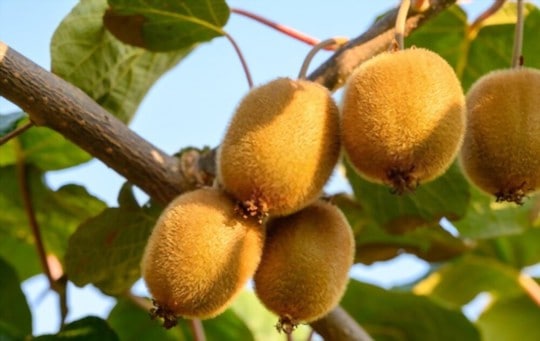
However, while the golden one has an oval shape with thin fuzz all over its surface, the green one has a round shape with thicker fuzz covering it.
In terms of texture as well, both gold kiwi fruit and green kiwi fruit differ from each other.
The golden one offers firm flesh that bursts into juicy bits while biting into it whereas the green one is soft to cut through but fuzzy to eat.
Lastly, although there are differences between how these two types of fruits are used in cooking or eaten fresh out-of-hand/salads but they do share some culinary purposes for which one cannot replace another.
Overall these common characteristics help enthusiasts decide which type of kiwi they would like based on their taste preference, usage intention or mood.
For another side-by-side comparison that explores subtle distinctions between two trusted pantry staples, see King Arthur vs Gold Medal flour comparison for bakers.
Which One to Choose?
If you're wondering which kiwi to choose between Gold and Green, the decision ultimately comes down to personal preference.
Both types of kiwis offer similar nutritional benefits and taste delicious, but there are a few differences that might sway your decision.
Gold Kiwis have a smoother texture and sweeter taste, while Green Kiwis are slightly tart and have a firmer flesh.
Nutritionally, both fruits have similar health benefits, but Gold Kiwis provide more Vitamin C, fiber, and potassium compared to Green.
When choosing between Gold Kiwi vs Green Kiwi, consider what you're looking for in terms of texture and taste.
If you prefer sweeter fruit that melts in your mouth, go for Gold Kiwis.
But if you prefer tartness or want something firmer to bite into, Green Kiwis would be more appropriate.
Ultimately though, whether you choose Gold or Green kiwis doesn't matter too much as both are excellent sources of nutrition.
You could also try both varieties alternately to enjoy their individual benefits.
If planning meals around convenience and flavor, consider pairing fresh fruit salads with simple mains; see one-pot pasta dinners for busy weeknights for easy complementary meal ideas.
Gold Kiwi vs Green Kiwi Flavor Differences
While Green Kiwis are more widely available and have a tangy flavor with fuzz-covered brown skin, Gold Kiwis, on the other hand, have a smoother hairless skin with a sweeter taste.
Ultimately the decision between the two depends on personal preference.
Both types of kiwis contain high amounts of vitamin C, fiber, potassium, and antioxidants.
They can be eaten raw or used in various recipes such as smoothies, salads or baked goods.
Frequently Asked Questions
The gold kiwifruit has a smooth, hairless skin that's a nice golden-brown color, while the green kiwi has a fuzzy brown skin. They share some similarities but each has qualities that make it better suited for certain recipes.
Sometimes. Gold Kiwi works where Green Kiwi is called for in certain dishes, but not all.
Check whether the recipe relies on a specific quality before substituting.
Cold preparations like salads and dressings often favor the option with a sharper, more defined flavor. Heat can mellow both, so the distinction matters more in uncooked dishes.
Do professional cooks prefer one over the other?
Professional preference depends heavily on the dish and cuisine style.
Each has its context where it outperforms the other, so most experienced cooks keep both on hand.
For other cabbage contrasts, see Savoy vs green cabbage comparison for texture. For olive varieties and brine differences, see black vs green olives comparison for flavor.