
Have you ever been seriously perplexed at the differences between Coq au Vin and Beef Bourguignon?
They sound so similar, but they are actually two distinct French dishes that vary in style and ingredients.
While both popular recipes offer a delight to the palate, there is more than meets the eye when it comes to comparing them.
So grab your chef's hat and let's get ready for an in-depth exploration of these classic French dishes.

What is Coq Au Vin?
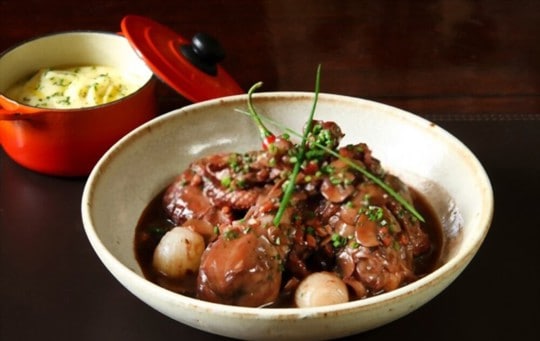
Coq Au Vin, translated from French, means "rooster in wine.
" It is a classic French dish that has been popular for centuries.
The dish consists of chicken that is braised in red wine, along with bacon, mushrooms, garlic, and onions.
The flavorful sauce is then thickened and served with the tender chicken and savory vegetables.
The origins of Coq Au Vin are unclear, but it is believed to have originated in the Burgundy region of France, where it was served to laborers and peasants.
Today, it is considered a luxurious and elegant dish, often reserved for special occasions or served in fine dining restaurants.
The preparation process is quite involved, requiring a lengthy marination and a skillful balance of flavors.
Yet, once you taste the complex combination of wine, herbs, and chicken, you'll understand why Coq Au Vin has stood the test of time.
What is Beef Bourguignon?
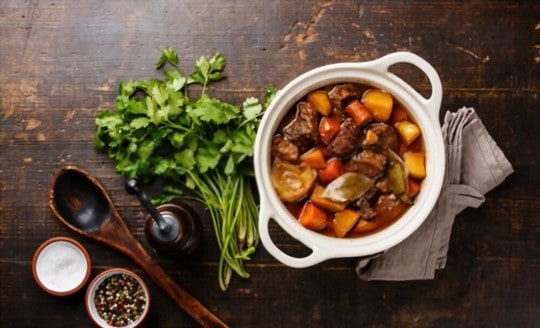
Beef Bourguignon is a classic French dish that is known for its rich and hearty flavors.
This indulgent dish is made using beef that has been slow-cooked in a delicious red wine sauce, along with vegetables and a variety of aromatic herbs.
The secret to this dish is the meat, which is typically cut into large cubes and browned until it develops a deep, caramelized crust.
Once the beef has been seared, it is simmered in a mixture of red wine, broth, and various herbs and spices until it is tender and full of flavor.
The result is a dish that is warm, comforting, and perfect for chilly fall evenings.
Despite its complexity, making Beef Bourguignon at home is actually quite simple - and the end result is truly worthy of a Parisian bistro.
Beef Bourguignon shares the same slow-simmered, bold-flavor approach found in other regional beef preparations - Hunan vs Kung Pao beef comparison highlights how different techniques change heat and texture.
Differences Between Coq Au Vin and Beef Bourguignon
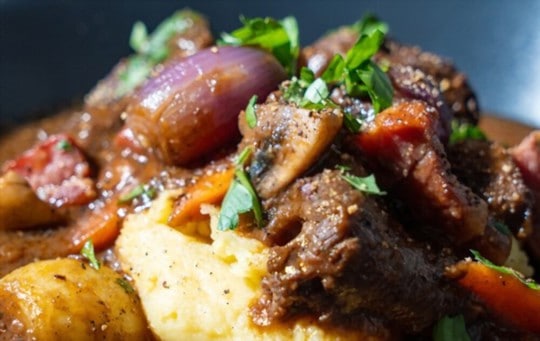
The classic French dishes, Coq Au Vin and Beef Bourguignon differ in taste, ingredients and preparation techniques.
While both use red wine as a base and aim for rich flavors, the former calls for chicken and bacon while the latter requires beef chunks and mushrooms.
The cooking time also varies - Coq Au Vin takes less time to prepare compared to Beef Bourguignon.
However, the end result of both dishes is tasty meat soaked in a flavorful burgundy sauce.
Different cuts and preparations lead to distinct textures and flavors in beef dishes; for a closer look at how cut selection matters, see Corned beef round vs brisket comparison.
Origin and History
French cuisine has a rich and traditional history steeped in the depths of culinary arts.
From haute cuisine to home-style cooking, French dishes have become famous worldwide.
Specifically, when it comes to hearty stews or braised meat dishes, Coq Au Vin and Beef Bourguignon stand at the front of the line.
Both are classic French dishes with many regional variations.
Coq Au Vin, literally translated as "rooster in wine," has a surprisingly historic background.
The dish dates back to the 18th century in France when roosters were abundant but often tough meat that had to be slow-cooked for optimal taste.
However, once they were treated with a marinade consisting of red wine, pearl onions, mushrooms and bacon they became tender and delicious.
These days most recipes force a swap from Rooster to Chicken due to various reasons including availability and taste preference.
While both use Burgundy wine from the eponymous region, Coq au Vin uses chicken while Beef Bourguignon uses tender cuts of beef such as sirloin or chuck roast.
Also, some versions of Coq au Vin include brandy or Cognac while others use crisp white wine instead.
Also, their spice palette distinguishes each other; Beef Bourguignon mainly includes thyme, bay leaves and peppercorns while Coq Au Vine's tasting notes feature tarragon and parsley prominently.
In short words - French cuisine is a treasure trove filled with delights that speak volumes about its rich history and unique cultures around food.
When deciding between these two classics (Beef Bourguignon or Coq au Vin), remember that they developed based on the available ingredients at that period combining with cooking technique differences - leading to distinct textures and flavours that warrant different pairings with sides as well.
Main Ingredients
The essential ingredients for both Coq Au Vin and Beef Bourguignon share similarities due to their origins in different regions of France.
Some common ingredients that both dishes contain are red wine, bacon, mushrooms, onions, garlic, carrots, and herbs like thyme and bay leaves.
However, the main difference comes from the type of meat used.
Beef Bourguignon uses beef chuck while Coq Au Vin uses chicken - typically a rooster.
The use of different proteins also affects the cooking time and technique.
To further differentiate between the two dishes, Beef Bourguignon includes beef broth and tomato paste while Coq Au Vin includes chicken stock as well as lardons (thick strips of bacon).
It ultimately depends on individual preferences when it comes to deciding which dish is superior.
However, whether it is a filling beef stew or tender chicken cooked in wine with vegetables and seasonings - each dish is a delight to tuck into on a cozy day at home.
Cooking Method

Coq Au Vin and Beef Bourguignon are two classic French dishes with different cooking techniques.
Coq Au Vin is a chicken recipe cooked in red wine sauce with mushrooms and bacon, whereas Beef Bourguignon is made with beef stew meat marinated in red wine, topped with pearl onions and mushrooms.
Both recipes require slow-cooking methods to ensure that the flavors are well blended.
While both dishes have their unique features, there are some distinct differences between them.
For instance, Coq Au Vin has a more delicate flavor because of the use of chicken meat rather than beef.
In contrast, Beef Bourguignon has a more strong flavor due to the use of red meat that adds depth and richness to the dish.
Also, while Coq Au Vin can be prepared within an hour or less, Beef Bourguignon can take hours to cook due to its larger size needing more time to tenderize the meat.
So if you're looking for a quick meal option, then Coq Au Vin might be a better choice for you.
When recipes call for wine or acidic components, understanding substitution options can help maintain balance - white cooking wine vs white wine vinegar comparison explains when to use each.
Wine Used
The types of wine used in Coq Au Vin and Beef Bourguignon greatly impact the flavor of both dishes - Shaoxing Wine vs Mirin comparison shows how different cooking wines shift flavor profiles.
Red Burgundy wine is used predominantly in Beef Bourguignon, while white wine is used in Coq Au Vin.
The acidic nature of the wine tenderizes the meat and infuses rich flavors into the dish.
However, choosing the right type of wine requires careful consideration.
When cooking Beef Bourguignon, it's essential to use a bold red Burgundy wine as it imparts intense umami flavors into the dish.
In contrast, for Coq Au Vin, white Burgundy or Chardonnay goes well with the chicken and balances the richness of bacon and butter that's typically added to this recipe.
Wine should be added slowly and stirred often to ensure that it simmers correctly with your dish.
While both dishes feature wines from a similar region in France, their unique flavors are attributed to using different types of wines.
Choosing between Coq Au Vin vs.
Beef Bourguignon ultimately comes down to individual preference and palate.
No matter which dish you choose, having a glass of quality French wine alongside will improve the dining experience further.
Serving Suggestions
There are several serving suggestions that can make your dining experience more enjoyable.
Some popular options include serving the dishes with crusty bread, a side salad, or roasted vegetables.
Another suggestion is to pair the meal with a glass of red wine that goes with the dish's rich flavor.
To infuse a bit of creativity into your dining plans, you can also experiment with different sides such as creamy mashed potatoes or rice pilaf to complement either of these French classics.
While both dishes share some similarities, their unique ingredients and preparation methods offer their distinct culinary twists.
Therefore, selecting a perfect side dish requires taking these distinctive features into consideration.
Similarities Between Coq Au Vin and Beef Bourguignon
Coq Au Vin and Beef Bourguignon may appear to be separate dishes, but upon closer inspection, they have several similarities.
Both are traditional French stews enriched with wine and savory ingredients.
They require a lengthy cooking process, low heat, and slow simmering to bring out the rich flavors and tenderize the meat.
Also, both dishes use similar vegetables like carrots, onions, garlic, and mushrooms as flavor enhancers.
The comparison between the two dishes is not as stark as they may seem with their unique names suggesting that they share many fundamental principles.
Moving away from their similarities, Coq Au Vin distinguishes itself by featuring chicken in its recipe while Beef Bourguignon focuses on beef - Angus vs Choice beef comparison helps explain how beef grading affects final texture and flavor.
With chunks of tender beef simmered in red wine interrupted by bursts of umami-flavoured sautéed mushrooms which work exquisitely together for any red meat lover's palate while coq equals chicken which provides a milder flavour profile but should not be underestimated for its significance in French culture.
Coq au vin also offers more profound emphasis on herbs such as thyme or rosemary while beef bourguignon brings forward bare finesse introducing more basic flavours making it an ideal option for someone who enjoys simple yet opulent tastes.
Which is Healthier: Coq Au Vin or Beef Bourguignon?
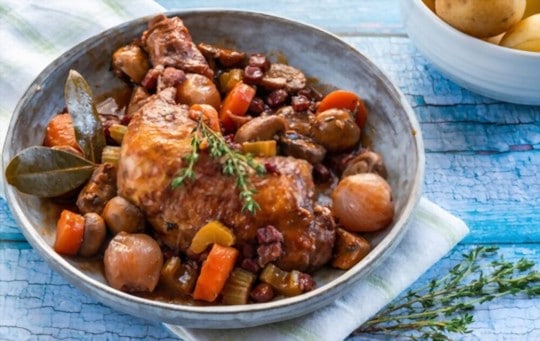
The question arises: which dish is healthier? Both are classic French dishes, but let's compare their nutritional value.
Coq Au Vin is made with chicken, which is a lean protein that contains less fat than beef - see ground chicken vs ground beef comparison for a breakdown of fat and calorie differences.
It also has red wine, which has anti-inflammatory properties and may help reduce the risk of heart disease.
On the other hand, Beef Bourguignon contains beef, a rich source of iron that boosts energy levels and keeps blood healthy.
However, it is high in fat content due to the use of bacon and oil.
It ultimately depends on your dietary needs and preferences.
If you're looking for a high-protein meal with low-fat content, Coq Au Vin might be a better option for you.
Meanwhile if you need more iron and don't mind a bit of extra fat in your meal, Beef Bourguignon could be an excellent choice.
Consider your micronutrient requirements before making a decision between these two classic French dishes.
Which One Tastes Better: Coq Au Vin or Beef Bourguignon?
When comparing Coq Au Vin and Beef Bourguignon, it's important to consider individual preferences.
Both dishes are stew-based but differ in the protein used - chicken or beef respectively.
Coq Au Vin is a French classic dish that uses chicken, bacon, mushrooms, onions, and garlic cooked in red wine while Beef Bourguignon uses beef as the main ingredient with carrots and onions sautéed in butter.
The former is perfect for those who like mild flavors while the latter is best for those who prefer richer tastes - beef suet vs tallow comparison outlines how different beef fats influence richness.
It ultimately comes down to your preference of meat and flavor.
In terms of cooking time and complexity, both dishes require patience and attention to detail.
Coq Au Vin takes around an hour to fully cook while Beef Bourguignon takes longer, at around two to three hours.
However, both dishes can be prepared beforehand and reheated if needed.
Also, Coq Au Vin can be made using white wine instead of red wine which gives its distinct taste variation.
Also, vegetables such as celery and carrots can be added to both dishes if preferred.
Overall, whether you choose Coq Au Vin or Beef Bourguignon will depend on your personal preferences.
Both dishes are delicious in their own way and offer different flavors depending on the meat choice.
Ultimately regardless of which one you choose, they're both traditional French classics that are sure to impress at any dinner party or gathering.
Flavor Profiles: Coq Au Vin vs Beef Bourguignon
After a thorough analysis of the differences between Coq Au Vin and Beef Bourguignon, it is apparent that there are distinct components of these two French classics that make them entirely separate dishes.
While they both use some similar ingredients and are both slow-cooked stews, each cuisine has its own recipe, ingredients, and preparation processes - all of which lead to a flavor so unique you'd never know they were in the same family.
No matter which stew you decide to sample first, be sure to savor every detail and understand why Coq Au Vin and Beef Bourguignon have been French staples for centuries.
These dishes offer an incredible experience for food lovers - one that will allow them to explore the rich culinary heritage of France without ever having to leave their kitchen.
Frequently Asked Questions
Have you ever been seriously perplexed at the differences between Coq au Vin and Beef Bourguignon? They share some similarities but each has qualities that make it better suited for certain recipes.
Sometimes. Coq Au Vin works where Beef Bourguignon is called for in certain dishes, but not all.
Check whether the recipe relies on a specific quality before substituting.
Cold preparations like salads and dressings often favor the option with a sharper, more defined flavor. Heat can mellow both, so the distinction matters more in uncooked dishes.
Do professional cooks prefer one over the other?
Professional preference depends heavily on the dish and cuisine style.
Each has its context where it outperforms the other, so most experienced cooks keep both on hand.
Beef shoulder and chuck serve different roles in long-simmered dishes - Beef Shoulder vs Chuck comparison explains which cut works best where. Tough, gelatinous cuts change a stew's mouthfeel - Beef Shank vs Oxtail comparison compares how each cut contributes body and flavor.