
James Bond loves his martinis shaken, not stirred. We've all heard that line.
The big question is, does it make a difference? Yes, and here's why.
Shaking a drink chills it quickly and adds a frothy texture.
Stirring, on the other hand, is gentler. It keeps the clarity and lets the flavors meld smoothly.
We've tried both. At our last party, half the crowd swore by shaken, claiming it woke up the gin like a splash of cold water in the morning.
The stirred faction appreciated the silky feel, saying it's like sliding into a warm bath. It's about what vibe you're after.
Make your pick.

Shaken: What Does It Mean?
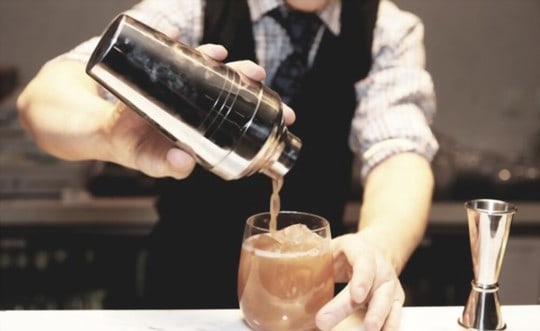
Crafting delicious cocktails is an art that requires precision and technique.
Shaking a cocktail involves aggressive and rapid movement of the shaker to mix all the ingredients together.
The aim is not only to mix but also to dilute, chill, and aerate the ingredients by creating tiny air bubbles.
This process makes shaken cocktails distinct from their stirred counterparts in terms of texture, taste and appearance.
Shaken cocktails are often considered refreshing because of the added dilution and aeration which makes them lighter on the palate.
As compared to stirred cocktails, shaken ones have a cloudy and frothy appearance due to the tiny air bubbles created by shaking.
Bartenders recommend using this technique for citrus-based or sweet - and note how citrus pairs translate to desserts in lemon dessert pairings guide.
While shaking is usually recommended for most fruit-forward cocktails, there are some exceptions like a classic Martini or Manhattan which should be stirred gently instead of shaken aggressively.
In such cases, stirring helps retain clarity while retaining subtle flavours.
Stirred: What Does It Mean?

A stirring cocktail involves mixing its ingredients in a circular motion using a bar spoon.
This method blends the spirits and mixers gently, avoiding excess dilution or bubbles that can alter the taste.
Stirring results in a smooth, silky texture, making it an ideal option for spirit-forward drinks like martinis or Manhattans.
Also, the technique is more practical when creating large batches of cocktails since shaking requires more physical effort.
When stirring a cocktail, one must use high-quality ice to avoid breakage and melting that can impact flavor negatively.
Experts also recommend stirring for approximately 15-30 seconds unless the recipe specifies otherwise.
Also, using the right bar spoon helps to create uniformity in temperature and consistency while so that every ingredient is blended perfectly.
Stirred cocktails are perfect for those who enjoy smooth and strong flavors as they highlight each ingredient's unique taste and aroma without overshadowing them with frothy textures or bubbles.
Plus, stirred cocktails achieve an exemplary look due to their clarity.
Overall, whether one prefers a shaken or stirred cocktail depends on many factors like personal preference, occasion suitability, drink texture preferred among others.
What matters most ultimately is the end product - a balanced and delicious drink that meets your expectations whatever method used to prepare it.
Stirred cocktails often pair well with gentle, savory snacks; for crowd-pleasing chip and dip ideas, see guacamole pairing ideas for snacks.
Differences Between Shaken and Stirred

There are two popular methods of mixing: shaking and stirring.
Shaking involves pouring ingredients into a cocktail shaker filled with ice and shaking vigorously, whereas stirring involves slowly mixing ingredients in a mixing glass filled with ice using a bar spoon.
Both methods have their own advantages and disadvantages depending on the type of cocktail being made.
Shaking is typically used for cocktails that contain citrus juices or egg whites as it creates a frothy texture and enhances the flavor.
On the other hand, cocktails that are predominantly made up of spirits like Manhattans or Old Fashioneds are stirred to dilute the drink at a slower rate without altering its taste.
Note that shaken drinks tend to be colder due to the additional aeration while stirred drinks tend to be slightly warmer due to less aeration.
Also, when using clear liquids such as gin or vodka, shaking can cause cloudiness which may affect the presentation of the cocktail.
Method and Technique
Mixing cocktails involves a combination of different methods and techniques that create a perfect cocktail.
A combination of shaking or stirring may be used for specific cocktails, but ultimately, the decision relies on achieving the intended texture, taste and temperature.
An ideal shaken cocktail requires agitation of ingredients to ensure thorough mixing and foam formation.
The technique works best for fruity cocktails served in a tall glass packed with ice.
On the other hand, stirring is recommended for glossy and clear cocktails created with strong spirits that require dilution.
Successful examples include classic martinis.
There are noteworthy differences in visual appeal, flavour profile and overall experience.
Nevertheless, one technique is not better than the other, as each method has its place depending on requirements like recipe complexity and personal preference.
Resulting Texture and Temperature
The method used to mix cocktails has a direct impact on the resulting texture and temperature of the drink - for inspiration on silky, creamy textures, see vegan hummus creamy texture ideas.
Shaking provides aeration, producing a smoother, frothier texture, while stirring creates a denser, gentler texture.
Temperature is also affected as shaking chills the drink faster due to increased surface area.
Stirring maintains a consistent temperature without additional dilution.
When selecting between shaken or stirred cocktails, it ultimately depends on personal preference and cocktail type.
Shaking is ideal for drinks with juice and dairy ingredients, while stirring enhances the flavors of spirits-only cocktails.
Experimenting with both methods can lead to unexpected results and allow for customized creations.
Flavor Infusion
Infusing flavors in cocktails, the ultimate experience to tempt your palate - learn how concentrated extracts differ from broader flavoring techniques in extract vs flavor comparison.
A common technique is garnering hype, better known as aromatic infusion.
By using herbs, spices, and bitters, delicious blends can be produced.
The magic lies within the cocktail shaker and its ability to break down components and integrate pleasant aroma and taste.
Shaking the cocktail produces an infused mixture with a frothy emulsion texture, making it perfect for citrus or fruit-based drinks like Margaritas.
To maintain simplicity, the speed of shaking matters; shake rigorously until thick foam forms on top.
Stirring avoids adding air into the drink and creating a clear look rather than cloudy drink produced by shaking.
With stirring, flavors blend without commutating small ice fragments which dilute content in time-consuming beverages such as whiskey or scotch-based drinks.
Dilution
The process of mixing a cocktail requires a careful balance of ingredients, including the right amount of dilution.
Dilution matters in the taste and consistency of a cocktail, which can affect its overall quality.
When discussing dilution, it's important to consider the method used for mixing- whether shaken or stirred.
Shaking a cocktail tends to result in more dilution than stirring, due to the increased agitation created by the ice.
This can lead to a slightly watered-down taste but also give cocktails that are frothy and light, such as margarita.
On the other hand, stirring is best suited for cocktails with subtle flavors that don't require as much dilutiontion.
Stirring is usually done for drinks served neat like Manhattans or Old Fashioneds where integrity prevails over texture.
When making cocktails, it's important to take into account the level of dilution required based on your favorite style and recipe.
Ultimately, it's up to personal preference whether shaking or stirring is the better option when trying to achieve optimal flavor and consistency.
Similarities Between Shaken and Stirred
Shaken or stirred, a timeless debate for cocktail enthusiasts.
While both techniques aim to mix the ingredients in their own unique way, they share some similarities.
Both methods require a shaker or mixing glass, ice, and a strainer.
In addition, both techniques offer the opportunity to experiment with different flavors and ingredients.
However, there are some differences between these methods.
Shaking involves more vigorous mixing with ice which produces tiny bubbles in the drink and can dilute it faster.
Whereas stirring maintains a smooth texture and is ideal for cocktails made entirely or primarily of clear spirits.
Ultimately, the decision between shaken and stirred comes down to personal preference based on the desired flavors and texture.
Experimentation is key when determining what works best for each particular cocktail recipe.
Overall, by understanding the similarities and differences between these two popular cocktail techniques, one can improve their mixology skills and create unique drinks that cater to individual tastes.
When to Choose Shaken or Stirred?
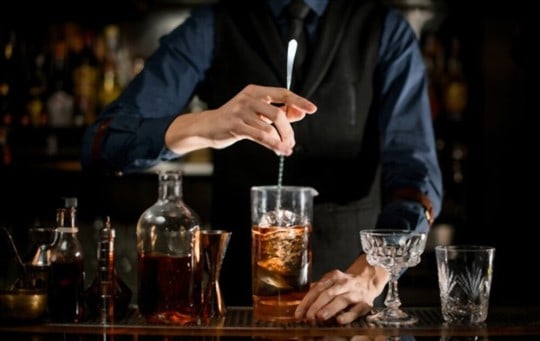
Cocktail enthusiasts are often left to wonder which approach is better, shaking or stirring.
The method you use depends on the ingredients and the final product you want to achieve.
In general, when a cocktail includes juices and creams, shaking is the preferred choice.
Shaking is suitable for drinks that contain fresh fruit or herbs as it muddles them well and creates a frothy texture.
On the other hand, stirring works best with cocktails made up of clear spirits like gin, vodka, or whiskey blended with bitters and vermouths.
By stirring cocktails with ice, they become balanced without diluting too much.
The science behind the selection revolves around various factors such as taste profile and look of the drink.
The barkeep's skills come into play when deciding how each ingredient is incorporated into a particular cocktail.
Some cocktail recipes call for egg whites or similar textures; for non-egg options in recipes that need a binder, see eggless breading substitutes for crisping.
Cocktails That Benefit from Shaking
Some ingredients benefit more from shaking than stirring.
This technique is widely used for cocktails that require a mix of juice, syrup or cream along with spirits and ice.
By shaking the mixture, you are able to incorporate air into the drink which results in a frothy and creamy texture.
Shaking is also recommended when fresh fruit or herbs are used in the recipe.
- Creamy cocktails like Margarita with egg whites, Pina Colada and Daiquiri with pineapple juice benefit from shaking.
- Drinks containing citrus juices like Lemon Drop Martini, Moscow Mule and Cosmopolitan also require shaking to properly blend all the ingredients together.
- Cocktails that are supposed to be served chilled like Mojito need to be shaken so that the mint leaves become well-infused within the drink.
If a cocktail contains a high percentage of alcohol content, it is generally stirred rather than shaken as excessive shaking may result in dilution due to melting ice.
Therefore, drinks such as Manhattan's and Old Fashioned are traditionally stirred over ice.
Shaking or stirring can make or break your cocktail depending on the recipe.
It is essential to understand which technique works best for different ingredients to attain optimum taste and mouthfeel.
The next time you find yourself mixing cocktails at home, don't forget about shaking- it may be what takes your drink from average to outstanding.
Creamy cocktails like Margarita with egg whites, Pina Colada and Daiquiri with pineapple juice benefit from shaking - for swaps in rum-based recipes, consider rum substitutes for cocktails.
Cocktails That Benefit from Stirring
Certain cocktails have been found to benefit from stirring instead of shaking.
These drinks have delicate ingredients, and therefore require a gentler method of mixing to preserve their flavors.
- The Rusty Nail, made with scotch and Drambuie.
- Manhattan, whiskey-based cocktail.
- Negroni, gin-based cocktail.
- Martini, gin or vodka-based cocktail.
Stirring is important in the preparation of these cocktails since it allows for proper dilution without compromising the original flavors.
The end result is a smooth and balanced drink that shows the flavor of each ingredient.
One unique aspect of stirred drinks is their temperature.
Since they are not shaken vigorously with ice, they do not reach the lower temperatures that shaken drinks typically do.
This results in a more subtle drinking experience where subtle flavors are acknowledged over icy blasts.
Stirred, spirit-forward cocktails pair nicely with composed meals; consider hearty greens as a match and explore satisfying salads as meal pairings.
Expert Opinions and Debates
The ongoing dispute about whether shaken or stirred cocktails are the superior option continues among industry experts.
While some argue that shaking is necessary for certain ingredients and results in a more textured beverage, others insist that stirring is the only way to maintain clarity and do justice to delicate flavors.
With no clear winner, mixologists must consider factors such as ingredients, desired texture, and presentation in making their choice of technique.
When to Shake or Stir Cocktails
After considering various aspects of shaking and stirring cocktails, it can be concluded that the choice depends on personal preferences and the specific ingredients used.
Both techniques offer different benefits, including better mixing or a smoother texture.
Bartenders should experiment with both methods to determine their preferred option based on the drink's characteristics.
In addition to understanding which technique to use, temperature matters in deciding whether to shake or stir a cocktail.
If using ice-cold alcohol, stirring achieves optimal dilution without compromising taste quality.
Conversely, if using warm spirits such as hot buttered rum or any other beverage that includes cream like liquid cocaine cocktail shaking is preferred.
Bartenders should be aware of the nuances that differentiate each technique to create signature cocktails that guests will love.
Frequently Asked Questions
The big question is, does it make a difference? They share some similarities but each has qualities that make it better suited for certain recipes.
They can stand in for each other in a pinch. Shaken and Stirred overlap in some uses, but the flavor or texture will shift.
Adjust quantities to taste.
Shelf life differs based on processing and packaging. One often keeps longer unopened, while the other may need refrigeration or faster use after opening.
Which one is more forgiving in recipes?
One tends to perform more consistently across a range of cooking methods, making it the safer choice when experimenting.
The other delivers stronger results in specific applications.
Shaking techniques relate directly to how a drink finishes; dry vs wet shake distinctions clarifies when each method is most effective. Flavor sources also matter-extract vs flavor comparison explains how concentrated extracts differ from general flavoring techniques.