In the epic coffee saga, two giants stand tall: French Roast and Espresso Roast. Morning rituals aren't the same without them.
French Roast, dark and intense. Espresso, bold and strong.
Each brew tells a story. Our kitchens have seen more experiments than a high school science lab.
We've laughed over spills and celebrated the perfect cup. Every sip is a memory.
Now, we're sharing our tales from the frontline of coffee brewing.
Grab your mug.
What is French Roast?
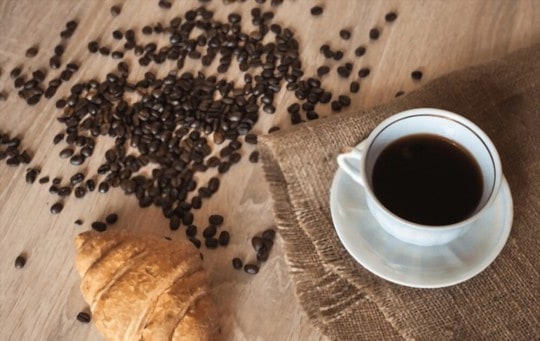
French Roast is a distinctively dark coffee roast, characterized by deep brown or even black beans that give off an intense, smoky flavor - see French 76 vs French 75 cocktail comparison for similarly named drink distinctions.
This type of roast is not for the faint-of-heart, as it contains minimal acidity and full-bodied elegance.
French Roast involves roasting the beans enough so that their natural oils come to the surface and create a unique texture.
The result is a bold profile with a bittersweet finish that makes it a favorite among coffee aficionados.
What is Espresso Roast?

Espresso Roast is a dark roast coffee variant famous for its strong taste and concentrated flavour - and brewing technique matters, as explained in long pull vs short pull espresso brewing differences.
It involves grinding finely roasted coffee beans, brewing it through high-pressure hot water to extract its unique essence.
This results in a thick crema with a bold and bitter flavour.
Espresso roast has gained popularity worldwide due to its rich and intense aroma served in small portions known as shots.
It's perfect for making lattes, cappuccinos and other deliciously blended drinks.
In addition to the previously mentioned details, Espresso Roast is not only about the roast level but also about the type of coffee bean used, such as Arabica or Stronga.
The darker the roast, the less acidity remains in the beans giving it a distinct flavour profile compared to French Roast Coffee variants.
Espresso machines are specifically designed to extract maximum flavours and aromas from espresso roasts due to its unique characteristics.
Overall, if you're looking for an intense coffee variety with a bold flavour that doesn't require much volume, Espresso Roast may be your best bet.
Differences Between French Roast and Espresso Roast
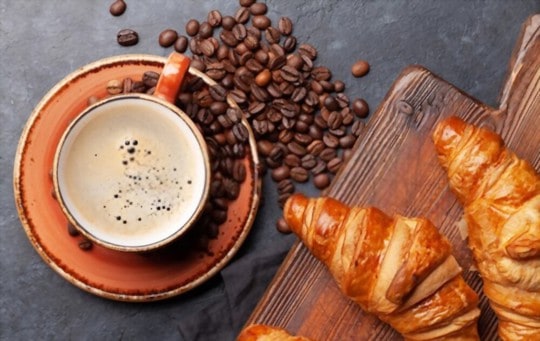
French Roast and Espresso Roast are two popular coffee options, both with their unique flavors and brewing methods.
The primary difference lies in the roasting technique used to create each one.
French Roast is roasted for a longer time at high temperature, giving it a deep and dark color with a bold taste.
This method of roasting also removes some of the acidity present in the coffee beans, making French Roast smoother on the palate.
On the other hand, Espresso Roast is typically roasted for shorter periods at even higher temperatures, resulting in a bean that is much darker than others.
Espresso roast has an intense flavor with high levels of bitterness and aroma.
Another key difference between French Roast and Espresso Roast lies in their brewing methods.
While French Roast can be brewed using any standard coffee maker, Espresso requires specific equipment like an espresso machine capable of producing concentrated shots.
Despite having differences in brewing methods, French Roast and Espresso Roast can be brewed using similar equipment such as an espresso machine or a French press - compare coffee maker vs French press brewing differences to choose equipment.
Roasting Process
During the roasting process, coffee beans are heated to create the distinct flavor and aroma that we all love.
The temperature and length of time the beans are roasted determine the final taste profile of the resulting brew.
Each roast has its unique characteristics and attributes.
French roast coffee has a dark outside appearance with a shiny surface due to oils brought out during roasting.
It is roasted for a longer time at high temperatures, creating a rich smoky flavor with low acidity levels.
In contrast, Espresso roast beans go through a shorter roasting process at relatively lower temperatures, resulting in a sweeter taste profile with higher acidity levels and a caramel aftertaste.
One important aspect to note is that French roast is better suited for those who enjoy bold and smokey flavors, while Espresso Roast is perfect for those who prefer sweet notes with fruity undertones.
Also, each of these roasts also pairs well with different foods and brewing methods such as drip coffee or espresso machines.
The tools and surfaces used in heating influence final results - roasting pan vs broiler pan cookware comparison highlights how different pans affect heat and surface contact.
Bean Selection
When selecting coffee beans, there are several options based on personal preferences.
Roasting is an essential factor in determining the taste, flavor, and aroma of the coffee.
French roast and espresso roast are two popular options available in the market known for their unique characteristics.
French roasts are dark roasted beans that give a smoky and bold flavor with a slight sweetness to it.
In contrast, espresso roasts are medium to dark roasted beans that offer a rich and intense taste with powerful aroma and less acidity.
Both have their advantages, but the deciding factor depends on individual likings.
For example, people who prefer strong flavors with smoky notes may opt for French roasts such as Peet's French roast.
Meanwhile, Starbucks Espresso Roast offers boldness with rich caramel notes suited for Milk-based espresso drinks.
Also, individuals who like luxury in their coffee may prefer espresso roasts over French roasts as they are more expensive due to the demand for making traditional Italian Espresso shots.
Names can be misleading across foods and products; for a clear comparison of similarly named items, see bean curd vs tofu comparison guide.
Flavor and Aroma
French Roast and Espresso Roast differ in their flavor and aroma profiles.
French Roast beans are roasted longer, resulting in a strong, bold taste with a smoky essence.
In contrast, Espresso Roasts have a darker color and bitter flavor, making them ideal for espresso shots.
These roasts offer rich undertones of nuts, chocolate, and caramel while providing a full-bodied experience - for more on how taste components differ, read extract vs flavor taste distinctions.
Considering the Flavor and Aroma profile should be the top priority.
French Roast offers a less acidic taste with a heavy mouthfeel whereas Espresso Roasts provide an intense coffee flavor that stimulates the sense of smell with its sweet fragrance and aromatic oils.
Also, French Roast has lower caffeine content than Espresso Roasts.
As both types of roasts cater to different preferences, choosing between them should depend on individual preference rather than caffeine content.
Ultimately, it's all about understanding what makes each roast unique and suits your personal preference in terms of Flavor and Aroma.
Caffeine Content
The caffeine content of coffee varies depending on the roast level, with darker roasts generally having less caffeine than lighter roasts.
French Roast, which is a dark roast coffee, has a lower amount of caffeine as compared to Espresso Roast, which is a medium-to-dark roast.
However, the difference in caffeine levels may not be significant for regular coffee drinkers who consume multiple cups throughout the day.
There are various factors like serving size and method of preparation that should also be considered.
For instance, an espresso shot contains less volume but more concentrated coffee beans than drip-brewed coffee resulting in higher caffeine content.
Also, some individuals may prefer the taste and aroma profiles associated with different roasts rather than just the amount of caffeine present in it.
Therefore, it's better to choose according to personal taste and preferences rather than using solely the caffeine levels as criteria for selection.
Similarities Between French Roast and Espresso Roast
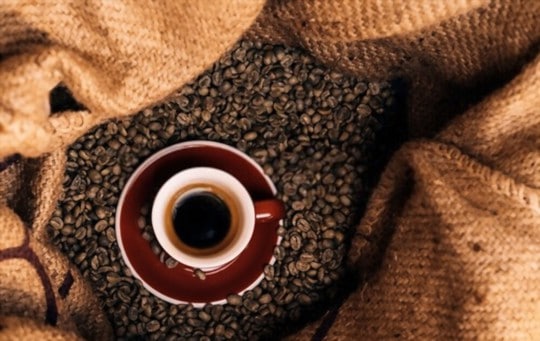
French Roast and Espresso Roast have some similarities.
Both roasts are commonly used in coffee shops and cafés due to their distinct flavors that cater to specific preferences of coffee enthusiasts.
French Roast and Espresso Roast are dark roasts, which means they have a bold flavor with a strong body.
Also, both types of roast have less acidity compared to lighter roasts.
Despite having differences in brewing methods, French Roast and Espresso Roast can be brewed using similar equipment such as an espresso machine or a French press.
Also, note that there are still unique aspects that separate the two roasts from each other.
While French Roast offers a smoky, bittersweet taste, Espresso Roast provides a more concentrated taste with notes of chocolate and caramel.
Also, the brewing method for both types varies significantly since French roast is usually brewed in larger batches while Espresso roast is primarily brewed as a single shot.
With this in mind, both French Roast and Espresso Roast cater to different preferences due to their individual flavors and brewing methods.
Therefore, it is essential to understand these differences before deciding which type of roast would be ideal for you.
Shared heritage doesn't always mean identical products; a similar case is shown in Italian bread vs French bread texture and use.
Choosing the Right Roast for Your Preferences
There are several factors to consider - including cut and preparation in food parallels like chuck roast vs chuck tender roast comparison.
Each roast level carries its own distinct flavor and aroma.
Understanding which one matches your personal taste is key.
With that in mind,
French Roast is a dark roast with bitter flavors and a smoky finish.
This roast level gives a full-bodied taste experience with low acidity.
Typically, it is preferred by those who enjoy strong, bold flavors in their coffee.
On the other hand, Espresso Roast is also a dark roast but generally has lighter body and more pronounced acidity than French Roast.
It often has rich chocolatey notes and pairs well with milk.
The roasting process affects not only the taste but also the caffeine content of each coffee bean.
Darker roasts contain less caffeine than lighter roasts due to being roasted for longer periods; hence, if you're looking for an energy boost from your cup of coffee, light or medium roasts might be a more suitable choice.
Brewing Methods for French Roast and Espresso Roast
French roast and espresso roast differ in their brewing methods.
French roast is brewed through drip methods, while espresso roast is brewed through an espresso machine.
The French roast has a coarse grind and requires longer brewing time, resulting in a less intense flavor compared to the fine grind of espresso.
With its shorter brew time and higher pressure brewing method, espresso delivers a richer taste and crema than the French roast.
French roasts can be enjoyed as black coffee or paired with cream, sugar, or milk for added creaminess.
Espresso can be prepared in many styles such as Americano, cappuccino, or latte using different foam textures and toppings.
While both roasts come from dark roasted beans, each offers a unique taste and brewing experience.
While these two roasts have distinct differences in brewing methods and taste profiles, the preference depends on the individual's personal taste.
Try experimenting with both roasts to determine your preferred flavor.
Flavor Profiles: French Roast vs Espresso Roast
After weighing the pros and cons of French Roast and Espresso Roast, one can conclude that choosing a specific roast depends on personal preferences.
While French Roast is bold and smokey with low acidity, Espresso Roast has an intense flavor with more pronounced notes of sweetness.
Both roasts have almost similar amounts.
But the grind size for each roast differs, as espresso requires a fine grind while French Roast needs a coarser one.
Factors like brewing method, bean quality, roast profile, and roasting techniques also play important roles in influencing the taste and flavor of coffee.
In making a decision between these two roasts, it's essential to understand individual taste preferences before making their choices.
Ultimately tasting different roasts will help hone personal preferences.
Dutch and French-style desserts differ in structure and topping choice. Dutch vs French apple pie understanding the differences illustrates those contrasts. American fries vs French fries side-by-side comparison shows how small variations create distinct results.
Frequently Asked Questions
French Roast is a distinctively dark coffee roast, characterized by deep brown or even black beans that give off an intense, smoky flavor. They share some similarities but each has qualities that make it better suited for certain recipes.
It depends on the dish. French Roast and Espresso Roast share some overlap, but each shines in different preparations.
Swapping works best in forgiving recipes like soups or stews.
Pricing varies by brand and region, but one is typically more accessible at everyday price points. The other may cost more due to specialization or limited supply.
Is there a best time to use each one?
One shines in applications requiring subtlety and background support.
The other is better when it is meant to be a center.
Matching the right one to its role makes a noticeable difference.