
Peach season hits and suddenly, it's all we can talk about.
Yellow or white peaches? That's the hot debate at every summer picnic.
In the golden corner, we have the yellow peach. Sweet, with a hint of acid, it's what most of us think of first.
Then, there's the white peach. Subtly sweet, less acidic.
A quiet contender that's been winning hearts.
We've all got a preference, and sometimes it feels like choosing a favorite child.
I remember biting into a white peach so juicy, it ran down my arm. Epic.
This isn't just about flavor; it's a lifestyle choice.
Do we pick the bold and the beautiful, or the soft and the sweet?
Picking sides has never been this delicious. Ready to weigh in?

What are Yellow Peaches?
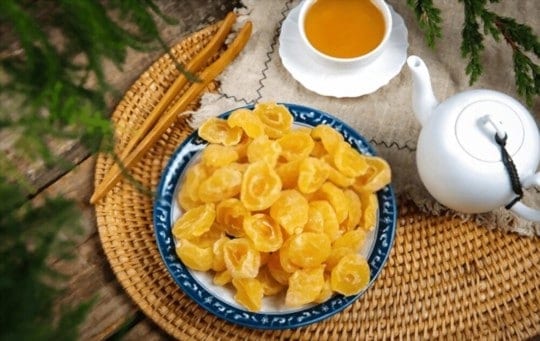
Yellow peaches are a popular fruit with sweet juicy flesh encased in fuzzy skin.
They are a variant of the peach fruit with a lighter and brighter yellow skin color compared to other species of peaches.
These fruits are enjoyed fresh, canned, or in baked goods like pies and cobblers.
Yellow peaches have a fragrant smell when ripe and ripen faster than white peaches due to their higher acidity level - a trait similar to how red curry vs yellow curry comparison of acidity affects flavor profiles.
With their high nutritional value, they make an excellent addition to one's diet as they are low in calories and saturated fats while providing vitamins A and C.
In contrast to white peaches, yellow peaches tend to have a fuller flavor with a more intense sweetness that is complemented by tartness.
This acidity makes them more versatile in cooking, especially for savory dishes as it helps balance out the sweetness of the dish.
Also, yellow peaches contain higher levels of antioxidants, which help combat aging and disease compared to their white counterparts.
Choosing yellow peaches over white ones can significantly boost your intake of beneficial nutrients.
What are White Peaches?

White peaches, a variant of the common peach fruit, are recognized by their unique and distinctive characteristics.
They have a velvety texture with a pronounced sweetness, compared to the tartness found in its yellow counterpart.
The skin of white peaches is thin and delicate, and when ripe, the flesh of white peaches can be cream-colored or light-yellow.
They are often used in jams, desserts, and salads for their elegant presentation and sweet, juicy taste.
White peaches also have numerous nutritional benefits including vitamins C and A, potassium, dietary fiber and antioxidants which help support the immune system - similar to how spirits differ in balance, see White Russian vs Mudslide cocktail comparison for an example of contrasting profiles.
It is believed that these wholesome properties promote healthy vision as well as reduce the risk of chronic diseases.
Incorporating this fruit into one's diet could significantly improve overall health outcomes.
To understand better how white peaches compare to yellow peaches healthwise, it seems essential to look deeper into their nutrient contents and see which one suits individual preferences better.
Differences Between Yellow Peaches and White Peaches
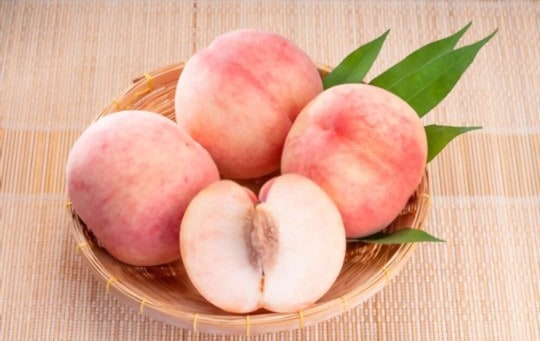
Yellow and white peaches are two of the most common varieties of peaches.
Each has unique characteristics that make them stand out from each other.
Yellow peaches have yellow skin with a red blush, while white peaches have a light-colored skin with a hint of pinkish-red.
The flesh of yellow peaches is firm and juicy with a sweet flavor, while the flesh of white peaches is delicate and less juicy with a milder taste.
In terms of nutrition, both types of peaches are rich in vitamins A and C and antioxidants.
However, yellow peaches contain more beta-carotene while white peaches have higher levels of vitamin E.
Yellow peaches tend to ripen earlier than white ones - a timing difference comparable to how Green vs Yellow Plantain differences affect texture and use.
Appearance and Skin Texture
When selecting between yellow and white peaches, the appearance and texture of the skin play an essential role.
The skin of a peach comprises tiny hairs known as trichomes, which give a furry feeling.
Yellow peaches have bright, vivid colors with red and gold tones on their skin, while white peaches have more subdued, pale pinkish-yellow hues.
The texture of the yellow peach's skin is generally more velvety and thicker than that of a white peach.
The texture of the skin might be less important to some individuals; nevertheless, it does significantly influence the overall experience when biting into a ripe peach.
The thick velvety texture of a yellow peach offers a pleasing resistance that enhances anticipation just before rupturing into juicy flesh.
On the other hand, the delicate fuzziness of a white peach feels like biting into delicate tissue paper.
While both types are delicious and nutritious, there are minor distinctions between them regarding nutritional values such as sugar content, carotenoids concentration, acidic level among others.
It is always better to choose fruits based on personal preference and availability in your location rather than nutritive value differences alone.
Flavor and Taste
Peaches are well-known for their unique flavor and juicy taste.
The two most commonly found peach varieties are yellow peaches and white peaches.
Both types offer a unique food experience, with subtle differences in texture, sweetness, and acidity levels.
Yellow peaches are known for their juiciness and rich, tangy taste that carries hints of both sweet and sour notes - a distinction that echoes the difference between extract vs flavor explanation in culinary uses.
Their flesh is meaty with a soft texture that melts in your mouth as you consume it.
On the other hand, white peaches have less acidity levels and offer an overall sweeter taste that's closer to honey-like notes.
They have a delicate flesh with a slightly firmer texture but are still very juicy.
While both types of peaches have their merits concerning flavor, choosing between them ultimately depends on your personal preference and intended use.
If you're interested in using the fruit in cooking applications where a balance of sweetness and acidity is essential, yellow peaches might be the better option.
Alternatively, if you're looking for a fruit that you can eat raw to satisfy your sweet tooth cravings without any additional spices or flavorings, consider white peaches.
To enjoy the full experience of either peach variety's unique combination of taste qualities, it's essential to select the freshest produce available in-season.
Properly ripened fruits will have more complex flavors while underripe or overripe fruit may disappoint.
Sweetness and Tartness
Peaches are known for their varying degrees of sweet and tart flavor, making them a popular fruit choice for many.
The level of sweetness and tartness in peaches can vary depending on the type of peach, ripeness, and growing conditions.
However, both yellow and white peaches have a similar sugar content but differ in their acidity levels.
While yellow peaches tend to be sweeter with a slightly lower acidity, white peaches offer a more delicate flavor with higher acid levels.
Ultimately, it comes down to personal preference when deciding between the two options.
Texture and Juiciness
The peach's succulence and texture play a critical role in distinguishing between the varieties of peaches.
Yellow peaches are regarded as juicier and softer, with a velvety skin that glides smoothly on your tongue.
White peaches have less acidic flesh, denser but not dry, firm skin, and can be perceived as more tender.
The juicy component originates from the cellular structure of the peaches; both species have juice sacs, with yellow peach juice being thicker due to its fiber content.
Similarities Between Yellow Peaches and White Peaches
Yellow Peaches and White Peaches are commonly known fruits with subtle differences that have been sought after by fruit enthusiasts for years.
They share some similarities in taste and texture, but are they really the same? When it comes to these two varieties of peaches, there are indeed some striking resemblances.
Yellow Peaches and White Peaches both belong to the same Prunus Persica family with a sweet, tangy flavor and a juicy interior.
They also have similar nutritional profile, being rich in vitamins C and A, potassium, iron and fibre - comparable to how Yellow vs Red Tomato comparison highlights shared nutrients despite color differences.
Both types come in various sizes and can be eaten fresh or cooked into various dishes.
Their shape is almost identical too, however, the main difference lies in their color.
Yellow Peaches usually have a golden orange or reddish skin while white peaches tend to have paler yellow or green skin with little to no red blushes.
The flesh inside is slightly different too; white peaches have pale ivory flesh which isn't as firm as yellow peach's meaty golden one.
Interestingly, the choice between yellow peach and white peach is often made based on personal preference rather than nutritional value because both offer the same benefits.
Therefore when it comes down to choosing between them, it all boils down to what you like best - do you prefer sweeter notes with a more strong texture found in Yellow Peaches or milder flavour with a soft velvety mouthfeel of White peaches?
Best Uses and Culinary Applications for Yellow Peaches and White Peaches

Yellow and white peaches are both delicious fruits that can be used for different culinary purposes.
Each type of peach has its characteristics, making them suitable for use in various dishes.
Yellow peaches, also known as freestone peaches, have a more intense and sweet flavor, making them perfect for desserts such as pies and cobblers - similar to how choices between Yellow Rice vs White Rice comparison influence dish color and flavor.
On the other hand, white peaches, also known as clingstone peaches, have a milder taste and are better suited for savory dishes like salads or salsas.
Yellow peaches tend to hold their shape better than white peaches due to their higher acidity level.
However, white peaches are still excellent options for poaching and creating jams or preserves because of their delicate texture.
Another factor to consider is the ripeness of the peach.
A ripe yellow peach is perfect for eating fresh while slightly underripe ones are best for baking.
Meanwhile, white peaches can be eaten fresh at any stage of ripeness because they have a less fuzzy skin.
In summary, whether you choose yellow or white peaches depends on your personal preference and desired culinary application.
Both types of fruit offer unique flavors and textures that can improve any dish to another level of deliciousness.
Factors to Consider When Choosing Between Yellow Peaches and White Peaches
When deciding between yellow and white peaches, certain factors must be considered.
Both are unique in their way, but they differ in taste, texture, sweetness level, and usage.
One should keep these factors in mind while selecting the right peach for their needs - much like choosing between White Cooking Wine vs Vinegar differences depends on the recipe's demands.
Yellow peaches have a tangier yet sweeter flavor than white peaches and are preferred for juicier food items like pies or salsas.
They tend to be softer in texture than their counterparts.
White peaches have a milder taste profile with less acidity and a firmer texture making them ideal for recipes that need less juice or moisture.
It's important to review your recipe before selecting which peach you use as some dishes work better with one variety over the other.
For example, desserts involving delicate flavors often benefit from white peaches' milder profile.
Alternatively, beverages or sauces that rely on peach's sharp fruity presence apply for yellow peaches.
Taste and Texture: Yellow vs White Peach
Comparing Yellow Peaches and White Peaches head-to-head has shown that both offer similar nutritional benefits with the only notable difference being their taste and texture.
While yellow peaches have a more strong, tangy flavor and texture, white peaches are milder, sweeter, and less acidic.
It all comes down to personal preference as they both offer quite a bit of nutrition.
However, yellow peaches contain more Vitamin A and carotenoids while white peaches are higher in flavonoids like catechins and epicatechins.
Ultimately, the choice between yellow or white peach comes down to your specific tastes and preferences.
Peach schnapps behaves differently than triple sec in cocktails and flavor uses; Peach Schnapps vs Triple Sec comparison explains those differences. White chocolate has a distinct profile from milk chocolate in sweetness and texture; White Chocolate vs Milk Chocolate differences outlines how they vary.
Frequently Asked Questions
They are a variant of the peach fruit with a lighter and brighter yellow skin color compared to other species of peaches. They share some similarities but each has qualities that make it better suited for certain recipes.
In many recipes, yes. Yellow Peach and White Peach fill similar roles, though each brings its own character.
Try a small test batch before committing to a full swap.
Availability varies by region. One is usually a standard grocery store item while the other may require a specialty or international market depending on where you live.
Can a beginner tell the difference by taste?
In a side-by-side tasting, yes.
The difference becomes less obvious when mixed into a recipe with other ingredients.
Most people notice the distinction more clearly on its own.